Are you tired of struggling to hang heavy items on your walls without them falling down? Knowing how to put in a drywall anchor can be a game-changer for your home projects.
It’s a simple skill that gives your walls the strength they need to hold shelves, pictures, mirrors, and more—without damage or frustration. In this guide, you’ll discover step-by-step how to install drywall anchors quickly and securely, so your items stay put and your walls stay safe.
Keep reading, and you’ll gain the confidence to tackle any hanging job like a pro.
:max_bytes(150000):strip_icc()/how-to-use-and-discard-anchor-screws-1822671-Final-ec8091ccf65241b1b1f888549f25003a.jpg)
Credit: www.thespruce.com
Choosing The Right Anchor
Choosing the right drywall anchor is important for a strong and safe hold. The wrong anchor can cause damage or fail to support your item. Consider the wall type and the weight of what you want to hang. This helps select the best anchor for your project.
Types Of Drywall Anchors
There are several types of drywall anchors. Plastic expansion anchors work well for light loads. They expand as you insert the screw. Metal anchors, like molly bolts, offer stronger support. Toggle bolts have wings that open behind the wall. They hold heavy items securely. Choose an anchor type based on your wall and item weight.
Anchor Size And Weight Limits
Anchors come in different sizes and weight limits. Small anchors hold lighter objects like pictures. Larger anchors support heavier items like shelves or mirrors. Always check the weight rating on the package. Using an anchor too small for the load can cause it to fail. Pick an anchor size that matches the weight of your item for safety.
Tools And Materials Needed
Before starting to put in a drywall anchor, gather all the necessary tools and materials. Having everything ready makes the job easier and faster. It also helps to avoid mistakes or delays.
Essential Tools
You need a few basic tools for this task. A drill is important to make a hole in the wall. Choose a drill bit that matches the size of the anchor. A screwdriver helps to screw in the anchor or the screw. A hammer may be needed to tap the anchor gently into the hole. A tape measure helps to mark the exact spot on the wall. Finally, a pencil is useful to mark where to drill.
Preparing The Work Area
Clear the area around the wall you will work on. Remove any furniture or items that may get in the way. Lay down a cloth or paper to catch dust and debris. Make sure the wall surface is clean and dry. Check for any wires or pipes behind the wall using a stud finder. This step is very important for safety.
Marking The Spot
Marking the spot is the first key step in installing a drywall anchor. It helps you place the anchor exactly where you need it. Careful marking saves time and avoids mistakes. It also keeps your wall safe from unnecessary holes.
Measuring And Leveling
Start by measuring the height where the anchor will go. Use a tape measure for accuracy. Check the wall for studs or obstacles behind the drywall. Use a level to ensure the mark is straight. A crooked mark leads to a crooked anchor.
Marking Drill Points
Use a pencil to mark the exact drill points on the wall. Small, clear marks work best. If you have multiple anchors, mark each point carefully. Double-check the measurements before drilling. Precise marks help the anchor hold firmly and look neat.
Drilling The Hole
Drilling the hole is an important step when installing a drywall anchor. A clean, correct hole helps the anchor hold firmly. Take your time to prepare well. Use the right tools and follow the right steps. This ensures your anchor will work as expected and hold your items safely on the wall.
Selecting The Drill Bit
Choose a drill bit that matches your drywall anchor size. The hole should be just big enough for the anchor to fit snugly. Too big, and the anchor will not hold well. Too small, and it will be hard to insert the anchor. Use a standard twist bit for drywall. Check the anchor package for the recommended drill bit size. This helps avoid mistakes and saves time.
Drilling Techniques
Hold the drill steady and straight against the wall. Start drilling slowly to avoid damaging the drywall. Drill at a low speed to keep control. Stop as soon as you reach the correct depth. Use a piece of tape on the bit to mark the depth. This prevents drilling too deep. Clean out dust from the hole before inserting the anchor. A clean hole improves anchor grip and strength.
Inserting The Anchor
Inserting a drywall anchor is a key step for a strong hold. It supports screws and prevents damage to your wall. The process varies with different anchor types. Understanding how to insert anchors correctly ensures your items stay secure.
Pushing Vs. Screwing Anchors
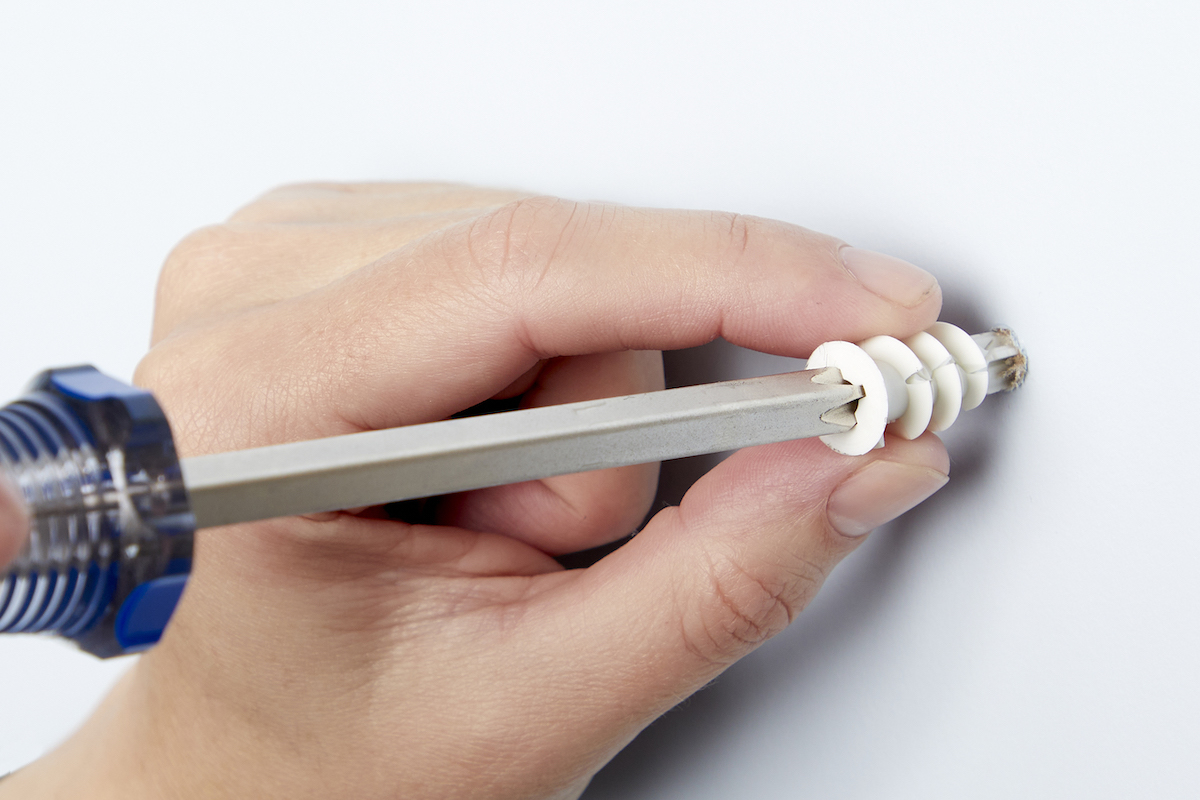
Some drywall anchors push in directly. These anchors are usually plastic and expand behind the drywall. You just push them into the pre-drilled hole. Others need to be screwed in. These anchors have threads that grip the drywall as you turn them. Screwing anchors create a tighter fit and hold more weight.
Ensuring A Tight Fit
Check that the anchor fits snugly in the hole. The hole must be the right size—not too big or small. Push or screw the anchor until it sits flush with the wall surface. A loose anchor will not hold well and can cause damage. Use a screwdriver or drill for screwing anchors. Avoid forcing anchors, which can crack the drywall.

Credit: www.picturehangsolutions.com
Securing The Screw
Securing the screw is the final step in installing a drywall anchor. It holds the object firmly and ensures safety. A proper screw choice and correct driving technique are important. Both affect the strength and durability of your mounting.
Choosing The Right Screw
Pick a screw that fits the anchor size. Too small, it won’t hold well. Too big, it can crack the drywall. Use screws with a flat or pan head for better grip. Check if the screw length matches the thickness of your item and wall.
Driving The Screw Properly
Start by placing the screw straight into the anchor. Use a screwdriver or drill with low speed. Turn the screw slowly to avoid stripping the anchor. Stop tightening once the screw is snug. Over-tightening can damage the anchor or wall.
Testing The Anchor
Testing the drywall anchor is a vital step. It ensures the anchor holds well and supports the item securely. Without testing, the anchor might fail under weight or pressure. This section explains how to check the anchor’s stability and fix common issues.
Checking Stability
Press gently on the anchor after installation. It should feel firm and not move inside the wall. Wiggle it slightly to see if it shifts or loosens. If the anchor stays steady, it is ready to hold your item.
Try hanging a light object first. This test confirms the anchor’s grip without risking damage. If the anchor holds the light weight, increase the load gradually. Watch for any signs of slipping or pulling out.
Troubleshooting Common Issues
Loose anchors often mean the hole is too big. Remove the anchor and fill the hole with spackle. Let it dry, then drill a smaller hole for a new anchor.
Anchors that spin indicate poor wall grip. Use a different type of anchor for better hold. Plastic anchors work well in drywall, but metal ones grip stronger.
If the anchor pulls out easily, try a toggle or molly bolt. These expand behind the drywall and offer extra support. Always match the anchor type to the item’s weight.
Tips For Heavy Items
Heavy items need strong support to stay safe on your wall. Drywall anchors help, but some items weigh too much for one anchor. Using the right methods keeps your walls intact and your items secure. Follow these tips to hold heavy things safely.
Using Multiple Anchors
Spread the weight by using more than one anchor. Place anchors evenly across the item’s width. This stops the wall from breaking or the item from falling. Make sure each anchor is rated for the weight it will hold. Use a level to keep anchors straight. This keeps heavy items balanced and secure.
Alternative Support Methods
Sometimes anchors are not enough for very heavy objects. Use wall studs for extra strength. Find studs with a stud finder and screw directly into them. Another option is a toggle bolt, which holds better in drywall. For very heavy items, use a combination of anchors and studs. This gives the strongest support for your heavy belongings.
Credit: www.bobvila.com
Frequently Asked Questions
What Tools Do I Need For Drywall Anchors?
You need a drill, screwdriver, drywall anchors, and a pencil. A drill bit matching the anchor size helps create the hole. A screwdriver is used to secure the anchor in place.
How Do I Choose The Right Drywall Anchor?
Select an anchor based on wall type and item weight. Plastic anchors suit light items, while metal anchors support heavier loads. Check packaging for weight limits and wall compatibility before purchase.
Can I Reuse A Drywall Anchor?
No, reusing drywall anchors is not recommended. Once removed, anchors lose grip and may damage the wall. It’s best to use a new anchor for a secure hold.
How Deep Should I Drill For Drywall Anchors?
Drill a hole slightly smaller than the anchor length. This ensures a snug fit and strong hold. Avoid drilling too deep to prevent wall damage.
Conclusion
Drywall anchors provide strong support for hanging items on walls. Choose the right anchor for your wall type and weight needs. Drill a hole carefully, insert the anchor, and tighten the screw gently. This simple process keeps your items secure and your walls safe.
Practice makes perfect, so don’t worry if it takes a few tries. With patience and care, you can hang pictures, shelves, and more with confidence. Drywall anchors make wall mounting easier and more reliable for every home project.