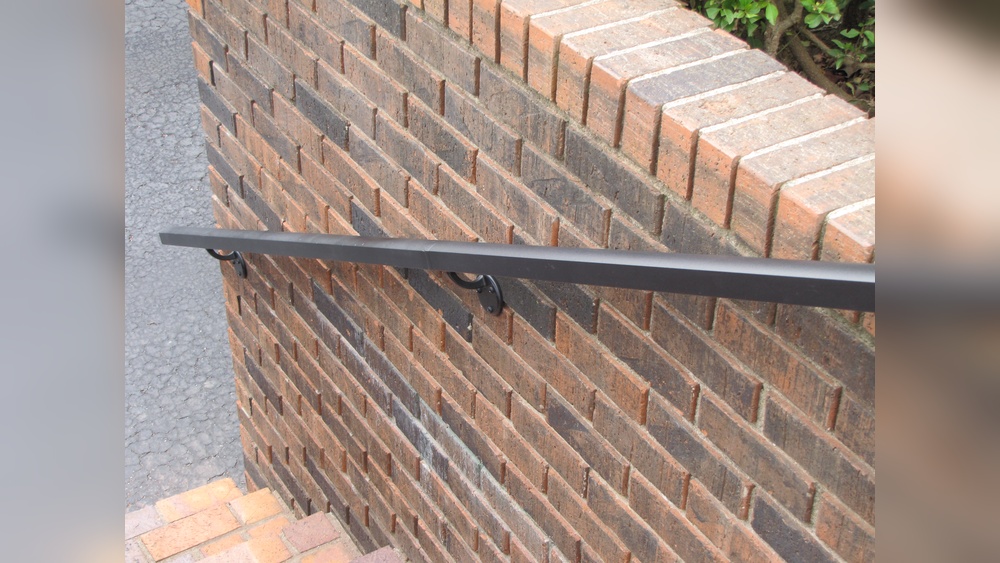
Are you planning to install a railing on your brick wall but unsure how to make it secure and sturdy? Anchoring a railing to a brick wall might seem tricky, but with the right steps, you can do it confidently and safely.
In this guide, you’ll discover simple, clear instructions to help you anchor your railing perfectly every time. Keep reading, and you’ll learn the secrets to a strong, reliable railing that lasts for years—no guesswork, no hassle. Your safety and peace of mind start here.
Choosing The Right Anchors
Choosing the right anchors is key to securing a railing to a brick wall safely. The right anchor holds the railing firmly and prevents damage to the brick. It also helps the railing last longer and stay stable under pressure. Understanding different anchor types and what matters most helps you pick the best option for your project.
Types Of Anchors For Brick
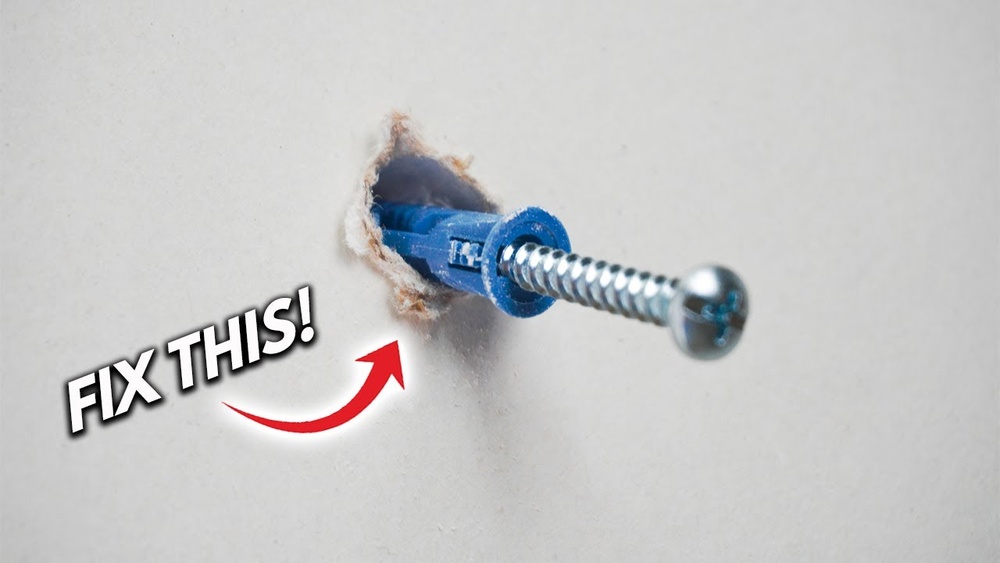
Expansion anchors are common and work by expanding inside the drilled hole. They grip the brick tightly as you tighten the bolt. Sleeve anchors are similar but use a metal sleeve that expands.
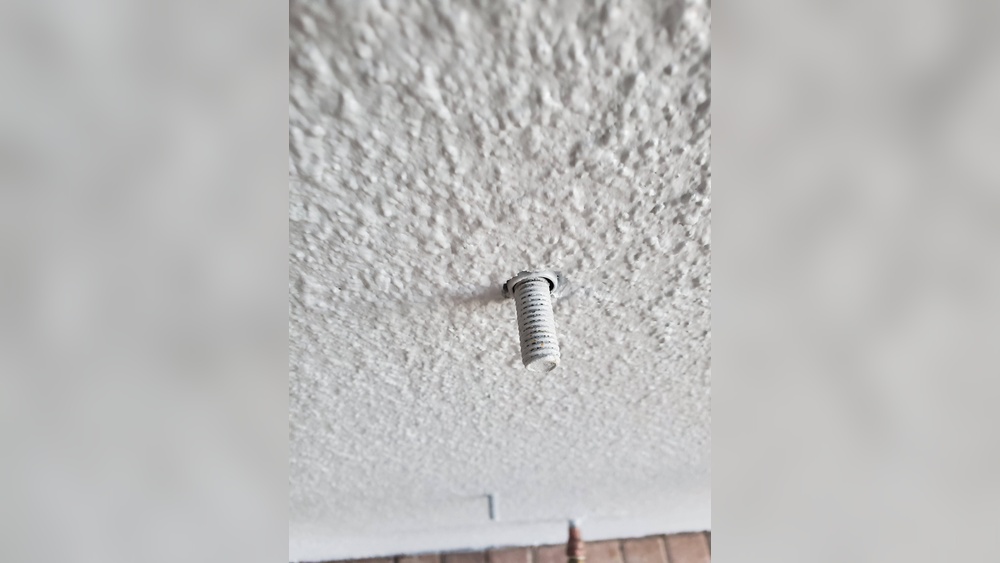
Masonry screws go directly into pre-drilled holes and hold with threads. Plastic anchors are for light loads and use a plastic sleeve to hold the screw.
Epoxy anchors use glue to fix a bolt or rod in the hole. They provide strong, permanent support in solid brick.
Factors To Consider
Check the brick type first. Solid brick holds anchors better than hollow brick. Hollow brick may need special anchors or extra support.
Think about the railing weight and force it will face. Heavy railings need stronger anchors like sleeve or epoxy types. Light railings can use plastic or masonry screws.
Consider weather and moisture. Some anchors resist rust and corrosion better. Use stainless steel or coated anchors outside to avoid rust.
Drill hole size and depth matter. Follow anchor instructions closely. Proper hole size ensures a strong hold and prevents brick damage.

Credit: reneerenovates.com
Tools And Materials Needed
Anchoring a railing to a brick wall requires the right tools and materials. Using proper items ensures a secure and lasting hold. It also makes the job easier and safer. Prepare all essentials before starting the project.
Essential Tools
- Drill with masonry bit
- Hammer
- Socket wrench or adjustable wrench
- Measuring tape
- Level
- Pencil or marker
- Safety glasses
- Work gloves
Recommended Materials
- Anchor bolts or sleeve anchors
- Wall plugs (plastic or metal)
- Railing brackets
- Washers and nuts
- Silicone sealant (optional for weatherproofing)
- Rust-resistant screws
Preparing The Brick Wall
Preparing the brick wall is the first step to securely anchor a railing. This step ensures the wall is ready to hold the weight and pressure of the railing. Proper preparation helps prevent future damage and keeps the railing stable.
Inspecting The Surface
Check the brick wall for cracks or loose bricks. Weak spots can cause the railing to become unstable. Look for old mortar that is crumbling or missing. These areas need repair before anchoring. Make sure the bricks are solid and strong.
Cleaning And Marking
Clean the surface of dust, dirt, and debris. Use a brush or a cloth for this task. A clean wall helps the anchor stick better. Mark the exact spots where you will drill holes. Use a pencil or chalk for clear, visible marks. Accurate marking ensures the railing fits perfectly.
Drilling Into Brick
Drilling into brick is a key step when anchoring railing to a brick wall. It needs care and the right tools to avoid damage. You must drill clean holes for strong and safe anchors. This process involves choosing the correct drill bit and using proper drilling methods. Understanding these details helps you complete the job successfully and securely.
Selecting Drill Bits
Use a masonry drill bit for brick walls. These bits have a carbide tip to cut through hard brick easily. Choose a size that matches your anchor bolts. A bit too small won’t fit the anchor. Too large will weaken the hold. Check the drill bit condition before starting. Worn bits can cause rough holes and cracks.
Drilling Techniques
Mark the spot clearly on the brick surface. Hold the drill steady and start slowly. Increase speed only after the bit grips the brick. Avoid pushing too hard. Let the drill bit do the work. Drill straight into the wall, keeping the drill level. Stop occasionally to clear dust from the hole. This keeps the drill cool and hole clean. Drill to the depth needed for your anchors. Measure the depth with tape or a marker on the bit.
Installing The Anchors
Installing anchors is a key step in securing a railing to a brick wall. The right anchors hold the railing firmly and keep it safe. This process requires careful drilling and fitting to match the brick’s strength and structure. Choosing the proper anchor type depends on the wall and railing style.
Use the correct tools and follow precise steps to avoid damage. The anchors must fit tightly to prevent movement. This section covers two common anchor types: expansion anchors and sleeve anchors. Each type has specific steps for proper installation.
Inserting Expansion Anchors
Start by marking the drill spots on the brick. Use a hammer drill with a masonry bit to make holes. The hole size should match the anchor diameter. Clean out dust with a brush or air blower.
Push the expansion anchor into the hole until it is flush with the wall. Tap gently with a hammer if needed. Tighten the anchor bolt slowly. This causes the anchor to expand inside the hole. The expansion grips the brick firmly.
Do not overtighten. Stop when the anchor feels secure. This method works well for solid brick walls. It offers strong support for railings under normal use.
Using Sleeve Anchors
Drill a hole in the brick matching the sleeve anchor size. Clean the hole thoroughly to remove dust and debris. Insert the sleeve anchor into the hole carefully. The sleeve should sit flush with the wall surface.
Start tightening the nut on the anchor bolt. The sleeve expands against the hole walls. This expansion locks the anchor in place. Sleeve anchors provide reliable hold in solid brick and some hollow bricks.
Check the anchor tightness regularly during installation. Ensure the sleeve fully expands for a strong grip. Sleeve anchors offer good strength for railings exposed to wind or weight.
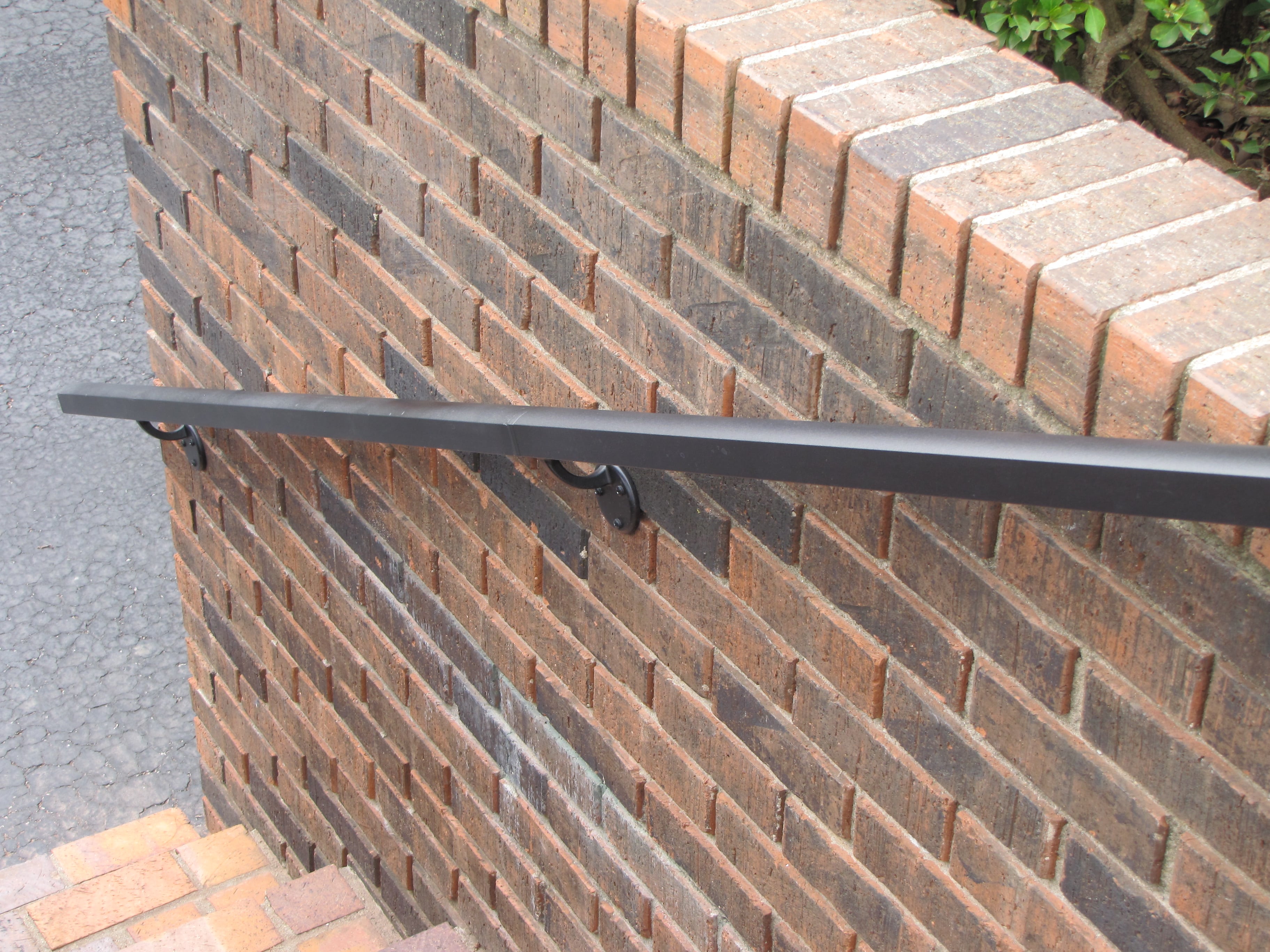
Credit: mmcfencingandrailing.com
Attaching The Railing
Attaching the railing to a brick wall is a key step to ensure safety and stability. This process requires careful preparation and precise work. Proper attachment keeps the railing strong and secure. Follow each step closely for the best results.
Aligning The Railing
Place the railing against the brick wall where you want it. Use a level to check if it is straight. Adjust the railing until it is perfectly vertical. Mark the spots on the wall where the anchors will go. These marks guide you during drilling. Accurate alignment prevents future problems.
Securing With Bolts
Drill holes into the brick at the marked spots. Use a masonry bit to make clean holes. Insert wall anchors into the drilled holes. These anchors hold the bolts firmly in place. Position the railing back on the wall. Insert bolts through the railing into the anchors. Tighten the bolts securely with a wrench. Check the railing for any movement. Tight bolts keep the railing safe and stable.
Safety Tips And Maintenance
Safety is key when anchoring a railing to a brick wall. Proper maintenance keeps the railing strong and secure. It helps avoid accidents and extends the life of your installation.
Ensuring Stability
Check that the railing is firmly attached to the brick. Use the right anchors and screws made for masonry. Tighten any loose bolts or screws quickly. Avoid using damaged or rusty parts. A stable railing gives safety and confidence.
Regular Inspections
Look over the railing often for signs of wear or damage. Check for cracks in the brick near the anchor points. Watch for rust or corrosion on metal parts. Clean the railing to prevent dirt buildup. Early detection helps fix problems before they grow.

Credit: www.reddit.com
Frequently Asked Questions
What Tools Are Needed To Anchor Railing To Brick Wall?
You need a drill with a masonry bit, anchors, screws, a hammer, and a level. These tools ensure precise and secure railing installation on brick walls.
How Do You Choose The Right Anchors For Brick Walls?
Select anchors designed for masonry, like sleeve or wedge anchors. They provide strong support and prevent damage to the brick during installation.
Can I Install Railing On Old Or Damaged Bricks?
Avoid anchoring on cracked or crumbling bricks. Use mortar joints or consult a professional to ensure safety and stability of the railing.
What Is The Best Method To Drill Into Brick Walls?
Use a hammer drill with a masonry bit at a slow speed. This prevents brick damage and ensures clean, precise holes for anchors.
Conclusion
Anchoring a railing to a brick wall is simple with the right steps. Choose the proper anchors and drill carefully. Tighten bolts securely to keep the railing stable. Always check for safety after installation. A strong railing improves both safety and appearance.
Take your time and follow instructions closely. Enjoy your sturdy, well-installed railing for years to come.