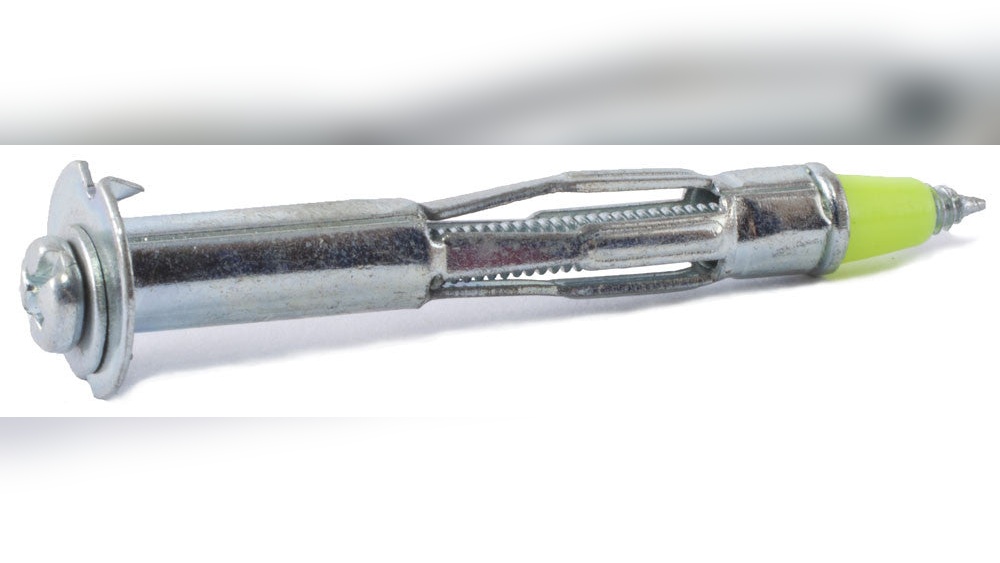
Are you struggling to hang heavy items on hollow walls without worrying about them falling down? Hollow wall drive anchors might be exactly what you need.
These clever tools give you a strong hold in walls that are otherwise tricky to work with. If you’ve ever felt unsure about how to use them or worried about damaging your walls, this guide is for you. Keep reading, and you’ll learn simple steps to secure your items safely and confidently every time.
Credit: www.youtube.com
Choosing The Right Anchor
Choosing the right hollow wall drive anchor is key for a strong hold. Different projects need different anchors. Picking the wrong type can cause damage or fail to hold your items securely.
Consider the wall material, the weight of the object, and the anchor’s design. These factors help you decide which anchor fits best. Let’s explore the main points to help you choose correctly.
Types Of Hollow Wall Anchors
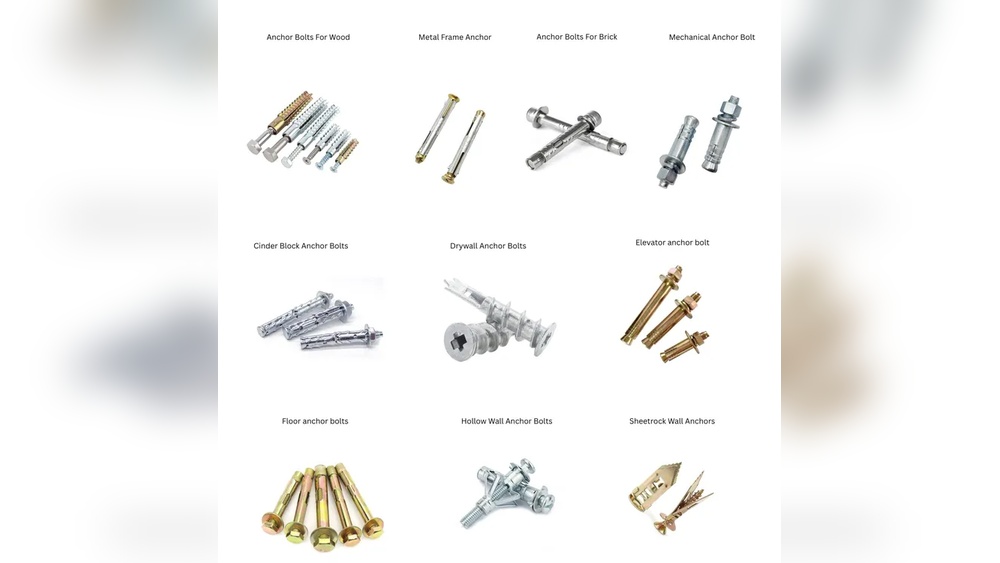
There are several types of hollow wall anchors. Toggle bolts have wings that open inside the wall. They spread the load over a wide area. Molly bolts expand inside the wall for a tight fit. Plastic anchors are simple and good for light items. Each type suits different weights and wall types.
Material Considerations
Wall material affects anchor choice. Drywall is common and needs anchors that spread pressure. Plaster walls are harder and can crack. Use anchors designed for plaster to avoid damage. Hollow concrete blocks need stronger anchors. Match the anchor material to the wall for best results.
Weight Capacity
Every anchor has a weight limit. Check the package for maximum load information. Heavier items need anchors with higher weight ratings. Overloading anchors can cause them to fail. Always pick anchors that can hold more than your item weighs. Safety matters most in every installation.
Preparing The Wall
Preparing the wall is the first important step before using hollow wall drive anchors. This step makes sure the anchors fit well and hold firmly. Taking time to prepare helps avoid mistakes and damage to the wall.
Locating Studs And Cavities
Start by finding the studs and cavities inside the wall. Studs are wooden or metal frames behind the surface. Cavities are empty spaces between studs. Use a stud finder to locate these parts. Avoid placing anchors on studs. Hollow wall anchors work best in cavities for a secure hold.
Marking Drill Points
After locating cavities, mark the drill points on the wall. Use a pencil to make small marks where anchors will go. Make sure marks are straight and level. This helps keep the anchor in the right spot. Check spacing between marks to fit the object you want to hang.
Selecting Drill Bits
Choose the right drill bit size for your anchor. The bit should match the anchor’s diameter. Using the wrong size can cause a loose or tight fit. Look at the anchor package for drill bit recommendations. Use a clean, sharp bit for smooth holes. This makes anchor installation easier and stronger.
Installation Steps
Using hollow wall drive anchors is easy if you follow the right steps. These anchors help hold items securely in walls that are hollow inside, like drywall. Proper installation makes sure your anchors work well and hold strong.
Drilling The Hole
First, choose the right drill bit size for the anchor. Mark the spot on the wall where you want to place the anchor. Drill a hole straight into the wall, matching the anchor’s size. Keep the hole clean and free of dust.
Inserting The Anchor
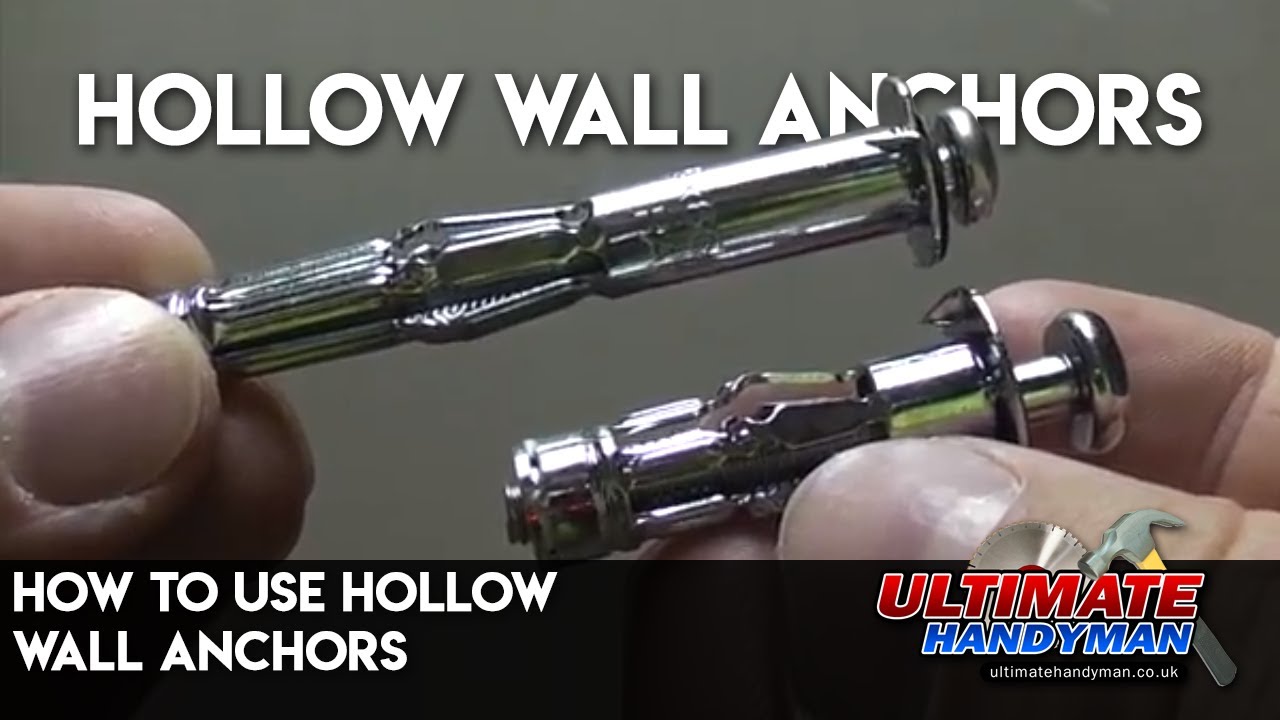
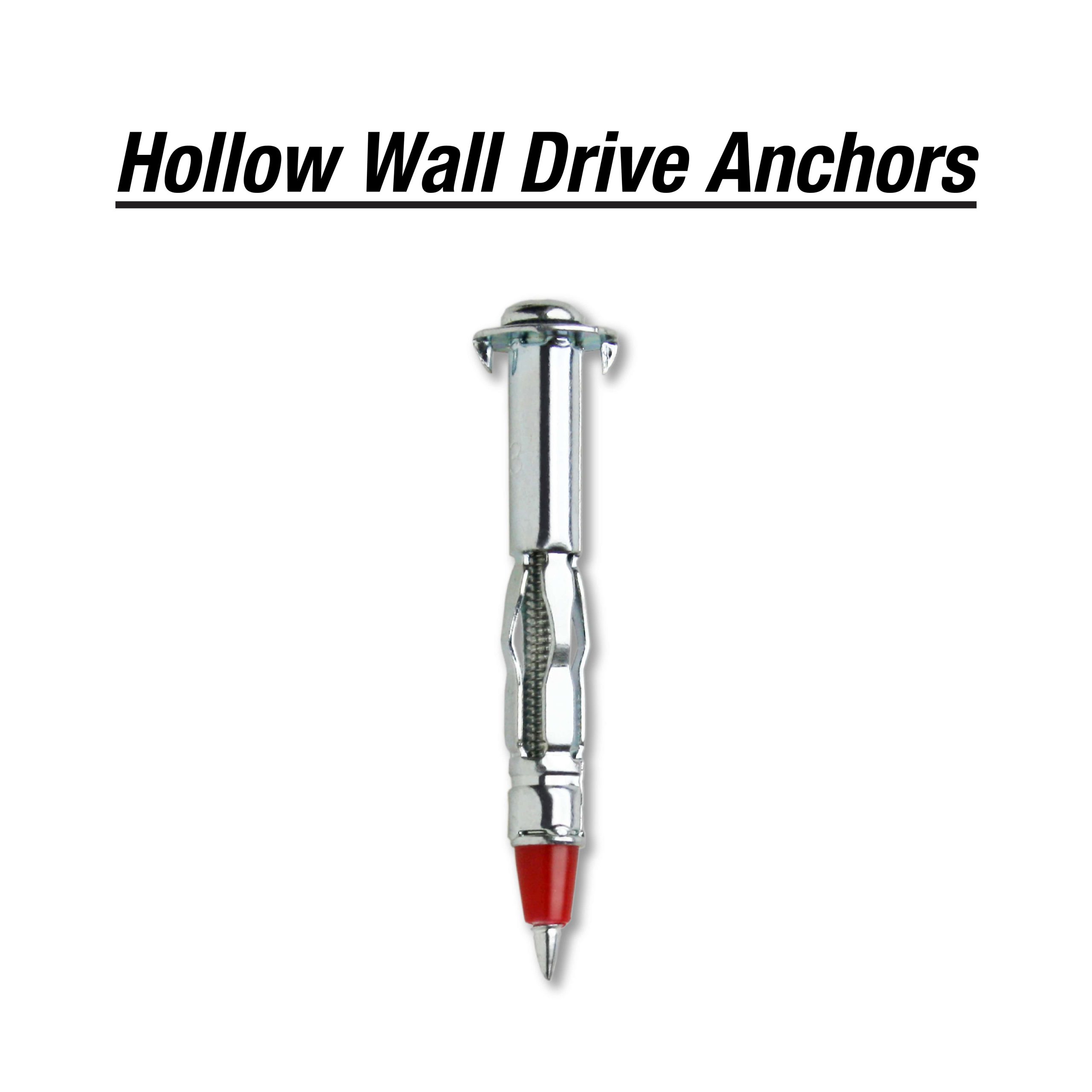
Push the hollow wall drive anchor gently into the hole. Tap it lightly with a hammer if needed. Make sure the anchor sits flush with the wall surface. Do not force it too hard to avoid damage.
Securing The Fastener
Insert the screw or fastener into the anchor. Turn it slowly using a screwdriver or drill. The anchor will expand inside the wall, gripping tightly. Stop when the fastener feels secure and firm.
Credit: www.youtube.com
Common Mistakes To Avoid
Using hollow wall drive anchors correctly is important for a strong hold. Many people make simple mistakes that weaken the anchor’s grip. Avoiding these errors saves time and keeps your items secure.
Incorrect Anchor Size
Choosing the wrong anchor size causes poor support. Too small anchors may pull out easily. Too large anchors can damage the wall. Always match the anchor size to your load and wall thickness.
Overtightening
Overtightening the screw can break the anchor or wall. Tighten screws just enough to hold the object firmly. Stop once you feel resistance to avoid damage.
Ignoring Wall Material
Different walls need different anchors. Hollow wall anchors work well in drywall but not in plaster or concrete. Check your wall type before selecting anchors. Using the wrong anchor reduces safety and stability.
Maintenance And Removal
Maintenance and removal of hollow wall drive anchors keep your walls safe and clean. Regular checks help avoid loose anchors and prevent damage. Proper removal avoids harming the wall surface. Repairing the wall after removal keeps it smooth and ready for new fixtures.
Checking Anchor Stability
Check anchor stability by gently wiggling the attached item. If it moves or feels loose, the anchor may fail soon. Tighten screws carefully without forcing them. Loose anchors need immediate attention to avoid wall damage or falling objects.
Removing Anchors Safely
Remove anchors by unscrewing the attached screw first. Use pliers to pull the anchor out slowly. Avoid pulling too hard to stop wall damage. For stubborn anchors, push them into the wall cavity instead of pulling. This method prevents large holes.
Repairing Wall Damage
Fill small holes with spackle or wall filler. Smooth the surface with a putty knife. Let it dry completely before sanding lightly. Paint the repaired area to match the wall color. Proper repair keeps the wall strong and looks neat.
Applications And Best Uses
Hollow wall drive anchors are useful for many home and office projects. They hold firmly in drywall or hollow walls. They work well with lightweight and medium-weight items. These anchors spread the load inside the wall, giving strong support. Here are some common uses for hollow wall drive anchors.
Hanging Shelves And Fixtures
Use hollow wall drive anchors to hang shelves securely. They keep shelves steady without damaging walls. Fixtures like towel racks and curtain rods also hold well. These anchors prevent shelves from pulling out under weight. Ideal for storage and display areas in homes and offices.
Mounting Electronics
Mount TVs, speakers, and other electronics with hollow wall drive anchors. They support devices without risk of falling. These anchors keep electronics safe on walls. Perfect for rooms where space is limited. Easy to install and remove if needed.
Decorative Installations
Decorations like mirrors, artwork, and wall hangings stay secure with these anchors. They help avoid wall damage during installation. Great for adding style and personality to any space. Hold items firmly even on thin drywall. Allow for easy updates or changes in decor.
Credit: cobraanchors.com
Frequently Asked Questions
What Are Hollow Wall Drive Anchors Used For?
Hollow wall drive anchors secure objects to drywall or hollow walls. They provide strong support without damaging the wall. Ideal for hanging shelves, pictures, or fixtures where no studs exist.
How Do You Install Hollow Wall Drive Anchors Correctly?
Drill a hole matching the anchor size. Insert the anchor into the wall. Use a hammer to drive it flush. Then, screw in the fastener to expand the anchor inside the wall.
Can Hollow Wall Drive Anchors Hold Heavy Items?
Yes, they hold moderate weight, typically up to 50 pounds. For heavier items, use multiple anchors or stronger fasteners. Always check the anchor’s weight rating before use.
What Tools Are Needed For Hollow Wall Drive Anchor Installation?
You need a drill, hammer, screwdriver, and the correct sized drill bit. These tools ensure precise hole drilling and secure anchor placement for optimal strength.
Conclusion
Using hollow wall drive anchors makes hanging items on hollow walls easier. These anchors hold firmly in drywall or plaster. First, choose the right size for your item’s weight. Next, drill a hole and insert the anchor carefully. Then, screw in the fastener to expand the anchor inside the wall.
This process ensures a strong hold without damaging the wall. Remember to check the weight limit before use. Hollow wall drive anchors are simple, effective, and safe for many home projects. Give them a try for secure, worry-free wall mounting.