Have you ever tried to hang something on your wall, only to find the anchor hole is loose and won’t hold? It’s frustrating when your picture frames, shelves, or hooks don’t stay put.
But don’t worry—you can fix that loose wall anchor hole quickly and easily. You’ll learn simple steps to repair the hole and make it strong again. Keep reading, and you’ll be able to hang your items with confidence, without worrying about them falling down.
Credit: www.youtube.com
Causes Of Loose Wall Anchor Holes
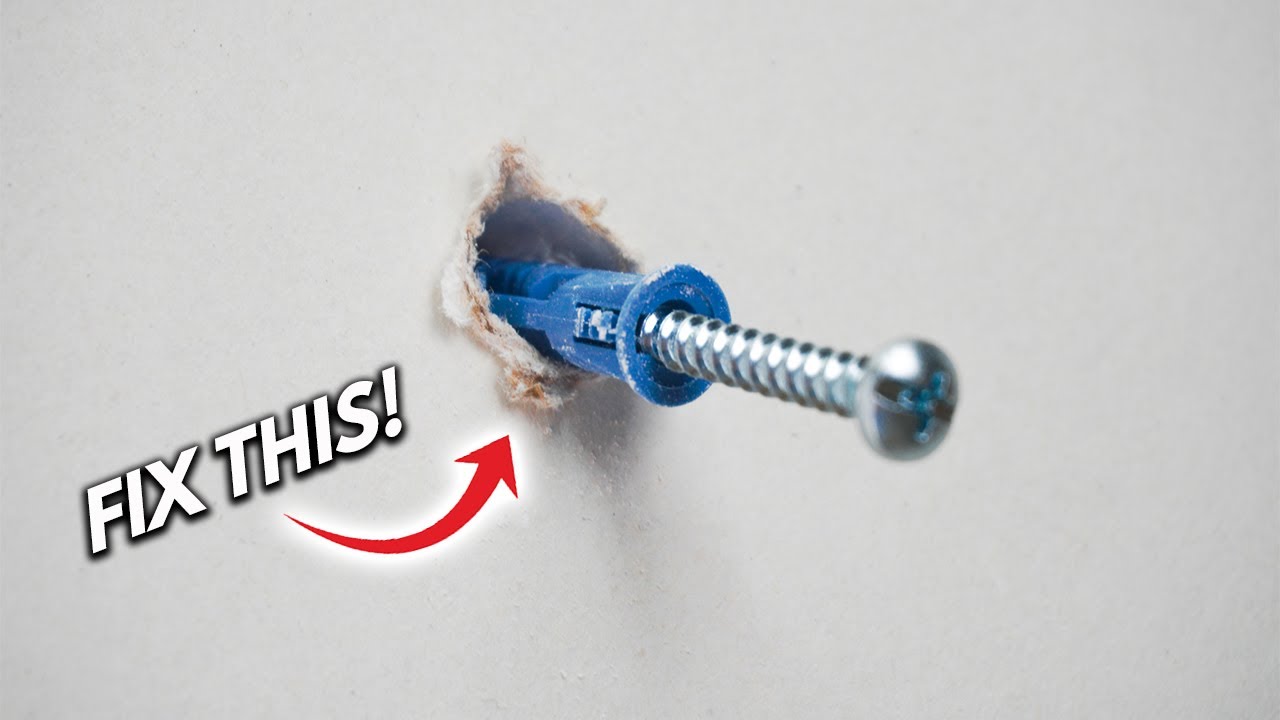
Loose wall anchor holes happen for several reasons. Understanding these causes helps fix the problem properly. Walls and anchors work together to hold objects. If one part fails, the anchor becomes loose. This section explains the main causes of loose wall anchor holes.
Common Reasons For Anchor Failure
Anchors fail due to poor installation or wrong anchor type. Drilling a hole too big can cause looseness. Using anchors not meant for the wall material weakens the hold. Overloading anchors beyond their weight limit also causes failure. Vibrations or movement can loosen the anchor over time. Wear and tear from age can make anchors lose grip.
Types Of Wall Materials Affected
Drywall often causes anchor issues because it is soft. Plaster walls may crack around anchors, causing looseness. Concrete and brick walls hold anchors well but need special types. Hollow walls need anchors designed for empty spaces. Each material requires the right anchor to avoid loose holes. Choosing anchors for the wall type is key to strong support.
Tools And Materials Needed
Fixing a loose wall anchor hole needs the right tools and materials. Having everything ready makes the job easier and faster. This section lists what you need to repair the hole properly. You can choose basic supplies or extra items for a stronger fix. Keep your tools organized before starting.
Essential Repair Supplies
- Wall anchors – to replace the loose ones
- Spackling paste or wall filler – to fill the hole
- Putty knife – to spread the filler smoothly
- Sandpaper (medium grit) – to smooth the dried filler
- Drill and drill bits – to make new holes if needed
- Screwdriver – to remove and tighten screws
- Cleaning cloth – to wipe dust and debris
- Paint and brush – to touch up the repaired area
Optional Items For Stronger Fixes
- Wooden dowels or toothpicks – for filling large holes
- Epoxy glue or wood glue – to add extra hold
- Mesh tape – to reinforce the filler in big holes
- Stud finder – to locate solid wall studs
- Level tool – to keep screws straight
- Protective gloves – to keep hands clean
Simple Patch Method
The Simple Patch Method is a quick way to fix a loose wall anchor hole. It restores the wall’s surface and makes it ready for a new anchor. This method uses basic materials like spackle or filler and needs little skill. Anyone can follow these steps to repair holes effectively.
Cleaning The Hole
Start by removing any loose debris inside the hole. Use a brush or a vacuum to clear dust and small pieces. This step helps the filler stick well to the wall. A clean hole ensures a stronger patch and longer-lasting repair.
Applying Spackle Or Filler
Take some spackle or wall filler on a putty knife. Press it firmly into the hole to fill all gaps. Smooth the surface to make it even with the wall. Let the filler dry completely before moving to the next step.
Sanding And Painting
Use fine sandpaper to smooth the dried filler. Sand until the patched area blends with the wall surface. Wipe off any dust with a clean cloth. Finish by painting over the patch to match the wall color.

Credit: www.instructables.com
Using Toothpicks Or Wooden Matches
Using toothpicks or wooden matches is a simple way to fix a loose wall anchor hole. These small wooden items help fill gaps and give the anchor a tight fit. This method works well for drywall and wood surfaces. It is affordable and uses things you can find at home.
Filling The Hole
Start by breaking toothpicks or matches into small pieces. Fill the loose hole with these wooden pieces. Push them in until the hole is full and tight. Use wood glue or white glue on the toothpicks for extra hold. Let the glue dry for about 30 minutes. This step creates a solid base for the anchor.
Reinserting The Anchor
After the glue dries, place the wall anchor back into the hole. Press it firmly to ensure it fits tightly. Use a screwdriver to secure the anchor in place. The wooden fillers keep the anchor stable and prevent it from wobbling. Now the anchor can hold screws and objects firmly on the wall.
Epoxy Repair Technique
The epoxy repair technique offers a strong fix for loose wall anchor holes. It seals the hole and provides a solid base for new anchors. Epoxy is a durable material that hardens quickly and sticks well to most surfaces. This method works well for drywall, plaster, and wood walls.
Using epoxy is a simple process, but following the steps carefully is important. Prepare the epoxy mixture, fill the hole, and let it set. After that, you can drill a new hole for the anchor. This technique prevents the anchor from slipping or loosening again.
Mixing Epoxy
Start by squeezing equal parts of epoxy resin and hardener onto a clean surface. Use a small stick or spatula to mix them thoroughly. Mix until the color is consistent and smooth. Avoid mixing too much at once; epoxy hardens fast. Work quickly to prepare the next step before it sets.
Filling And Setting The Hole
Apply the mixed epoxy into the loose anchor hole using a small tool. Press it firmly to fill the hole completely. Remove any extra epoxy around the hole with a damp cloth. Let the epoxy cure for the time stated on the package, usually 5 to 30 minutes. Do not disturb the repair while it hardens. Once fully set, the hole will be strong enough for a new anchor.
Switching To A Larger Anchor
Switching to a larger anchor is a smart way to fix a loose wall anchor hole. It gives extra grip and holds weight better. This method works well when the original hole becomes too wide or damaged. Using a bigger anchor fills the space tightly and stops wobbling.
Choosing The Right Size
Pick an anchor size bigger than the old hole. Measure the hole diameter first. The new anchor should fit snugly inside the hole. Avoid anchors that are too big or too small. Too big can crack the wall. Too small won’t hold well.
Check the weight limit on the anchor package. Choose one that supports the item’s weight. Plastic anchors suit light loads. Metal anchors work better for heavy items. Match the anchor type to your wall material.
Drilling And Installation Tips
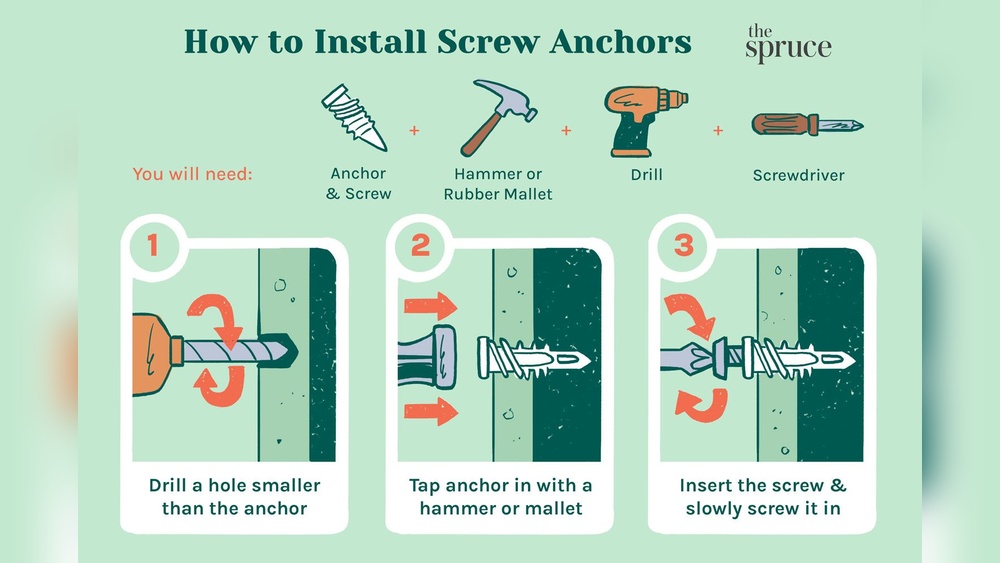
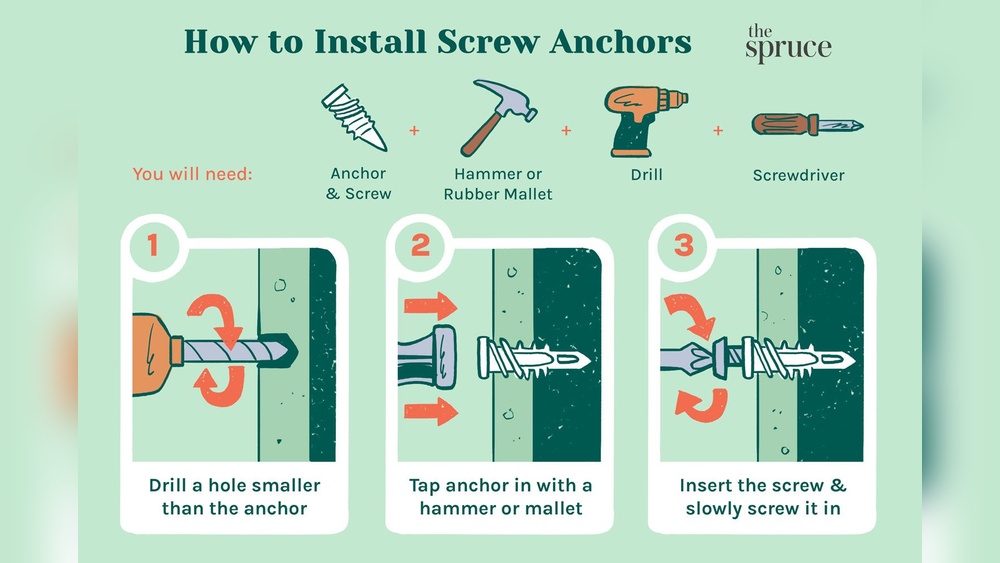
Drill the hole slightly deeper than the anchor length. Use a drill bit that matches the new anchor size. Clean out dust and debris from the hole. Insert the anchor carefully without forcing it.
Tap the anchor gently with a hammer until flush with the wall. Screw into the anchor slowly to avoid damage. Stop tightening once the screw feels firm. Check the anchor’s hold by gently pulling on the item.
Installing A Toggle Or Molly Bolt
Installing a toggle or molly bolt is a reliable way to fix a loose wall anchor hole. These bolts provide strong support for heavy items on drywall or hollow walls. They spread the load behind the wall, preventing damage and ensuring stability.
Choosing the right bolt depends on the weight and wall type. Both toggle and molly bolts are easy to install and offer firm grip. This method is perfect for shelves, mirrors, and heavy decorations.
When To Use Toggle Bolts
Use toggle bolts for heavy objects on drywall or hollow walls. They work best when the wall hole is too large or damaged. Toggle bolts expand behind the wall, creating a strong hold. Ideal for mounting shelves, curtain rods, or TVs. Avoid toggle bolts on solid walls like concrete or brick.
Installation Steps
Start by drilling a hole larger than the toggle wings. Thread the bolt through your item’s mounting hole and attach the toggle wings. Squeeze the wings together and push them through the wall hole. Once inside, the wings open and lock in place. Tighten the bolt carefully until the item is secure. Avoid over-tightening to prevent wall damage.
Preventing Future Anchor Issues
Fixing a loose wall anchor hole is important, but preventing future problems is better. Small mistakes during installation can cause anchors to fail. Taking simple steps helps your anchors stay strong and last longer. This part explains how to avoid common anchor issues with two key tips.
Proper Drilling Techniques
Drill the hole at the right size for your anchor. Too big or too small makes the anchor loose or hard to insert. Use a drill bit that matches the anchor’s diameter exactly. Drill straight into the wall to keep the hole even. Avoid wiggling the drill, which can damage the wall. Clean out dust and debris from the hole before placing the anchor. This allows the anchor to grip tightly and hold well.
Selecting Suitable Anchors
Pick anchors designed for your wall type, like drywall, plaster, or concrete. Lightweight anchors work for small items. Heavy-duty anchors suit heavier loads. Check the weight limits on the anchor package. Use metal anchors for strong support when needed. Avoid cheap or worn-out anchors, as they may fail quickly. Right anchors improve safety and keep your wall damage-free.

Credit: www.amazon.com
Frequently Asked Questions
How Do I Fix A Loose Wall Anchor Hole?
To fix a loose wall anchor hole, remove the anchor first. Fill the hole with wood filler or spackle. Let it dry completely. Sand it smooth. Then, drill a new pilot hole and insert a new, appropriately sized anchor for a secure hold.
What Materials Repair A Loose Anchor Hole Effectively?
Use wood filler, spackle, or joint compound to repair loose anchor holes. These materials fill gaps and harden for a sturdy base. After drying, sand the area smooth before re-drilling and inserting a new anchor to ensure proper wall support.
Can I Reuse A Loose Wall Anchor Hole?
Reusing a loose wall anchor hole is not recommended. The hole is enlarged and weakened. Repair it first with filler. Once dry and smooth, drill a new hole nearby or in the repaired spot. Then, insert a new anchor for secure mounting.
How Long Does Wall Filler Take To Dry?
Wall filler typically takes 1 to 4 hours to dry. Drying time depends on product type, hole size, and room conditions. Always follow manufacturer instructions. Ensure the filler is completely dry before sanding and reinstalling the wall anchor.
Conclusion
Fixing a loose wall anchor hole is simple with the right steps. Start by cleaning the hole and filling it with the right filler. Let it dry completely before inserting a new anchor. This helps the anchor stay tight and secure.
Taking time to repair the hole prevents future damage. Small repairs save money and keep walls strong. Now, your wall can hold items safely again. Try these easy tips for a quick fix.