Have you ever tried to remove a butterfly wall anchor and ended up frustrated or confused? These anchors are great for holding heavy items, but getting them out can feel tricky.
If you want to avoid damaging your walls and save time, this guide is exactly what you need. Keep reading, and you’ll learn simple, effective steps to remove butterfly wall anchors safely and easily—no special tools or expert skills required.
Your walls will thank you!

Credit: www.youtube.com
Tools Needed
Removing butterfly wall anchors requires the right tools. Having these tools ready makes the process easier and safer. Some tools are common in most homes. Others are made especially for anchor removal. Understanding each tool helps you choose what works best for your task.
Basic Hand Tools
Basic hand tools are usually enough for many anchor removals. A flathead screwdriver helps to pry the anchor gently. Needle-nose pliers grip the anchor for pulling it out. A claw hammer can tap or pull out the anchor carefully. These tools are common and simple to use.
Specialty Removal Tools
Specialty tools make removing tough anchors easier. An anchor removal tool is designed to grip and pull anchors smoothly. A stud finder helps avoid wall studs or wires while working. Sometimes, a drill with a small bit can loosen the anchor before removal. These tools offer more control and reduce wall damage.
Credit: www.ottawadrywallpros.ca
Identifying Butterfly Anchors
Before removing butterfly wall anchors, you must identify them correctly. Recognizing these anchors helps you choose the right removal method. Butterfly anchors are common in drywall and other hollow walls.
Common Uses
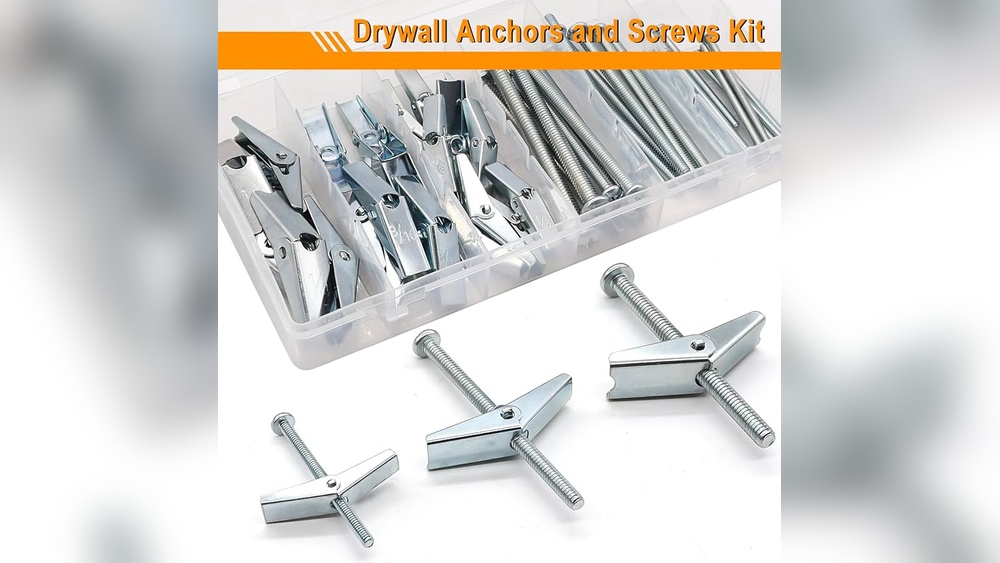
Butterfly anchors hold heavy items like shelves and mirrors. They provide strong support in hollow walls. People use them for hanging pictures, towel racks, and curtain rods. These anchors spread inside the wall, making them secure.
Anchor Appearance
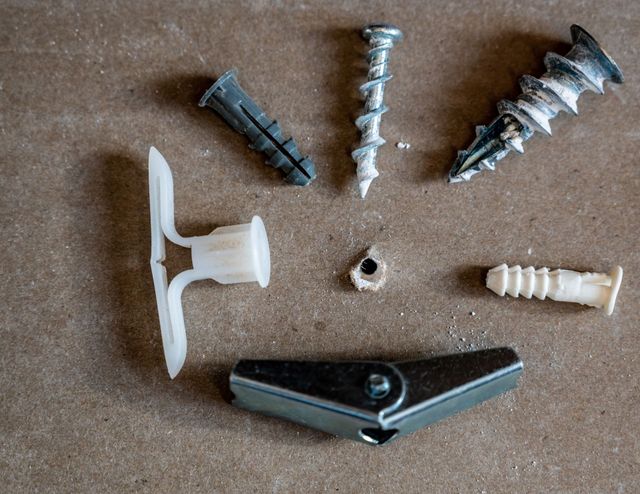
Butterfly anchors look like small metal wings folded flat. They have two metal wings that open inside the wall. The wings spread to grip the wall from behind. Usually, they come with a screw in the center. They are different from plastic anchors, which do not have wings.
Preparing The Area
Preparing the area is the first step to remove butterfly wall anchors safely. It helps avoid damage and keeps the space clean. Taking time to prepare makes the process smooth and stress-free.
Clearing Surrounding Space
Remove furniture and items near the wall. This gives enough room to work freely and prevents accidents. Clear the floor too, so tools and parts don’t get lost. A tidy space helps you focus on the task without distractions.
Protecting Wall Surface
Cover the wall around the anchor with painter’s tape. This shields the paint from scratches or chips. Use a soft cloth or cardboard for extra protection. Keeping the wall safe means less repair work later.

Credit: www.youtube.com
Removal Methods
Removing butterfly wall anchors can be tricky but manageable. Different methods work better for different situations. Choose the right one to avoid wall damage. Here are some simple ways to remove these anchors safely.
Pulling Out With Pliers
Use pliers to grip the anchor’s wings firmly. Pull straight out with steady force. This works well if the anchor is loose. Avoid twisting to prevent wall damage. If it resists, try another method.
Pushing Through The Wall
Push the anchor through the wall cavity. Use a screwdriver or similar tool. This method leaves a hole to patch later. It is useful if pulling fails. Be gentle to avoid cracking the wall.
Drilling Around The Anchor
Drill small holes around the anchor’s edge carefully. This loosens the anchor from the wall. Once loose, remove it with pliers. Use a drill bit smaller than the anchor size. This method suits stubborn anchors tightly fixed.
Handling Stubborn Anchors
Sometimes butterfly wall anchors get stuck deep inside the wall. These anchors can be hard to remove with just your hands or pliers. Handling stubborn anchors requires some extra steps. These methods help loosen or remove anchors without damaging your wall.
Using Lubricants
Lubricants can make the anchor slide out easier. Apply a small amount of oil or WD-40 around the anchor. Let it soak for a few minutes. The lubricant reduces friction between the anchor and the wall. After waiting, try pulling the anchor gently again. Repeat if needed until the anchor loosens.
Applying Heat
Heat softens the plastic or metal of the anchor. Use a hairdryer or heat gun on low heat. Hold it a few inches from the wall near the anchor. Heat for 1 to 2 minutes. Warm anchors expand and become flexible. This helps the anchor come free more easily. Be careful not to burn the wall or your hands.
Cutting The Anchor
If pulling and loosening fail, cutting might help. Use a small hacksaw or a rotary tool with a cutting bit. Cut the anchor flush with the wall surface. This removes the visible part of the anchor. Then push the remaining anchor deep inside the wall cavity. Patch the hole with spackle or putty to hide it.
Repairing The Wall
After removing butterfly wall anchors, the wall often has visible holes and rough spots. Repairing the wall is essential for a smooth and clean finish. This process involves filling holes, sanding the surface, and repainting. Each step helps restore the wall’s appearance and prepares it for new decorations or paint.
Filling Holes
Use a quality wall filler or spackle to fill the holes left by the anchors. Apply the filler with a putty knife, pressing it firmly into the hole. Smooth the surface by spreading the filler evenly beyond the hole’s edge. Allow the filler to dry completely before moving to the next step. Drying time varies, usually between 30 minutes and a few hours.
Sanding And Smoothing
After the filler dries, sand the patched area gently. Use fine-grit sandpaper to avoid damaging the wall. Sand until the surface feels even and blends with the surrounding wall. Wipe away dust with a dry cloth to keep the surface clean. This step ensures the patch is not noticeable once painted.
Repainting Tips
Choose paint that matches your wall color for a seamless repair. Use a small brush or roller to apply paint over the patched area. Apply thin coats and let each dry before adding another. Paint blending at the edges helps hide the repair. Allow the paint to dry fully to achieve a smooth look.
Preventing Future Issues
Removing butterfly wall anchors can be tricky. Preventing future problems starts with good choices and careful work. Using the right anchors and installing them properly helps avoid damage and makes removal easier later.
Choosing The Right Anchors
Select anchors based on the wall type and weight of the item. Use plastic anchors for light items and metal ones for heavier loads. Avoid overloading any anchor. This keeps walls strong and safe.
Proper Installation Techniques
Drill a hole matching the anchor size exactly. Insert the anchor gently without forcing it in. Tighten screws slowly to avoid breaking the anchor. Stop if the anchor feels loose or the wall cracks. Proper installation means less damage and easier removal later.
Frequently Asked Questions
What Tools Do I Need To Remove Butterfly Wall Anchors?
You need a pair of pliers, a screwdriver, and possibly a drill. Pliers help grip and pull out the anchor. A screwdriver or drill removes any screws holding the anchor. These tools ensure safe and efficient removal.
How Can I Safely Extract Butterfly Wall Anchors?
First, unscrew any attached screws. Then, grip the anchor with pliers firmly. Gently pull it straight out without damaging the wall. If it’s stuck, widen the hole slightly or use a drill carefully.
Will Removing Butterfly Anchors Damage My Wall?
If done carefully, minimal damage occurs. Avoid forcing the anchor out. Use proper tools and techniques to prevent wall cracks. You may need to patch small holes afterward for a smooth finish.
Can I Reuse Butterfly Wall Anchors After Removal?
Generally, no. Butterfly anchors expand and deform inside the wall. Removing them often damages their structure. It’s best to use new anchors for reliable support and safety.
Conclusion
Removing butterfly wall anchors can seem tough at first. Use the right tools to make it easier. Start by loosening the anchor carefully with pliers or a screwdriver. Take your time to avoid damaging the wall. Small steps work best for safe removal.
After pulling out the anchor, fill the hole with spackle or putty. Let it dry, then sand it smooth. Now your wall looks neat and ready for new decorations. Simple steps, clear results. You can do this!