Have you ever found yourself locked out, staring at a deadbolt door that just won’t budge? It’s frustrating, stressful, and can make you feel helpless.
But don’t worry—you’re not alone, and there are ways to get back inside without breaking anything or calling a locksmith right away. You’ll discover simple, effective methods to unlock a deadbolt door safely and quickly. Keep reading, because the solution might be easier than you think—and it could save you time, money, and a lot of stress.
Types Of Deadbolt Locks
Deadbolt locks are a key part of home security. They come in different types, each with unique features. Knowing these types helps you understand how to get in a deadbolt door if needed. This section explains the main types of deadbolt locks.
Single Cylinder Deadbolts
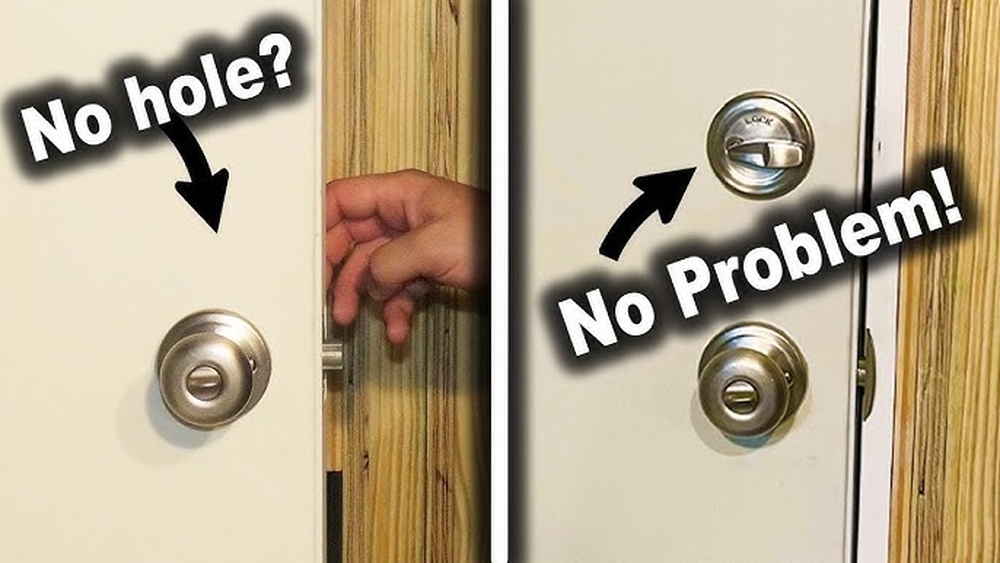
Single cylinder deadbolts have a keyhole on the outside. Inside, they use a thumb turn to lock or unlock. These locks are common on most doors. They are easy to use but can be less secure if there is glass near the door.
Double Cylinder Deadbolts
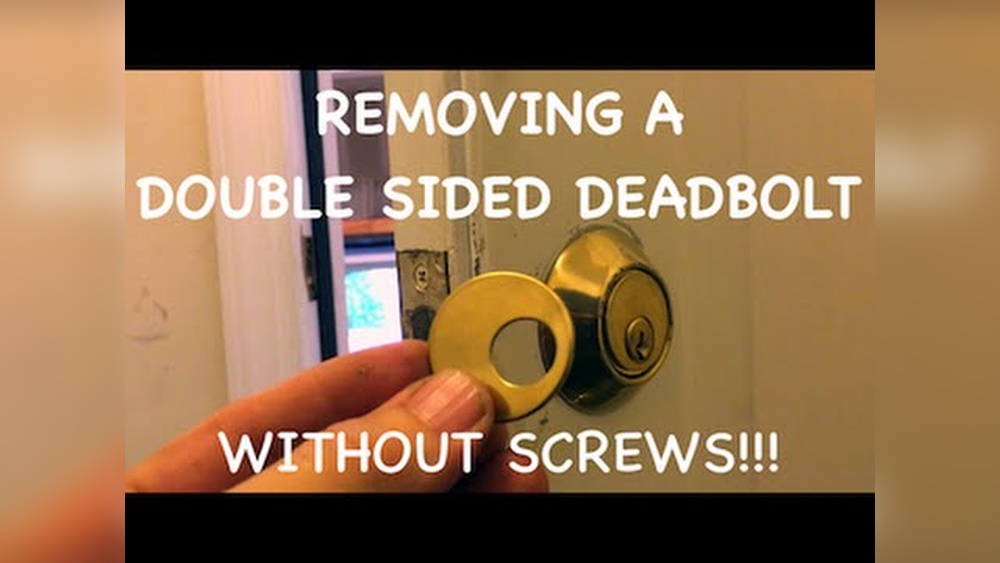
Double cylinder deadbolts need a key on both sides. No thumb turn inside. This design adds security. It stops someone from opening the door by breaking nearby glass. But it can be tricky in emergencies if the key is not handy.
Smart Deadbolts
Smart deadbolts work with technology. They lock and unlock using codes, apps, or fingerprints. No need for a traditional key. These locks offer convenience and can track who enters your home. They need batteries and sometimes Wi-Fi to work well.
Credit: www.reddit.com
Common Reasons For Getting Locked Out
Getting locked out of a door with a deadbolt happens more often than you think. Many people face this problem at least once. Knowing why it happens helps you avoid it or fix it quickly. Some reasons are simple, others need more care. Understanding these common causes saves time and stress.
Lost Or Forgotten Keys
Losing keys is the most common reason for lockouts. Sometimes keys fall from pockets or bags. Other times, people forget where they put them. Without a key, opening a deadbolt is tough. This situation often causes panic and delays.
Broken Lock Mechanisms
Deadbolts can break or jam over time. Rust, dirt, or wear can stop them from working. A broken lock may not turn even with a key. Weather changes can also affect the lock’s parts. Fixing or replacing the lock is necessary in this case.
Misplaced Key Copies
Having spare keys is helpful, but only if you know where they are. Sometimes copies get lost or forgotten too. Giving copies to friends or family without tracking them causes problems. Without a backup key, getting inside becomes difficult.
Tools For Opening Deadbolt Doors
Opening a deadbolt door requires specific tools. These tools help you manipulate the lock mechanism. Understanding their use is key to gaining access safely and legally. Below are common tools used for opening deadbolt doors.
Lock Picks And Tension Wrenches
Lock picks are thin tools made for lifting lock pins. They fit inside the keyhole to move the pins individually. Tension wrenches apply slight pressure to turn the lock cylinder. Used together, they can mimic the action of a key. This method needs patience and practice to succeed.
Bump Keys
Bump keys are specially cut keys designed to fit many locks. They are tapped or “bumped” to force the pins to jump. This action can momentarily free the lock cylinder. Using bump keys requires care and skill to avoid damage. They work best on standard pin tumbler locks.
Credit Cards And Shims
Credit cards or plastic shims can slide between the door and frame. This method tries to push back the latch bolt to open the door. It works only on spring bolt locks, not deadbolts. Deadbolts need more precise tools as they lock deeper.

Credit: level.co
Techniques To Bypass Deadbolts
Deadbolts provide strong security for doors. But sometimes, access is needed without a key. Techniques to bypass deadbolts exist for emergencies or locksmiths. These methods vary in complexity and tools required. Understanding them helps in handling lockout situations safely and smartly.
Lock Picking Basics
Lock picking uses simple tools like picks and tension wrenches. The goal is to lift pins inside the lock to the right height. This mimics the action of a key turning the lock. It needs patience and a steady hand. Beginners start by feeling the pins and applying light pressure.
Bumping Method
The bumping method uses a special key called a bump key. This key fits into the lock and is struck with a small tool. The impact forces the pins to jump, allowing the lock to turn. It works on many pin tumbler locks but requires practice. Bumping can damage the lock if done wrong.
Using A Credit Card
A credit card can slide between the door and frame to push the latch. This works only on spring bolt locks, not on deadbolts. The card bends to push the latch back. It requires some force and a good angle. This method is quick but only works on certain locks.
Drilling The Lock
Drilling destroys the lock cylinder to open the door. It is a last resort when other methods fail. A power drill with a metal bit is used. Drilling damages the lock, so replacement is necessary afterward. This method is noisy and permanent but effective for emergencies.
When To Call A Locksmith
Knowing when to call a locksmith is important for your safety and the security of your home. Trying to open a deadbolt door without the right tools or skills can cause damage. Sometimes, only a professional can solve the problem quickly and safely. Here are key points to help you decide when to get expert help.
Signs You Need Professional Help
Your key breaks inside the lock. The deadbolt sticks or won’t turn. The lock is old and rusty. You lost your keys and need access soon. The door frame is damaged and the lock won’t work properly. These signs show you need a locksmith’s help.
Avoiding Damage To Your Door
Trying to force the deadbolt open can break the lock or door. Using the wrong tools can leave scratches or dents. A locksmith has special tools to open the door without damage. Calling a pro saves money on repairs later.
Finding A Reliable Locksmith
Choose a locksmith with good reviews and proper licensing. Ask for a clear price estimate before work starts. Check if they offer emergency services. A trustworthy locksmith will explain the process and answer your questions. This ensures you get safe and fair service.

Credit: www.thededicatedhouse.com
Preventing Future Lockouts
Getting locked out of your home can cause stress and delay your plans. Taking steps to prevent future lockouts saves time and worry. Simple actions today can keep you from facing a locked door tomorrow.
Spare Keys Strategies
Keep spare keys in safe, accessible places outside your home. Give trusted friends or family members a spare key. Avoid hiding keys in obvious spots like under mats or flower pots. Use a secure lockbox with a code to store a spare key safely. These strategies ensure quick access without damaging your door.
Installing Smart Locks
Smart locks offer keyless entry options. Use codes or smartphone apps to enter your home. Some models allow temporary access for visitors or service workers. Smart locks reduce the chance of losing physical keys. They add convenience and improve home security at the same time.
Routine Lock Maintenance
Check your deadbolt regularly for signs of wear or damage. Lubricate the lock with graphite or a lock-specific lubricant. Avoid using oil-based products that attract dust and dirt. Test the lock often to ensure it works smoothly. Proper maintenance prevents lock jams and sudden failures.
Frequently Asked Questions
How Can I Unlock A Deadbolt Door Without A Key?
You can try using a bump key, lock pick set, or credit card. Always ensure you have legal permission before attempting to unlock any door.
What Tools Are Needed To Get Into A Deadbolt Lock?
Common tools include lock picks, tension wrenches, bump keys, and sometimes a screwdriver. Proper knowledge is essential for safe and legal use.
Is It Legal To Pick A Deadbolt Lock?
Picking a lock without permission is illegal and considered breaking and entering. Always get authorization or contact a locksmith for help.
How Long Does It Take To Open A Deadbolt Lock?
With the right tools and skills, it can take a few minutes. Inexperienced attempts may take longer or damage the lock.
Conclusion
Getting into a deadbolt door takes patience and the right steps. Start by knowing the lock type and tools needed. Always try simple methods first before moving to complex ones. Practice safety and respect others’ property. With careful effort, you can handle most deadbolt locks.
Remember, learning these skills helps in emergencies or lost keys. Stay calm and work slowly for the best results. Keep practicing to improve your technique over time.