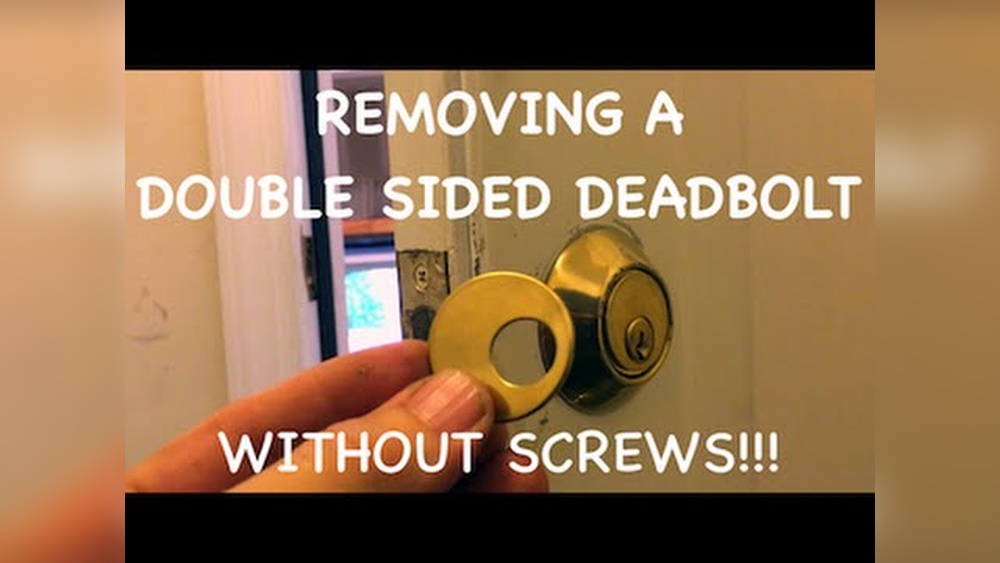
Have you ever faced the frustration of trying to remove a deadbolt, only to find there are no visible screws? It can feel like a puzzle with no clear solution.
But don’t worry—removing a deadbolt without screws is possible, and you don’t need to be a locksmith to do it. In this guide, you’ll discover simple, step-by-step methods that anyone can follow. By the end, you’ll have the confidence to tackle this task quickly and easily.
Keep reading, because the answer you’ve been searching for is right here.
Tools Needed
Removing a deadbolt without screws requires specific tools. These tools help you handle the lock carefully and safely. Having the right tools makes the job easier and faster.
Below are the main tools you need to remove a deadbolt without screws.
Flathead Screwdriver
A flathead screwdriver helps to pry open parts of the deadbolt. It fits into small gaps and lifts components gently. This tool is useful for loosening the lock’s faceplate.
Putty Knife
A putty knife slides between the door and lock. It works like a thin wedge to separate stuck parts. This tool helps avoid damage to the door surface.
Paperclip Or Small Wire
A straightened paperclip or small wire reaches inside the lock. It can press hidden release buttons or pins. This tool is perfect for locks without visible screws.
Needle-nose Pliers
Needle-nose pliers grip small parts inside the lock. They pull out clips or pins carefully. This tool provides strong control in tight spaces.
Rubber Mallet
A rubber mallet taps parts without causing damage. It helps loosen stuck pieces gently. This tool avoids scratches and dents on the door.
Assessing The Deadbolt
Assessing the deadbolt is the first step to remove it without screws. You must understand its design and how it holds in place. This helps avoid damage and makes removal easier. Start by looking closely at the deadbolt and its parts.
Identifying Deadbolt Type
Deadbolts come in different types. Some have visible screws, while others hide them well. Some use a twist or a clip to hold the lock together. Knowing your deadbolt type helps find the right way to remove it. Look for key features like the shape of the lock and how it fits into the door.
Checking For Hidden Fasteners
Not all fasteners are easy to see. Some deadbolts hide screws under covers or plates. These covers may snap off or slide away. Other locks use small pins or clips instead of screws. Use a flashlight to check inside the edges and behind the lock. This can reveal hidden parts that keep the deadbolt fixed.
Removing The Exterior Plate
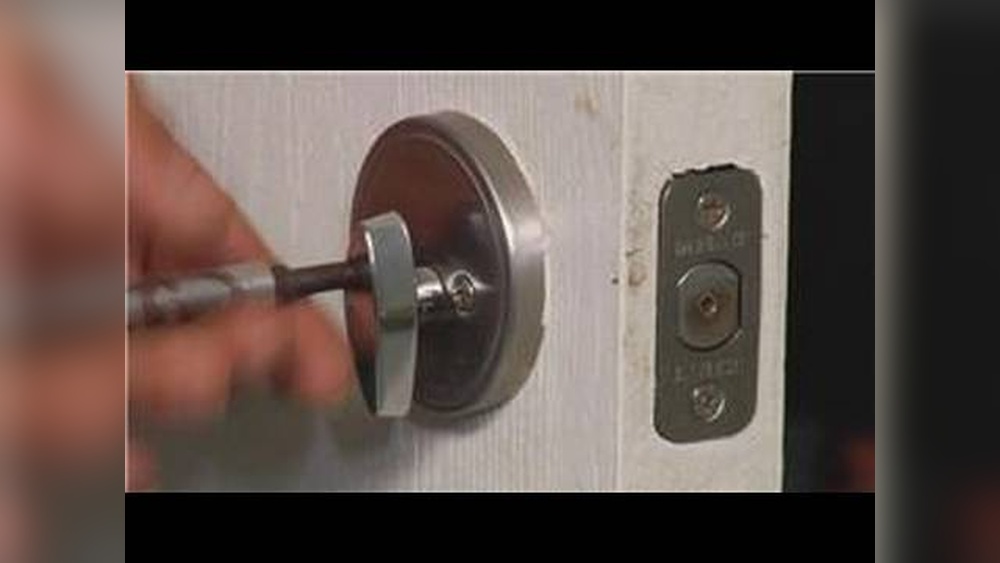
Removing the exterior plate of a deadbolt without screws can seem tricky. This plate covers the locking mechanism and holds the deadbolt in place. Gently removing it helps access the internal parts. You need patience and the right tools. Two common tools work well: a credit card and a flathead screwdriver.
Using A Credit Card
Take a sturdy credit card or a similar plastic card. Slide the card between the door frame and the deadbolt plate. Push the card firmly but carefully to avoid bending it. Wiggle the card up and down to loosen the plate. The card should slip behind the plate and release the catch. This method works best with plastic or thin metal cards. Keep the card steady while you pull the plate away.
Applying A Flathead Screwdriver
Use a flathead screwdriver with a thin blade. Insert the blade gently between the door and the deadbolt plate. Twist the screwdriver slightly to create space. Work around the edges to loosen the plate. Be careful not to scratch the door surface. Once the plate is loose, pull it off by hand. This tool gives better control and helps if the plate is tight.
Detaching The Interior Mechanism
Detaching the interior mechanism is the key step in removing a deadbolt without screws. This part of the lock hides inside the door and controls the bolt’s movement. Removing it lets you access the bolt and take it out smoothly.
Handle the interior mechanism carefully to avoid damage. Knowing where to find clips or tabs makes removal easier. These small parts hold the mechanism in place.
Locating Clip Or Locking Tab
Look closely at the edge of the interior mechanism. You will find a small clip or locking tab. This piece keeps the mechanism fixed inside the door. It may be hidden under a cover or near the bolt.
Use a flashlight for better visibility. Gently feel around the mechanism’s side with your fingers. The clip may be a plastic or metal piece that snaps into place.
Releasing The Deadbolt
Once you find the clip or tab, press or slide it carefully. This action unlocks the interior mechanism. Avoid using too much force to prevent breaking the clip.
After releasing the clip, pull the interior mechanism straight out. It should slide out smoothly. If it feels stuck, check for other hidden clips or tabs. Removing this part exposes the deadbolt for easy removal.
Extracting The Deadbolt
Extracting the deadbolt without screws can seem tricky at first. The deadbolt locks your door, so it fits tightly and feels secure. Removing it requires patience and the right steps. This section explains how to carefully take the deadbolt out. Follow the steps to avoid damage and make the process smooth.
Sliding Out The Bolt
Start by locating the bolt inside the door edge. It is the part that moves in and out when you turn the lock. Push or pull the bolt gently to slide it out. Use a flat tool like a screwdriver or a putty knife to help nudge it. Work slowly to avoid breaking the bolt or the door.
Handling Stuck Components
Sometimes, the bolt or other parts get stuck. Rust, dirt, or old paint may cause this. Spray a little lubricant on the bolt and the lock area. Let it sit for a few minutes to loosen the parts. Tap gently with a small hammer to free stuck pieces. Avoid using too much force that could damage the lock or door.

Credit: diy.stackexchange.com
Tips For Difficult Deadbolts
Removing a deadbolt without screws can be tricky, especially with tough or old locks. Some deadbolts resist easy removal due to rust, paint, or tight fitting parts. Using the right methods helps avoid damage to your door and lock. These tips focus on handling difficult deadbolts safely and effectively.
Using Lubricants
Lubricants help loosen stuck parts inside a deadbolt. Spray a small amount of WD-40 or graphite lubricant around the keyhole and edges. Let it sit for a few minutes. This reduces friction and makes it easier to move parts inside. Avoid oil-based lubricants that attract dust and dirt. Use a cloth to wipe away excess spray. Repeat if needed, but don’t overdo it. Lubricants improve your chances of removing the deadbolt smoothly.
Employing Pry Tools Safely
Pry tools can help remove deadbolts without screws, but use them carefully. Choose a flat tool like a putty knife or a thin pry bar. Insert the tool gently between the deadbolt and door frame. Apply slow, steady pressure to avoid bending or breaking the door. Protect the door surface with a cloth or tape to prevent scratches. Work around the deadbolt in small movements. Patience avoids damage and makes removal easier.
Replacing Or Repairing The Lock
Replacing or repairing a deadbolt without screws can seem tricky. Many deadbolts use hidden or special fasteners. Removing these locks requires patience and care. After removal, you may want to replace or fix the lock. Choosing the right new deadbolt or following proper reinstallation steps is key. This ensures your door stays secure and works smoothly.
Choosing A New Deadbolt
Pick a deadbolt that fits your door’s thickness. Check the lock’s backset distance for proper fit. Choose a lock with a simple installation method. Look for models with visible screws for easy future removal. Consider the lock’s finish to match your door hardware. Select a deadbolt with good security ratings. Avoid complicated locks that require special tools.
Reinstallation Steps
Start by aligning the new deadbolt on the door. Insert the bolt into the edge of the door first. Hold the lock body firmly against the door surface. Attach the lock using screws or the included fasteners. Tighten screws evenly to avoid misalignment. Test the lock by turning the key or thumb turn. Make sure the bolt slides smoothly into the strike plate. Adjust strike plate if the bolt does not fit well. Double-check all parts are secure and function properly.

Credit: diy.stackexchange.com

Credit: www.youtube.com
Frequently Asked Questions
How Can I Remove A Deadbolt Without Visible Screws?
To remove a deadbolt without visible screws, look for a hidden release slot or a small pinhole on the faceplate. Use a thin tool or pin to press inside, which releases the lock mechanism. Then, gently pull the lock apart from the door.
What Tools Are Needed To Remove A Deadbolt Without Screws?
You typically need a flathead screwdriver, a thin pin or paperclip, and possibly a pry tool. These help access hidden release points and gently detach the deadbolt from the door without causing damage.
Can I Remove A Deadbolt Without Damaging The Door?
Yes, by carefully locating the hidden release mechanism and using proper tools, you can remove a deadbolt without damaging the door or lock components. Avoid forcing or prying hard to protect the door surface.
Why Are Some Deadbolts Installed Without Visible Screws?
Manufacturers design some deadbolts without visible screws for aesthetic appeal and added security. This design hides screws to prevent tampering and gives the door a cleaner, more streamlined look.
Conclusion
Removing a deadbolt without screws can seem tricky at first. Small tools like a flathead screwdriver or a credit card often help. Gently prying and twisting can loosen the lock. Take your time to avoid damage. Understanding the lock’s parts makes the job easier.
With patience, you can remove the deadbolt safely. This simple skill saves time and frustration. Try these steps carefully for best results.