Are you looking to hang shelves, pictures, or heavy items on a brick or cinder block wall but don’t know where to start? Getting the right anchor is key to making sure your items stay secure and your wall stays intact.
In this guide, you’ll discover simple, step-by-step methods to anchor safely and strongly. Whether you’re a DIY beginner or just need a quick refresher, you’ll find easy tips that save time and prevent costly mistakes. Keep reading to learn how to make your wall work for you—strong, steady, and hassle-free.
Credit: www.youtube.com
Choosing The Right Anchors
Choosing the right anchors is key for a strong hold in brick or cinder block walls. Different walls need different anchors. Picking the wrong one can cause damage or weak support.
Consider the wall type and the weight of the item you want to hang. The anchor must match both. The right anchor keeps your item safe and the wall intact.
Types Of Anchors For Brick And Cinder Block
Plastic anchors work well for light loads. They expand inside the hole for grip. Use them for small shelves or pictures.
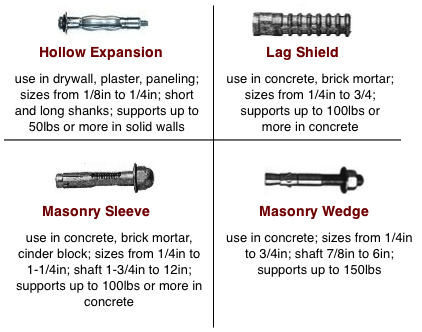
Metal anchors offer stronger support. Sleeve anchors and wedge anchors fit tightly and hold heavy items. They are good for mounting TVs or heavy tools.
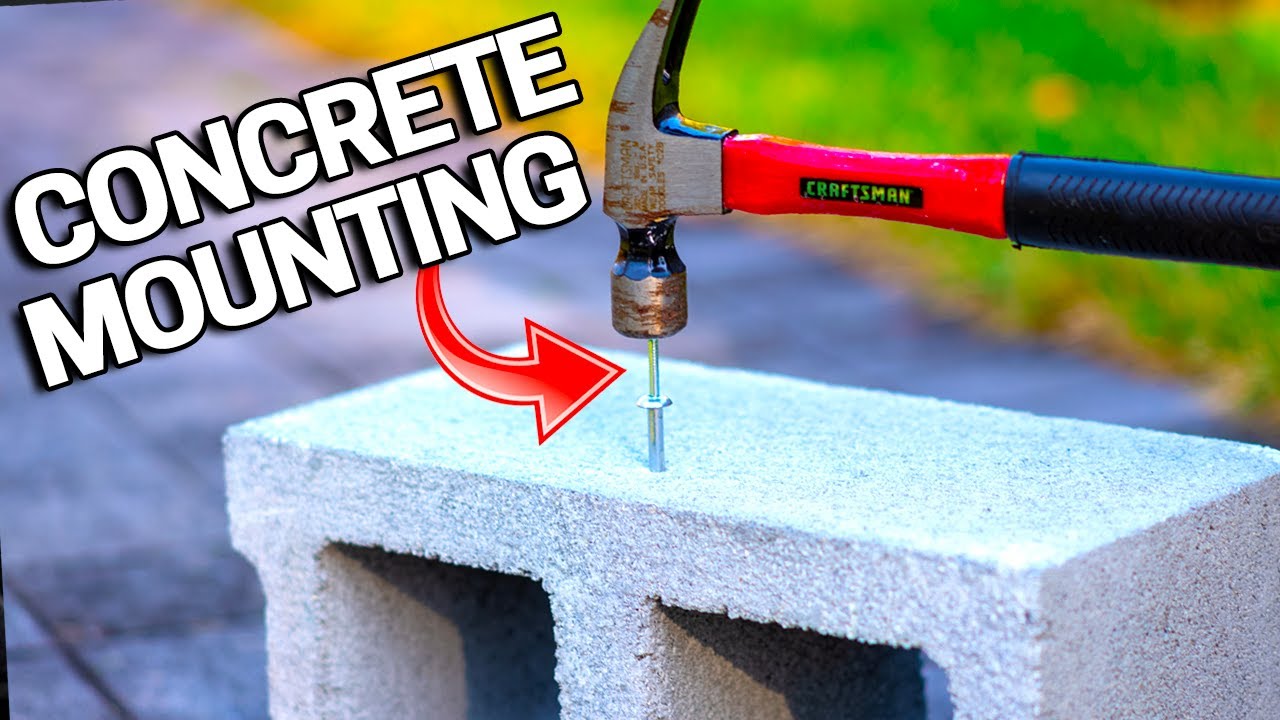
Tapcon screws drill directly into the brick or block. These are great for medium-weight tasks and offer a secure fit without extra parts.
Materials And Weight Considerations
Bricks are harder and denser than cinder blocks. Choose anchors made for the specific material. Some anchors work better in solid brick, others in hollow blocks.
Heavy items need anchors that can carry the load safely. Check the weight rating on the anchor package. Always pick one with a higher rating than your item’s weight.
For lighter items, simple plastic anchors are enough. For heavier loads, use metal anchors or tapcon screws. This prevents damage to the wall and ensures safety.
Tools You Will Need
Anchoring to a brick or cinder block wall requires the right tools for a strong hold. Using proper tools ensures safety and precision. Below are the key tools you need for the job.
Drills And Bits
A power drill is essential for making holes in brick or cinder block. Choose a hammer drill for harder walls to drill faster and easier. Use masonry drill bits designed for brick and concrete. These bits have a special tip to cut through tough surfaces without breaking. Have multiple bit sizes ready to match your anchor size.
Safety Gear
Protect yourself with safety gear before drilling. Wear safety glasses to shield your eyes from dust and debris. Use a dust mask to avoid breathing in small particles. Gloves help protect your hands from rough surfaces and sharp tools. Ear protection is important if you use a loud hammer drill.
Preparing The Wall Surface
Preparing the wall surface is a key step before anchoring to a brick or cinder block wall. The wall must be clean and solid for the anchor to hold well. A dirty or weak surface can cause the anchor to fail. This section covers how to clean the wall and find the best spots for anchoring.
Cleaning The Area
Start by removing dirt and loose debris from the wall. Use a wire brush to scrub the surface gently. Dust and loose particles can stop the anchor from gripping firmly. For tough stains or grease, use a mild detergent mixed with water. Rinse the area with clean water and let it dry completely. A clean surface ensures better contact and stronger hold for the anchor.
Locating Solid Sections
Not all parts of the wall are strong enough for anchors. Avoid areas with cracks or crumbling mortar. Check for solid bricks or blocks that feel firm to the touch. Use a hammer to tap lightly and listen for a clear, solid sound. Hollow or weak spots will sound dull or hollow. Mark the solid sections as the best spots to drill and anchor securely.

Credit: dmc-nordic.com
Drilling Into Brick Or Cinder Block
Drilling into brick or cinder block requires care and the right tools. These materials are hard and can crack if drilled incorrectly. Proper drilling helps secure anchors firmly. It also prevents damage to the wall. Follow these steps to drill clean, accurate holes.
Marking Drill Points
Start by marking where you want to drill. Use a pencil or chalk for clear marks. Measure carefully to ensure the holes are level. Check the marks twice before drilling. Marking helps avoid mistakes and keeps your work neat.
Drilling Techniques
Use a hammer drill with a masonry bit for best results. Set the drill to hammer mode to break through the material easily. Drill slowly at first to make a small guide hole. Keep the drill straight to avoid angled holes. Remove dust from the hole often for better grip. Stop drilling at the right depth for your anchor size.
Installing Different Types Of Anchors
Installing anchors in brick or cinder block walls requires choosing the right type. Each anchor works differently and suits various wall materials and weights. Understanding how to install each anchor helps ensure a strong hold and safe mounting.
Expansion Anchors
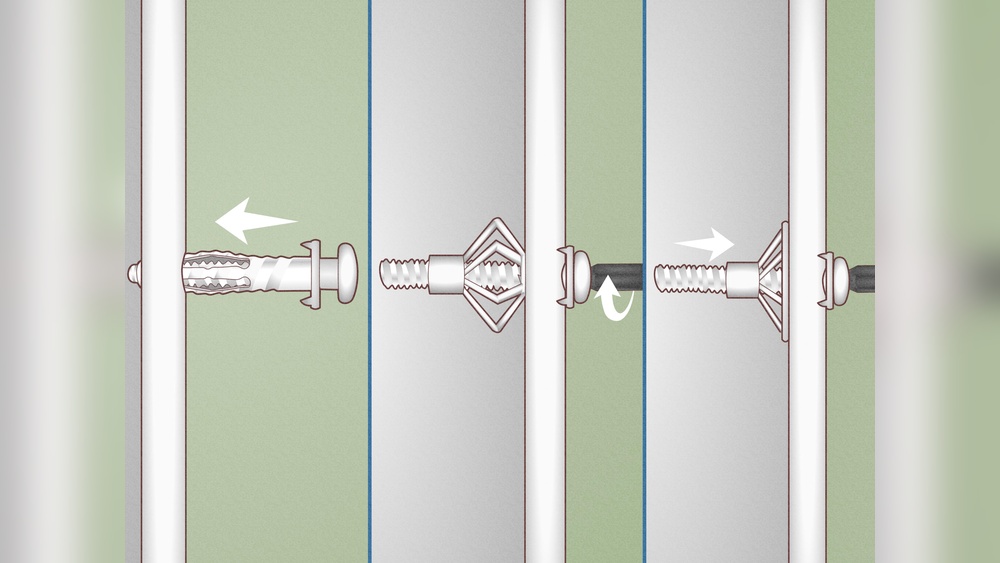
Expansion anchors are common for light to medium loads. Drill a hole slightly smaller than the anchor size. Insert the anchor into the hole until flush with the wall. Tighten the screw to expand the anchor. This expansion grips the inside of the hole firmly. Expansion anchors work well in solid brick but less so in hollow blocks.
Sleeve Anchors
Sleeve anchors suit heavier loads and both solid and hollow walls. Drill a hole matching the anchor diameter. Push the sleeve anchor into the hole. As you tighten the bolt, the sleeve expands outward. This expansion locks the anchor inside the wall. Sleeve anchors provide strong, reliable support for shelves and fixtures.
Toggle Bolts
Toggle bolts offer excellent support in hollow cinder blocks. Drill a hole larger than the toggle wings. Insert the toggle bolt folded against the bolt. Once inside the cavity, the wings open wide. Pull the bolt gently to lock the wings against the wall’s inside. Tighten the bolt to secure the fixture firmly. Toggle bolts hold heavier items on hollow walls.
Securing Fixtures Safely
Securing fixtures safely to brick or cinder block walls requires care and the right technique. The goal is to hold the fixture firmly without harming the wall. Strong anchors and proper tools help achieve a secure hold. Safety comes first, so avoid mistakes that cause wall damage or weak holds.
Proper Tightening Methods
Use the correct tools to tighten anchors. Over-tightening can crack the wall or strip the anchor. Tighten until the fixture feels firm but do not force it. Use a screwdriver or drill with a clutch setting to control torque. Check the fixture’s stability after tightening. If it moves, adjust the anchor or try a larger size.
Avoiding Wall Damage
Drill holes at the right size for anchors. Too large holes reduce grip; too small holes risk cracking. Use a masonry bit for clean, precise holes. Avoid hammering anchors in with force. Gently tap them to avoid wall stress. Inspect the wall for cracks before starting. Stop immediately if the wall shows damage during work.
Common Mistakes To Avoid
Anchoring to brick or cinder block walls requires care and attention. Many people make common mistakes that weaken the hold or damage the wall. Avoiding these errors improves safety and saves time. Understanding these pitfalls helps you do the job right the first time.
Wrong Anchor Selection
Choosing the wrong anchor can cause the fixture to fall. Not all anchors work with brick or cinder block. Use anchors made for masonry materials only. Avoid plastic anchors designed for drywall or wood. Check the weight limit of your anchor before buying. Stronger anchors mean better hold and less risk of failure.
Improper Drilling
Drilling holes incorrectly can crack the wall or make the hole too big. Use a hammer drill with a masonry bit for best results. Drill straight and avoid angling the bit. Drill to the right depth, not too shallow or deep. Clear dust from the hole before inserting the anchor. This ensures a tight fit and stronger grip.
Maintenance And Inspection Tips
Maintaining and inspecting anchors in brick or cinder block walls ensures safety and durability. Regular care helps spot problems early. This prevents accidents and costly repairs. Simple checks keep your anchors strong and reliable.
Regular Checkups
Perform checkups every few months. Look closely at the anchor points and surrounding wall. Check for loose bolts or screws. Tighten any that feel weak. Use a flashlight to see cracks or gaps clearly. Clean dirt and debris from the anchor area. This keeps the anchor working well.
Signs Of Wear Or Damage
Watch for rust on metal anchors. Rust weakens the anchor and can cause failure. Look for cracks in the brick or cinder blocks. Cracks near anchors show stress and damage. Notice if anchors move or shift when touched. Movement means the anchor is not secure. Remove and replace damaged anchors quickly. Early action keeps structures safe and strong.
Credit: yourpghlawyer.com
Frequently Asked Questions
What Tools Do I Need To Anchor To Brick Or Cinder Block?
You need a hammer drill, masonry bit, anchors, screws, a screwdriver, and safety gear. These tools ensure proper drilling and secure anchoring in brick or cinder block walls.
How Do I Choose The Right Anchor For Brick Walls?
Select anchors based on wall type and load weight. Expansion anchors suit solid bricks, while sleeve anchors work well for cinder blocks. Always check anchor specifications for safety.
Can I Anchor Heavy Objects To Cinder Block Walls?
Yes, but use heavy-duty anchors like sleeve or wedge anchors. Ensure blocks are solid and avoid hollow areas for maximum support and safety.
How Deep Should I Drill Holes In Brick Walls?
Drill holes at least 1 inch deeper than the anchor length. This ensures the anchor fits securely and holds the load properly.
Conclusion
Anchoring to a brick or cinder block wall needs care and the right tools. Follow the steps carefully to ensure a strong hold. Choose the right anchors for your wall type. Drill holes with the correct size and depth. Tighten anchors without cracking the wall.
Take your time and work safely. A well-anchored item stays secure and lasts longer. Simple steps make a big difference. Now, you can confidently anchor to brick or cinder block walls. Give your project the support it needs!