Have you ever faced the frustrating moment when your deadbolt lock just won’t turn because it’s frozen? It can leave you feeling stuck and worried about getting inside your home quickly.
But don’t panic—there are simple, effective ways to unfreeze your deadbolt lock without calling a locksmith. You’ll discover easy steps and practical tips that anyone can follow to get your lock working smoothly again. Keep reading, and you’ll be back inside in no time.

Credit: www.youtube.com
Causes Of A Frozen Deadbolt
Frozen deadbolts can be a real hassle, especially on cold mornings. Understanding why your deadbolt freezes helps prevent damage and saves time. Several factors cause deadbolts to freeze, affecting their function and your security.
Weather Impact On Locks
Cold weather causes moisture in the lock to freeze. Ice forms inside the lock cylinder, blocking the key from turning. Snow and rain also add moisture, increasing the chance of freezing. Sudden drops in temperature make locks more vulnerable. Metal contracts in cold, tightening the lock parts. This makes it harder for the key to move smoothly.
Common Lock Issues
Dirt and rust buildup inside the lock can cause sticking. Lack of lubrication makes the lock dry and stiff. Old locks with worn parts struggle in cold weather. Keys bent or damaged can worsen the problem. Using the wrong key may jam the lock further. These issues combined with cold increase freeze risk.
Tools Needed For Unfreezing
To unfreeze a deadbolt lock, having the right tools is important. The tools help melt the ice and let the lock move smoothly. Some tools are common household items. Others are made just for locks. Knowing what to use makes the job easier and faster.
Household Items
Simple things found at home can help unfreeze a deadbolt. A hairdryer works well. It blows warm air that melts ice inside the lock. Warm water can also help, but use it carefully. Avoid soaking the lock; just a little warmth is enough. Rubbing alcohol is another option. It melts ice quickly and dries fast. A small brush or cloth can clean away moisture after thawing. These common items do not cost extra and are easy to find.
Specialized Lock Products
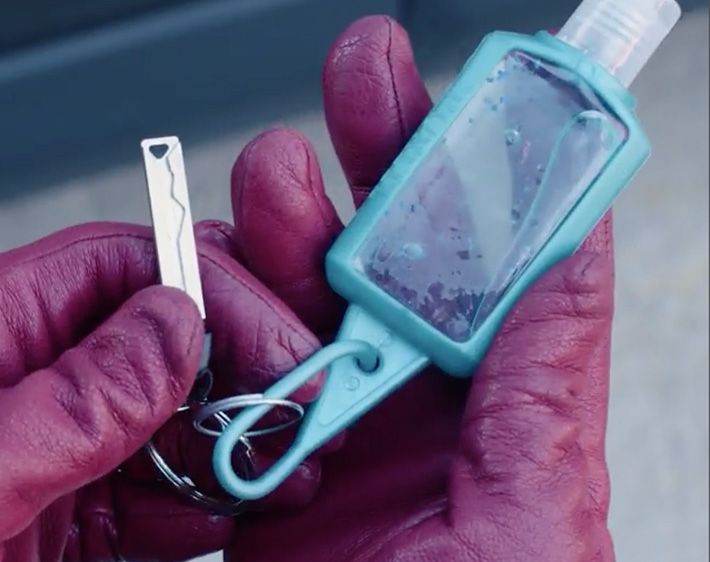
Products made for locks can unfreeze deadbolts safely. Lock de-icer is a spray designed to melt ice fast. It reaches deep inside the lock and stops refreezing. Graphite powder is a dry lubricant that can help locks move better after ice melts. These products protect the lock from damage. They are easy to carry and use in cold weather. Using specialized products can save time and protect your lock.
Step-by-step Unfreezing Methods
Frozen deadbolt locks can be frustrating, especially on cold mornings. Knowing how to unfreeze them quickly saves time and stress. This section covers easy step-by-step methods to thaw your lock safely and effectively.
Using Heat Safely
Apply gentle heat to the lock to melt the ice inside. Use a hairdryer on low heat or warm water in a cloth. Avoid direct flames or high heat to prevent damage. Heat the key before inserting it to help ease the lock mechanism. Move slowly and test the lock often to avoid forcing it.
Applying Lubricants
Use a graphite or silicone-based lubricant designed for locks. Spray or apply a small amount directly into the keyhole. Lubricants help melt ice and make turning the key smoother. Avoid oil-based products that can attract dirt and cause more problems. Repeat the process if the lock remains stiff.
Alternative Quick Fixes
Try using hand warmers near the lock for gentle heat. Rubbing alcohol can help melt ice quickly; apply with a dropper or cloth. Keep a spare key inside to avoid freezing issues. Always handle the lock gently to avoid breaking the key or lock parts.
Credit: www.firestonecompleteautocare.com
Preventing Future Freezes
Preventing your deadbolt lock from freezing saves time and stress. Cold weather often causes locks to jam or freeze. Taking steps to protect your lock helps keep it working well. Small actions can stop ice buildup and keep the lock smooth. Follow easy tips to maintain your lock and avoid future freezes.
Regular Maintenance Tips
Check your lock often, especially before winter starts. Clean dirt and dust from the lock with a soft cloth. Dirt can trap moisture and cause freezing. Apply a graphite-based lubricant to the keyhole. It helps the lock work smoothly without attracting water. Avoid using oil-based lubricants; they can gum up the lock. Regular care keeps the lock ready for cold days.
Weatherproofing Locks
Use a lock cover or weatherproof shield to protect your deadbolt. These covers stop rain, snow, and ice from reaching the lock. Seal gaps around the lock with weather-resistant caulk. This keeps cold air and moisture out. Installing a door sweep or draft stopper also helps. These simple steps block harsh weather from harming your lock.
When To Call A Locksmith
Knowing when to call a locksmith is important if your deadbolt lock freezes. Some problems are easy to fix at home. Others need a professional touch to avoid damage or getting stuck outside. Recognizing the right time to seek help saves time and stress.
Signs Of Serious Damage
Broken key inside the lock is a clear sign of trouble. If the lock cylinder turns but the bolt does not move, something is wrong. Rust or corrosion can cause permanent damage. Cracks on the lock body or keyhole mean you need expert help. If your lock jams repeatedly, it is unsafe to try more DIY fixes.
Professional Assistance Options
Locksmiths have tools to thaw frozen locks safely. They can replace damaged parts quickly. Some locksmiths offer emergency services for locked-out situations. Calling a pro prevents further damage and keeps your home secure. Choose a licensed locksmith with good reviews for the best service.

Credit: diyprojects.com
Frequently Asked Questions
How Can I Quickly Unfreeze A Deadbolt Lock?
You can quickly unfreeze a deadbolt lock by applying heat. Use a hairdryer or warm water to gently thaw the lock. Avoid using excessive force to prevent damage. Lubricate the lock afterward to keep it smooth and prevent refreezing.
What Household Items Help Unfreeze A Deadbolt Lock?
Household items like a hairdryer, warm water, or rubbing alcohol can help. Heat melts the ice inside the lock, while alcohol evaporates quickly. Applying these safely will unfreeze the lock without causing damage. Always dry and lubricate the lock afterward.
Can Wd-40 Unfreeze A Frozen Deadbolt Lock?
Yes, WD-40 can help unfreeze a deadbolt lock. It displaces moisture and lubricates internal parts. Spray a small amount into the keyhole, then gently work the key in and out. This prevents rust and keeps the lock functioning smoothly.
Why Does My Deadbolt Lock Freeze In Winter?
Deadbolt locks freeze due to moisture inside the mechanism. Cold temperatures turn this moisture into ice, causing the lock to jam. Prevent freezing by lubricating the lock regularly and protecting it from rain or snow. Sealing gaps can also reduce moisture buildup.
Conclusion
Freezing deadbolt locks can cause real trouble at home. Try simple steps like warming the lock or using lubricant. Avoid forcing the key to prevent damage. Regular maintenance helps keep locks working smoothly. Stay calm and patient during the process.
These tips can save time and frustration. Keep your lock ready for cold days ahead. Easy care makes your home safer and stress-free.