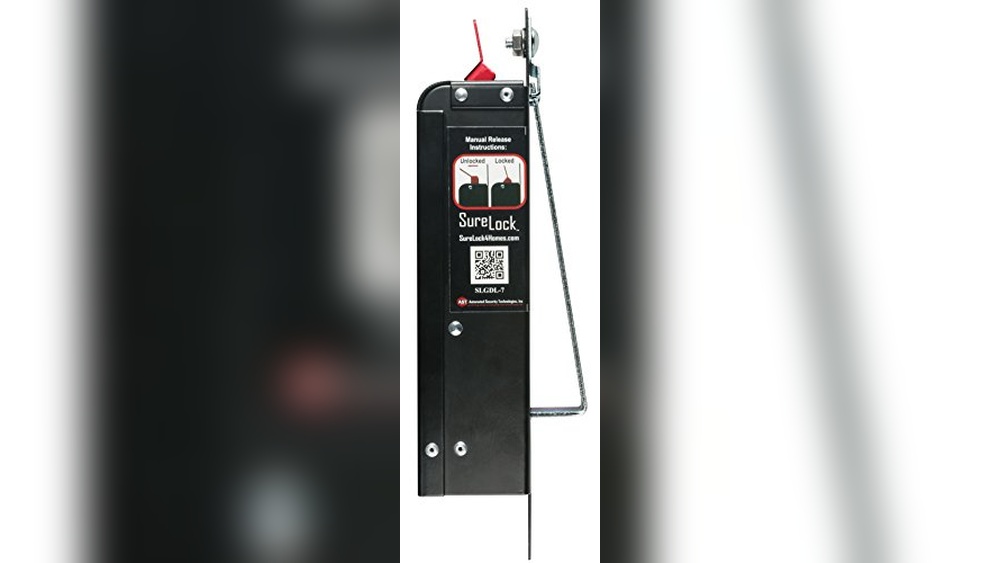
Have you ever worried about your child getting locked inside or outside because of a deadbolt? Keeping your little ones safe at home is your top priority, and deadbolts can be tricky when it comes to childproofing.
But don’t worry—protecting your family doesn’t have to be complicated. You’ll discover simple and effective ways to childproof your deadbolt, so you can feel confident your child stays safe without sacrificing your home’s security. Keep reading to learn how easy it can be to make your doors both secure and kid-friendly.
Why Childproof Deadbolts Matter
Childproofing deadbolts is important for every home with young children. Toddlers are curious and like to explore. They might try to open doors without understanding the risks.
Deadbolts keep homes safe from intruders. But they can also trap children inside or outside. This can cause panic and danger. Childproof deadbolts help avoid these problems. They keep kids safe and give parents peace of mind.
Preventing Accidental Lock-ins
Children can accidentally lock themselves in rooms. This can cause fear and distress. Childproof deadbolts stop kids from locking doors by themselves. They make sure children can’t get trapped.
Enhancing Home Security
Deadbolts protect homes from intruders. Childproof features keep locks secure. They prevent children from unlocking doors and wandering outside. This keeps kids safe from unknown dangers outside.
Reducing Emergency Risks
Locked doors can stop quick exits during emergencies. Childproof deadbolts allow adults to lock doors securely. But they also let kids open doors if needed. This reduces risks during fires or other emergencies.

Credit: www.amazon.com
Common Risks With Deadbolts
Deadbolts keep homes safe but can pose risks for children. Kids may get locked inside or hurt trying to open the lock. Understanding these risks helps protect young ones and avoid accidents.
Risk Of Locking In
Children can accidentally lock themselves inside a room. This causes panic and can lead to injury. Deadbolts often need a key or twisting knob to open. Small kids may not know how to unlock the door.
Pinching And Finger Injuries
Deadbolt parts can pinch little fingers. Kids may try to twist or pull the lock. This can cause cuts or bruises. Locks with sharp edges increase this danger.
Choking Hazards From Small Parts
Some deadbolts have small screws or pieces. These parts can come loose over time. Children might put them in their mouths. This creates a choking risk.
Difficulty In Emergency Exit
Deadbolts may slow down quick escapes. Kids might struggle to open the lock fast. This is dangerous during fires or emergencies. Easy exit options should be considered for safety.
Choosing Childproof Deadbolt Covers
Childproof deadbolt covers help keep little hands safe. They block access to the lock. This stops children from opening doors by themselves.
Choosing the right cover is important. It should be easy for adults to use but hard for kids. The cover must fit your deadbolt well. A loose cover will not protect your child.
Material And Durability
Look for covers made from strong plastic or silicone. These materials last long and resist damage. They also protect the lock from dirt and wear.
Ease Of Use For Adults
Choose covers with simple locking systems for adults. Twist or snap designs work well. They allow quick access during emergencies.
Child-resistant Design
Select covers with tricky mechanisms for children. Sliding or two-step locks confuse young ones. This prevents accidental door openings.
Size And Compatibility
Check the size of your deadbolt before buying. Many covers fit standard sizes. Measure your lock to avoid poor fits.
Installation Process
Pick covers that install easily without tools. Simple installation means no damage to the door. It also lets you remove the cover when needed.
Installing Deadbolt Safety Devices
Childproofing a deadbolt keeps children safe by adding covers or locks they cannot open. These devices stop little hands from unlocking doors. Installing them is quick and helps prevent accidents at home.
Choosing The Right Deadbolt Safety Device
Start by selecting a device made for childproofing deadbolts. Look for products that block the thumb turn or cover the lock. These devices stop children from turning the deadbolt easily. Choose a design that fits your door’s size and style. Simple devices with few parts work best for safety and ease of use.
Tools Needed For Installation
Gather basic tools before installation. Most devices require a screwdriver and sometimes a drill. Check the instructions to confirm what you need. Prepare a clean workspace near the door. Having the right tools ready makes the process smooth and fast.
Step-by-step Installation Guide
Start by removing any existing lock cover or hardware. Align the childproof device over the deadbolt thumb turn. Secure it tightly using screws or adhesive, based on the device type. Test the device by trying to turn the deadbolt. Make sure adults can still unlock the door easily.
Testing And Adjusting The Device
Check if the device blocks the deadbolt fully. Ask another adult to try opening the door. Adjust screws or position if the device feels loose. Ensure the device does not damage the door or lock. Regularly inspect the device for wear and tear to keep it effective.
Using Alternative Locking Mechanisms
Using alternative locking mechanisms can make deadbolts safer for children. These options help prevent little hands from opening doors. They provide extra security while keeping the lock functional for adults.
Choosing the right mechanism depends on your door type and family needs. Many options fit standard deadbolts and are easy to install. They also allow quick access during emergencies.
Childproof Deadbolt CoversDeadbolt covers block the thumb turn from small hands. They fit over the lock and require adult strength to open. These covers keep kids from unlocking doors alone.
Keyless Entry SystemsKeyless locks use codes instead of keys. Adults can enter codes, but children often cannot guess them. This system removes the need for keys that kids can lose or find.
Lock BoxesLock boxes keep keys out of children’s reach. They attach near the door and open only with a code or key. This method secures the key but still allows adult access.
Deadbolt Safety LatchesSafety latches add a second barrier to the deadbolt. Adults can open the deadbolt but must also release the latch. Children usually cannot operate both locks at once.
Tips For Teaching Kids About Door Safety
Teaching kids about door safety helps keep them safe at home. Kids learn best with clear rules and simple examples. Start early to build good habits. Use easy words and repeat often. Make sure they understand why doors need care.
Practice safe door habits with your child daily. Show them how to check before opening. Teach them to ask an adult if unsure. Talk about locked doors and why some stay closed.
Explain The Purpose Of Deadbolts
Tell kids deadbolts keep the house safe. Explain that they should not try to open locked doors. Use simple words like “locks keep us safe.” Help them understand the importance of waiting for adults.
Use Role-playing To Teach Safety
Role-play door safety rules with your child. Pretend to knock and wait for permission. Practice asking before opening doors. This makes learning fun and easier to remember.
Create Clear Rules About Doors
Set clear rules about door use. For example, always tell an adult before opening. Never open doors to strangers. Repeat rules often to help kids remember.
Teach Emergency Door Use
Explain how to use doors in emergencies. Show when it is okay to open locked doors fast. Teach them to stay calm and find an adult quickly.
Reinforce Safety With Positive Feedback
Praise your child for following door safety rules. Positive feedback encourages good habits. It helps kids feel proud and want to stay safe.
Maintaining And Checking Deadbolt Security
Maintaining and checking deadbolt security helps keep your home safe. Regular care ensures the lock works well. It also prevents problems that can make your deadbolt easy to open. Simple steps make a big difference.
Inspect The Deadbolt Regularly
Look at the deadbolt every few months. Check for rust, dirt, or damage. Make sure the bolt slides smoothly in and out. Test the lock with your key and thumb turn. Fix any issues quickly to keep it strong.
Lubricate The Lock Mechanism
Use a graphite or silicone-based lubricant. Spray a little inside the keyhole and on the bolt. Avoid oil sprays because they attract dust. Lubrication helps the lock move smoothly. It also stops it from sticking or jamming.
Test The Strike Plate And Door Frame
Check the strike plate where the bolt fits in the door frame. Make sure screws are tight and the plate is secure. Look for cracks or splits in the door frame. A loose plate or weak frame lowers deadbolt security.
Verify Childproofing Features
Test any childproof covers or locks on the deadbolt. Make sure children cannot open the lock easily. At the same time, adults should unlock it without trouble. Replace or adjust covers if they are too loose or tight.

Credit: www.reddit.com
When To Call A Professional Locksmith
Knowing when to call a professional locksmith is important for childproofing a deadbolt safely. Some tasks require special skills and tools. Trying to fix complex issues alone can cause damage or reduce security. A locksmith can ensure your deadbolt works well and stays safe for your family.
Signs You Need A Locksmith For Deadbolt Childproofing
Difficulty installing or adjusting the childproof device. The deadbolt does not lock or unlock smoothly. The lock is old or damaged. You want to add a high-quality childproofing system. These signs show it is time to hire a locksmith.
Complex Deadbolt Systems Require Expert Help
Some deadbolts have advanced locking features. These can be hard to childproof without professional tools. Locksmiths know how to handle different lock types. They make sure the childproofing does not weaken security.
Lost Keys Or Lock Malfunctions
Lost keys make it impossible to check or fix the deadbolt yourself. Lock jams or breaks need fast and safe repair. Locksmiths can replace or rekey locks quickly. This helps keep your home safe and childproof.
Customizing Childproof Locks For Your Home
Each home has different door and lock setups. Locksmiths can suggest the best childproof solutions. They install devices to fit your needs and keep children safe. Custom work reduces risks and improves ease of use.
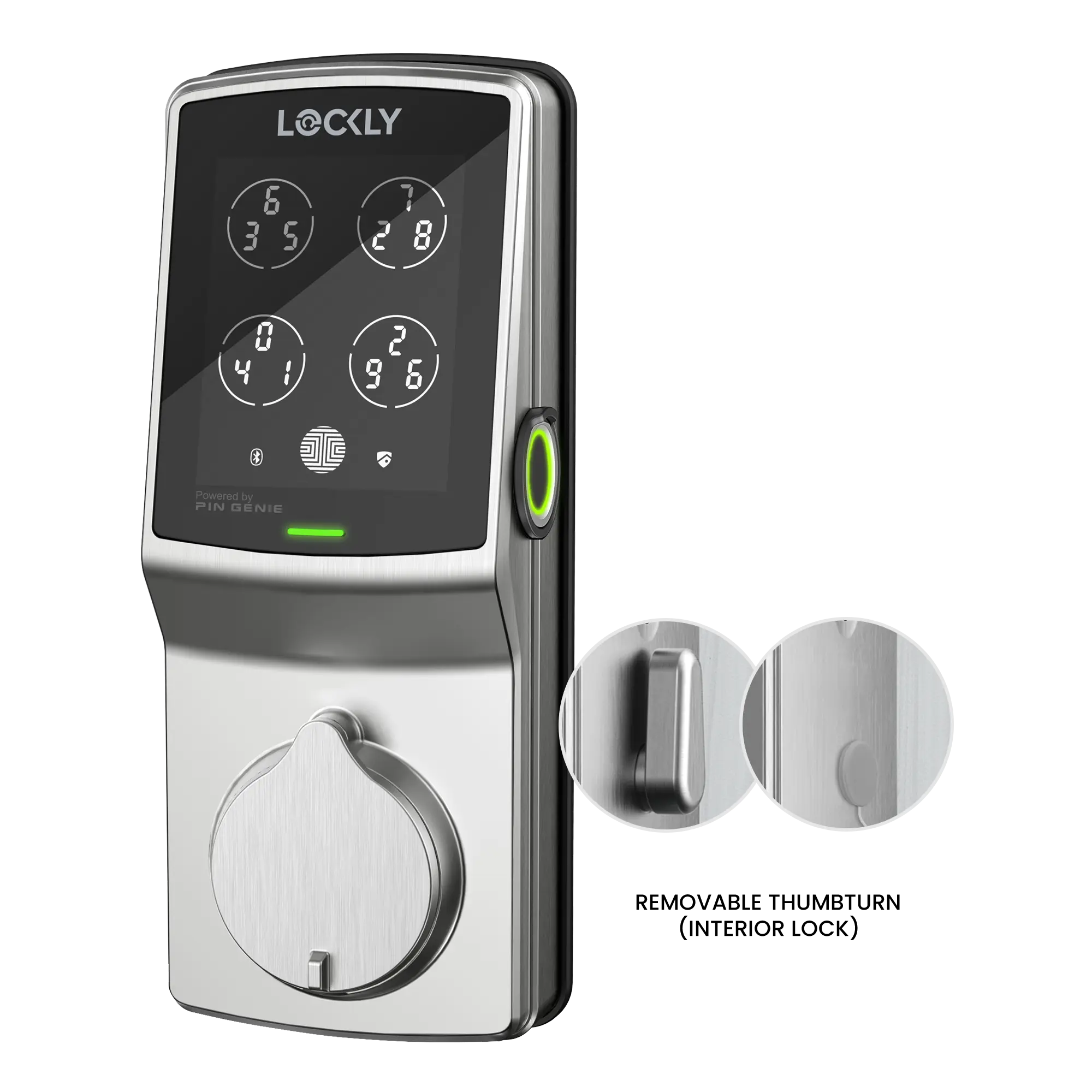
Credit: lockly.com
Frequently Asked Questions
How Can I Childproof A Deadbolt Lock Effectively?
Use a deadbolt cover or lock guard to prevent children from turning it. Keep keys out of reach. Install a keyless deadbolt with a keypad for added safety.
What Tools Are Needed To Childproof A Deadbolt?
You typically need a screwdriver, deadbolt cover, and possibly a keypad lock. Some covers come with adhesive, reducing the need for tools. Always follow the product instructions carefully.
Are Keyless Deadbolts Safer For Children?
Yes, keyless deadbolts reduce the risk of accidental lockouts. They use codes instead of keys, keeping kids safe. Ensure the code is kept private and changed regularly.
Can I Install A Deadbolt Guard Myself?
Yes, most deadbolt guards are easy to install with basic tools. They usually require just a screwdriver and minimal effort. Always check the installation guide for specific steps.
Conclusion
Childproofing a deadbolt keeps children safe at home. Choose easy-to-use lock covers or devices. Test them to ensure they work well. Teach kids about door safety too. Check locks often for any damage. Small steps create a safer environment. Peace of mind starts with simple actions.
Protect your family without stress or hassle. Safety is always worth the effort.