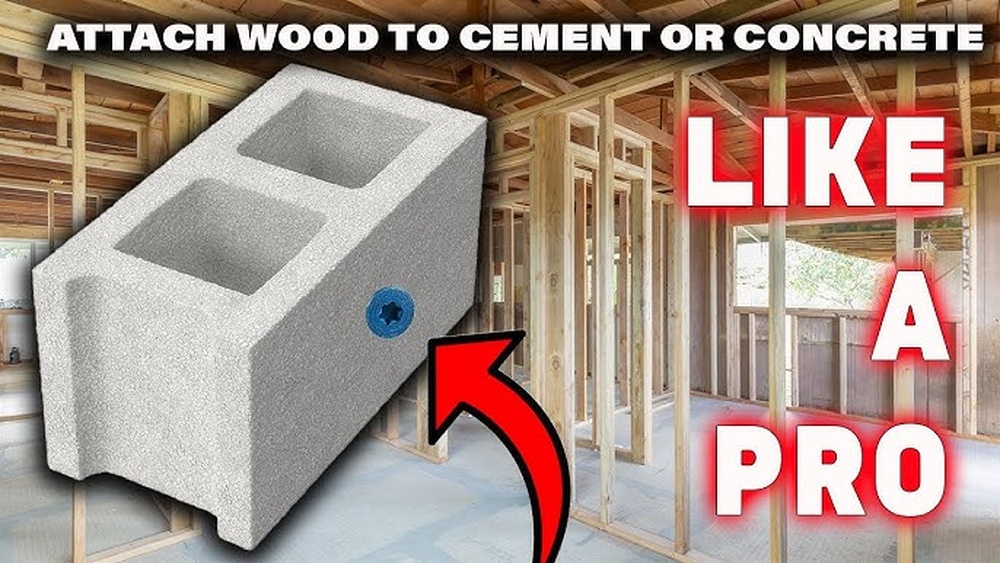
Are you ready to add strength and stability to your project by anchoring a 2×4 to a concrete wall? Whether you’re building a shelf, framing a room, or installing a workbench, knowing the right way to secure wood to concrete is key.
You might be wondering which tools to use, how to avoid cracks, or how to make sure it holds tight over time. This guide will walk you through simple steps that anyone can follow, even if you’re new to DIY.
By the end, you’ll feel confident tackling your project with a strong, lasting connection. Keep reading to learn exactly how to anchor your 2×4 to concrete like a pro.

Credit: www.wikihow.com
Choosing The Right Anchor
Choosing the right anchor is key to securing a 2×4 to a concrete wall. The anchor must hold the wood firmly in place. Using the wrong anchor can cause the wood to loosen or fall. It is important to understand the types of anchors and what makes them strong. This knowledge helps pick the best anchor for your project.
Types Of Anchors For Concrete
Concrete anchors come in many types. Sleeve anchors expand inside the hole to hold tight. Wedge anchors use a metal wedge that grips the concrete. Tapcon screws are designed to drill into concrete and hold well. Each anchor type has a specific use and strength. Choose the one that fits your wall and load needs.
Factors To Consider For Strength
Anchor strength depends on several factors. The thickness of the concrete wall matters a lot. The size and length of the anchor affect how much weight it can hold. Load direction is important; some anchors work better with pulling forces. The condition of the concrete also plays a role. Old or cracked concrete may need special anchors.
:strip_icc()/hammering-concrete-nails-7a5b81a6-89a6078f13fb4ec0899ebbf399fc755c.jpg)
Credit: www.bhg.com
Preparing The Concrete Wall
Drilling into concrete can seem tough at first. Concrete is a hard material. It needs the right tools and careful steps. Without proper drilling, the hole may be uneven or too shallow. This can make it hard to anchor a 2×4 securely. Follow the right methods to get clean, strong holes. This will help your project last long and stay safe.
Selecting Drill Bits
Use a hammer drill for best results. Choose drill bits made for concrete. These bits have a carbide tip that cuts through hard surfaces. The size of the bit should match the anchor size. Do not use regular wood or metal bits. They will wear out fast and may break. Check the bit for damage before starting. Sharp bits make drilling easier and faster.
Drilling Techniques And Tips
Mark the spot where you want the hole. Hold the drill steady and straight. Start drilling slowly to create a guide hole. Increase speed once the bit digs in. Do not force the drill; let the bit do the work. Pull the drill out occasionally to clear dust. This stops the bit from overheating and keeps the hole clean. Wear safety glasses and a mask to protect yourself from dust.
Drilling Into Concrete
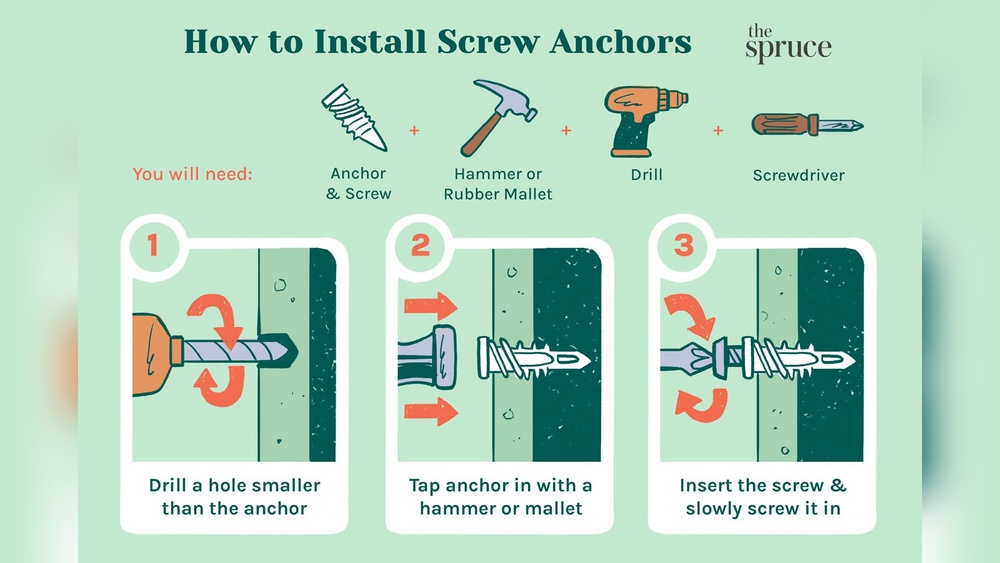
Installing anchors is key to securing a 2×4 to a concrete wall. Anchors hold the wood firmly. They prevent movement and ensure stability. Choosing the right anchor depends on the project and tools available. Each anchor type has a simple installation process. Below are common anchors used for concrete walls.
Using Wedge Anchors
Wedge anchors are strong and reliable. Drill a hole in the concrete matching the anchor size. Clean out dust from the hole. Insert the wedge anchor through the 2×4 and into the hole. Tighten the nut on the anchor to expand the wedge inside the concrete. This locks the anchor firmly. Wedge anchors work well for heavy loads.
Using Sleeve Anchors
Sleeve anchors expand inside the hole to hold tight. Drill a hole slightly larger than the sleeve size. Remove dust from the hole. Insert the sleeve anchor with the 2×4 in place. Tighten the nut to expand the sleeve against the concrete. This creates a strong grip. Sleeve anchors suit medium to heavy-duty projects.
Using Tapcon Screws
Tapcon screws are easy to use and require fewer tools. Drill a pilot hole using a special masonry bit. Remove dust from the hole. Align the 2×4 with the hole. Drive the Tapcon screw through the wood into the concrete. The screw threads cut into the concrete for a secure hold. Tapcon screws work best for light to medium loads.
Installing Anchors
Securing a 2×4 to a concrete wall creates a strong base for many projects. This step is important to ensure stability and safety. Properly anchoring the lumber prevents movement and damage over time. Focus on correct placement and the right fastening methods for best results.
Positioning The Lumber
Start by placing the 2×4 against the concrete wall. Align it straight and level using a carpenter’s level. Mark the spots on the wood where you will drill holes. These marks should match the points on the concrete for anchors. Keep the 2×4 tight against the wall to avoid gaps. Proper positioning makes the fastening process easier and more secure.
Fastening Methods
Use concrete screws or anchors made for masonry. Drill holes through the 2×4 and into the concrete at marked spots. Clean out dust from holes for better grip. Insert anchors or screws firmly into the holes. Tighten screws slowly to avoid cracking the concrete or splitting the wood. Check the 2×4 for tightness after fastening. Strong connections keep the structure safe and long-lasting.
Securing The 2×4
Ensuring a strong hold is key when anchoring a 2×4 to a concrete wall. The strength of the connection makes the difference between a safe, sturdy frame and a weak, unstable one. This step requires careful preparation and attention to detail. Even small mistakes can cause the 2×4 to loosen over time.
Use the right tools and materials. Choose anchors that fit the wall type and load needs. Drill holes properly, and secure the fasteners tightly. Double-checking your work improves the hold and safety of the structure. Below are some tips to help ensure a strong and lasting hold.
Checking Stability
After anchoring, test the 2×4 for movement. Push and pull it gently to see if it shifts. No wobble means the hold is strong. If it moves, tighten the fasteners or try bigger anchors. Regularly check the wall and wood for cracks or damage. Fix problems early to keep the hold firm.
Common Mistakes To Avoid
Do not use wrong anchor types for the concrete. Avoid drilling holes too large or too small. Missing the stud behind the concrete weakens the hold. Skipping the use of a level can cause uneven placement. Over-tightening screws can crack the concrete or wood. Prevent these errors for a safer and stronger anchor.
Ensuring A Strong Hold
Anchoring a 2×4 to a concrete wall requires the right tools and materials. These items ensure a strong and secure hold. Gathering everything before starting saves time and effort. Each tool and material has a specific role in the process.
Drill And Masonry Bit
A power drill is essential for making holes in concrete. Use a masonry bit sized to match your anchors. This bit can drill through hard concrete without damage. Choose the right size for a snug fit.
Concrete Anchors
Concrete anchors hold the 2×4 firmly on the wall. Sleeve anchors and wedge anchors are common choices. Pick anchors based on the weight the wood will support. Proper anchors prevent the wood from loosening over time.
Screws And Washers
Use screws designed for concrete anchors. Washers spread the load and protect the wood. Match screw length to the thickness of the 2×4 and anchors. Tight screws keep the wood stable and secure.
Measuring Tape And Pencil
Measure and mark the exact spots for drilling. A measuring tape ensures precise placement. Use a pencil to mark drill points clearly. Accurate marks help align the wood correctly.
Hammer
A hammer helps tap anchors into the drilled holes. It ensures anchors sit flush with the wall. Gentle taps prevent damage to the anchors and concrete. Use a hammer with a smooth face for best results.
Safety Gear
Protect your eyes with safety goggles. Wear gloves to avoid splinters and rough edges. Use ear protection if drilling for a long time. Safety gear keeps you safe during the task.

Credit: www.youtube.com
Frequently Asked Questions
What Tools Are Needed To Anchor A 2×4 To Concrete?
You need a drill with a masonry bit, hammer drill preferred, concrete anchors, screws, a tape measure, and safety gear. These tools ensure secure and precise anchoring of the 2×4 to the concrete wall.
Which Anchors Work Best For 2×4 On Concrete?
Wedge anchors, sleeve anchors, and concrete screws (Tapcon) are ideal for securing 2x4s to concrete. They provide strong holding power and resist pullout under load, making them reliable for most projects.
How Deep Should Holes Be Drilled In Concrete?
Drill holes at least 1 inch deeper than the anchor length. This depth allows proper anchor seating and dust clearance, ensuring a firm grip and preventing anchor failure.
Can I Anchor A 2×4 Without Pre-drilling?
Pre-drilling is essential for concrete walls to avoid cracking and ensure anchor effectiveness. Without pre-drilling, anchors may not set properly, risking a weak or unsafe attachment.
Conclusion
Anchoring a 2×4 to a concrete wall is simple with the right tools. Drill holes carefully and use proper anchors for a strong hold. Tighten screws firmly but avoid overdoing it. Check your work to ensure stability and safety. This method works well for many projects.
With practice, you can do it quickly and confidently. Just follow these steps, and your 2×4 will stay secure on the concrete wall. Ready for your next project?