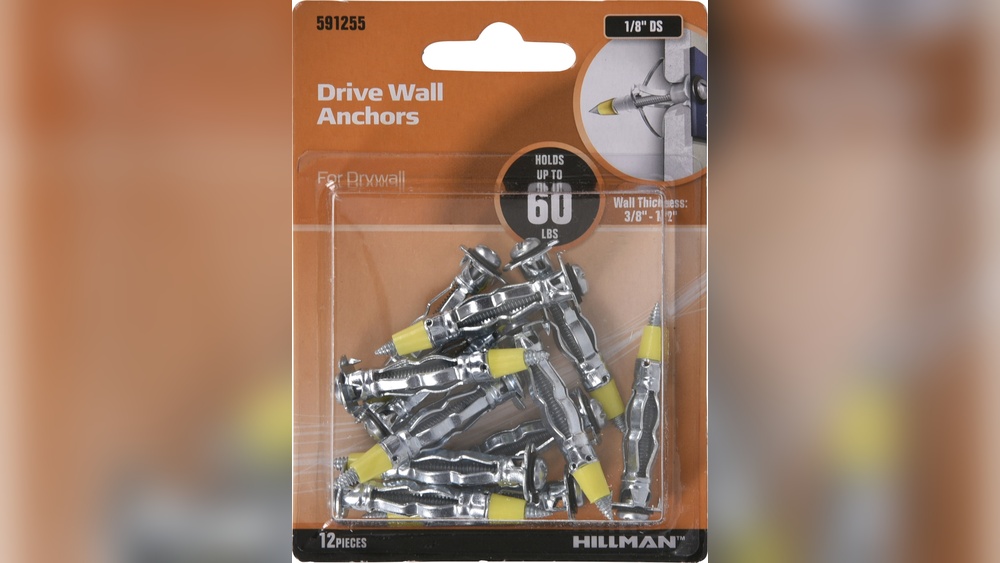
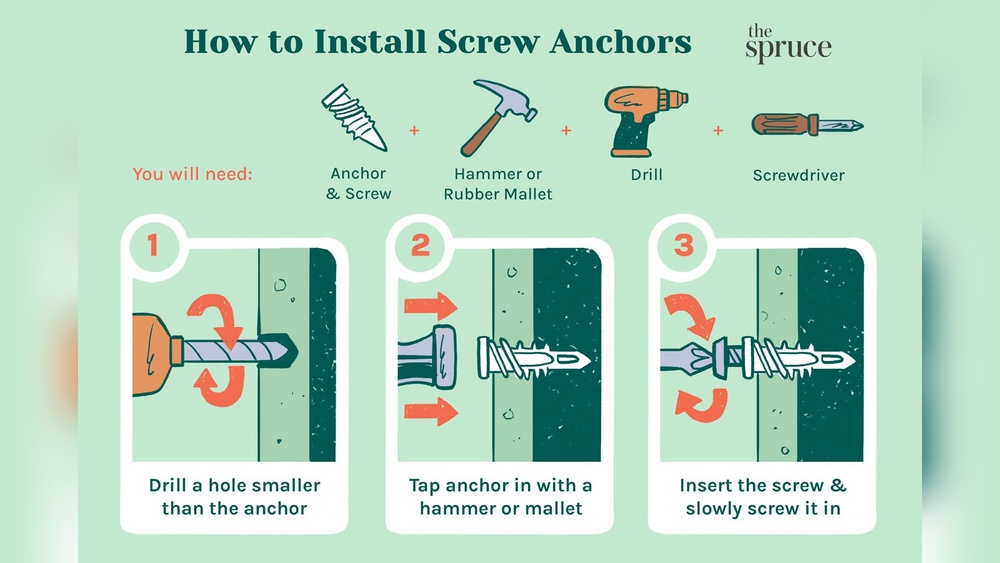
When you’re attaching a wall to concrete, one key question comes up: how many anchors do you actually need? Getting this right isn’t just about following a rule—it’s about making sure your wall stays secure and safe for years to come.
Using too few anchors can lead to weak support, while too many might waste time and materials. You’ll discover the simple guidelines that help you find the perfect number of anchors for your project. By the end, you’ll feel confident and ready to tackle your wall installation like a pro.
Keep reading to learn exactly what you need to know.
Choosing Anchor Types
Choosing the right type of anchor is key to securing walls to concrete safely. Different anchors suit different needs. Picking the proper type helps avoid damage and ensures strong support.
Mechanical Anchors
Mechanical anchors hold by expanding inside drilled holes. They work well for heavy loads and solid concrete. These anchors are quick to install and easy to remove. Common types include wedge anchors, sleeve anchors, and drop-in anchors.
Chemical Anchors
Chemical anchors use resin to bond with concrete. They offer strong, durable hold even in cracked concrete. These anchors suit uneven or weak surfaces. Installation needs more time for curing but gives reliable strength.
Selecting Based On Load
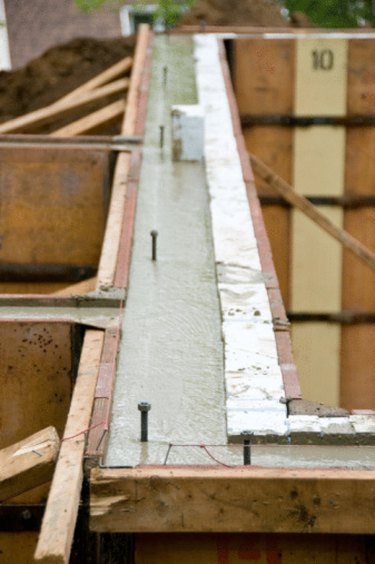
Consider the weight your wall must carry before choosing anchors. Heavy loads need stronger mechanical or chemical anchors. Light loads may use smaller or fewer anchors. Always follow weight guidelines to avoid accidents.
Credit: www.ehow.com
Factors Affecting Anchor Quantity
Choosing the right number of anchors to attach a wall to concrete depends on several important factors. These factors ensure the wall stays secure and safe. Understanding them helps you avoid problems like wall damage or anchor failure.
Wall Size And Weight
The bigger and heavier the wall, the more anchors you need. Large walls put more pressure on each anchor point. A small wall can use fewer anchors, but a tall or wide wall needs many. The weight spreads across the anchors, so each one holds less load. This keeps the wall stable and strong.
Concrete Strength
Concrete varies in strength depending on its mix and age. Stronger concrete holds anchors better and may require fewer anchors. Weak or old concrete can crack or crumble under pressure. In these cases, more anchors help spread the load safely. Testing the concrete before installation is important.
Environmental Conditions
Weather and location affect how many anchors to use. Areas with strong winds or earthquakes need extra anchors. Moisture and temperature changes can weaken concrete and anchors over time. Using more anchors adds safety and durability. Consider the environment carefully before choosing anchor quantity.
Anchor Spacing Guidelines
Anchor spacing is crucial for safely attaching walls to concrete. Proper spacing ensures strong support and avoids damage to the concrete. Follow specific guidelines to place anchors correctly. These rules help maintain the wall’s stability over time.
Spacing depends on factors like anchor type, load, and concrete strength. Too close or too far apart can weaken the connection. Careful planning improves the wall’s durability and safety.
Minimum And Maximum Distances
Anchors must be spaced far enough apart to avoid cracking the concrete. The minimum distance between anchors is usually at least 4 inches. This prevents the concrete from splitting under pressure.
The maximum distance depends on the wall’s weight and load type. Generally, anchors are spaced between 12 to 24 inches apart. This range keeps the wall secure without using too many anchors.
Edge Distance Requirements
Anchors need to be a safe distance from concrete edges. This distance is typically 1.5 to 2 inches. Placing anchors too close to edges risks breaking the concrete.
Maintaining proper edge distance helps the anchor hold firmly. It also stops cracks from forming around the anchor point. Edge distance rules protect both the wall and concrete.
Spacing For Different Loads
Heavier loads require anchors to be closer together. Light loads allow wider spacing between anchors. Adjust spacing based on the wall’s expected weight.
For high loads, use anchors spaced 6 to 12 inches apart. For medium loads, 12 to 18 inches is common. Light loads can use spacing up to 24 inches.
Correct spacing prevents anchor failure under stress. It also distributes the load evenly across the concrete surface.

Credit: www.insight-security.com
Load Calculations For Anchors
Calculating the load for anchors is a key step in securing walls to concrete. It ensures the anchors can hold the weight and forces without failure. Accurate load calculations improve safety and avoid costly mistakes.
Understanding the types of loads and how to measure them helps you pick the right number and type of anchors. This section explains how to calculate shear and tensile loads and the safety factors to keep in mind.
Determining Shear Loads
Shear loads push parallel to the surface of the concrete. These forces try to slide the wall along the concrete.
To find shear load, add the weight the wall carries and any side forces. Consider wind pressure or any force pushing sideways on the wall.
Divide the total shear force by the number of anchors. This gives the load each anchor must resist.
Calculating Tensile Loads
Tensile loads pull away from the concrete surface. These forces try to pull the wall off the concrete.
Identify any forces lifting or pulling the wall outward. Include weight from the wall’s own weight or attachments hanging on it.
Sum all upward or outward forces. Divide by the number of anchors to find the tensile load per anchor.
Safety Factors To Consider
Safety factors add extra strength to account for unknowns. Use them to avoid anchor failure.
Multiply calculated loads by a safety factor, usually between 1.5 and 3. This depends on the environment and importance of the wall.
Choose a higher safety factor for critical structures or harsh conditions. This ensures the anchors stay secure over time.
Installation Best Practices
Proper installation ensures wall anchors hold firmly in concrete. Following best practices improves strength and safety. Small steps during installation make a big difference. Attention to detail prevents common mistakes and failures.
Drilling Techniques
Use a hammer drill with a carbide bit for concrete. Drill straight and steady to avoid angled holes. Match the hole diameter to the anchor size for a tight fit. Drill to the exact depth recommended by the anchor manufacturer. Avoid over-drilling or under-drilling to maintain anchor strength.
Cleaning Anchor Holes
Remove dust and debris from holes before inserting anchors. Use a wire brush or compressed air to clean thoroughly. Clean holes ensure better grip and prevent anchor slippage. Skipping cleaning can weaken the hold and cause failure.
Setting Anchors Properly
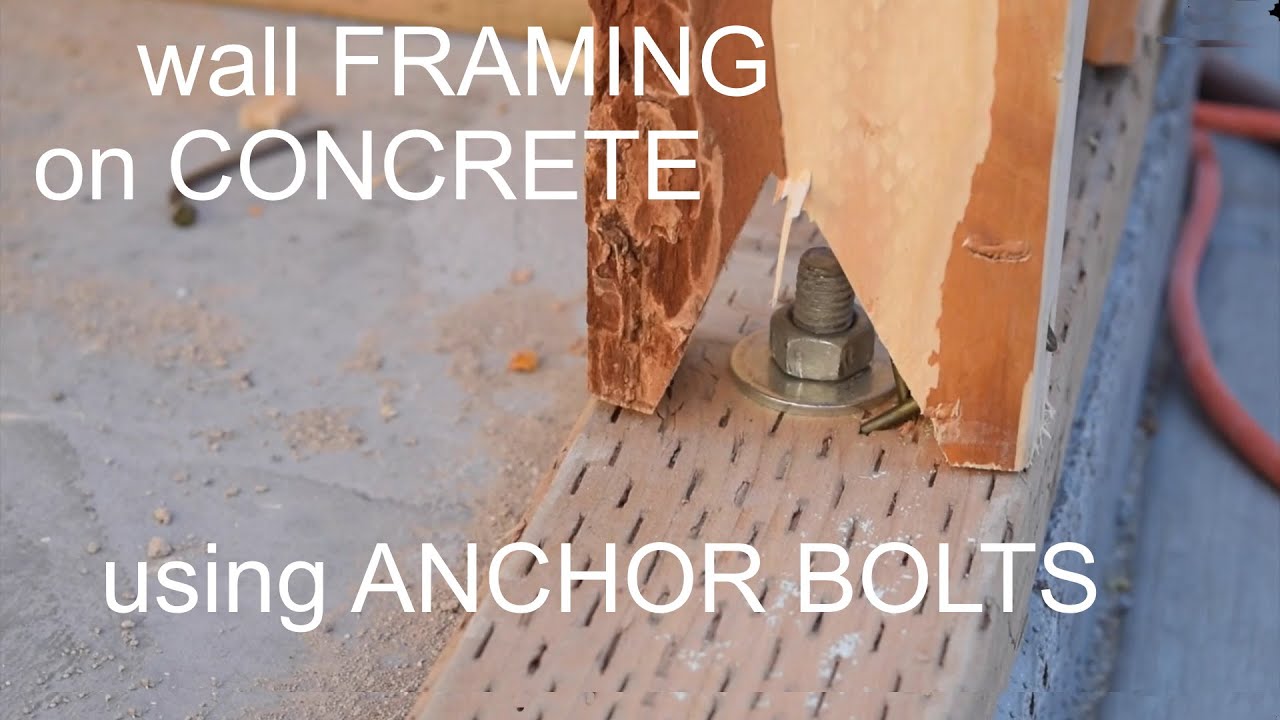
Insert anchors gently without forcing them into the hole. Tap anchors lightly with a hammer to seat them fully. Tighten bolts or screws to the recommended torque level. Over-tightening can damage anchors and concrete. Check anchor placement for alignment before final tightening.
Credit: www.youtube.com
Common Mistakes To Avoid
Attaching a wall to concrete requires careful planning. Many make simple mistakes that reduce safety and strength. Avoiding these errors ensures a secure and lasting hold. Here are common mistakes to watch out for.
Overloading Anchors
Using too few anchors for a heavy wall causes strain. Each anchor must support part of the load. Overloading one anchor leads to failure and damage. Spread the weight evenly across enough anchors. Always check the weight limit of the anchors used.
Incorrect Spacing
Placing anchors too close or too far weakens the hold. Too close means the concrete might crack. Too far reduces the wall’s stability. Follow recommended spacing for your anchor type and wall size. Proper spacing keeps the load balanced and strong.
Ignoring Concrete Conditions
Concrete age and quality affect anchor strength. Old or damaged concrete may not hold anchors well. Wet or crumbly concrete weakens the bond. Test the concrete before attaching anchors. Choose anchors suited for the concrete’s condition.
Tools And Materials Needed
Attaching a wall to concrete requires the right tools and materials. Using proper equipment ensures a strong hold and safe installation. Each tool has a specific role in the process. Prepare all items before starting to work. This saves time and avoids mistakes.
Anchor Types And Sizes
Choose anchors based on wall weight and concrete type. Common types include wedge anchors, sleeve anchors, and drop-in anchors. Sizes vary by diameter and length. Larger anchors hold more weight. Match anchor size to hole size for a tight fit. Proper anchors prevent wall movement and damage.
Drills And Bits
Use a hammer drill for concrete. Regular drills may not work well. Select carbide-tipped masonry bits. Bit size must match anchor diameter. Drill holes straight and deep enough. Clean holes from dust for better grip. Sharp bits reduce effort and improve accuracy.
Measuring And Marking Tools
Measure carefully to place anchors correctly. Use a tape measure for distance checking. Mark spots with a pencil or marker. A level ensures anchors align horizontally and vertically. Accurate marks prevent wall misalignment. Double-check measurements before drilling holes.
Code Compliance And Standards
Attaching a wall to concrete requires careful attention to code compliance and standards. These rules ensure safety and strength in construction. Following proper guidelines helps prevent structural failures and legal issues.
Building Codes To Follow
Building codes set the minimum requirements for construction projects. They cover how many anchors to use and their placement. Local codes differ, so check the rules for your area. These codes protect the building and its occupants.
Manufacturer Guidelines
Anchor manufacturers provide specific instructions for their products. These include the number of anchors needed for different wall types. Follow these guidelines closely. Using fewer anchors than recommended can weaken the wall connection.
Inspection And Approval
Inspectors verify that the anchor installation meets codes and standards. They check spacing, depth, and number of anchors. Proper approval ensures the wall is safely attached. Avoid delays by preparing for inspections early.
Frequently Asked Questions
How Many Anchors Are Needed For Wall To Concrete?
The number of anchors depends on wall size and weight. Typically, one anchor every 12 to 16 inches ensures secure attachment. Heavier walls may need more anchors for stability. Always follow manufacturer and structural guidelines for safety and durability.
What Type Of Anchors Work Best For Concrete Walls?
Expansion anchors and wedge anchors are ideal for concrete walls. They provide strong holding power and resist pull-out forces. Choose anchors rated for your wall’s weight and load conditions. Proper installation is crucial for maximum strength and safety.
How Far Apart Should Concrete Anchors Be Spaced?
Anchors should be spaced 12 to 16 inches apart for most walls. This spacing distributes weight evenly and prevents wall damage. For heavier loads, reduce spacing for extra support. Always consult engineering standards for precise spacing requirements.
Can I Use Fewer Anchors On Small Walls?
Small, lightweight walls may require fewer anchors. However, anchors must still be spaced to provide adequate support. Using too few anchors risks wall movement or failure. Always assess wall weight and local building codes before deciding anchor quantity.
Conclusion
Choosing the right number of anchors keeps your wall strong and safe. Too few anchors can cause damage or collapse. Too many anchors waste time and materials. Follow guidelines based on wall size and weight. Always check the concrete type for best results.
Simple steps lead to lasting, secure walls. Trust your plan and measure carefully. Strong walls start with the right anchors.