Have you ever wished you could brighten up a room with just one switch? Adding a second light to your existing switch is easier than you might think—and it can completely change the way your space feels.
Imagine controlling two lights with a single flick, creating the perfect mood without the hassle of extra switches or wiring. In this guide, you’ll discover simple steps to make this upgrade yourself, saving time and money while boosting your home’s comfort.
Ready to light up your space smarter? Let’s get started.
Tools And Materials Needed
Adding a second light to an existing switch needs the right tools and materials. Having these ready makes the job easier and safer. This section lists what you need before starting.
Basic Electrical Tools
Start with a screwdriver set for screws and terminals. A wire stripper helps remove insulation from wires. Use a voltage tester to check if wires are live. Needle-nose pliers help bend and hold wires. A drill may be needed to make holes for new wiring.
Required Materials
Get a new light fixture that matches your space. Electrical wire, usually 14 or 12 gauge, connects the lights. Wire nuts secure wire connections. Electrical tape provides extra insulation. A new switch or a double switch may be necessary depending on your setup. Wall boxes hold the new fixture or switch safely.
Safety Gear
Wear insulated gloves to protect against electric shock. Safety goggles keep dust and debris out of your eyes. Use a sturdy ladder if working high up. Make sure you have proper lighting to see clearly. Always turn off power at the breaker before starting work.
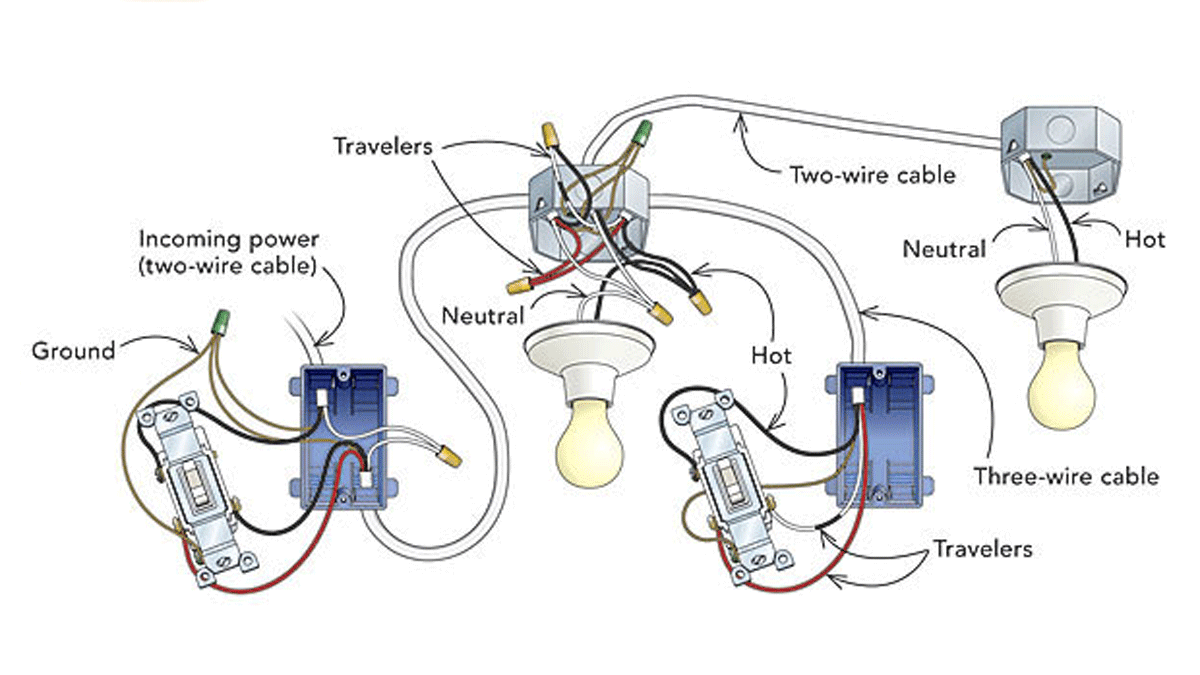
Credit: www.finehomebuilding.com
Preparing For The Installation
Preparing for the installation is an important step before adding a second light. It helps keep the process safe and smooth. Taking time now can prevent mistakes later. Follow each step carefully to get ready.
Turning Off Power
Start by turning off the power at the circuit breaker. This stops electricity from flowing to the switch. Use a tester to check if the power is off. Never touch wires without confirming power is off. Safety is the top priority.
Locating Existing Switch And Wiring
Find the existing switch that controls the first light. Remove the cover plate carefully. Look at the wires connected to the switch. Identify the live, neutral, and ground wires. Take a photo or note wire positions for reference. Knowing the wiring helps connect the new light correctly.
Planning The New Light Placement
Decide where to place the second light in the room. Think about the best spot for light and wiring access. Check if the wall or ceiling can support the new fixture. Measure distances from the switch to the new light location. Good planning makes installation easier and safer.
Wiring The Second Light
Wiring the second light to an existing switch involves careful steps. This process ensures the new light works correctly with the current setup. Understanding the connections and running the right wire are key tasks. Connecting everything properly keeps your home safe and efficient.
Understanding Circuit Connections
Start by identifying the circuit type. Most home switches use a simple loop. The switch controls the power flow to the light. You will find three main wires: live, neutral, and ground. Knowing their roles helps avoid mistakes. Live wires carry current to the light. Neutral wires complete the circuit back to the panel. Ground wires protect against electrical shocks. Label the wires before disconnecting anything.
Running The New Wire
Choose the correct wire type for your home. Use cables rated for lighting circuits. Run the wire from the new light location to the switch box. Keep the wire neat and secure it with staples. Avoid sharp bends or damage. Measure the distance to get the right cable length. Leave some extra wire in the switch box for easy connections.
Connecting To The Existing Switch
Turn off the power at the breaker. Remove the switch cover carefully. Connect the new wire’s live wire to the switch terminal. Join the new light’s neutral wire with the existing neutral bundle. Attach the ground wire to the grounding screw or wire. Use wire nuts to secure all connections tightly. Replace the switch and cover plate. Restore power and test the new light.
Testing The Setup
Testing the setup is a key step after adding a second light to your existing switch. It ensures everything works safely and correctly. This step helps avoid any future electrical problems or hazards.
Restoring Power Safely
Before testing, make sure the power is back on at the breaker. Use a voltage tester to check if the wires have electricity. Stay clear of exposed wires to avoid shocks. Turn on the switch carefully once power is restored.
Checking Light Functionality
Switch on the light to see if both bulbs light up. Check if the new light responds to the switch properly. Look for any flickering or dimming in both lights. Confirm both lights turn off when you flip the switch off.
Troubleshooting Common Issues
If the new light does not turn on, check the wiring connections. Tighten any loose wires and try again. Replace the bulb if it still does not work. If the switch sparks or trips the breaker, turn off the power immediately. Consult a professional electrician in case of persistent problems.
Finishing Touches
Finishing touches are the final steps to make your light installation safe and neat. These steps help your new light work well and look great. Pay close attention here to avoid any problems later.
Securing Wires And Fixtures
Make sure all wires are tightly connected. Use wire nuts to cover exposed wire ends. Push wires carefully into the electrical box. Fasten the light fixture firmly to the ceiling or wall. Loose wires or fixtures can cause sparks or damage.
Installing Light Covers
Place the light cover or shade over the bulb. Align it correctly for a clean look. Secure the cover with screws or clips. Light covers protect bulbs and reduce glare. Choose covers that match your room’s style.
Cleaning Up The Work Area
Remove tools and leftover materials from the area. Sweep or vacuum any dust or debris. Check for small wire pieces or screws on the floor. Cleaning keeps your space safe and ready to use. A tidy area shows your project is complete.

Credit: diy.stackexchange.com
Safety Tips And Best Practices
Adding a second light to an existing switch can brighten your space and improve lighting. Safety is very important during this process. Follow key safety tips and best practices to avoid accidents and damage. This guide helps you work safely and protect your home.
Avoiding Electrical Hazards
Turn off power at the breaker before starting any work. Use a voltage tester to confirm wires are not live. Wear insulated gloves and use tools with insulated handles. Keep water and dampness away from your workspace. Never touch wires with wet hands. Avoid overloading circuits by checking the switch’s capacity. Use proper wire connectors and electrical tape to secure connections.
When To Call A Professional
Call an electrician if you feel unsure about wiring or connections. Complex wiring or old electrical systems need expert handling. If you find damaged wires or signs of electrical issues, stop work and call a pro. Professional help ensures safety and meets local electrical codes. It prevents future hazards and costly repairs.
Maintaining Your Electrical System
Regularly inspect switches and lights for signs of wear or damage. Replace faulty parts immediately to avoid electrical problems. Keep switches and fixtures clean and free from dust. Test your circuit breakers often to ensure they work properly. Good maintenance extends the life of your electrical system and keeps your home safe.
Credit: www.reddit.com
Frequently Asked Questions
How Do I Wire A Second Light To One Switch?
To wire a second light, connect the new light’s wires in parallel with the existing light. Turn off power first. Use a wire nut to join the corresponding wires: live to live, neutral to neutral, and ground to ground. Secure connections and test the switch.
Can I Add A Second Light Without Rewiring?
Yes, if the current wiring has enough capacity and access. Use wire connectors to extend wires from the first light to the second. Ensure the circuit can handle extra load. Always switch off power before working to avoid electrical hazards.
What Tools Are Needed To Add A Second Light?
You need a voltage tester, wire strippers, screwdrivers, wire nuts, electrical tape, and a drill. These tools help you safely cut, strip, connect, and secure wires. Having the right tools ensures proper and safe installation of your second light.
Is It Safe To Add A Second Light On One Switch?
Yes, it is safe if done correctly. Turn off power at the breaker before starting. Follow electrical codes and use proper wiring methods. If unsure, consult a licensed electrician to avoid risks like short circuits or fire hazards.
Conclusion
Adding a second light to an existing switch is easier than it seems. Follow the steps carefully and stay safe. Turn off the power before starting any work. Use the right tools and check all connections twice. This small project can brighten your room and save energy.
Take your time and ask for help if needed. Enjoy the new light and the extra brightness it brings. Simple changes can make a big difference in your home.