Are you tired of losing your keys or digging through clutter every time you leave the house? Making your own wall key hooks can be a simple and stylish solution that keeps your keys organized and easy to find.
Imagine having a dedicated spot that not only saves you time but also adds a personal touch to your home décor. In this guide, you’ll discover easy steps to create your own wall key hooks using materials you might already have.
Ready to turn chaos into order and add a bit of charm to your space? Let’s get started!

Credit: www.amazon.com
Materials Needed
Creating wall key hooks requires a few basic materials. These materials help build a sturdy and attractive key holder. Choosing the right tools and parts makes the project easier and more enjoyable. Below, find a list of what you need to get started.
Essential Tools
Start with simple tools like a drill and screwdriver. A hammer might be useful for nails or small adjustments. Sandpaper helps smooth wood edges. Measuring tape and pencil are needed to mark spots. A level ensures your key hooks hang straight.
Choosing Hooks And Mounts
Select hooks that fit your style and hold keys well. Metal hooks offer strength and last longer. Wooden pegs add a natural look but may hold less weight. Mounts should match the wall type. Use screws for drywall and anchors for plaster walls.
Selecting Wood And Finishes
Pick wood that looks nice and resists wear. Pine, oak, or cedar are good choices. Finish the wood with paint or varnish for protection. Clear varnish keeps the natural wood look. Choose colors that match your room’s decor.
Design Ideas
Designing wall key hooks lets you blend style and function. The right design fits your room’s look and your daily needs. Simple or bold, each design tells a story. Choose one that matches your taste and space. Here are some design ideas to inspire your project.
Minimalist Styles
Minimalist key hooks focus on clean lines and simple shapes. Use plain wood or metal for a sleek look. Small hooks that do not crowd the wall work best. These styles keep your space tidy and calm. They suit modern homes or small rooms well.
Rustic And Vintage Looks
Rustic and vintage hooks bring warmth and character. Use reclaimed wood, old knobs, or wrought iron. Rough textures and faded colors create a cozy feel. These hooks fit farmhouse or cottage décor perfectly. They add charm and a sense of history to your walls.
Modern And Geometric Shapes
Modern designs use bold shapes and sharp angles. Triangles, circles, and hexagons make eye-catching hooks. Bright colors or metal finishes add a modern touch. These hooks are great for trendy or artistic rooms. They create a lively and unique wall display.
Step-by-step Instructions
Creating wall key hooks is a fun and simple project. Follow these clear steps to build your own stylish and useful key holder. Each step guides you through the process carefully. You will learn how to prepare the wood, attach the hooks, and add finishing touches. Let’s get started.
Preparing The Wood
Start by choosing a wooden board. Pick a size that fits your space and needs. Sand the board to smooth all rough edges. Use fine-grit sandpaper for best results. Wipe the board clean with a dry cloth. This removes dust and prepares the surface for painting or staining. Next, paint or stain the wood if desired. Let it dry completely before moving on.
Attaching Hooks
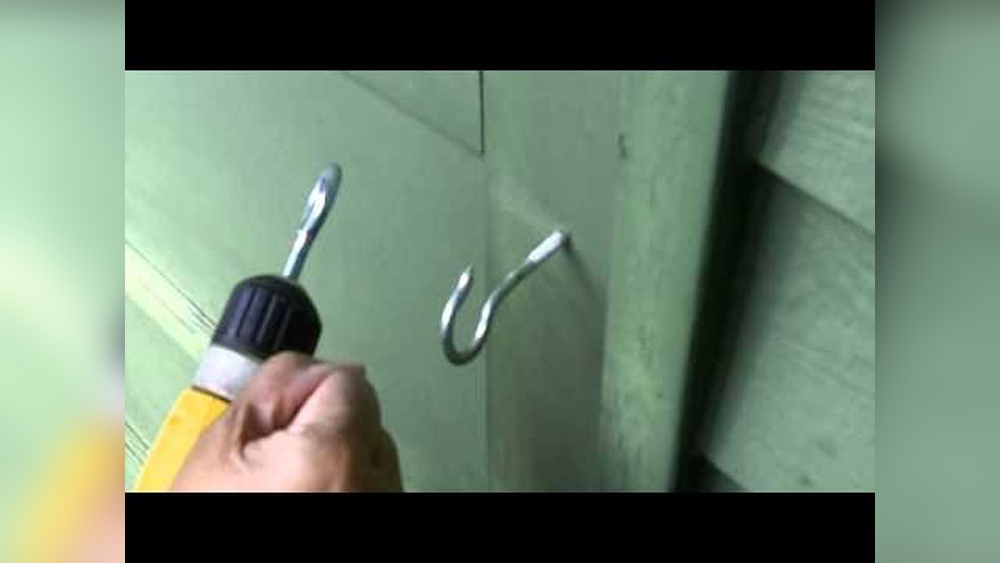
Decide the placement of your hooks on the wood. Mark spots evenly to keep the look neat. Use small screws to attach each hook securely. A screwdriver or drill makes this easier. Check that all hooks are tight and stable. This ensures they can hold keys safely.
Finishing Touches
Add any decorations to personalize your key holder. You can use stencils, stickers, or hand paint designs. Apply a clear sealant to protect the wood and paint. Let the sealant dry fully before hanging your key hooks. Finally, mount the key holder on the wall using screws or nails. Now your key holder is ready to use.
Mounting Techniques
Mounting your wall key hooks securely ensures they hold keys safely and last long. Choosing the right mounting technique depends on your wall type and the hook style. Proper mounting keeps your keys organized and easy to reach.
Wall Anchors And Screws
Wall anchors and screws offer strong support for heavier key hooks. Use anchors for drywall or plaster walls to prevent damage. Drill a small hole, insert the anchor, then screw the hook in place. This method works well for metal or wooden hooks. It keeps your keys safe without worrying about the hook falling.
Adhesive Options
Adhesive hooks stick directly to smooth surfaces. They are easy to install and remove without tools. Clean the wall surface before applying for better hold. Adhesives suit lightweight key hooks and avoid holes in walls. They work best on tiles, glass, or painted walls.
Placement Tips
Choose a spot near your door for quick access. Mount hooks at a comfortable height for all users. Avoid placing them too close to corners or light switches. Space hooks evenly to prevent keys from overlapping. Proper placement improves usability and keeps your space tidy.
Creative Variations
Creative variations make wall key hooks more useful and fun. They add personality to simple hooks. You can change their look and function to fit your space and style.
Small changes can make a big difference. Try different ideas to create unique hooks. These ideas help organize keys better and brighten your walls.
Incorporating Labels
Labels help identify keys quickly. Use small tags or stickers above each hook. Write names like “Car,” “Home,” or “Office.”
Labels reduce confusion and save time. You can use chalkboard paint or printable labels. Change them easily if needed.
Adding Decorative Elements
Decorative touches make hooks look attractive. Paint hooks in bright colors or patterns. Add small decorations like beads or buttons.
Use natural materials like wood or stone for a rustic feel. Decorations match your room style and add charm.
Multi-functional Hooks
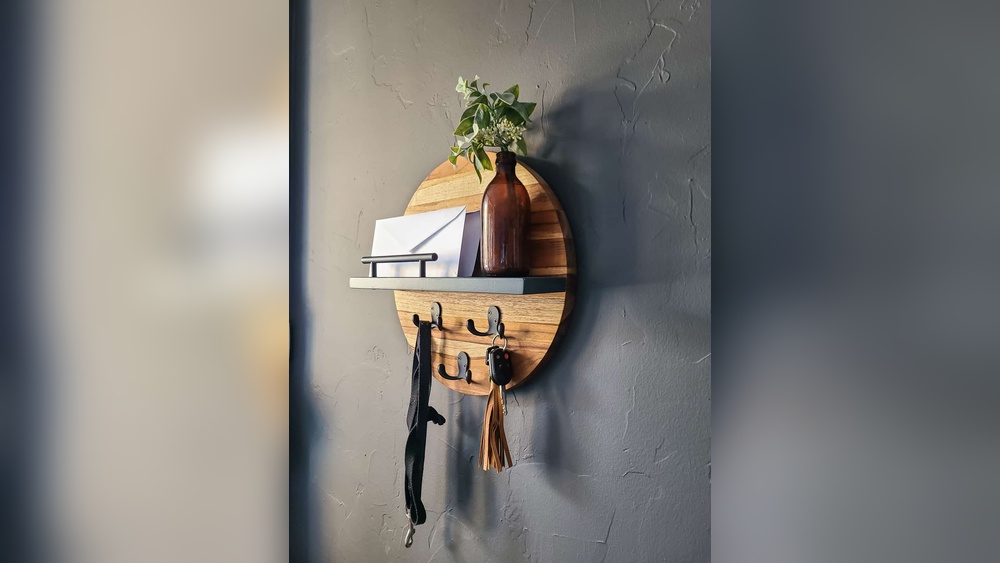
Hooks can hold more than just keys. Add small shelves or baskets for mail and sunglasses. Combine hooks with a mirror or a small chalkboard.
This saves space and keeps things organized. Multi-functional hooks fit well in entryways or kitchens.

Credit: francoisetmoi.com
Maintenance Tips
Maintaining your wall key hooks keeps them useful and attractive for a long time. Regular care prevents damage and preserves their look. Simple steps can make a big difference in their durability and style.
Cleaning And Care
Dust your key hooks regularly with a soft cloth. Avoid using harsh chemicals that can damage the finish. A damp cloth with mild soap works well for cleaning. Dry the hooks completely after cleaning to stop rust or wear.
Repairing Damages
Check your hooks for loose screws or parts. Tighten any loose pieces with a screwdriver. For small scratches, use matching paint or marker to cover them. Replace broken hooks with similar ones to keep the look consistent.
Updating Styles
Change the look of your hooks by painting them in new colors. Add decorative elements like washi tape or small decals. Swap old hooks with modern or themed designs to refresh your space. Small updates keep your wall hooks fresh and fun.

Credit: www.totalplumbingfl.com
Frequently Asked Questions
What Materials Are Needed To Make Wall Key Hooks?
You need wooden boards, hooks, screws, a drill, sandpaper, and paint or stain. Optional items include a measuring tape and level.
How Do I Install Wall Key Hooks Securely?
Use wall anchors if not drilling into studs. Mark holes, drill pilot holes, then screw hooks firmly.
Can I Customize Wall Key Hooks Designs?
Yes, you can paint, stain, or decorate hooks. Personalize with colors, patterns, or labels for style and function.
What Tools Are Essential For Making Wall Key Hooks?
A drill, screwdriver, measuring tape, level, and sandpaper are essential. These ensure precise installation and smooth finishes.
Conclusion
Creating wall key hooks is simple and useful. You only need a few tools and materials. These hooks help keep keys neat and easy to find. Making them yourself saves money and lets you choose any style. Try different designs to fit your home decor.
Enjoy having a tidy space and no more lost keys. Start your project today and see how handy wall key hooks can be.