
Have you ever stuck a self-adhesive hook on your wall, only to worry about the damage when it’s time to remove it? You’re not alone.
Removing these hooks without ruining your paint or leaving sticky residue can feel tricky. But what if you knew simple, effective ways to take them off cleanly and easily? You’ll discover step-by-step tips that make removing self-adhesive hooks quick and stress-free.
Keep reading—you’ll save your walls and avoid frustrating messes.
Types Of Self Adhesive Hooks
Self adhesive hooks come in many types. Each type suits different walls and uses. Knowing the types helps in choosing the right one for your needs. It also makes removal easier and safer for your walls.
Common Materials Used
Self adhesive hooks use various materials for strength and grip. Plastic hooks are light and affordable. Metal hooks offer better durability and hold more weight. Some hooks have rubber or silicone pads to protect the wall. Others use strong adhesives that stick firmly but peel off cleanly.
Weight Limits And Uses
Hooks vary in weight capacity from a few pounds to over 10 pounds. Small hooks hold keys or lightweight decorations. Medium hooks can support kitchen tools or small frames. Heavy-duty hooks carry coats or larger items. Always check weight limits before use to avoid damage. Using the right hook ensures both safety and easy removal later.
Signs Of Adhesive Hook Damage
Self adhesive hooks are handy for hanging items without nails. They stick well but can cause damage when removed. Knowing the signs of damage helps protect your walls. It also makes cleaning easier after removing hooks.
Wall Surface Issues
Peeling paint is a common sign of adhesive hook damage. The hook’s glue can pull off paint or wallpaper layers. Sometimes, small chunks of plaster or drywall come off too. This leaves uneven or rough spots on the wall surface. These problems worsen if hooks stay too long or hold heavy items. Watch for discoloration around the hook area. It shows the glue has affected the wall finish.
Hook Residue Problems
Sticky glue left on the wall is another common issue. The residue can attract dust and dirt, making walls look dirty. It often feels gummy or oily to touch. Residue can be tough to remove without damaging paint or wallpaper. Some hooks leave behind thick glue patches that need extra cleaning. Residue also makes it hard to stick new hooks on the same spot.
Tools Needed For Removal
Removing self adhesive hooks from walls requires the right tools. The correct tools make the process easier and protect your wall. Some tools are common items found at home. Others are specialized tools designed for this task. Knowing what to use helps you remove hooks without damage.
Household Items
Many self adhesive hooks come off with items you already have. A hairdryer works well. Heat softens the glue, making the hook easier to peel off. Dental floss or fishing line can help slide behind the hook. This cuts the adhesive without pulling hard on the wall. A plastic card, like an old credit card, helps lift the edges gently. Rubbing alcohol or vinegar can clean leftover sticky residue. These items are affordable and easy to find.
Specialized Tools
Some tools are made specifically for removing adhesive hooks. A plastic scraper or putty knife helps lift stubborn hooks safely. Adhesive remover gels or sprays dissolve sticky glue quickly. These products are gentle on paint and wall surfaces. Heat guns offer more power than hairdryers but need careful use. Using the right tool prevents wall damage and saves time.

Credit: www.youtube.com
Step-by-step Removal Methods
Removing self-adhesive hooks from walls can be simple with the right steps. This section explains easy methods to remove hooks without damaging the paint or wall. Follow these clear steps to get the best results.
Peeling Off Slowly
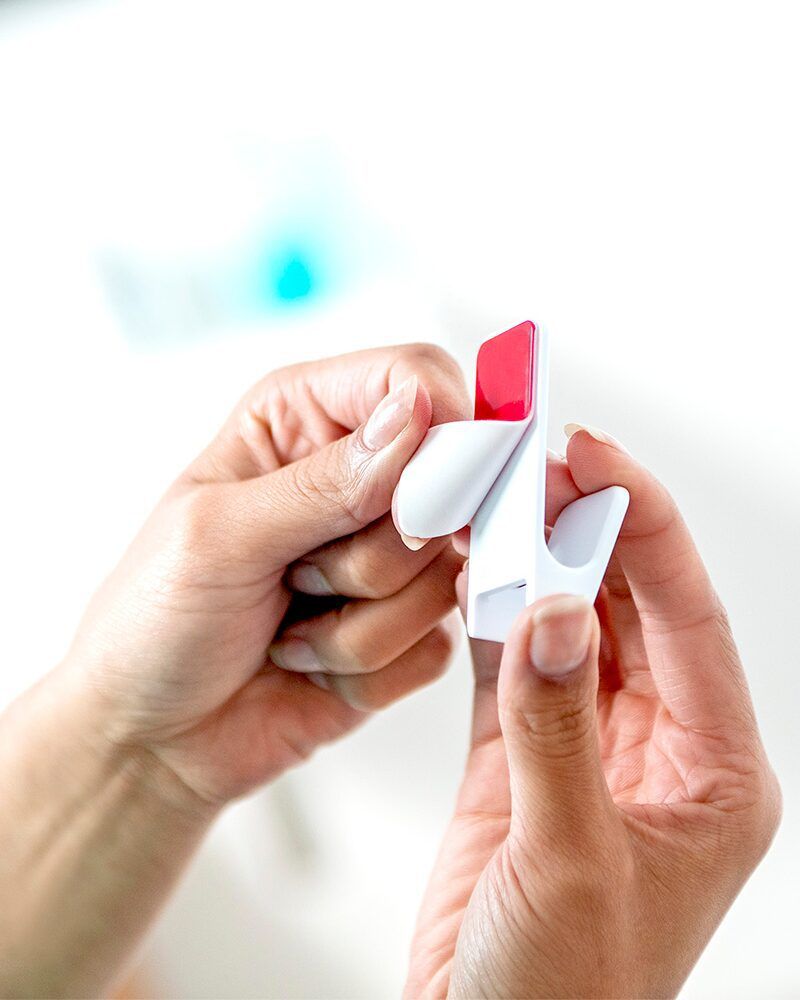
Start by holding the base of the hook firmly. Pull the hook gently away from the wall. Move slowly to avoid peeling paint or damaging the surface. If it feels stuck, stop and try another method. Patience is key here.
Using Heat For Softening Adhesive
Use a hairdryer to warm the adhesive area. Hold it close but not too hot to avoid damage. Heat softens the glue and makes removal easier. After warming, try peeling the hook off slowly. Repeat heating if needed to loosen the adhesive.
Applying Dental Floss Or Fishing Line
Take a piece of dental floss or fishing line. Slide it behind the hook’s base against the wall. Move it in a gentle sawing motion to cut through the adhesive. This method reduces the risk of pulling paint off. Clean the area after removing the hook.
Removing Residual Adhesive
Removing residual adhesive from walls is important for a clean finish after taking down self-adhesive hooks. Leftover sticky residue can attract dirt and ruin the wall’s look. Cleaning the adhesive carefully helps keep your walls smooth and ready for painting or new decorations.
Natural Solvents
Natural solvents gently break down sticky glue without harming paint. Warm soapy water is a simple option. Use a soft cloth soaked in the water and rub the adhesive softly. Olive oil or coconut oil can also soften glue. Apply a small amount, let it sit for a few minutes, then wipe away the residue. These natural choices are safe and easy to find.
Commercial Adhesive Removers
Commercial adhesive removers work quickly on tough glue. Find products labeled safe for walls and paint. Apply a little remover on a cloth and press it on the sticky area. Wait a minute, then rub gently until the glue lifts. Always test the remover on a small hidden spot first. These removers are strong but require careful use to avoid wall damage.
Credit: www.velcro.com
Preventing Wall Damage
Removing self-adhesive hooks from walls can be tricky. The glue often sticks tightly, risking damage to the wall’s surface. Preventing wall damage is important to keep your walls looking clean and fresh. Using the right steps helps avoid marks, peeling paint, or broken textures.
Avoiding Paint Peeling
Peeling paint happens when you pull the hook too fast or use too much force. To stop this, heat the adhesive with a hairdryer. Warm glue becomes soft and easier to remove. Slowly peel the hook off, pulling it low and close to the wall. Avoid jerking or ripping motions. This gentle approach protects the paint from coming off.
Protecting Wall Texture
Wall textures are delicate and can break easily. Use a plastic card or a putty knife to lift the edges of the hook carefully. Do not use metal tools that can scratch or gouge the wall. Applying oil or rubbing alcohol can help loosen sticky residue without harming the texture. Clean the area with a soft cloth after removing the hook to keep the surface smooth.
Tips For Reusing Hooks
Reusing self-adhesive hooks saves money and reduces waste. It keeps your walls neat without extra damage. Proper care helps hooks stick well again. Follow simple steps to clean and reapply them effectively.
Cleaning Hooks Properly
Remove any leftover adhesive on the hook carefully. Use warm water and mild soap to wash the hook. Gently scrub with a soft cloth or sponge. Avoid harsh chemicals that can damage the hook surface. Let the hook dry fully before reuse. Clean hooks stick better and hold weight safely.
Reapplying Adhesive Strips
Get new adhesive strips designed for self-adhesive hooks. Cut the strips to fit the hook size. Peel off the protective backing slowly. Press the strip firmly onto the hook base. Stick the hook to a clean, dry wall surface. Hold it tight for 30 seconds to secure. Proper application ensures strong and lasting hold.
Credit: www.youtube.com
Alternative Hanging Options
Removing self-adhesive hooks can leave marks or damage on your walls. Choosing alternative hanging options protects your wall surface. These options also offer easy removal and reuse. Here are some alternatives that work well for different needs.
Non-adhesive Hooks
Non-adhesive hooks use nails, screws, or tension rods. They hold heavier items securely without sticky residue. These hooks work best on drywall or wooden surfaces. Use small nails or screws for light items. For heavier objects, choose wall anchors or toggle bolts. Non-adhesive hooks last longer and cause less wall damage. Removal leaves small holes that are easy to patch.
Magnetic And Suction Hooks
Magnetic hooks stick to metal surfaces without glue or nails. They are perfect for refrigerators, metal doors, or filing cabinets. Suction hooks use suction cups to hold on smooth, non-porous surfaces. They work on tiles, glass, and mirrors. Both options are easy to move and reuse. Suction hooks lose grip on rough or textured walls. Magnetic hooks require a metal base to hold strong.
Frequently Asked Questions
How Do I Remove Self Adhesive Hooks Without Damaging Walls?
Gently pull the hook’s tab slowly along the wall. Avoid sudden force to prevent paint or surface damage. Use heat from a hairdryer to soften the adhesive if needed.
Can Heat Help In Removing Adhesive Hooks From Walls?
Yes, heat softens the adhesive, making hooks easier to remove. Use a hairdryer on low heat and apply it for 30 seconds before peeling the hook off gently.
What Tools Are Safe For Removing Self Adhesive Hooks?
Use your hands, a hairdryer, and dental floss or fishing line. Avoid sharp tools that can scratch or damage the wall’s surface.
How To Remove Sticky Residue Left By Adhesive Hooks?
Apply rubbing alcohol or adhesive remover on a cloth and gently wipe the residue. This dissolves glue without harming most painted surfaces.
Conclusion
Removing self-adhesive hooks from walls can be simple and safe. Use gentle heat or slow pulling to avoid damage. Clean any leftover sticky residue with soap or rubbing alcohol. Take your time and be patient during the process. This helps keep your walls smooth and clean.
Small efforts now save bigger repairs later. You can keep your space neat without stress. Try these tips next time you need to remove hooks easily.


