Looking for a simple way to keep your bike safe and save space in your home? Installing bike hooks on your wall is an easy and effective solution.
Whether you have a small apartment or a busy garage, these hooks help you organize your space and protect your bike from damage. In this guide, you’ll learn exactly how to install bike hooks step-by-step, even if you’ve never used a drill before.
Keep reading, and you’ll be able to hang your bike securely in no time.

Credit: www.arloren.com
Choosing The Right Bike Hook
Before installing bike hooks in the wall, gather all necessary tools and materials. This step helps avoid interruptions and makes the work easier. Having everything ready saves time and keeps you organized. Below are the key items you will need for a smooth installation.
Essential Tools
Start with basic tools like a drill and screwdriver. A stud finder is important to locate wall studs. A level ensures hooks are straight. Measuring tape helps mark the exact spot for hooks. A pencil is useful for marking drilling points.
Safety Gear
Wear safety glasses to protect your eyes from dust. Use gloves to avoid hand injuries. Ear protection is helpful if drilling loud holes. Safety gear keeps you safe and comfortable during work.
Additional Supplies
Wall anchors support hooks in drywall. Screws must fit the hooks securely. Clean cloths help wipe dust off the wall. A small container keeps screws and anchors organized. These extras improve the quality of your installation.
Gathering Tools And Materials
Preparing the wall is the first step to install bike hooks safely. This step ensures the hooks hold the bike’s weight without damage to the wall. Careful preparation also makes the installation easier and longer-lasting.
Finding Studs Or Anchors
Studs are wooden beams behind drywall that hold heavy items better. Use a stud finder tool to locate these beams. If you cannot find studs, use strong wall anchors instead. Anchors keep the hooks stable on drywall without studs.
Marking Hook Placement
Measure the height and spacing of the bike hooks before installation. Mark spots on the wall with a pencil where each hook will go. Check the marks twice to make sure they are level and evenly spaced. Good placement helps balance the bike weight on the hooks.
Checking Wall Condition
Look closely at the wall for cracks or soft spots. Avoid installing hooks on damaged or weak areas. Repair any holes or cracks before starting the installation. A strong wall surface keeps the hooks secure and protects the wall from damage.
Preparing The Wall
Installing the bike hook on the wall is a simple task. It keeps your bike off the floor and saves space. Follow the steps carefully for a safe and strong hold.
Drilling Pilot Holes
Mark the spot on the wall where the hook will go. Use a pencil for accuracy. Choose a drill bit slightly smaller than the screws. Drill holes slowly to avoid cracking the wall. Make sure holes are deep enough for the anchors.
Inserting Anchors
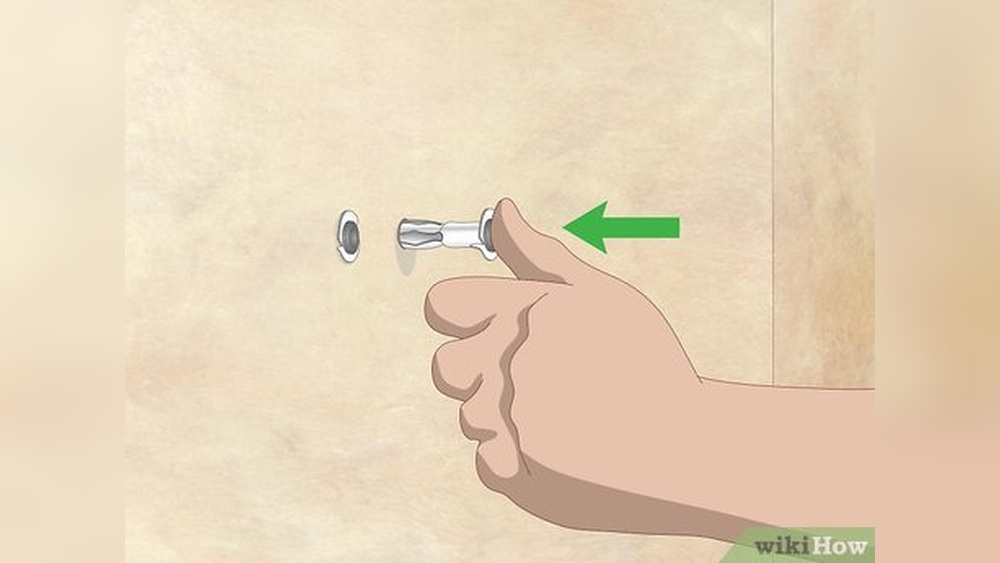
Push plastic anchors into the pilot holes. Tap lightly with a hammer if needed. Anchors hold the screws firmly in place. Use anchors designed for your wall type. This step prevents the hook from pulling out.
Securing The Hook
Align the bike hook with the anchors. Insert screws through the hook holes into the anchors. Tighten screws using a screwdriver or drill. Ensure the hook is stable and does not move. Test by gently pulling the hook before hanging the bike.

Credit: www.amazon.com
Installing The Bike Hook
Testing and adjustments are key after installing bike hooks. They make sure the hooks hold your bike safely. This step helps avoid accidents or damage to your bike or wall. Take your time to check each part carefully.
Weight Testing
Start by gently hanging your bike on the hook. Feel if the hook holds the weight without bending. Try to move the bike slightly to check if it stays firm. If the hook feels loose, do not hang the bike fully yet. Test with some extra weight to be sure the hook can handle it.
Adjusting Hook Position
Check if the hook is in the right place for your bike. The bike should hang without touching the wall too much. Move the hook up or down if the bike leans or slips. Adjust side to side if the bike does not hang straight. Fix the position until the bike feels balanced and secure.
Ensuring Stability
Press on the hook and wall to check for movement. The hook should not wiggle or shift under pressure. Tighten screws if you see any looseness. Make sure the wall anchor is fully secure inside the wall. Stability keeps your bike safe and prevents damage.
Testing And Adjustments
Maintaining your bike hook setup keeps your bike safe and your space organized. Regular care helps the hooks last longer and hold your bike securely. Simple steps can prevent damage and avoid accidents. Here’s how to keep your bike hooks in top shape.
Regular Inspections
Check your bike hooks often. Look for loose screws or bent hooks. Tighten any loose parts with a screwdriver. Make sure the hooks are firmly fixed to the wall. Early checks stop bigger problems later.
Cleaning Tips
Dust and dirt can build up on your hooks. Wipe them with a soft cloth regularly. Use mild soap and water for stubborn dirt. Dry the hooks well to stop rust. Clean hooks look good and work better.
Handling Wear And Tear
Hooks may show wear after long use. Replace damaged hooks quickly to avoid accidents. Use quality hooks made from strong materials. Avoid hanging heavy items that exceed the hook’s limit. Careful use keeps your hooks reliable.
Credit: www.walmart.com
Frequently Asked Questions
What Tools Are Needed To Install Bike Hooks In The Wall?
You need a drill, screwdriver, wall anchors, measuring tape, and a pencil. These tools help ensure secure and accurate installation of bike hooks.
How Do I Find The Best Wall Spot For Bike Hooks?
Choose a sturdy wall, preferably a stud or solid masonry. Avoid drywall alone to ensure the hooks can support your bike’s weight safely.
Can I Install Bike Hooks On Drywall Without Studs?
Yes, but use heavy-duty wall anchors designed for drywall. Regular screws won’t hold well, risking the bike falling and damaging the wall.
How High Should Bike Hooks Be Installed On The Wall?
Install bike hooks about 5 to 6 feet high to keep the bike off the ground. Adjust height based on your bike size and available space.
Conclusion
Installing bike hooks on your wall saves space and keeps your bike safe. Start by choosing a strong wall and proper hooks. Use a drill to make holes and secure the hooks tightly. Check the hooks hold your bike firmly before hanging it.
This simple task keeps your area tidy and your bike ready to ride. Give it a try and enjoy the extra room you create. Easy, quick, and useful.