Are you looking for a simple way to add extra storage or display space in your home? Installing screw hooks on your wall might be the perfect solution.
It’s quick, affordable, and doesn’t require any special tools. But if you’re unsure where to start or worried about making mistakes, don’t worry—you’re in the right place. In this guide, you’ll learn exactly how to install screw hooks safely and securely, so your walls stay strong and your items hang perfectly.
Keep reading, and by the end, you’ll have the confidence to tackle this easy home improvement yourself.
Credit: todayshomeowner.com
Choosing The Right Screw Hooks
Choosing the right screw hooks is important for a strong and safe hold. The right hook depends on the wall type and what you want to hang. This section helps you pick the perfect screw hooks for your needs. It covers different types, wall materials, and weight limits.
Types Of Screw Hooks
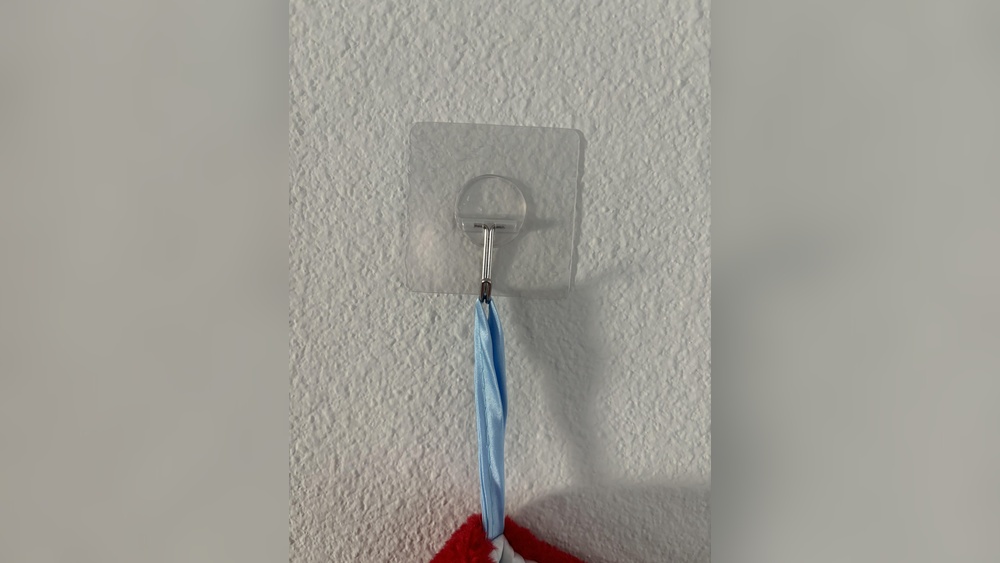
Screw hooks come in many shapes and sizes. Some have an open hook, while others have a closed loop. Open hooks are good for hanging light items like keys or small tools. Closed loops hold heavier items and keep them secure. There are also cup hooks, which are great for hanging cups or small baskets. Choose the type based on what you want to hang.
Selecting Based On Wall Material
Different walls need different hooks. Drywall is soft and may need anchors with screw hooks. Wood walls can hold screw hooks directly. Concrete or brick walls need special masonry screw hooks or anchors. Always check the wall material before buying hooks. This ensures a secure fit and prevents damage.
Weight Capacity Considerations
Every screw hook has a weight limit. Check this limit before installation. For heavy items, pick hooks with higher weight ratings. Using weak hooks can cause falls and damage. If unsure, choose hooks that hold more than the item’s weight. Safety first, always.
Credit: www.walmart.com
Tools And Materials Needed
Before you start installing screw hooks on your wall, gather the right tools and materials. Having everything ready makes the job easier and faster. It also helps you avoid mistakes and damage to your wall.
This section lists the basic tools, safety gear, and optional accessories needed for the task.
Essential Tools
- Drill or screwdriver for making holes and turning screws
- Screw hooks suitable for your wall type
- Wall anchors for extra support on drywall
- Measuring tape to mark the exact spot
- Pencil or marker to make guide marks
- Level to ensure hooks are straight
Safety Gear
- Safety glasses to protect your eyes from dust and debris
- Gloves to protect your hands from sharp edges
- Dust mask if drilling into drywall or concrete
Optional Accessories
- Stud finder to locate wall studs for stronger support
- Hammer for tapping in anchors or nails
- Step ladder to reach high spots safely
Preparing The Wall
Preparing the wall is the first step before installing screw hooks. A well-prepared wall ensures the hooks hold firmly and safely. Take time to prepare the surface properly to avoid damage or loose hooks.
Locating Studs Or Anchors
Find studs behind the wall for the strongest support. Use a stud finder tool to locate them easily. If no studs are available, use wall anchors. Anchors help hold hooks in drywall or plaster securely.
Marking The Spot
Mark the exact spot where the screw hook will go. Use a pencil to make a small, clear mark. Check the height and spacing before marking. Proper marking prevents mistakes and uneven placement.
Cleaning The Surface
Clean the wall surface at the marked spot. Remove dust, dirt, and grease with a dry cloth. A clean surface helps the screw hook stay tight. This step is simple but very important.
Credit: diy.stackexchange.com
Installing Screw Hooks Step-by-step
Installing screw hooks on a wall is a simple task anyone can do. Follow these clear steps to make sure the hooks are secure and hold well. Take your time and prepare your tools before starting.
Drilling Pilot Holes
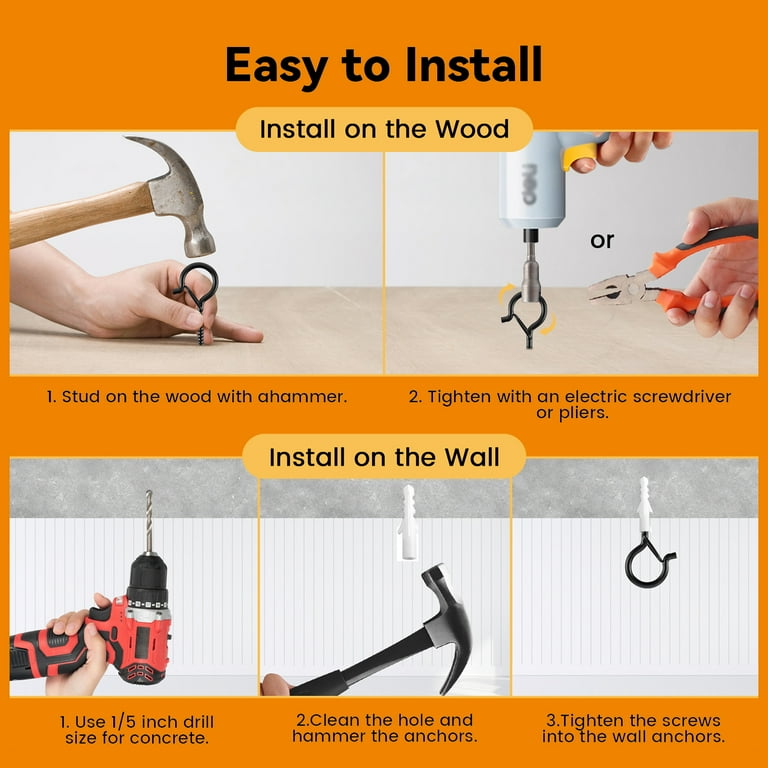
First, mark the spot on the wall where you want the hook. Use a pencil to make a small dot. Select a drill bit that matches the size of your screw hook’s shaft. Drill a pilot hole at the marked spot. Drill straight and not too deep. This hole helps guide the hook and prevents the wall from cracking.
Inserting Wall Anchors
Wall anchors add extra support, especially for drywall or plaster walls. Choose anchors that fit your pilot holes. Push or tap the anchor gently into the hole. Make sure the anchor sits flush with the wall surface. Anchors hold the screw hook firmly and stop it from pulling out.
Screwing In The Hooks
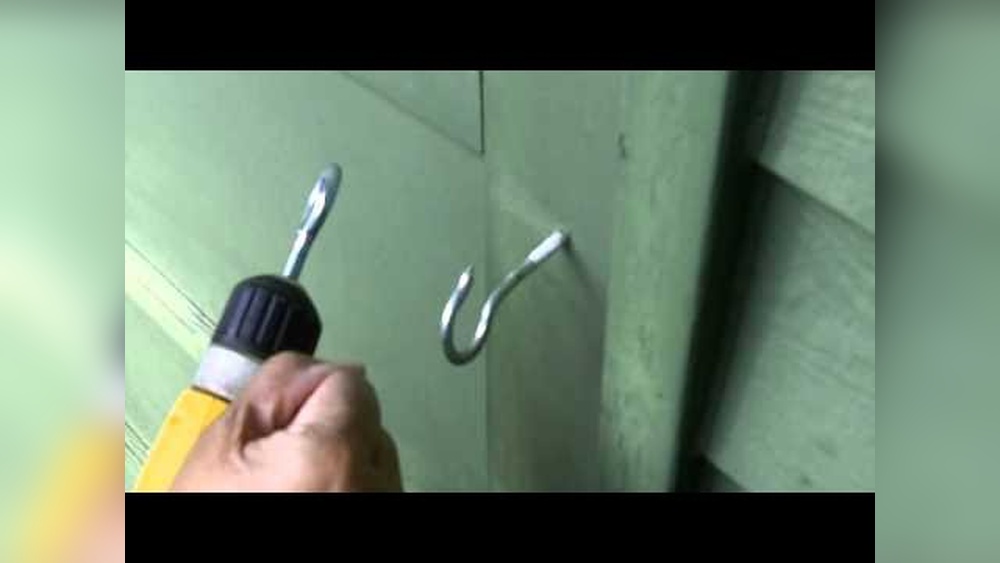
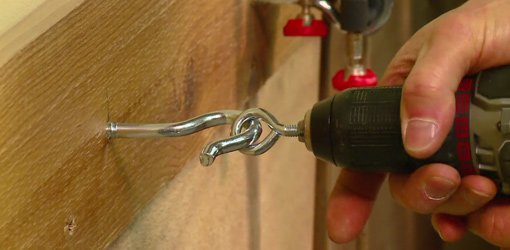
Take your screw hook and place its tip into the pilot hole or anchor. Turn the hook clockwise slowly. Use your hand or pliers for extra grip. Screw it in until the hook is tight and stable. Avoid over-tightening, which can damage the wall. Your hook is now ready to hold items securely.
Tips For Secure Installation
Installing screw hooks on your wall needs care. Secure installation keeps hooks strong and walls safe. Follow simple tips to avoid mistakes and hold items firmly. These tips help you install hooks without damage or loose fitting.
Avoiding Wall Damage
Choose the right spot to prevent cracks or holes. Use a stud finder to locate wall studs. Studs provide strong support for heavy items. Drill a small pilot hole before screwing in the hook. This step stops the wall from splitting. Clean the area and avoid over-tightening the hook. Too much force can weaken the wall surface.
Ensuring Hook Stability
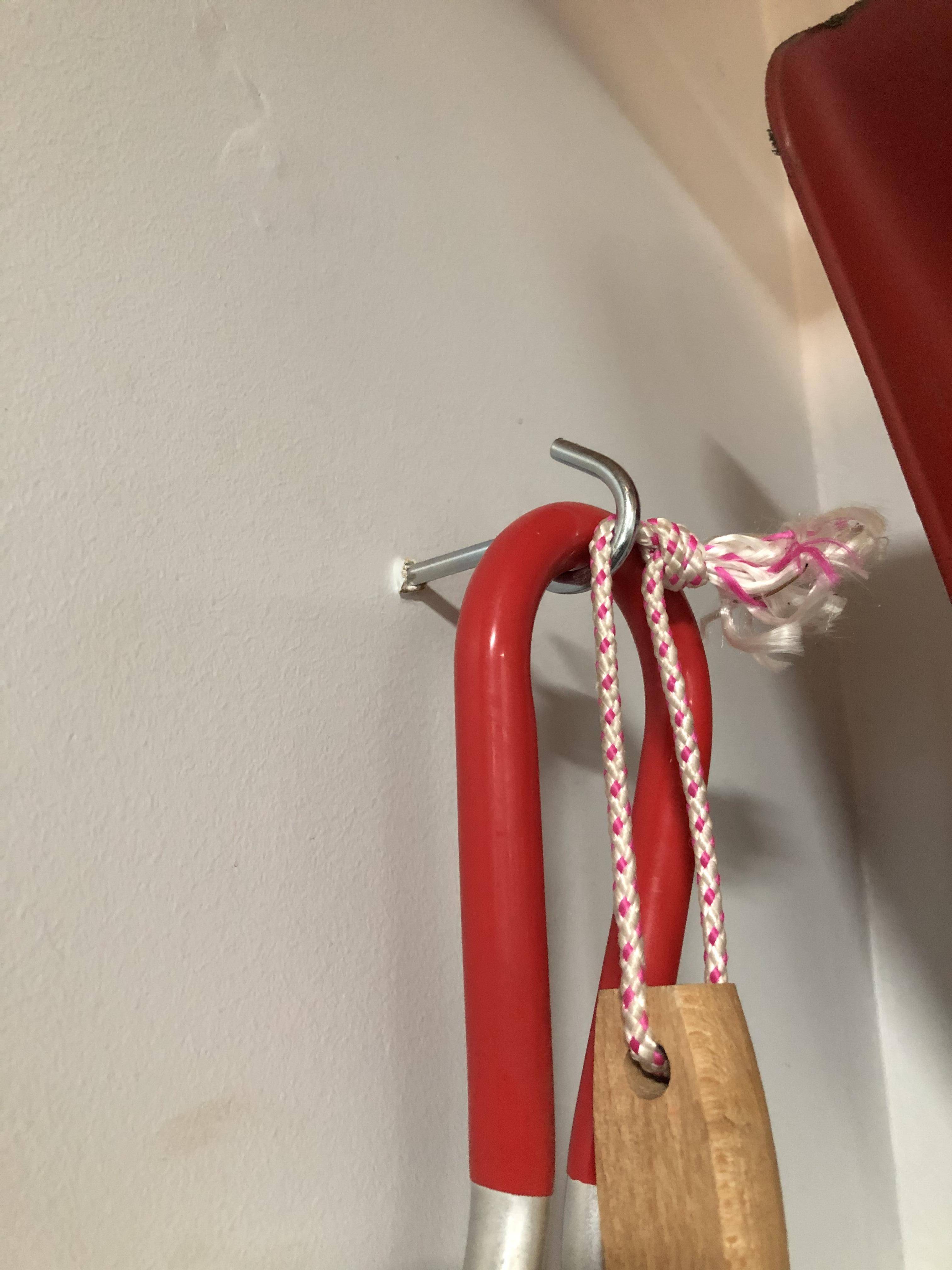
Pick screw hooks that match the weight of your item. Larger hooks hold more weight and stay secure. Twist the hook slowly and firmly into the wall. Stop when the base is flush with the wall surface. Test the hook by gently pulling on it. If it moves or feels loose, tighten more or try another spot.
Handling Different Wall Types
Drywall needs anchors for strong support. Use plastic or metal anchors to hold the hook firmly. For plaster walls, drill carefully and use anchors made for plaster. Brick or concrete walls require special masonry screws and anchors. Use a hammer drill to make holes in hard surfaces. Match the screw hook and anchor to the wall type for best results.
Common Mistakes To Avoid
Installing screw hooks on a wall seems easy, but small errors can cause big problems. Avoiding common mistakes helps keep hooks strong and safe. This saves time and protects your walls from damage.
Overloading Hooks
One common mistake is putting too much weight on a hook. Each screw hook has a weight limit. Exceeding this limit can bend or pull the hook out. Use hooks only for light or medium objects. Check the hook’s weight rating before use.
Incorrect Placement
Placing hooks in weak spots can cause them to fail. Avoid putting hooks in drywall without anchors. Find studs or use proper wall anchors for strength. Place hooks where they hold the load well. Mark the spot clearly before drilling.
Using Wrong Tools
Wrong tools make the job harder and cause damage. Use a drill with the right bit size for pilot holes. A screwdriver or wrench fits the hook’s shape better than pliers. Avoid forcing the hook in without a pilot hole. This stops splitting or cracking the wall.
Maintaining Screw Hooks
Maintaining screw hooks is important to keep them safe and useful. Proper care helps them hold items securely. It also extends their life on your wall.
Check them often for any signs of wear or damage. Clean them regularly to avoid dirt buildup. Replace old or weak hooks to prevent accidents.
Regular Checks
Look at screw hooks every few weeks. See if they are loose or bent. Tighten any hooks that feel wobbly. Check for rust or other damage. Catching problems early avoids bigger issues.
Cleaning And Upkeep
Wipe hooks with a soft cloth to remove dust. Use mild soap and water for tougher dirt. Dry them well to stop rust forming. Avoid harsh chemicals that can damage the metal. Clean hooks look better and work better.
Replacing When Necessary
Replace hooks that are bent or cracked. Use the same size and type for safety. Old hooks may not hold weight well. Changing hooks on time keeps walls safe. Always have spare hooks ready for quick swaps.
Frequently Asked Questions
How Do You Install Screw Hooks On Drywall?
First, locate a stud or use a wall anchor. Drill a small pilot hole. Then, screw the hook in by hand or with pliers for grip. Avoid over-tightening to prevent wall damage.
What Tools Are Needed To Install Screw Hooks?
You need a drill, a screwdriver or pliers, a pencil, and a wall anchor if no stud is available. These tools ensure a secure and easy installation of screw hooks.
Can Screw Hooks Hold Heavy Items On Walls?
Yes, if installed into wall studs or with proper anchors. For heavier items, choose larger hooks and suitable anchors to ensure safety and support. Always check the weight limits of the hook.
How Do I Choose The Right Screw Hook Size?
Select a hook size based on the weight and size of the item. Larger hooks hold more weight. Match the hook length to the wall thickness for secure installation.
Conclusion
Installing screw hooks on your wall is simple and quick. Choose the right spot and mark it clearly. Use proper tools and take your time drilling or screwing. Test the hook by gently pulling it to check strength. Keep safety in mind to avoid damage or injury.
Now, hang your items and enjoy the neat, organized space. Small efforts bring big changes to your room’s look. Try it today and see the difference yourself.