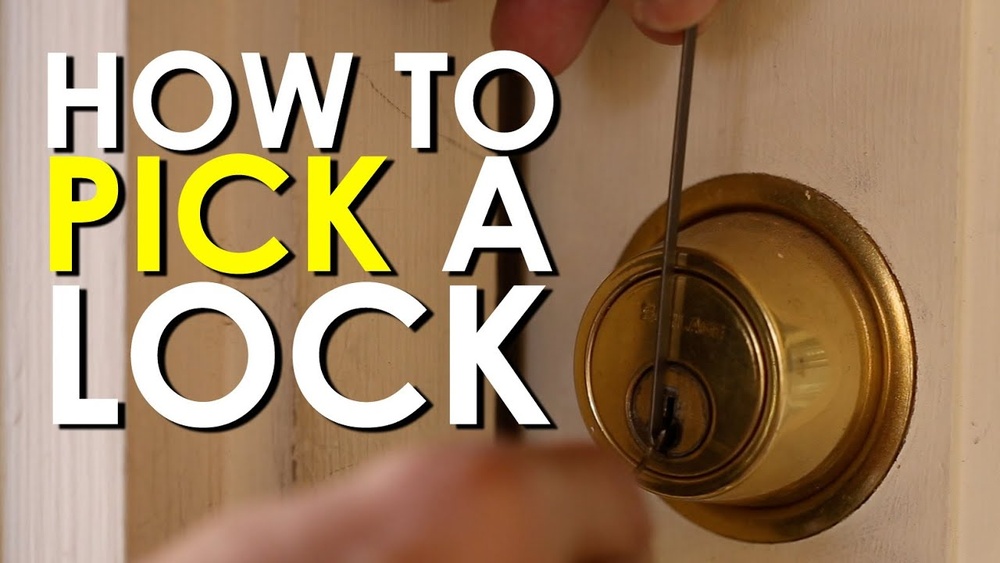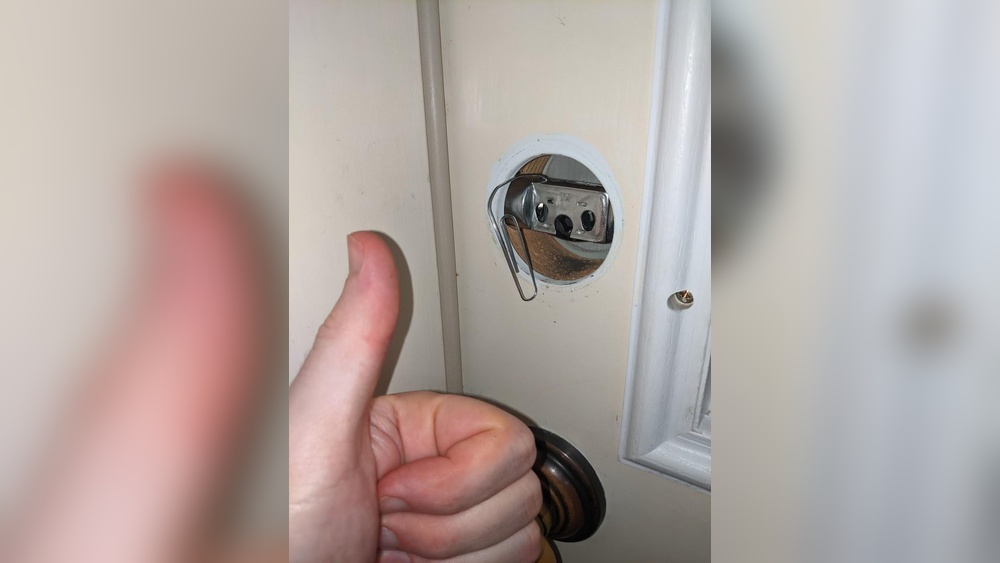
Have you ever faced the frustrating moment when your deadbolt lock just won’t budge? A jammed deadbolt can leave you feeling stuck and worried about your home’s security.
But don’t panic. You can fix this yourself with a few simple steps. You’ll discover easy and effective ways to remove a jammed deadbolt lock. Keep reading, and you’ll soon have your door working smoothly again—no expensive locksmith needed.

Credit: www.reddit.com
Common Causes Of Deadbolt Jams
Fixing a jammed deadbolt can be simple with the right tools. These tools help you save time and avoid damage to the lock. Knowing what to use makes the process faster and easier. Keep these essentials ready for quick deadbolt fixes.
Lubricants Suitable For Locks
Lubricants reduce friction inside the lock. They help the deadbolt move smoothly again. Use lubricants made for locks to avoid damage. Avoid thick grease or heavy oils. These can cause more jamming over time.
Screwdrivers And Pliers
Screwdrivers help remove the lock from the door. Use the right size for the screws to prevent stripping. Pliers can grip small parts or turn stubborn components. Both tools help access and fix the jammed deadbolt.
Graphite Powder Vs. Oil-based Lubricants
Graphite powder works well in dry conditions. It won’t attract dirt or dust. Oil-based lubricants can be messy and attract grime. Use graphite for long-lasting smoothness. Oil-based lubricants work for quick, short-term fixes only.
Cleaning Supplies
Cleaning removes dirt that blocks the lock mechanism. Use a soft brush or cloth to clean inside the keyhole. Compressed air can blow out dust and debris. Clean parts help the deadbolt work better and last longer.
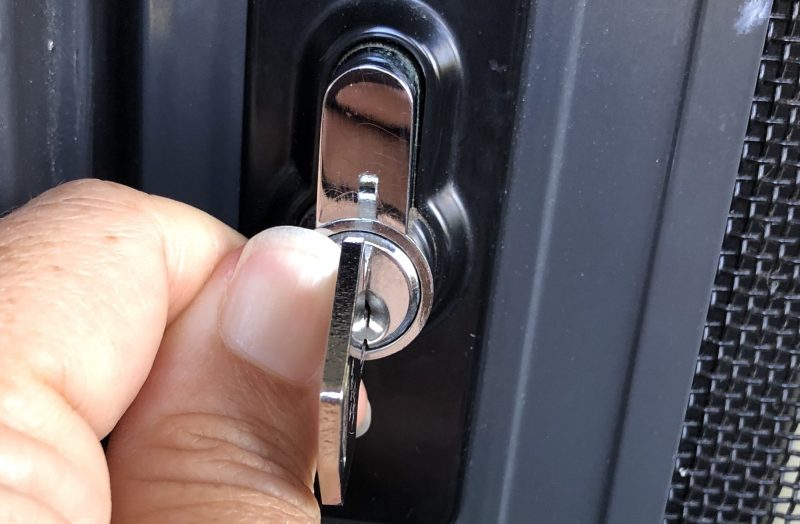
Credit: www.spscreens.com.au
Tools Needed For Quick Deadbolt Fixes
Dealing with a jammed deadbolt can be frustrating. This step-by-step guide helps you fix it quickly. Follow each step carefully to avoid damage.
Check Door Alignment
Start by checking if the door fits well in the frame. A misaligned door causes the deadbolt to jam. Close the door slowly. See if the bolt lines up with the strike plate. Adjust the hinges or the strike plate if needed.
Apply Lubricant Properly
Use a graphite or silicone spray lubricant. Avoid oil-based sprays as they attract dirt. Spray the lubricant inside the keyhole and on the bolt. Work the key in and out to spread the lubricant evenly.
Manually Move The Bolt
Try to move the bolt by hand. Use a flat tool to push or pull it gently. Do not force it hard. Moving the bolt can free any stuck parts inside the lock.
Tighten Loose Screws
Loose screws around the lock can cause jamming. Use a screwdriver to check all screws. Tighten any that feel loose. Secure screws help the lock parts move smoothly.
Clean Internal Mechanism
Dirt and debris inside the lock cause jams. Remove the lock from the door if possible. Use compressed air to blow out dust. Clean with a soft brush or cloth. Reassemble the lock after cleaning.
Step-by-step Guide To Fix A Jammed Deadbolt
Knowing when to use force on a jammed deadbolt is very important. Too much force can break the lock or door. Too little force might not fix the problem. Using the right amount keeps the lock safe and working well. This section explains how to use force carefully and avoid damage.
Gentle Tapping Techniques
Start with light taps on the lock or door. Use a small tool or the handle of a screwdriver. Tapping can help loosen stuck parts inside the lock. Keep your taps slow and steady. This method avoids sudden shocks that may cause harm.
Avoiding Excessive Pressure
Do not push or pull too hard on the key or lock. Excessive pressure can bend or break the key. It may also damage the lock cylinder. Apply steady, gentle force and stop if you feel resistance. Too much force often makes problems worse.
Using Rubber Mallets Safely
Rubber mallets work better than metal hammers for jams. They deliver soft, controlled hits that reduce damage risk. Hold the mallet firmly and tap the lock lightly. Do not hit hard or fast. Repeat the process slowly to ease the jam without harm.

Credit: diy.stackexchange.com
When To Use Force And How To Avoid Damage
Knowing when to call a locksmith for a jammed deadbolt lock saves time and stress. Some problems need professional tools and skills. Trying to fix serious issues alone can cause more damage. Understanding the signs helps you decide the right moment to ask for help.
Signs Of Serious Lock Damage
If the key won’t turn at all, the lock may be damaged inside. Broken key pieces stuck in the lock show serious trouble. Rust or bent parts that don’t move smoothly mean the lock needs expert care. Unusual noises or stiffness during turning also signal serious problems.
Risks Of Diy Repairs
Trying to fix a jammed lock without skills can make it worse. You might break the key or damage the lock’s mechanism. Using the wrong tools can scratch or bend parts. A broken lock can leave your door unsafe or stuck. Professionals know how to avoid these risks.
Cost Considerations
Fixing a lock yourself might seem cheap at first. But causing more damage leads to higher repair costs. Locksmiths charge for their time but save money by doing it right. They also provide guarantees on their work. Investing in a pro often costs less than replacing a broken lock.
Frequently Asked Questions
How Can I Fix A Jammed Deadbolt Lock Quickly?
Start by lubricating the lock with graphite or WD-40. Gently jiggle the key while turning to free the bolt. If stuck, remove the lock to check for internal damage or misalignment.
What Tools Do I Need To Remove A Jammed Deadbolt?
Common tools include a screwdriver, lubricant, pliers, and a hammer. These help loosen screws, lubricate parts, and carefully extract the lock without damage.
Can I Remove A Jammed Deadbolt Without Damaging The Door?
Yes, using proper tools and gentle methods avoids damage. Lubricate first, then carefully unscrew and extract the lock. Avoid forcing the lock to prevent harm to the door.
Why Does My Deadbolt Lock Get Jammed Frequently?
Frequent jamming often results from dirt buildup, rust, or misalignment. Regular cleaning and lubrication prevent jams. Also, ensure the door and frame are properly aligned.
Conclusion
Removing a jammed deadbolt lock takes patience and the right steps. Start with simple fixes like lubrication or realigning the bolt. Avoid forcing the lock to prevent damage. If these steps don’t work, consider calling a locksmith. Regular maintenance can help stop jams before they happen.
Keeping your deadbolt working smoothly protects your home and peace of mind. Try these tips to handle a jammed lock quickly and safely.