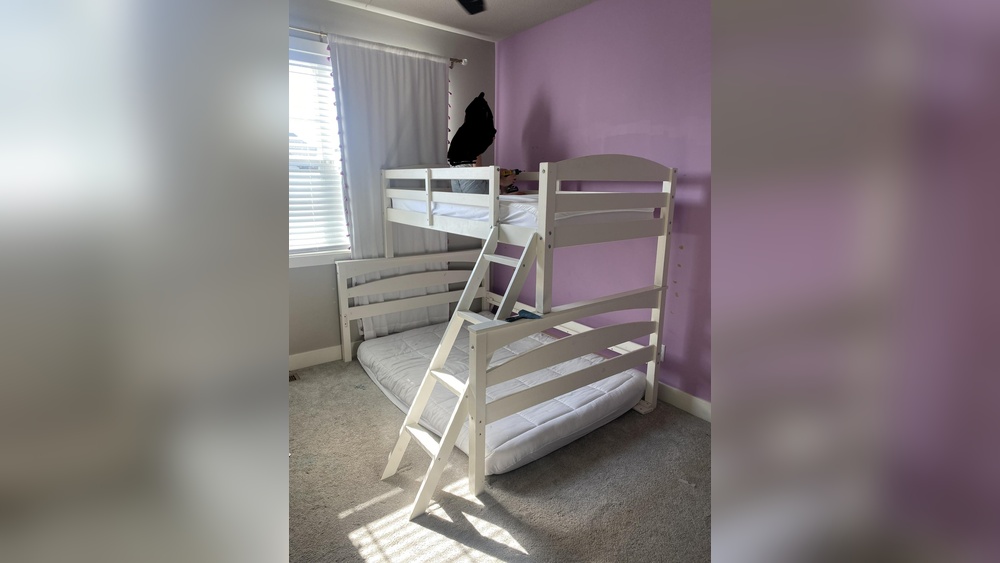
Have you ever worried about your dresser tipping over and causing a dangerous accident? Securing your dresser to the wall is one of the simplest and most effective ways to keep your home safe.
But what if you don’t have traditional tools or hardware handy? Using a zip tie to anchor your dresser might sound unusual, but it’s a clever, quick, and affordable solution you can try today. In this guide, you’ll learn exactly how to anchor a dresser to the wall with a zip tie—step by step.
Keep reading, because this easy trick could save you from a serious hazard and give you peace of mind.
Credit: www.cpsc.gov
Why Anchor Dressers
Anchoring dressers to the wall is a simple step that adds safety and stability. Dressers can easily tip over if not secured properly. This risk affects homes with children, pets, and heavy furniture. Using a zip tie or other anchoring tools keeps the dresser firmly in place.
Preventing Tip-over Accidents
Dressers can tip over when pulled or climbed on. This causes serious injuries. Anchoring stops the dresser from falling forward. It keeps the furniture stable during daily use. A secured dresser reduces the chance of accidents.
Protecting Children And Pets
Children and pets often climb or lean on furniture. This can cause dressers to fall on them. Anchors create a safer environment in homes. They protect loved ones from harm. Safety starts with securing heavy furniture.
Avoiding Furniture Damage
Tip-overs can damage dressers and floors. Anchoring prevents scratches and broken parts. It helps keep your furniture in good shape. A stable dresser lasts longer and looks better. Protect your investment by anchoring properly.
Tools And Materials Needed
Anchoring a dresser to the wall keeps it stable and prevents accidents. You need the right tools and materials for a secure hold. Having the correct items makes the task easier and safer.
Choosing The Right Zip Ties
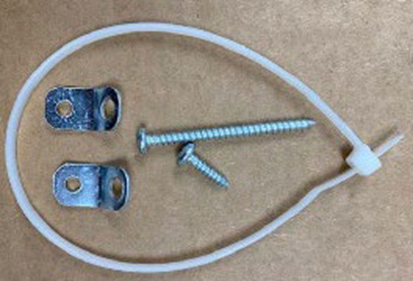
Pick strong, heavy-duty zip ties that can hold weight. Nylon zip ties are popular for their durability and flexibility. Check the length to ensure they wrap around the dresser and the wall anchor. Avoid thin or weak ties that can break easily.
Wall Anchors And Screws
Use sturdy wall anchors suited for your wall type—drywall, plaster, or concrete. Plastic expansion anchors work well for drywall. Match screws with anchors to fit tightly. The screws must be long enough to reach studs or secure anchors.
Additional Safety Gear
Wear safety goggles to protect your eyes from dust and debris. Gloves help prevent cuts and improve grip. A stud finder is useful to locate wall studs for stronger anchoring. A drill with the right bits makes installing anchors easier and faster.
Preparing The Dresser And Wall
Preparing the dresser and wall is the first step in securing your furniture safely. This step ensures the dresser stays in place and prevents accidents. You need to get the wall and dresser ready before attaching the zip ties or anchors.
Locating Wall Studs
Find the wall studs behind the drywall. Studs provide a strong place to anchor the dresser. Use a stud finder or tap the wall to hear a solid sound. Mark the stud locations with a pencil. Avoid drywall alone; it cannot hold the weight.
Cleaning And Positioning The Dresser
Clear the area around the dresser. Remove dust and dirt from the wall and dresser back. This helps the zip ties and anchors grip better. Move the dresser close to the wall but not too tight. Leave a small gap to prevent damage.
Marking Anchor Points
Identify the spots on the dresser where the zip ties will attach. Match these points with the wall stud marks. Use a pencil to mark both the dresser and wall. These marks guide you during installation and ensure a secure fit.
Credit: www.consumerreports.org
Step-by-step Anchoring Process
Anchoring a dresser to the wall with zip ties is a simple safety step. This process helps prevent the dresser from tipping over. Follow these clear steps to secure your dresser firmly. The key is to attach zip ties properly and test the stability afterward.
Attaching Zip Ties To The Dresser
Start by finding strong points on the dresser frame. These points hold the zip ties securely. Loop the zip tie around these spots tightly. Avoid loose loops to ensure a firm hold. Cut off any excess length for a neat finish.
Securing Zip Ties To Wall Anchors
Find a stud in the wall using a stud finder. Attach a wall anchor at this spot for strong support. Thread the zip tie through the anchor’s hook or bracket. Pull the zip tie tight against the wall. This locks the dresser to the wall safely.
Testing Stability
Gently push the dresser to check its movement. It should not wobble or tip. Tighten zip ties again if there is any looseness. Make sure the dresser feels solid and secure. This final step ensures your setup is safe.
Tips For Effective Zip Tie Anchoring
Zip tie anchoring offers a simple way to secure a dresser to the wall. It reduces tipping risks, especially in homes with kids. Effective zip tie anchoring needs careful steps and smart choices. Small details can make big safety differences.
Using Heavy-duty Zip Ties
Choose heavy-duty zip ties for strong support. These ties resist breaking and hold the dresser firmly. Thin or weak zip ties may snap under pressure. Look for ties rated for outdoor use or high strength. This ensures they last longer and keep the dresser safe.
Regular Safety Inspections
Check zip ties regularly for wear or damage. Over time, ties can weaken or crack. Replace any zip ties that show signs of wear. Regular checks keep the dresser secure and prevent accidents. Make inspections part of your home safety routine.
Combining With Other Anchoring Methods
Use zip ties along with brackets or straps for extra safety. Combining methods adds layers of protection. Wall anchors or furniture straps work well with zip ties. This approach secures the dresser firmly and lowers the risk of tipping.
Common Mistakes To Avoid
Anchoring a dresser to the wall with zip ties can be a simple safety step. Yet, many people make mistakes that reduce the strength and security of the anchor. Avoid these common errors to keep your dresser stable and safe.
Ignoring Wall Studs
Wall studs hold the weight of furniture best. Attaching zip ties only to drywall can cause the dresser to fall. Always find and secure the zip ties to wall studs. Use a stud finder to locate them quickly and accurately.
Using Inappropriate Zip Tie Sizes
Small or thin zip ties may snap under pressure. Choose heavy-duty zip ties made for holding weight. Make sure the length is enough to wrap tightly around both the dresser and wall anchor. Strong zip ties improve safety and last longer.
Overlooking Wear And Tear
Zip ties can weaken over time from heat and movement. Check them regularly for cracks or damage. Replace any zip ties that look worn out. This simple step keeps your dresser secure and prevents accidents.
Alternatives To Zip Tie Anchoring
Zip ties are a common way to anchor a dresser to the wall. Yet, other effective methods exist. These options offer different strengths and ease of use. Choosing the right method depends on your needs and tools available.
Furniture Straps
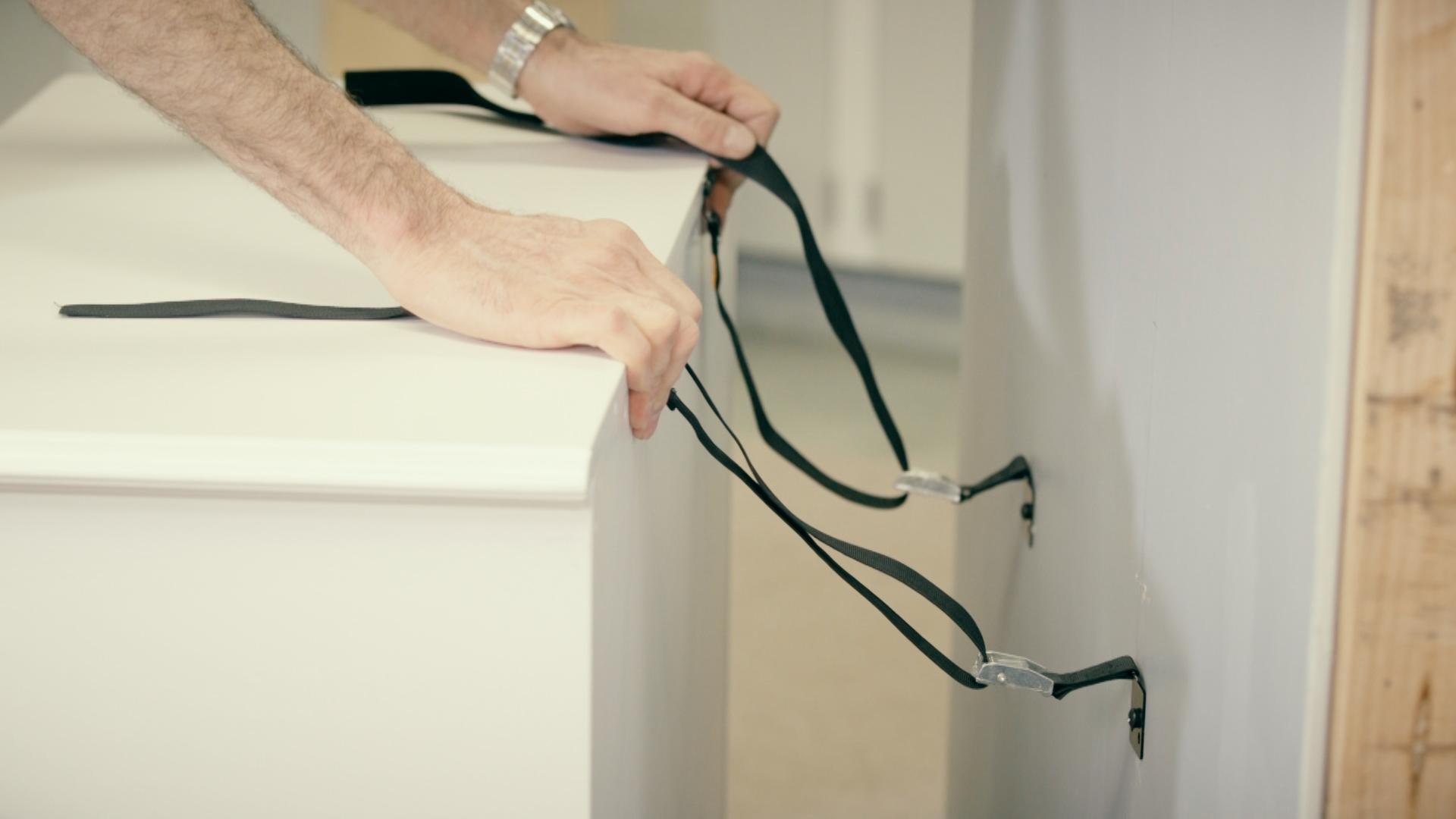
Furniture straps are strong and easy to install. They usually come with screws and anchors. Attach one end to the dresser and the other to the wall. These straps help prevent tipping and keep the dresser stable. They are often adjustable to fit different dresser sizes.
Brackets And L-brackets
Brackets, especially L-brackets, provide solid support. Attach one side to the dresser and the other to the wall. Screws hold the brackets firmly in place. This method offers strong resistance to movement. It works well for heavier dressers or uneven floors.
Velcro And Adhesive Solutions
Velcro strips and adhesive pads offer a quick fix. Stick one side to the dresser and the other to the wall. These solutions work best for light dressers and smooth walls. They avoid drilling holes but are less strong than straps or brackets. Good for temporary or less risky setups.

Credit: www.amazon.com
Frequently Asked Questions
How Do You Secure A Dresser With Zip Ties?
To secure a dresser with zip ties, attach them tightly between the dresser and wall anchor points. Use heavy-duty zip ties for durability. Ensure the dresser is stable and cannot tip over. This method adds safety, especially in homes with children or pets.
Can Zip Ties Hold A Heavy Dresser Safely?
Heavy-duty zip ties can support moderate dresser weight. However, combine zip ties with wall anchors or brackets for maximum safety. Zip ties alone may not withstand strong force or heavy tipping. Always check the weight rating of the zip ties you use.
What Tools Are Needed To Anchor A Dresser With Zip Ties?
You need heavy-duty zip ties, wall anchors or brackets, a drill, and a screwdriver. A stud finder helps locate wall studs for secure anchoring. Optionally, use a level to ensure the dresser is straight before securing.
Is Anchoring A Dresser With Zip Ties Child-safe?
Yes, anchoring a dresser with zip ties reduces tipping risks, making it safer for children. Secure the dresser firmly to prevent accidents. Always check and tighten zip ties periodically to maintain safety.
Conclusion
Anchoring a dresser to the wall with zip ties keeps it stable and safe. It prevents accidents, especially in homes with kids or pets. The process is simple and needs just a few tools. Always check the zip ties and wall anchors regularly for strength.
This small step can make a big difference in home safety. Try it today for peace of mind and a safer space.