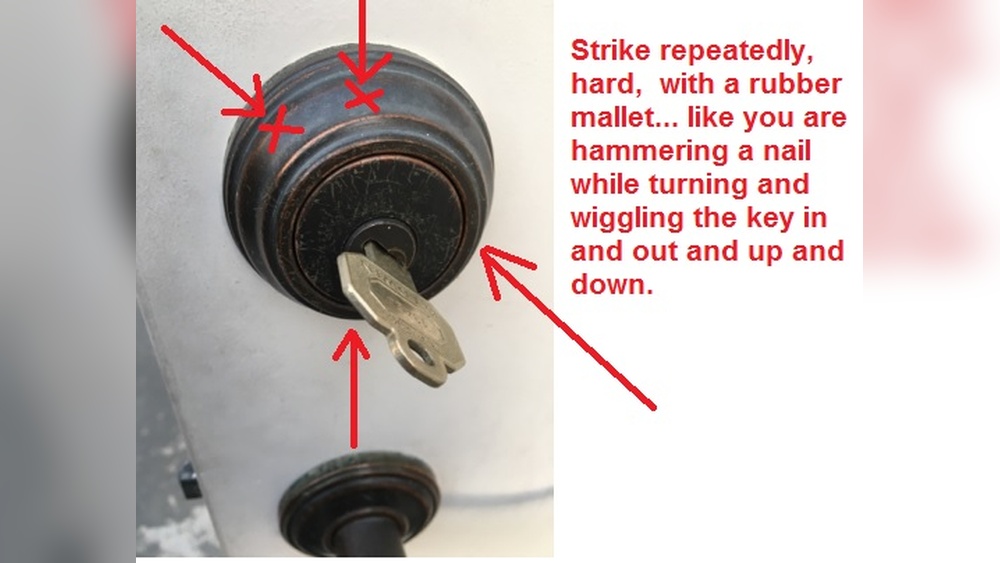
Have you ever found yourself locked out, staring at a deadbolt that just won’t budge? It’s frustrating, stressful, and can feel impossible to fix on your own.
But what if you could learn simple, effective ways to bypass a deadbolt lock without breaking it or calling a locksmith? You’ll discover practical tips that anyone can use to regain access quickly and safely. Keep reading—you’re about to unlock solutions that could save you time, money, and a lot of hassle.
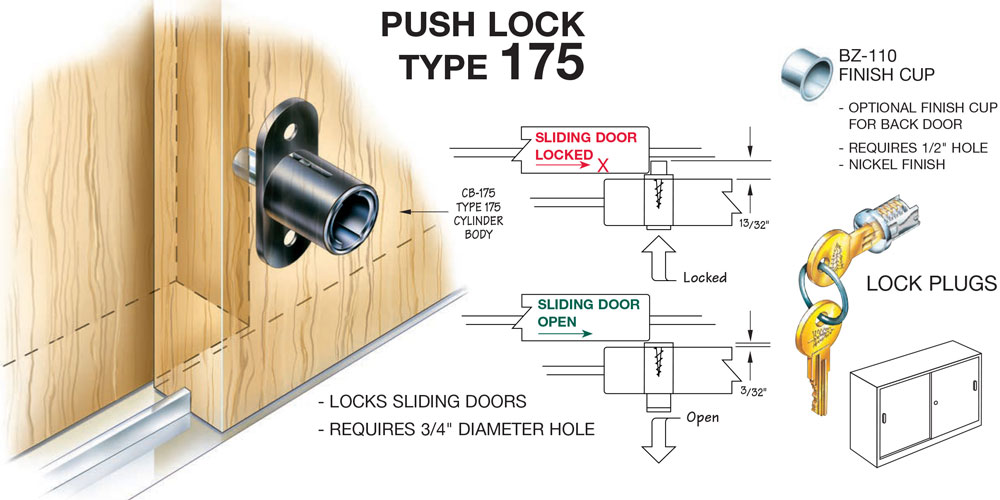
Credit: www.harborcitysupply.com
Types Of Deadbolt Locks
Deadbolt locks come in several types, each designed for specific security needs. Understanding these types helps in choosing the right lock for your door. This knowledge also aids in knowing how to bypass or handle different deadbolts safely and legally.
Single Cylinder Deadbolts
Single cylinder deadbolts have a keyhole on the outside. On the inside, they feature a thumb turn to lock or unlock. These are common in many homes. They are easy to use but can be vulnerable if there is a window near the door.
Double Cylinder Deadbolts
Double cylinder deadbolts need a key on both sides. This design increases security, especially when doors have glass panels. It prevents someone from opening the door from inside by breaking the glass. These locks require carrying a key at all times.
Keyless Deadbolts
Keyless deadbolts use a keypad or fingerprint scanner. No physical key is needed to open the door. They offer convenience and quick access. Some models allow setting temporary codes for guests or workers. Battery power is required for these locks to function.

Credit: securitysnobs.com
Common Bypass Techniques
Bypass techniques allow people to open deadbolt locks without the original key. These methods exploit weaknesses in lock design or installation. Understanding these techniques helps in improving home security. Below are some common ways deadbolt locks are bypassed.
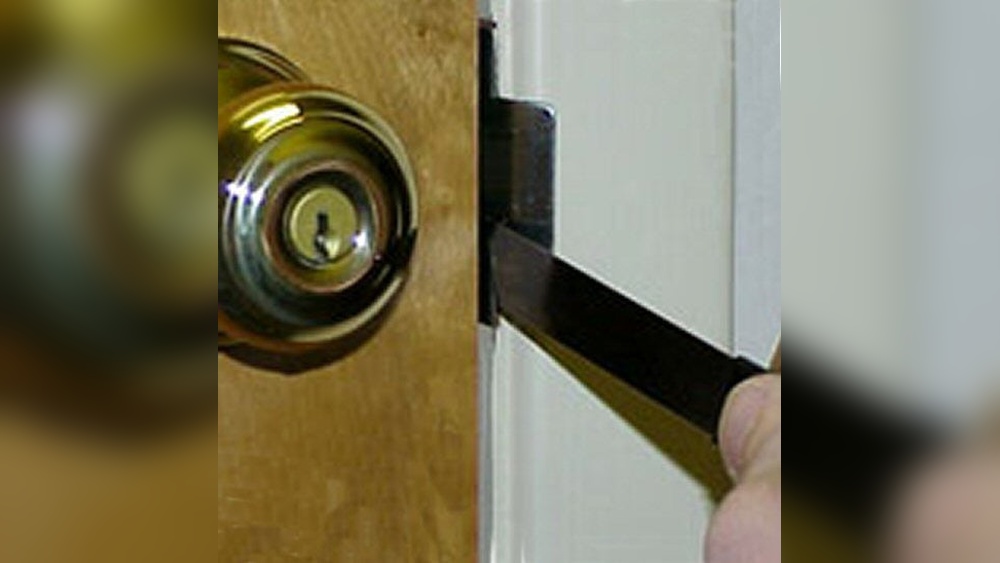
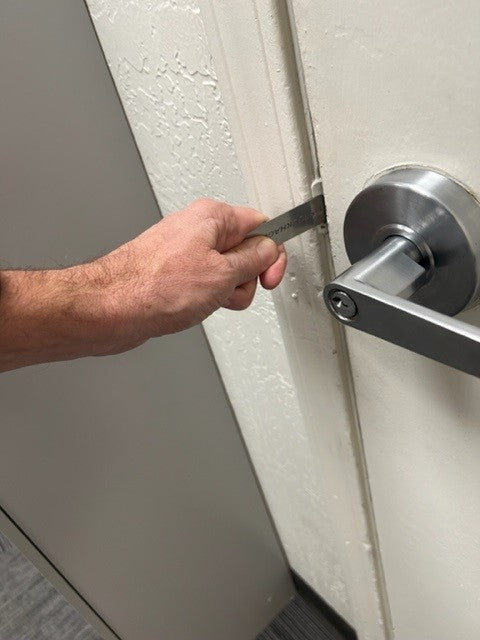
Shimming Method
Shimming involves inserting a thin piece of metal between the lock and the door frame. This metal pushes the lock bolt back inside the door. Shims are often made from aluminum or plastic. This method works best on spring-loaded deadbolts. It requires some practice and the right tools.
Lock Snapping
Lock snapping breaks the lock cylinder by force. Attackers use pliers or a hammer to snap the lock in half. This exposes the internal mechanism, allowing the lock to open easily. Many older locks are vulnerable to this method. Newer locks often have features to resist snapping.
Using Credit Cards
Using a credit card can slide between the door and the frame. The card pushes the latch back to open the door. This works only on spring latch locks, not deadbolts. The card must be flexible and strong. It is a simple and fast bypass technique.
Tools For Quick Bypassing
To bypass a deadbolt lock quickly, having the right tools is essential. These tools help you manipulate the lock mechanism with precision. Each tool serves a different purpose in the bypass process. Understanding their functions makes the task easier and faster.
Lock Picks
Lock picks are thin, metal tools designed to move the pins inside a lock. They come in various shapes for different lock types. Using lock picks requires patience and a gentle touch. Proper use can help you simulate the key’s movements inside the lock.
Tension Wrenches
Tension wrenches provide the necessary torque to turn the lock cylinder. They apply slight pressure while you work with the lock picks. Without a tension wrench, pins will not set correctly. This tool is small but vital for effective lock bypassing.
Bypass Tools
Bypass tools are specialized devices made to bypass certain lock parts directly. They can slide past the locking mechanism without picking pins. These tools speed up the bypass process significantly. Using bypass tools requires understanding the lock’s design.
Step-by-step Bypass Process
The step-by-step bypass process guides you through opening a deadbolt lock without a key. It breaks down each stage clearly. This makes the task simpler and easier to follow. Understanding these steps helps you handle the lock safely.
Preparing The Lock
Begin by examining the deadbolt lock closely. Check if the lock has any visible gaps or weak spots. Gather the right tools for bypassing, such as a tension wrench or a slim jim. Make sure the lock and door are stable before starting. Clear your workspace to avoid distractions.
Applying The Technique
Insert your chosen tool into the gap between the door and the frame. Move the tool gently to feel the lock’s internal parts. Use slight pressure to push or lift the deadbolt mechanism. Stay calm and patient as this step takes time. Avoid forcing the tool to prevent damage.
Testing And Adjusting
After applying pressure, test if the deadbolt moves smoothly. If not, adjust the tool’s position slightly. Try again with gentle, controlled movements. Repeat these steps until the lock clicks open. Confirm the door opens without resistance before finishing.
Legal And Ethical Considerations
Bypassing a deadbolt lock involves serious legal and ethical questions. Understanding these rules helps avoid trouble with the law. Respecting property rights is very important. Never attempt to bypass a lock without proper permission.
When Bypassing Is Permitted
Bypassing a deadbolt is allowed only in certain cases. Property owners can bypass their own locks. Locksmiths may bypass locks with the owner’s consent. Emergency situations, like fire or medical help, may allow bypassing. Always have clear proof of permission before proceeding.
Risks Of Illegal Entry
Entering a property without permission is illegal. It can lead to fines, arrest, or jail time. Damage to locks or doors can cause extra costs. Illegal entry harms trust and personal safety. Respecting laws protects you from legal trouble.
Seeking Professional Help
Professional locksmiths know legal rules well. They use safe and legal methods to bypass locks. Hiring experts reduces risks and damage. Professionals verify ownership before helping. Always choose licensed and reputable locksmith services.
Credit: www.lockpicks.com
Preventing Deadbolt Bypass
Deadbolt locks are key to home security. Bypassing these locks is a common way burglars gain entry. Preventing deadbolt bypass strengthens your safety. Simple steps can make a big difference.
Upgrading Lock Security
Old locks often have weak spots. Modern deadbolts offer stronger materials and designs. Choose locks with high security ratings. A better lock means fewer chances to bypass it. Consider locks with longer bolts and reinforced plates.
Installing Anti-snap Features
Lock snapping breaks the cylinder to enter. Anti-snap locks resist this attack. These locks have special sections that break safely outside. They keep the core intact and stop intruders. Installing anti-snap locks adds a strong defense.
Regular Maintenance Tips
Locks need care to work well. Check for rust, dirt, and loose parts often. Lubricate the lock with graphite or special oil. Tighten screws on the lock and door frame. A well-maintained lock stays harder to bypass.
Frequently Asked Questions
What Is A Deadbolt Lock Bypass?
A deadbolt lock bypass is a method to unlock a deadbolt without using the key. It exploits vulnerabilities or gaps in the lock’s mechanism. This technique is often used by locksmiths for emergencies or by homeowners to regain access.
Can You Bypass A Deadbolt Lock Legally?
Yes, you can bypass a deadbolt lock legally if you own the property or have permission. Unauthorized bypassing is illegal and considered breaking and entering. Always ensure you have proper authorization before attempting any lock bypass.
What Tools Are Used To Bypass Deadbolt Locks?
Common tools include credit cards, lock picks, bump keys, and tension wrenches. Each tool targets different lock vulnerabilities. Using these tools requires knowledge and practice to avoid damage or legal issues.
How Can I Prevent Deadbolt Lock Bypassing?
Install high-security deadbolts with anti-bypass features. Use reinforced strike plates and ensure door frames are sturdy. Regularly update locks and consider electronic or smart locks for added security.
Conclusion
Bypassing a deadbolt lock takes patience and the right tools. Always follow safe and legal steps. Understanding the lock’s mechanism helps a lot. Practice improves your skill and speed. Stay careful to avoid damage to the lock or door. Respect others’ property and privacy at all times.
Use this knowledge responsibly and only when necessary. Remember, safety first—never rush the process. Keep learning to handle locks better over time. This way, you stay prepared and confident.