Have you ever found yourself stuck with a key jammed inside a deadbolt? It’s frustrating, stressful, and can throw off your entire day.
But don’t worry—you’re not alone, and there are simple steps you can take to get that key out without damaging your lock or door. In this guide, you’ll discover easy and effective methods to free your stuck key quickly. Keep reading, and you’ll have your deadbolt working smoothly again in no time.

Credit: www.youtube.com
Common Reasons For A Stuck Key
Getting a key stuck in a deadbolt is a common problem. It can cause stress and delay your day. Knowing why keys get stuck helps you fix the issue quickly. Most problems come from simple causes that anyone can check and solve.
Worn Or Damaged Key
A key that is old or damaged may not fit well. Over time, the edges of the key can wear down. This wear stops the key from turning smoothly. Bent or broken keys also cause trouble. Using a worn key can jam the lock.
Misaligned Deadbolt
The deadbolt must line up with the strike plate on the door frame. If the door or frame shifts, the bolt may not slide in properly. This misalignment traps the key inside. Even small changes in the door’s position can cause this.
Debris Inside The Lock
Dust, dirt, and small objects can get stuck inside the lock. This debris blocks the key from moving fully. Locks near the ground or outside often collect dirt. Cleaning the lock helps the key move freely again.
Frozen Lock Mechanism
Cold weather can freeze the lock’s internal parts. Ice inside the lock stops the key from turning. Frozen locks are common in winter months. Warm the lock carefully to melt the ice and free the key.
Quick Fixes To Try First
Getting a key stuck in a deadbolt can be frustrating. Before calling a locksmith, try some quick fixes. These simple steps may help free the key fast. They need only a few tools or nothing at all.
Start with gentle methods. Avoid force that may break the key or damage the lock. Small efforts often solve the problem without extra cost or hassle.
Lubricating The Lock
Spray a small amount of graphite or silicone lubricant inside the keyhole. Avoid oil-based sprays that attract dirt. Let the lubricant sit for a minute. It helps the key slide out smoothly. Insert and remove the key gently a few times to spread the lubricant.
Gently Wiggle The Key
Hold the key and move it slowly side to side. Do not pull hard. Wiggling helps release the key if it is stuck on pins inside the lock. Patience is key. Stop if you feel resistance increasing. Try small movements to avoid breaking the key.
Using Pliers Carefully
Use needle-nose pliers for a better grip on the key. Hold the key near the lock surface. Pull gently straight out. Avoid twisting or bending the key. Pliers add control but too much force can snap the key inside the lock.
Tapping The Lock Lightly
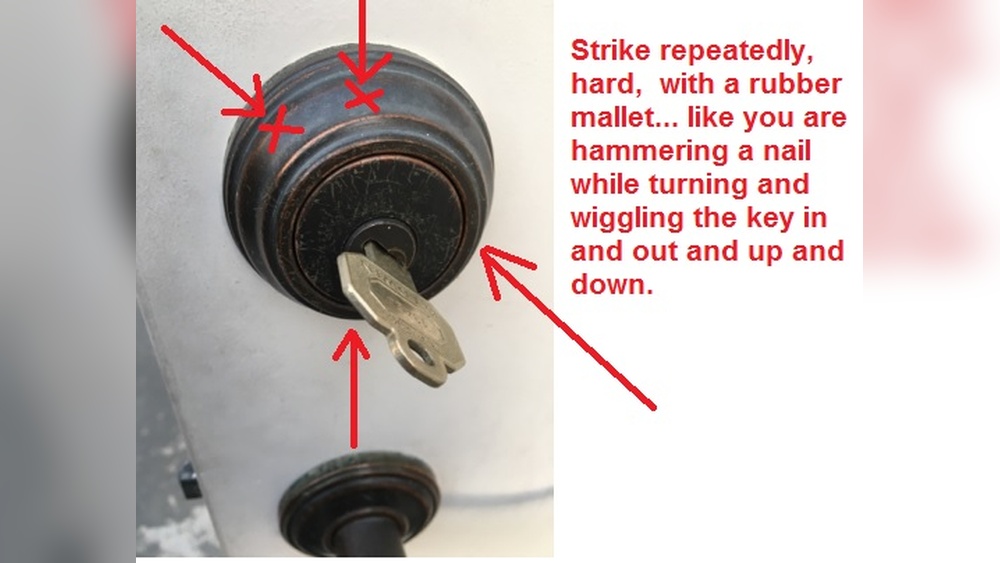
Use the handle of a screwdriver or a small hammer. Tap the lock lightly while pulling the key. This can loosen debris inside the lock. Tapping helps if the key is stuck due to dirt or rust. Do not hit hard or strike the door frame.
Tools That Can Help
Removing a key stuck in a deadbolt can be tricky. Having the right tools makes the job easier. These tools help you handle the lock carefully and avoid damage. Some tools help loosen the key. Others help pull it out safely.
Graphite Powder
Graphite powder is a dry lubricant. It reduces friction inside the lock. Sprinkle a small amount into the keyhole. This helps the key slide out smoothly. It does not attract dust or dirt. A clean and lubricated lock works better.
Wd-40 Or Similar Lubricants
WD-40 is a liquid lubricant that loosens stuck parts. Spray a little into the keyhole. It helps free the key by reducing rust and grime. Use it sparingly to avoid mess. Wait a few minutes before trying to remove the key.
Lock Pick Sets
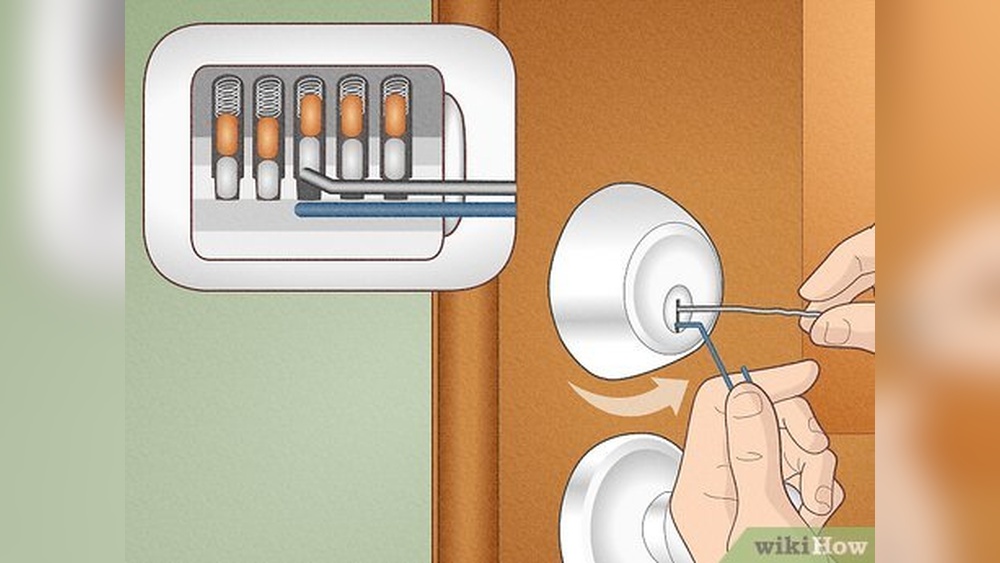
Lock pick sets contain small tools for lock manipulation. They help release the key by moving pins inside. Using picks requires some practice and care. This tool is useful if the key is jammed deep inside.
Tweezers Or Small Pliers
Tweezers or small pliers help pull out the key gently. Use them only if part of the key sticks out. Grip the key firmly but do not bend it. Pull slowly to avoid breaking the key inside the lock.

Credit: www.youtube.com
Step-by-step Removal Techniques
Removing a key stuck in a deadbolt can be tricky. Follow these steps carefully to avoid damage. Each technique helps to free the key safely. Take your time and work gently. These methods improve your chance of success.
Applying Lubricant Correctly
Use a graphite or silicone-based lubricant. Spray it inside the keyhole, not the key itself. Let the lubricant sit for a few minutes. It reduces friction and eases the key’s movement. Avoid oil-based lubricants that attract dust and dirt.
Aligning The Deadbolt
Check if the deadbolt is fully turned or stuck. Try to move the key slightly while pushing or pulling the bolt. Align the bolt with the lock mechanism. This alignment often frees the key. Small adjustments can make a big difference.
Extracting A Broken Key
Use needle-nose pliers or tweezers for broken keys. Grip the key piece gently but firmly. Pull it out slowly in the same direction it entered. Avoid pushing the broken piece further inside. If the piece is deep, consider professional help.
When To Use Lock Picking
Lock picking should be a last option. Only try if you understand the tool and lock well. Use a tension wrench and pick carefully. Apply gentle pressure to avoid damage. If unsure, contact a locksmith to prevent harm.
Preventing Future Key Jams
Key jams in deadbolts cause frustration and delay. Preventing these jams saves time and stress. Simple habits keep your lock working smoothly. Follow practical tips to reduce the risk of stuck keys.
Regular Lock Maintenance
Clean your lock every few months. Use a soft brush or cloth to remove dust. Apply graphite lubricant to keep the mechanism smooth. Avoid oil-based lubricants as they attract dirt. Check for loose screws and tighten if needed. Regular care prevents buildup that causes jams.
Using Spare Keys
Rotate between your keys to avoid wear. Using the same key all the time causes stress. Spare keys reduce pressure on the lock pins. Keep spare keys in safe, accessible places. This habit extends the life of your deadbolt.
Avoiding Excessive Force
Turn the key gently without pushing hard. Forcing the key can bend or break it. If the key resists, try wiggling it slightly. Do not use tools to force the key. Gentle handling protects both the key and the lock.
Seasonal Care Tips
Cold weather can make locks stiff. Use a lock de-icer or warm cloth in winter. Keep locks dry to prevent rust in humid months. Check locks before and after harsh weather. Proper seasonal care keeps the deadbolt reliable year-round.

Credit: www.wikihow.com
When To Call A Locksmith
Knowing when to call a locksmith can save time and prevent damage. Trying to fix a deadbolt key problem alone might make things worse. Professionals have the right tools and skills to help quickly and safely.
Signs You Need Professional Help
The key is stuck and will not move at all. You hear strange noises inside the lock. The key breaks inside the deadbolt. The lock feels loose or damaged. You have tried several times but cannot remove the key. These signs show a locksmith is needed.
Cost Considerations
Calling a locksmith may cost more than a DIY fix. Yet, avoiding damage can save money later. Some locksmiths charge a flat fee. Others add charges for emergency or night calls. Ask for an estimate before work begins. Spending a little now can prevent bigger costs.
Choosing The Right Locksmith
Find a locksmith with good reviews and proper licensing. Check their experience with deadbolt locks. Verify if they offer emergency services. Compare prices from a few providers. A trustworthy locksmith makes the process easier and safer.
Frequently Asked Questions
How Can I Safely Remove A Key Stuck In A Deadbolt?
To safely remove a stuck key, apply gentle wiggling while pulling it out steadily. Lubricate the lock with graphite or WD-40. Avoid force to prevent breaking the key inside the deadbolt.
What Tools Help Extract A Key From A Deadbolt?
Common tools include needle-nose pliers, tweezers, and a lubricant spray. Use them carefully to grip and pull out the key without damage. Avoid using sharp objects that might worsen the situation.
Why Does A Key Get Stuck In A Deadbolt Lock?
Keys often get stuck due to dirt buildup, rust, or misalignment inside the lock. Worn or damaged keys and locks also cause jamming. Regular cleaning and maintenance prevent key sticking issues.
Can I Fix A Stuck Deadbolt Key Without A Locksmith?
Yes, gentle lubrication and careful wiggling can free the key. If the key is broken or deeply stuck, professional help is recommended to avoid further damage.
Conclusion
Getting a key stuck in a deadbolt can be frustrating. Stay calm and try simple steps first. Gently wiggle the key while pulling it out. Use a bit of oil to loosen the lock. Avoid forcing the key, as it may break.
If these tips don’t help, call a professional locksmith. Taking quick action can save time and money. Remember, safety and patience matter most in this situation. Keep your lock well maintained to prevent future problems. Small care goes a long way in keeping your lock working smoothly.