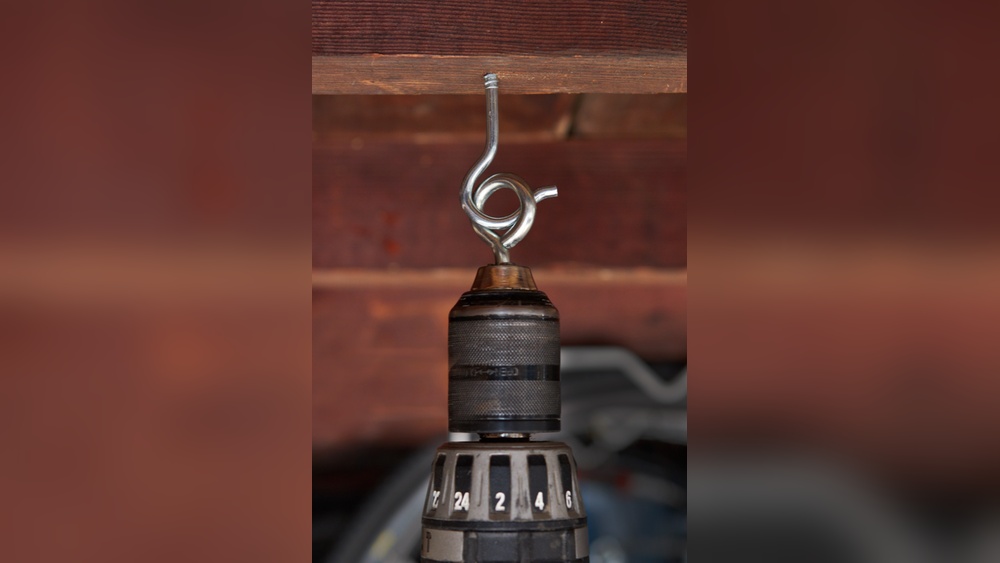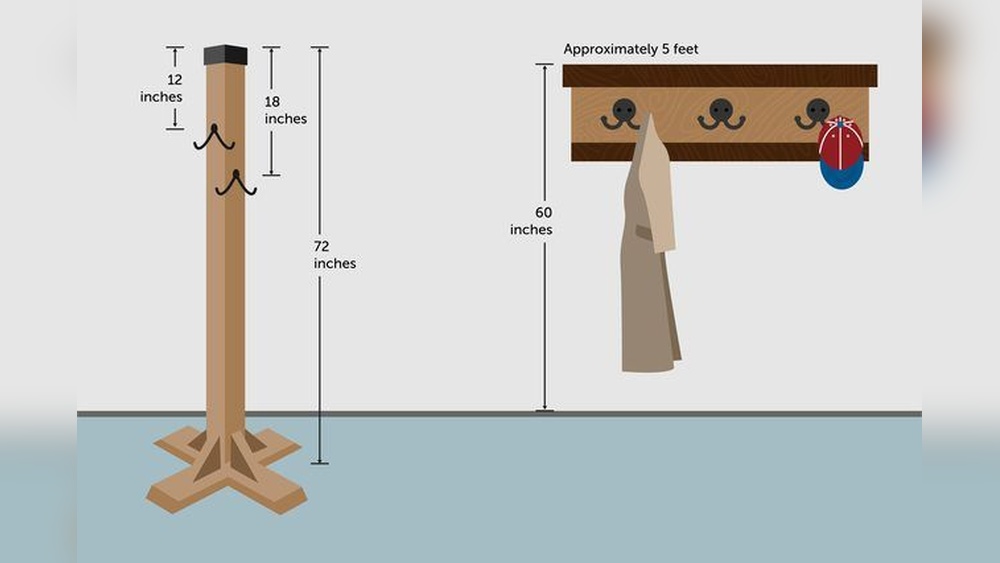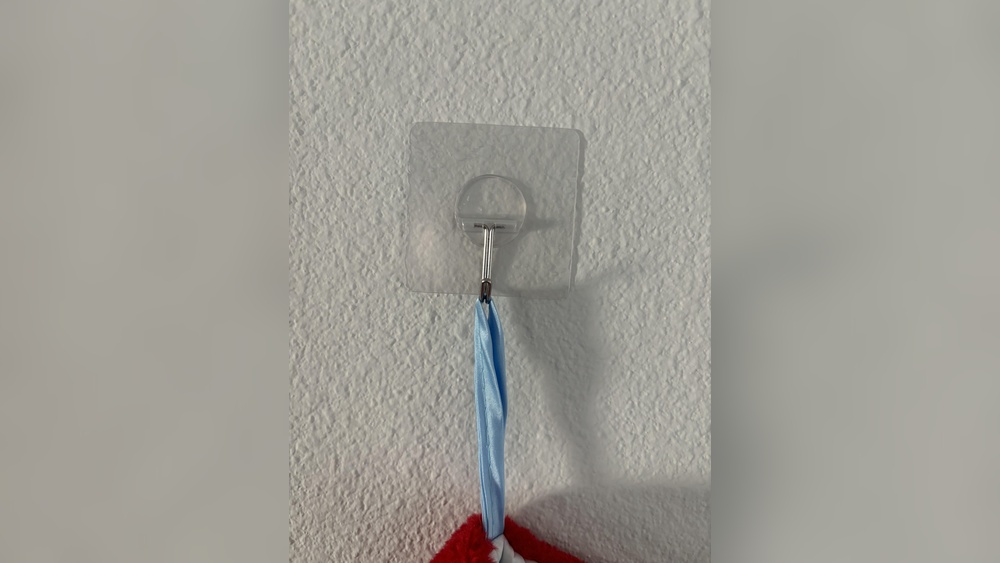
Have you ever stared at an old hook stuck on your wall, wondering how to get rid of it without leaving a mess? Those stubborn hooks can be a real headache, damaging your walls or leaving behind unwanted marks.
But what if you could remove them quickly, cleanly, and without stress? You’ll discover simple, effective ways to take down those old hooks and restore your walls to their original look. Keep reading—you’ll be amazed at how easy it can be to fix your walls and reclaim your space.
Tools Needed
Removing old hooks stuck on walls requires the right tools. Using proper tools helps avoid wall damage. It also makes the job faster and easier.
Basic Household Tools
Start with simple tools found in most homes. A flathead screwdriver helps lift the hook gently. Pliers provide a strong grip for pulling. A putty knife can slide under the hook to loosen it. A utility knife helps cut any stuck adhesive. Keep a cloth handy to clean small wall marks.
Specialized Removal Tools
Some hooks need special tools for safe removal. A hook removal tool has a thin, curved blade. It slides behind the hook to pry it off. A heat gun softens glue or adhesive. Use it carefully to avoid wall burns. A stud finder locates wall studs to protect them during removal.
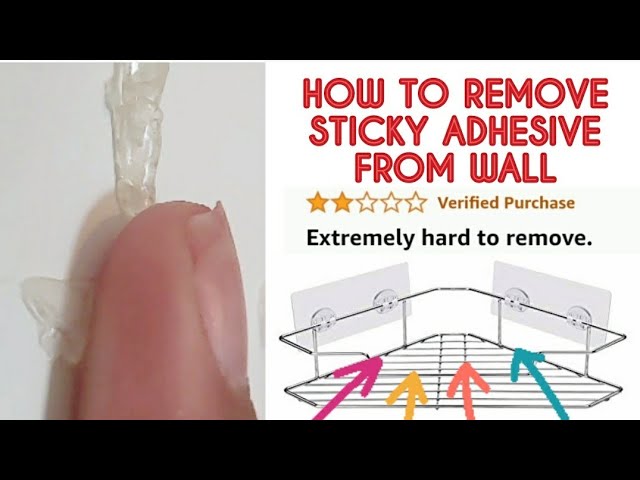
Credit: www.youtube.com
Safety Precautions
Removing old hooks stuck on walls requires care to avoid injury and damage. Safety should be the first step before starting the job. Taking simple precautions can protect your hands, eyes, and the wall itself. This section covers important safety tips to follow.
Protective Gear
Wear gloves to protect your hands from sharp edges or nails. Safety glasses shield your eyes from dust or debris. Use a mask if the wall paint is old or peeling. Proper gear keeps you safe during the removal process.
Wall Surface Care
Test a small spot before applying any tool or chemical. Avoid using too much force to prevent wall damage. Use gentle tools like plastic scrapers rather than metal ones. After removal, clean the area softly to maintain the wall’s finish.
Removing Hooks From Drywall
Removing hooks from drywall needs care to avoid damage. Drywall is soft, so pulling hard can leave holes or tears. Using the right method helps keep your walls smooth and clean. This section explains easy steps to remove old hooks safely.
Using Heat To Loosen Adhesive
Some hooks stick with glue or adhesive strips. Heat softens the glue and makes removal easier. Use a hairdryer on low heat. Hold it close to the hook for about 30 seconds. The warmth loosens the glue’s grip. Then, gently pull the hook away from the wall.
Prying Hooks Gently
Use a flat tool like a butter knife or putty knife. Slide the tool under the hook base carefully. Lift slowly to avoid ripping drywall paper. Work the tool back and forth to loosen the hook’s hold. Stop if you feel strong resistance. This method reduces wall damage risk.
Filling Holes And Touching Up
Small holes remain after removing hooks. Fill these with spackling paste or wall filler. Use a putty knife to smooth the surface. Let the filler dry completely. Sand the area lightly to blend with the wall. Finish by painting over the patch for a clean look.

Credit: www.reddit.com
Removing Hooks From Tile Or Glass
Removing hooks from tile or glass surfaces needs care. These materials can crack or scratch easily. Using the right methods keeps your walls safe. Follow simple steps to remove old hooks without damage.
Softening Adhesive With Warm Water
Warm water helps loosen sticky glue on tiles and glass. Dampen a cloth with warm water. Hold it over the hook’s base for several minutes. This softens the adhesive, making hook removal easier. Avoid soaking too long to protect surfaces.
Using Plastic Scrapers
Plastic scrapers gently lift hooks without scratching. Slide the scraper carefully under the hook’s edge. Work slowly to separate the hook from the surface. Avoid metal tools as they can cause damage. Plastic scrapers are safe and effective for this task.
Avoiding Surface Damage
Prevent cracks and scratches by being gentle. Do not pull hooks hard or fast. Use steady pressure and patience. Test your tools on a small area first. Clean the surface with mild soap after removing hooks. This keeps tiles and glass smooth and clean.
Removing Hooks From Wood Surfaces
Removing old hooks from wood surfaces can be tricky. The wood might crack or get damaged if you are not careful. You need the right steps to protect the wood and remove the hooks smoothly.
Wood is a soft material. It needs gentle handling to avoid marks or splits. Using the right tools and methods helps keep the wood in good condition.
Loosening Hooks Without Splitting Wood
Start by loosening the hook gently. Use a flathead screwdriver or a butter knife. Slide it under the hook base carefully. Move it side to side to lift the hook slightly.
Apply a little bit of oil around the hook base. This helps reduce friction and loosens the hook. Wait for a few minutes for the oil to work.
Pull the hook slowly once it feels loose. Avoid forcing it out quickly. Slow pulling reduces the risk of splitting the wood.
If the hook is very tight, use pliers with soft jaws. This grips the hook without squeezing too hard. Pull straight out to avoid bending or breaking the wood.
Sanding And Refinishing
After removing the hook, check the wood surface. Sand the area lightly with fine-grit sandpaper. This removes any rough edges or leftover glue.
Use gentle, circular motions to smooth the wood. Don’t press too hard to avoid deep scratches. Wipe the dust off with a clean cloth.
Apply a matching wood finish or stain to the sanded spot. This restores the wood’s natural look. Let it dry completely before using or painting over it.
Refinishing protects the wood and keeps it looking fresh. It hides any marks left by the old hook.
Dealing With Stubborn Hooks
Old hooks stuck on walls can be tough to remove. They hold tight, leaving marks and damage behind. Patience and the right methods help loosen them safely. Here are two useful ways to deal with stubborn hooks without harming your walls.
Applying Solvents Safely
Solvents like rubbing alcohol or adhesive remover soften glue under hooks. Apply a small amount on a cloth or cotton ball. Dab gently around the hook base. Let it sit for a few minutes. The glue will start to break down.
Use a plastic scraper to lift the hook carefully. Avoid harsh scrubbing to protect paint or wallpaper. Always test solvent on a hidden spot first. This prevents stains or damage to your wall surface.
Using Heat Guns And Hair Dryers
Heat helps loosen sticky glue holding hooks tight. Use a heat gun or hair dryer on low heat setting. Direct warm air at the hook base for 30 to 60 seconds. The glue softens and becomes easier to peel off.
Move the heat source slowly to avoid burning the wall. Gently pull the hook away while heating. Stop if the wall feels too hot. This method works well on painted walls and wallpaper.
Preventing Wall Damage
Removing old hooks from walls can cause damage if done carelessly. Preventing wall damage saves you time and money. It keeps your walls smooth and ready for new decorations. Using the right methods helps avoid holes, scratches, or peeling paint. Small steps make a big difference in preserving your wall’s look.
Proper Removal Techniques
Start by loosening the hook gently. Use a flat tool like a putty knife to lift the edges. Avoid pulling the hook hard; this can tear the wall. If the hook is stuck, try warming the area with a hairdryer. Heat softens glue or paint around the hook. Pull slowly and steadily after heating. Clean the area with mild soap and water to remove residue. Pat the wall dry before patching any holes.
Choosing The Right Hooks Next Time
Pick hooks designed for your wall type. Use adhesive hooks that peel off easily without damage. Look for hooks with weight limits that suit your needs. Avoid heavy hooks on drywall without support. Hooks with smooth backs reduce paint damage. Test a small area before full use. This choice helps in easy removal later. Your walls will thank you.
Tips For Quick Cleanup
Removing old hooks from walls can leave behind marks and sticky residue. Quick cleanup helps your walls look fresh fast. Using simple methods makes the job easier and less messy.
Here are some tips for cleaning up after removing hooks. Follow these steps to restore your wall’s appearance and remove leftover residue.
Removing Residue
Sticky residue often stays after pulling off hooks. Use a soft cloth and warm soapy water to wipe the area. For tougher glue, try rubbing alcohol or a small amount of cooking oil. Gently rub the residue until it loosens. Avoid harsh scrubbing to protect the paint or wallpaper.
Restoring Wall Appearance
After residue removal, walls may have small holes or marks. Fill holes with a light spackle or wall putty. Smooth the surface with a putty knife and let it dry. Lightly sand the area for an even finish. Touch up with matching paint to blend the repair. Your wall looks clean and ready for new decorations.

Credit: www.youtube.com
Frequently Asked Questions
How Do I Safely Remove Old Hooks From Walls?
To safely remove old hooks, gently wiggle the hook while pulling it straight out. Use a hairdryer to soften adhesive if needed. Avoid force to prevent wall damage. Patch holes with spackle and sand smooth for a clean finish.
What Tools Are Best For Removing Stuck Wall Hooks?
Use pliers, a hairdryer, and a putty knife to remove stuck hooks. Pliers help grip, hairdryer softens adhesive, and putty knife lifts hooks gently. These tools minimize wall damage during removal.
How Can I Fix Wall Damage After Hook Removal?
Fill holes with spackle or wall filler using a putty knife. Let it dry, then sand smooth. Repaint the area to match the wall color for a seamless look.
Are There Safe Methods To Remove Adhesive Hooks?
Yes, heat the adhesive with a hairdryer for 30 seconds. Slowly peel the hook away from the wall. Use rubbing alcohol to remove leftover residue safely.
Conclusion
Removing old hooks from walls does not have to be hard. Take your time and use the right tools. Gently pull or twist the hook to avoid wall damage. Use simple household items like a hairdryer or soap for stuck hooks.
Clean the area after removal to prepare for new decoration. Small steps make the process easier and safer. Now, your walls look fresh and ready for a new look. Give it a try—you will be surprised how simple it can be.