Have you ever tried to remove an anchor from a plaster wall and ended up making a bigger mess? You’re not alone.
Getting an anchor out without damaging your wall can be tricky, but it’s not impossible. In this post, you’ll learn simple, effective steps to safely remove anchors and keep your plaster walls looking great. Stick with me, and you’ll save time, avoid costly repairs, and feel confident tackling this common home project yourself.
Let’s get started!
Types Of Wall Anchors
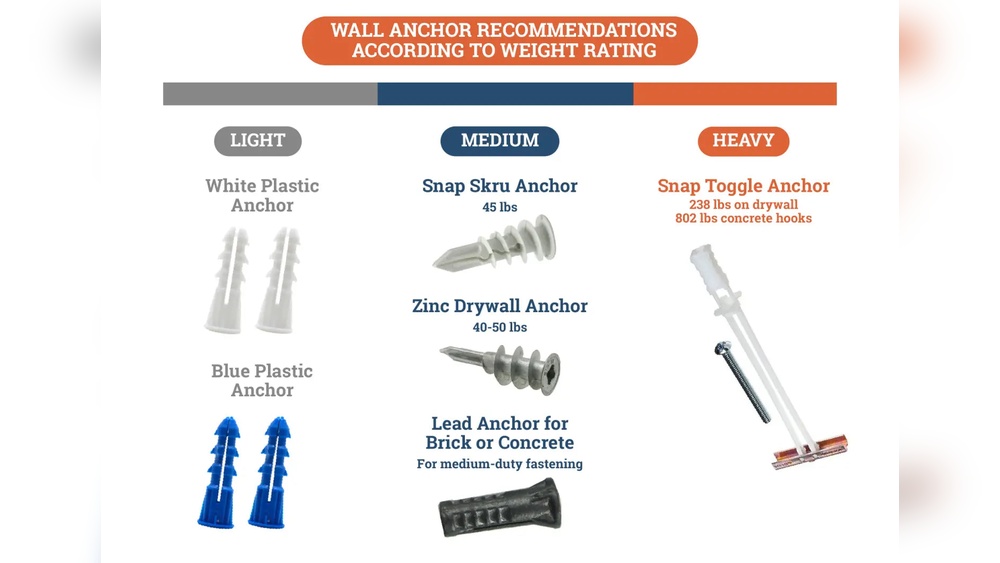
Wall anchors come in different types. Each type works best for certain wall materials and weights. Understanding these types helps you remove anchors safely from plaster walls. It also helps you choose the right anchor for your project.
Plastic Expansion Anchors
Plastic expansion anchors are common and easy to use. They are made of plastic and expand when you insert a screw. These anchors hold light to medium loads. They work well in plaster but can break if forced.
Metal Anchors
Metal anchors are stronger than plastic ones. They are made of steel or other metals. These anchors can hold heavier items on plaster walls. They resist bending and provide good support.
Toggle Bolts
Toggle bolts have wings that open inside the wall. The wings spread the load over a larger area. This makes toggle bolts strong for heavy objects. They are a good choice for hollow plaster walls.
Molly Bolts
Molly bolts are metal anchors that expand behind the wall. They create a secure hold in plaster. Molly bolts work well for medium to heavy loads. They are easy to install and remove carefully.
Tools Needed
Removing an anchor from a plaster wall needs the right tools. These tools help you work carefully and avoid damage. Prepare all tools before starting the task. It makes the process quicker and safer.
Screwdrivers And Pliers
Screwdrivers help you turn screws or anchors. Choose a flathead or Phillips screwdriver based on the anchor type. Pliers grip and pull out anchors that are stuck. Needle-nose pliers work best for small or tight spaces.
Drill And Drill Bits
A drill can loosen anchors inside the wall. Use a drill bit that matches the anchor size. Drilling gently prevents cracking the plaster. It also helps break the anchor for easy removal.
Utility Knife
A utility knife cuts around the anchor’s edges. This helps separate the plaster from the anchor. Use it carefully to avoid making large holes. A sharp blade gives cleaner cuts and better control.
Putty Knife
The putty knife lifts and pries the anchor out. It slides under the anchor to loosen it. Use a flexible putty knife for better control. It can also help smooth the wall after removal.
Preparing The Area
Preparing the area before removing an anchor from a plaster wall is important. It helps keep the workspace safe and clean. Taking a few simple steps makes the process easier and protects your wall from damage.
Clearing Surrounding Space
Start by removing any furniture near the wall. Move fragile items to another room or cover them. This prevents dust and debris from settling on your belongings. A clear space also gives you room to work comfortably. It reduces the risk of accidents or breaking something.
Protecting The Wall Surface
Cover the wall around the anchor with painter’s tape. This shields the plaster from scratches and chips. Use a soft cloth or plastic sheet on the floor below. It catches dust and falling debris. Protecting the wall and floor keeps your space tidy. It saves time on cleaning after the job is done.
Removing Plastic Expansion Anchors
Removing plastic expansion anchors from plaster walls can be tricky. These anchors grip tightly inside the wall, making them hard to pull out. Care is needed to avoid damaging the plaster around the hole. The method depends on how the anchor is set and how deep it sits in the wall.
Try simple methods first. Use tools you have at home. Work patiently and gently. This will help keep your wall safe while removing the anchor.
Unscrewing The Anchor
Start by trying to unscrew the anchor. Use a screwdriver that fits the anchor’s screw head well. Turn the screwdriver slowly counterclockwise. This may loosen the anchor and pull it out with the screw.
Do not force the screw too hard. If it feels stuck, stop and try another method. Unscrewing is the least damaging way to remove the anchor.
Prying Out With Pliers
If unscrewing does not work, try using pliers. Grip the anchor’s outer edge firmly with the pliers. Pull gently while rocking the anchor back and forth. This action helps loosen the anchor from the plaster.
Be careful not to pull too hard. The plaster might crack. Use steady, small movements to ease the anchor free.
Using A Drill For Stubborn Anchors
For anchors that refuse to budge, use a drill. Choose a drill bit slightly smaller than the anchor’s diameter. Drill slowly into the center of the anchor.
This breaks the anchor apart inside the wall. After drilling, try pulling out the pieces with pliers. This method can damage the wall slightly. Fill and repair the hole after removal.
Removing Metal Anchors And Toggle Bolts
Removing metal anchors and toggle bolts from plaster walls can be tricky. These anchors hold firmly, designed to support heavy items. Removing them without damaging the wall requires care and the right steps. This section explains simple ways to get metal anchors and toggle bolts out safely.
Unscrewing Toggle Bolts
Start by unscrewing the bolt from the toggle. Use a screwdriver that fits the bolt head well. Turn the screw counterclockwise. This loosens the bolt and frees the toggle inside the wall. Keep steady pressure to avoid slipping and damaging the wall.
Pushing Anchors Through The Wall
If the anchor stays stuck, try pushing it through the wall. Use a sturdy tool like a screwdriver or a punch. Gently tap the anchor until it moves inside the wall cavity. This method leaves a small hole, easier to repair later.
Cutting Off The Anchor Head
When the anchor cannot be removed by pulling, cut off its head. Use a hacksaw or a rotary tool with a metal-cutting blade. Cut flush with the wall surface. After cutting, push the remaining part into the wall. Fill the hole with plaster or putty for a smooth finish.

Credit: www.wikihow.com
Fixing Wall Damage
Removing an anchor from a plaster wall often leaves holes or cracks. Fixing this damage restores the wall’s smooth look. Proper repair helps the wall stay strong and ready for painting. Follow these simple steps to fix the wall after anchor removal.
Filling Holes With Spackle
Start by cleaning the hole from dust and loose plaster. Use a putty knife to apply spackle into the hole. Press firmly to fill the hole completely. Smooth the surface with the knife, removing extra spackle. Let it dry as per the product instructions. This step creates a solid base for the next work.
Sanding Smooth
After the spackle dries, use fine sandpaper to smooth the area. Sand gently until the patch blends with the wall. Remove dust using a dry cloth or brush. This creates a flat, even surface. Smooth sanding helps paint stick and look better on the wall.
Painting And Touch-ups
Choose paint that matches your wall color. Use a small brush or roller for best results. Apply paint over the patched area in thin layers. Let the paint dry between coats for full coverage. Check the wall under good light to find spots needing more paint. This step makes the repair invisible and the wall look fresh again.
Preventing Wall Damage
Removing an anchor from a plaster wall can be tricky. The goal is to protect the wall from cracks and holes. Preventing wall damage starts before you remove the anchor. Careful planning and the right tools help keep your wall intact.
Using Proper Anchor Size
Select an anchor that fits the hole size. Too big or too small causes wall damage. A proper size anchor holds firm without stressing the plaster. Measure the hole and choose an anchor that matches it closely. This prevents cracking or crumbling when removing the anchor.
Avoiding Over-tightening
Do not tighten anchors too much. Over-tightening strains the plaster around the hole. It can cause the plaster to crack or break. Tighten anchors just enough to hold the item securely. This keeps the wall strong and reduces damage during removal.
Choosing The Right Anchor Type
Pick anchors designed for plaster walls. Plastic anchors or toggle bolts work well. Avoid anchors made only for drywall or concrete. The right anchor grips plaster without causing cracks. Using the correct type helps protect your wall during removal.

Credit: www.youtube.com
Credit: www.reddit.com
Frequently Asked Questions
How Do I Safely Remove An Anchor From Plaster Wall?
To safely remove an anchor, first unscrew any visible screws. Use pliers to gently pull out the anchor. If stuck, widen the hole slightly with a screwdriver before pulling. Avoid excessive force to prevent wall damage.
What Tools Are Needed To Remove Anchors From Plaster Walls?
You need a screwdriver, pliers, putty knife, and possibly a drill. These tools help unscrew, pry, and remove anchors with minimal plaster damage.
Can I Repair Plaster After Anchor Removal?
Yes, use plaster or spackle to fill holes. Sand the area smooth once dry and repaint. This restores the wall’s appearance effectively.
Why Is Removing Anchors From Plaster Walls Tricky?
Plaster is fragile and can crack easily. Anchors often grip tightly, making removal difficult. Careful techniques prevent wall damage during anchor removal.
Conclusion
Removing an anchor from a plaster wall can be simple with the right steps. Take your time and work carefully to avoid damage. Use basic tools and follow clear methods for best results. Small holes can be fixed easily after anchor removal.
This guide helps you handle the task confidently and safely. Keep your walls smooth and ready for new anchors or decorations. Practice patience, and the job will be done well.