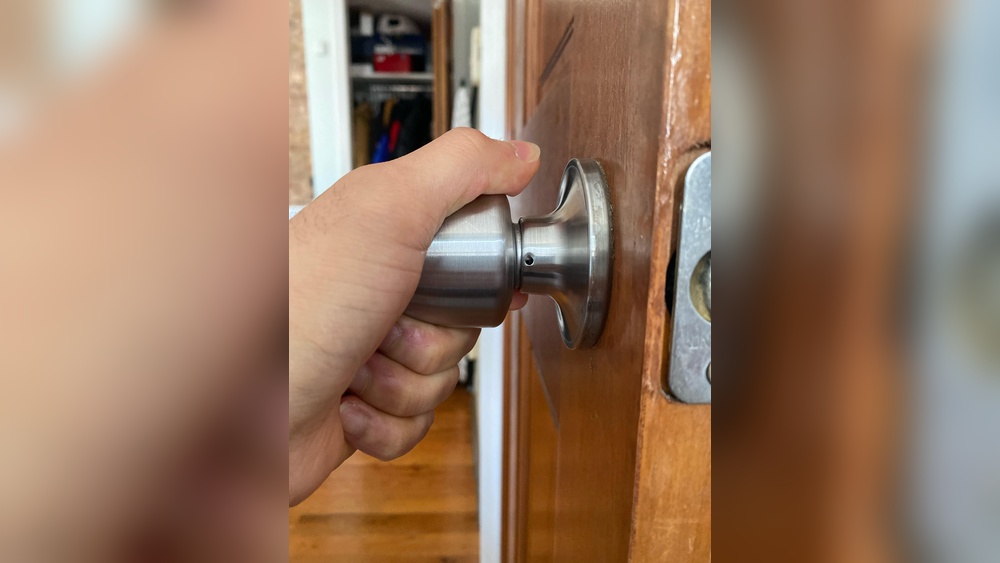
Struggling with a stubborn Defiant deadbolt that just won’t budge? You’re not alone.
Whether you’re locked out or simply replacing your lock, removing a Defiant deadbolt can feel tricky if you don’t know the right steps. But don’t worry—you don’t need to call a locksmith or spend hours frustrated. In this guide, you’ll discover simple, clear instructions to remove your Defiant deadbolt quickly and safely.
Keep reading, and you’ll have your lock off in no time.

Credit: www.youtube.com
Tools Needed
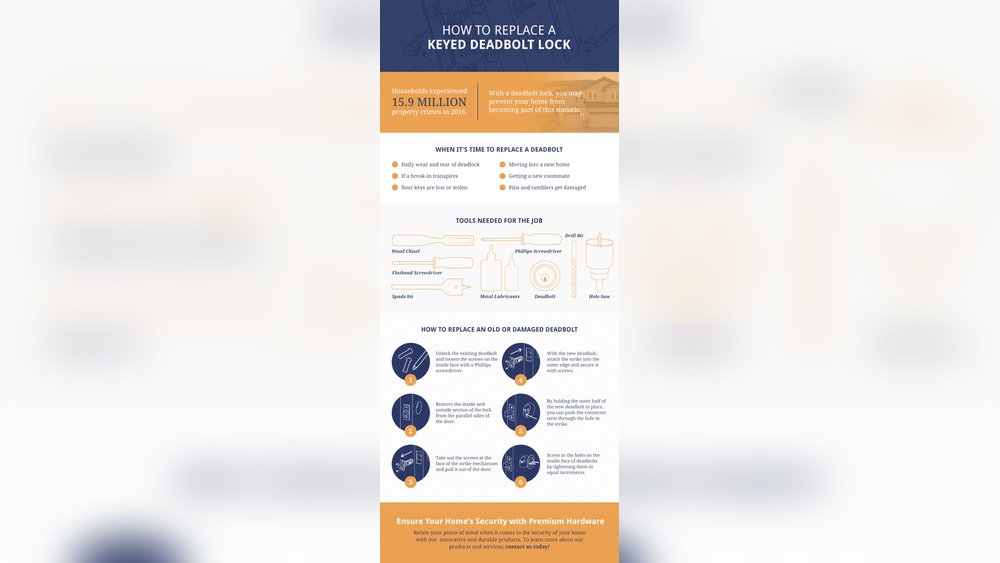
Removing a Defiant deadbolt needs the right tools. Having the correct tools makes the job easier and faster. This section lists all tools you will need to remove the deadbolt safely.
Some tools are essential for every job. Others help if the deadbolt is stuck or hard to remove. Prepare these tools before starting to avoid delays.
Essential Tools List
- Screwdriver (Phillips and flathead)
- Allen wrench set
- Tape measure
- Utility knife
- Flashlight
- Small hammer
Optional Tools For Stubborn Bolts
- Pliers (needle nose or standard)
- WD-40 or lubricant spray
- Putty knife
- Power drill with screwdriver bits
- Heat gun or hair dryer

Credit: www.youtube.com
Prepare The Door
Preparing the door is the first step in removing a defiant deadbolt safely and efficiently. This step sets the stage for smooth work and helps avoid damage to the door or lock. Taking time to prepare ensures the removal process goes without trouble.
Proper preparation protects both you and the door. It also keeps your tools ready and accessible. Follow simple steps before starting to remove the deadbolt.
Clear The Work Area
Remove any objects near the door. Clear furniture, rugs, or decorations that could block your movement. A tidy space prevents accidents and gives you room to work freely. Clear area means no distractions or obstacles during the removal process.
Ensure Safety Precautions
Wear safety glasses to protect your eyes from dust and debris. Use gloves to protect your hands from sharp edges. Make sure you have good lighting to see screws and parts clearly. Keep tools within reach to avoid bending or stretching. Safety helps prevent injuries and keeps the job smooth.
Locate The Screws
Locating the screws on a Defiant deadbolt is the first step to removal. Screws can be easy to spot or cleverly hidden. You must find all screws to take the lock off smoothly.
Identify Visible Screws
Start by checking the inside part of the deadbolt. Most visible screws hold the interior lock plate. Use a flashlight to see clearly. These screws usually sit around the knob or handle. Use a screwdriver to remove them carefully. Do not force the screws if they feel stuck.
Accessing Hidden Screws
Some screws hide under small covers or plates. Look for tiny slots or indentations. Pry the cover gently with a flat tool. Hidden screws may also hide behind the lock’s faceplate. Remove the faceplate by sliding or lifting it. Check for screws inside the exposed area. Removing these screws frees the deadbolt from the door.
Remove The Faceplate
Removing the faceplate is the first step in taking off a defiant deadbolt. The faceplate covers the bolt mechanism on the door edge. It holds the lock parts tightly in place. Carefully removing it lets you access the inside components.
This task requires patience and the right tools. A screwdriver is usually enough. Some screws might be tight or hidden. Taking your time helps avoid damage to the door or lock.
Unscrewing The Faceplate
Start by locating all screws on the faceplate. Use a screwdriver that fits the screw heads perfectly. Turn each screw counterclockwise to loosen it. Keep screws safe for reassembly later.
Sometimes screws are painted over or rusty. Gently work the screwdriver to avoid stripping the heads. If screws do not budge, apply a small drop of penetrating oil. Wait a few minutes, then try again.
Handling Stuck Components
After removing screws, the faceplate might still stick. This happens due to paint or rust sealing it to the door. Use a flat tool like a putty knife to pry it gently.
Insert the tool slowly between the faceplate and door edge. Wiggle it lightly to loosen the plate. Avoid forcing it too hard to prevent damage. Once loose, pull the faceplate away carefully.
Extract The Deadbolt
Extracting the deadbolt is a key step in removing a defiant deadbolt lock. This part holds the door securely and needs careful handling. You will focus on pulling out the bolt mechanism and managing any resistance during removal. Patience and the right tools help make this easier.
Pulling Out The Bolt Mechanism
Start by locating the screws on the edge of the door. Remove these screws to loosen the bolt assembly. Hold the bolt firmly and pull it straight out. Use gentle force to avoid damaging the door or the lock parts. If the bolt does not come out easily, check if any screws remain tight.
Dealing With Resistance
Resistance is common when removing the deadbolt. Rust, paint, or dirt can cause the bolt to stick. Apply a small amount of lubricant to loosen it. Tap lightly with a screwdriver handle to help free stuck parts. Avoid using excessive force as this might break the lock or door.
Troubleshooting Stuck Deadbolts
Stuck deadbolts cause frustration and delay. They block smooth door access and create stress. Fixing this issue quickly saves time and effort. Troubleshooting stuck deadbolts involves simple steps anyone can try. These steps focus on freeing the lock without damage.
Start by checking the lock’s condition. Dirt, rust, or lack of lubrication often cause sticking. Next, try basic fixes before considering replacement. Below are easy methods to help move a stuck deadbolt.
Using Lubricants
Lubricants reduce friction inside the lock mechanism. Spray a small amount of graphite or silicone lubricant into the keyhole. Avoid oil-based lubricants as they attract dust and dirt. After applying, insert and turn the key gently. Repeat the process a few times for better results. Lubricants help loosen stuck parts and improve lock movement.
Applying Gentle Force
Sometimes, slight pressure helps free the deadbolt. Use the key and turn it slowly but firmly. Avoid forcing too hard to prevent damage. Tap the lock gently with a small tool to shake loose any stuck components. Try pushing or pulling the door while turning the key. Gentle force combined with lubrication often solves the problem.
Replace Or Repair Options
Deciding between replacing or repairing a defiant deadbolt depends on its condition. Both options can restore security. Each choice has benefits. Knowing these helps you act smartly. This section explores how to choose and fix deadbolts.
Choosing A New Deadbolt
Select a deadbolt that fits your door and style. Measure the old lock to match size. Pick a model with strong materials like steel or brass. Check for easy installation features. Consider deadbolts with good security ratings. A new lock often works better and lasts longer. It also solves problems caused by wear or damage.
Repairing Existing Hardware
Fix minor problems to save money. Clean the lock parts from dirt and rust. Tighten loose screws and bolts carefully. Replace broken springs or pins if available. Lubricate moving parts with graphite powder or oil. Test the lock after repair to ensure smooth work. Repair suits locks with small issues only. It keeps the original lock but may not fix deep damage.

Credit: www.reddit.com
Final Checks
After removing a Defiant deadbolt, final checks are essential. These steps ensure your door works well and stays secure. A careful review prevents problems later.
Test Door Functionality
Open and close the door several times. Check if it latches smoothly without sticking. Turn the knob or handle to confirm it moves easily. Make sure the door locks and unlocks without trouble. Listen for any unusual sounds. These checks show if the door works properly after removal.
Secure All Components
Inspect the door and frame for loose parts. Tighten screws on the strike plate and hinges. Replace any missing or damaged screws. Ensure the latch fits tightly into the frame. Loose parts can cause security issues or door damage. Securing all components keeps your door stable and safe.
Frequently Asked Questions
How Do I Remove A Defiant Deadbolt Lock?
First, remove the screws on the interior side of the lock. Then, carefully pull both sides of the lock apart. Finally, take out the deadbolt mechanism from the door edge.
What Tools Are Needed To Remove Defiant Deadbolt?
You need a Phillips screwdriver to remove screws. A flathead screwdriver can help with prying parts. Optionally, use pliers if parts are stuck.
Can I Remove Defiant Deadbolt Without A Key?
Yes, you can remove it without a key by unscrewing the interior side. The key is only needed to unlock but not to remove the lock.
Is Removing A Defiant Deadbolt Difficult For Beginners?
No, it’s relatively easy for beginners. Basic tools and simple steps make it manageable. Follow instructions carefully to avoid damage.
Conclusion
Removing a Defiant deadbolt does not have to be hard. Follow the steps carefully and take your time. Use the right tools and stay safe while working. If any part feels stuck, try to loosen screws gently. You can handle this task with patience and care.
After removal, check the door for any damage. Now you know how to remove a Defiant deadbolt easily. Keep this guide for future reference. Simple tasks like this save money and stress. Give it a try—you might surprise yourself.