Are you looking for a simple way to add extra storage and style to your space? Turning a cabinet knob into a wall hook is an easy, affordable trick you can do yourself.
Imagine having a unique hook that holds your keys, bags, or coats while adding charm to your room. In this guide, you’ll discover step-by-step how to transform ordinary knobs into useful wall hooks that fit your style perfectly. Keep reading, and you’ll be surprised how quick and fun this small project can be!
Credit: abeautifulmess.com
Materials Needed
Before turning a cabinet knob into a wall hook, gather all the necessary materials. Having the right items makes the project smooth and quick. It also ensures the hook works well and lasts long. This section covers the essential materials for this simple DIY task.
Choosing The Right Knobs
Select knobs that are sturdy and fit your wall space. Metal or wooden knobs work best for durability. Avoid plastic knobs; they might break under weight. Look for knobs with a solid base and a screw hole. Consider the style and size to match your room’s look. The knob should be easy to grip and hold items securely.
Tools Required
Gather basic tools before starting. A drill is needed to make holes in the wall. Screws and wall anchors help fix the knob firmly. A screwdriver is essential to tighten the screws. A measuring tape ensures proper spacing and alignment. A pencil helps mark the spot on the wall. These tools keep the process safe and precise.
Preparing The Knob
Preparing the cabinet knob properly is the first step to turn it into a wall hook. This process helps the knob look good and work well on your wall. Taking time to prepare ensures the knob is clean, safe, and ready to use. Two important parts of preparation are cleaning and inspecting the knob, and removing any old fixtures attached to it.
Cleaning And Inspecting
Start by cleaning the knob carefully. Use a soft cloth and mild soap to remove dirt and dust. Clean all sides, including the base where it will attach to the wall. A clean knob holds paint or finish better and looks nicer.
Next, check the knob for any damage. Look for cracks, chips, or loose parts. If the knob is broken, it may not hold well on the wall. Choose a knob that is strong and in good shape for safety and durability.
Removing Existing Fixtures
Many knobs have screws or small parts attached. Remove these carefully with the right tools, like a screwdriver. Keep the screws if you want to use them later for mounting.
Remove any glue or sticky residue from the knob’s base. Use rubbing alcohol or a gentle cleaner for this. A smooth surface helps the knob stick or screw to the wall better.
Selecting Wall Location
Choosing the right spot on your wall is key to turning a cabinet knob into a useful hook. The location affects how strong the hook will be and how easy it is to use. Picking a good place helps hold items safely and keeps your space neat.
Finding Suitable Spots
Look for walls that are free from damage or moisture. Avoid areas near heat sources or direct sunlight. Choose a spot where the knob hook will have enough space around it. Make sure the wall can hold some weight without cracking.
Marking The Wall
Use a pencil to mark the exact point where the knob will go. Check the height to fit the items you want to hang. Measure twice to avoid mistakes. Keep the marks light so you can erase them later.
Mounting The Knob
Mounting the cabinet knob on the wall is a simple process. It turns the knob into a useful hook for hanging items. The key is to ensure the knob is secure and holds weight well. Follow these steps carefully to get the best results.
Drilling Holes
First, mark the spot on the wall where you want the hook. Use a pencil to make a small dot. Make sure the spot is at a good height for hanging items.
Next, use a drill with a bit that matches the screw size. Drill a hole into the wall at the marked spot. Drill slowly to avoid making the hole too big.
If the wall is drywall, insert a wall anchor into the hole. This will give the knob extra support and keep it from falling off.
Securing The Knob
Take the cabinet knob and line up its screw with the drilled hole. Push the screw through the knob and into the wall anchor or hole.
Use a screwdriver to tighten the screw. Turn it slowly until the knob feels tight and stable. Do not overtighten, or the knob might crack.
Test the knob by gently pulling it. If it feels loose, tighten the screw a bit more. A well-secured knob will hold your items safely.
Finishing Touches
Finishing touches make your cabinet knob wall hook both useful and neat. These small steps improve the hook’s strength and protect your walls. Pay attention to details for a polished look and long-lasting use.
Ensuring Stability
Check the knob for tightness on the wall. Use a screwdriver to secure screws firmly. Avoid loose fittings that can cause wobbling or falling. Test the hook by gently pulling it before use. Stability keeps your items safe and prevents damage.
Adding Protective Pads
Attach small felt pads behind the knob base. These pads prevent wall scratches and dents. They also help the knob sit flat against the surface. Choose soft pads that match the knob size. Protective pads keep your wall clean and your hook steady.
Creative Uses
Turning a cabinet knob into a wall hook opens many creative uses. It is a simple way to add function and style to your space. These hooks can hold more than just coats or bags. They can organize small items and brighten up walls.
Organizing Accessories
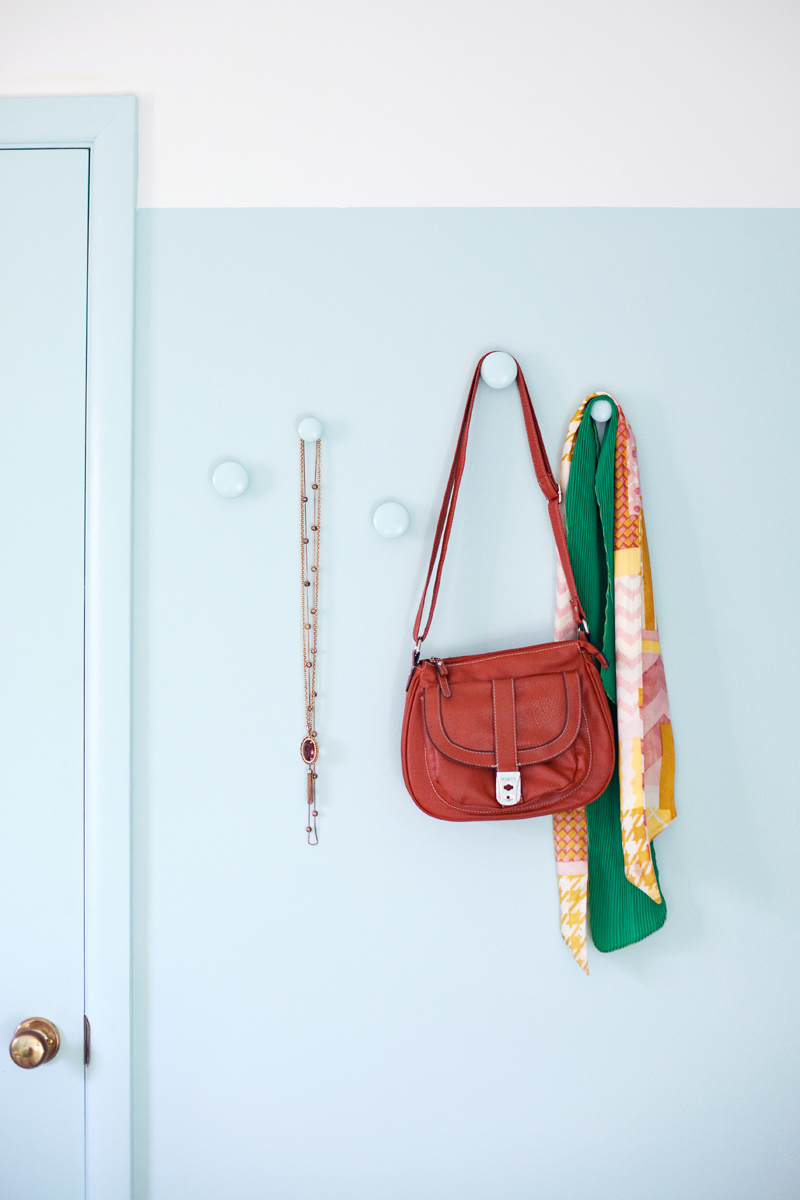
Use cabinet knob hooks to keep accessories neat and easy to find. Hang keys by the door to stop losing them. Place scarves, hats, or belts in your bedroom or closet for quick access. Even jewelry like necklaces or bracelets can hang without tangling. These hooks help keep surfaces clear and items visible.
Decorative Arrangements
Combine different styles and colors of cabinet knobs for wall art. Arrange them in patterns or lines to create a unique look. Use them to hang lightweight plants or small decorative objects. This adds charm and personality to any room. These hooks mix function with decoration perfectly.
Troubleshooting Tips
Turning a cabinet knob into a wall hook is simple and fun. Sometimes, small problems can happen during or after the project. This section offers easy tips to fix those issues quickly. Follow these steps to keep your new wall hook strong and safe.
Fixing Loose Knobs
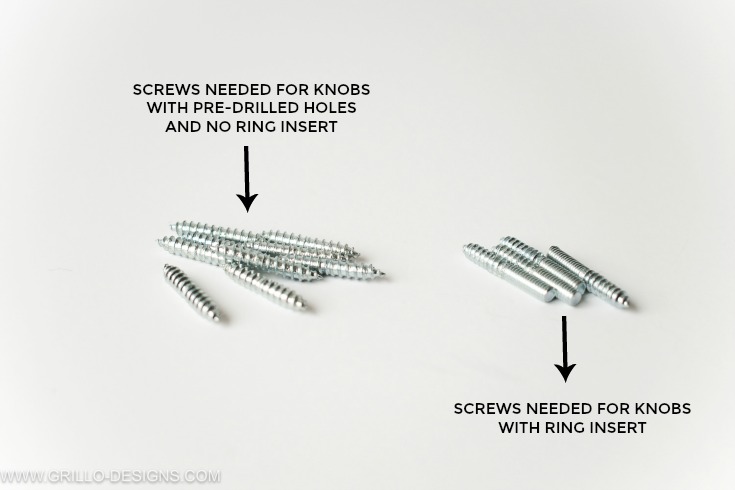
Loose knobs can cause the hook to fall. Check the screw inside the knob first. Tighten it with a screwdriver until secure. If the screw is stripped, replace it with a slightly larger one. Add a small piece of wood or a toothpick inside the hole. This gives extra grip for the screw. Avoid over-tightening, which can crack the knob or wall.
Avoiding Wall Damage
Wall damage can happen if the hook is not installed properly. Use anchors if the wall is drywall or plaster. Anchors hold the screw firmly without breaking the wall. Drill a small pilot hole before inserting the screw. This prevents cracking. Keep the weight on the hook light to protect the wall. Choose the right spot away from cracks or weak areas.

Credit: www.youtube.com
Credit: grillo-designs.com
Frequently Asked Questions
How Do I Turn A Cabinet Knob Into A Wall Hook?
To turn a cabinet knob into a wall hook, remove the knob from the drawer. Attach it to the wall using screws or anchors. Make sure it is securely fixed to hold weight like coats or bags.
What Tools Are Needed To Make A Knob Wall Hook?
You need a screwdriver, wall anchors, screws, and a drill. Optionally, use a level to ensure proper alignment. These tools help securely mount the cabinet knob onto the wall as a functional hook.
Can Any Cabinet Knob Be Used As A Wall Hook?
Most cabinet knobs can be used as wall hooks if sturdy enough. Choose knobs with a strong base and secure attachment points. Avoid delicate or loose knobs to ensure safety and durability.
Where Is The Best Place To Install Knob Wall Hooks?
Install knob wall hooks near entryways, closets, or bathrooms. These spots offer easy access for hanging coats, bags, towels, or keys. Ensure the wall surface supports secure mounting for stability.
Conclusion
Turning a cabinet knob into a wall hook is simple and useful. It saves money and adds charm to your space. You only need a few tools and a little time. This small project makes your walls more organized. Try different knobs for a unique look.
Everyone can do this, no special skills needed. Give your room a fresh touch today. Small changes can make a big difference. Enjoy your new wall hooks every day.