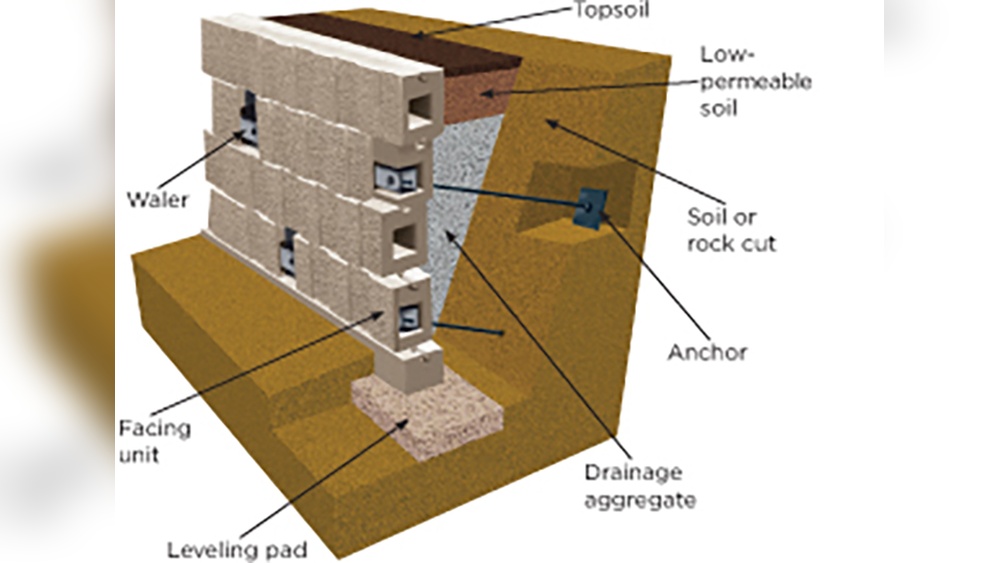
Are you wondering how many anchor bolts you need for your CMU wall? Getting this right is crucial for the strength and safety of your construction project.
Too few bolts can put your wall at risk, while too many might mean wasted time and money. You’ll find clear, simple guidance to help you determine the exact number of anchor bolts your CMU wall requires. Keep reading to make sure your wall is both secure and efficient—your project depends on it!

Credit: www.masonryandhardscapes.org
Anchor Bolts Basics
Anchor bolts are essential for securing structures to concrete masonry unit (CMU) walls. They keep walls stable and safe. Understanding their basics helps in choosing the right type and amount for any project.
Purpose Of Anchor Bolts
Anchor bolts fasten wood or metal frames to concrete walls. They resist forces like wind and earthquakes. This prevents the structure from shifting or falling. Without anchor bolts, walls may crack or collapse.
Types Of Anchor Bolts
Several types suit different needs. Common types include L-shaped, J-shaped, and straight bolts. L-shaped bolts are easy to install and hold well. J-shaped bolts offer extra grip inside the concrete. Straight bolts work best with plates and brackets.
Materials Used
Anchor bolts come in steel, stainless steel, and galvanized steel. Steel is strong but can rust. Stainless steel resists rust and lasts longer outdoors. Galvanized steel has a protective zinc coating to prevent corrosion. Choose materials based on environment and budget.
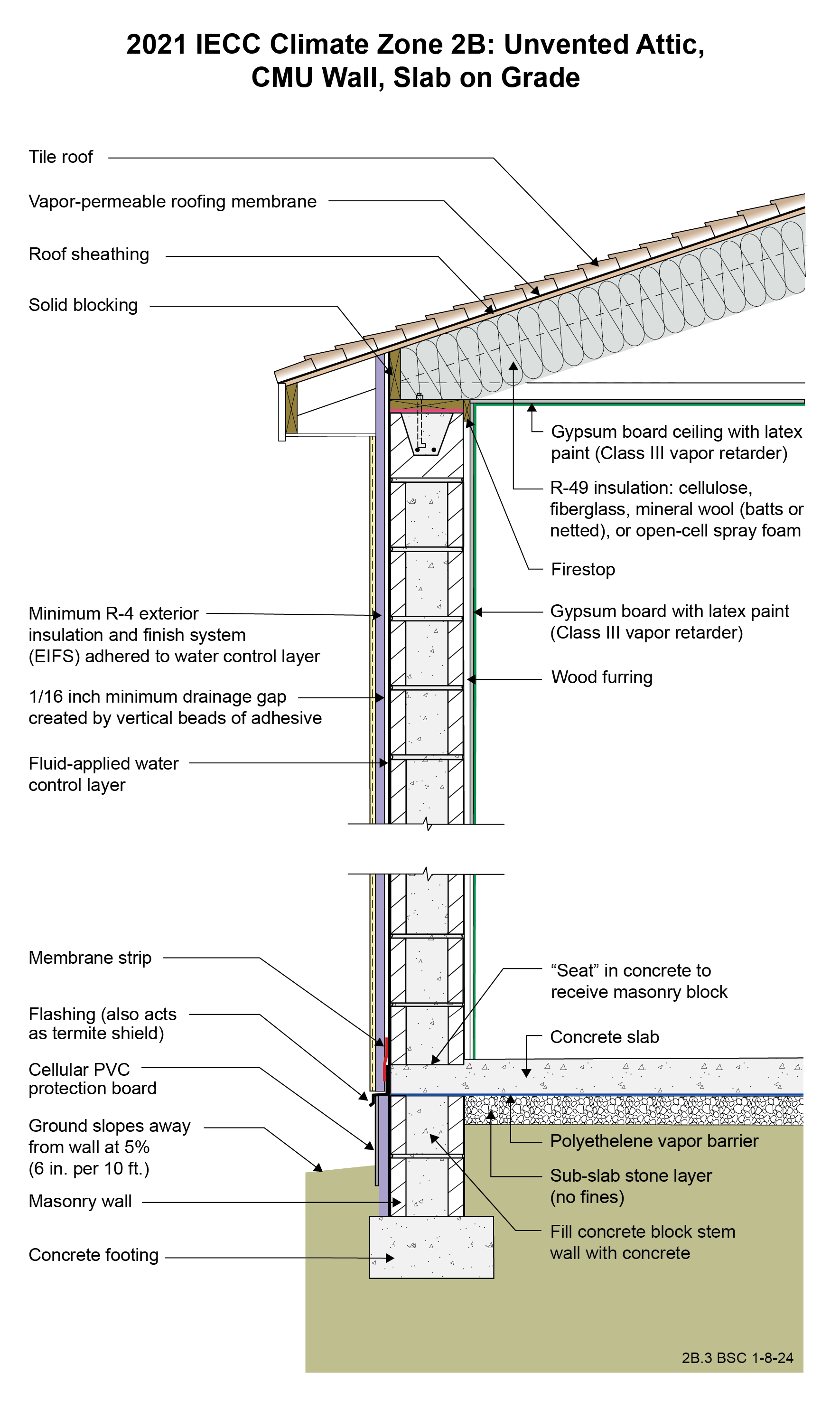
Credit: basc.pnnl.gov
Cmu Wall Characteristics
Concrete Masonry Unit (CMU) walls are common in construction. They offer strength, durability, and fire resistance. Understanding their characteristics helps in proper design and installation. This knowledge is key for deciding how many anchor bolts to use.
CMU walls come in different types and sizes. They carry various loads and require proper anchoring. These factors affect the number and placement of anchor bolts.
Cmu Wall Structure
CMU walls are made of concrete blocks. These blocks are stacked in rows and joined with mortar. The hollow cores of the blocks can be filled with grout for extra strength.
Reinforcement bars may run through the cores. This reinforcement improves wall stability. The structure supports both vertical and lateral loads.
Load Bearing Considerations
CMU walls often support weight from floors and roofs. The load impacts the wall’s thickness and strength. Walls with higher loads need more secure anchoring.
Anchor bolts help resist wind and seismic forces. The number of bolts depends on these load conditions. Proper anchoring prevents wall movement and damage.
Common Wall Dimensions
Typical CMU blocks measure 16 inches long, 8 inches high, and 8 inches deep. Wall thickness varies from one to two blocks thick. Height depends on the building design and use.
Longer and taller walls require more anchor bolts. Bolt spacing follows building codes and engineering guidelines. Correct spacing ensures wall stability and safety.
Anchor Bolt Requirements
Anchor bolts secure CMU (concrete masonry unit) walls to their foundation. They keep walls stable and safe. Understanding anchor bolt requirements helps ensure proper construction. These rules cover how many bolts to use, their size, and placement.
Building Code Standards
Building codes set minimum rules for anchor bolts. They vary by region and project type. Most codes require bolts to resist wind and earthquake forces. These rules protect the building and its occupants. Following code standards avoids costly repairs or fines.
Spacing Guidelines
Anchor bolts must be spaced correctly along the wall. Common spacing is 6 to 8 feet apart. Closer spacing may be needed for taller or heavier walls. Proper spacing prevents wall movement and cracking. Always check local codes for exact spacing rules.
Bolt Diameter And Length
Bolt size depends on wall height and load needs. Typical diameters range from 1/2 inch to 5/8 inch. Bolt length must be enough to embed deeply into concrete. This ensures strong holding power. Correct bolt size and length improve wall durability.
Calculating Bolts Per Wall Length
Calculating the number of anchor bolts per CMU wall length is essential for strong and safe construction. The process depends on several factors that affect how many bolts are needed. Proper spacing and quantity ensure the wall stays stable under different forces.
Factors Affecting Bolt Quantity
The type of wall and its height influence the number of bolts. Wind load and seismic activity in the area also matter. Local building codes set minimum requirements for bolt spacing. The size and weight of attached structures can increase bolt needs. Material strength of the CMU blocks plays a role too.
Sample Calculations
Assume a wall length of 20 feet. Building codes may require bolts every 4 feet. Divide 20 by 4 to get 5 bolts along the length. For taller walls, add extra bolts every few feet vertically. This simple math gives a base number of bolts needed.
Adjustments For Special Conditions
Walls exposed to high winds may need closer bolt spacing. Seismic zones require more bolts for better resistance. For heavier attachments, increase bolt size and number. Consult local codes for exact requirements. Adjustments improve safety and durability of the wall.
Installation Best Practices
Installing anchor bolts in CMU walls requires care and precision. Proper installation ensures the wall stays strong and secure. Following best practices helps avoid costly repairs and safety issues. Focus on correct positioning, embedment depth, and common mistakes during installation.
Positioning Bolts Accurately
Place anchor bolts exactly where the plans show. Use a level and measuring tape for precision. Mark bolt locations clearly on the CMU before drilling. Accurate positioning prevents alignment problems with attached structures. Keep the spacing consistent to distribute loads evenly.
Ensuring Proper Embedment
Embed anchor bolts deeply enough into the CMU for strong hold. Follow the manufacturer’s recommended embedment depth strictly. Use clean holes free of dust and debris before inserting bolts. Proper embedment helps resist forces and keeps the connection stable. Avoid shallow embedment to prevent bolt pull-out.
Common Installation Mistakes
Do not place bolts too close to the edges of the CMU. Avoid loose holes that reduce bolt grip and strength. Do not over-tighten nuts, which can damage the block. Avoid mixing bolt sizes or types in the same wall. Check for straightness; bent bolts weaken the connection.
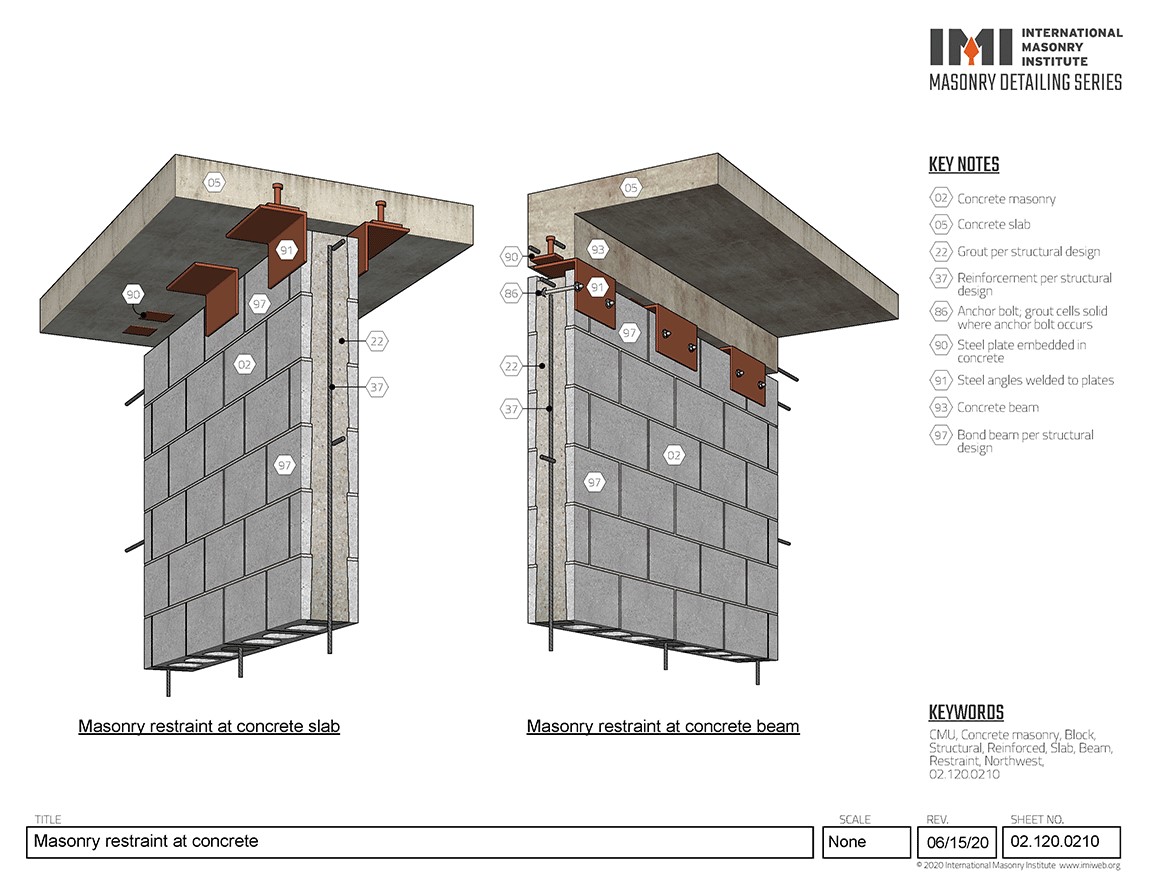
Credit: imiweb.org
Inspection And Maintenance
Regular inspection and maintenance of anchor bolts in CMU walls ensure safety and durability. These bolts hold structural components tightly and prevent movement. Keeping them in good condition helps avoid costly repairs and structural failures.
Routine checks identify problems early. Maintenance extends the life of the wall and its components. This section explains how to inspect, spot damage, and decide when to replace anchor bolts.
Checking Bolt Integrity
Start by examining bolts for tightness. Use a wrench to check if they are loose. Look for signs of rust or corrosion on the bolt surface. Ensure bolts are straight and not bent. Confirm bolts are properly embedded in the mortar or grout.
Signs Of Wear Or Damage
Look for cracks around the bolt holes in the CMU wall. Rust or corrosion weakens the bolts and reduces strength. Bent or twisted bolts show physical damage. Missing bolts or washers can reduce stability. Check for movement or wobbling around bolts.
Replacement Guidelines
Replace bolts showing rust or corrosion beyond surface level. Remove and replace bent or damaged bolts immediately. Use bolts that meet the original specifications. Tighten bolts to the recommended torque. Consult a structural engineer for major repairs or replacements.
Frequently Asked Questions
How Many Anchor Bolts Are Needed Per Cmu Wall?
Typically, two anchor bolts are required per CMU wall segment. They must be spaced evenly to ensure structural stability and meet building codes.
What Is The Standard Spacing For Anchor Bolts In Cmu Walls?
Anchor bolts in CMU walls are usually spaced 6 to 8 feet apart. This spacing provides adequate support and helps resist wind and seismic forces.
Why Are Anchor Bolts Important In Cmu Wall Construction?
Anchor bolts secure the wall to the foundation, preventing movement. They enhance safety by resisting uplift and lateral forces during storms or earthquakes.
Can Anchor Bolt Requirements Vary By Building Codes?
Yes, anchor bolt specifications differ by region and code. Always consult local building regulations to meet safety and compliance standards.
Conclusion
Choosing the right number of anchor bolts strengthens your CMU wall. Too few bolts may cause weak support. Too many bolts can be costly and unnecessary. Always follow building codes and engineer advice for safety. Proper bolt placement helps keep walls stable and secure.
Simple steps lead to strong, lasting structures. Use this guide to plan your project well.