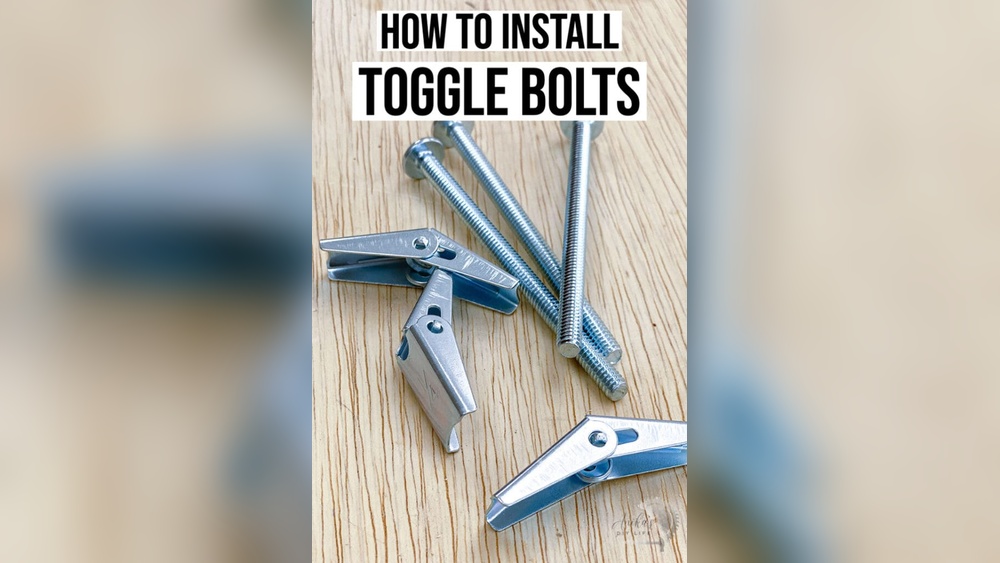
Have you ever struggled with removing screw anchors from a plaster wall without causing damage? If so, you’re not alone.
Getting those stubborn anchors out can feel frustrating and tricky, especially when you want to keep your wall looking perfect. But don’t worry—this guide will walk you through simple, effective steps to safely remove screw anchors from your plaster wall.
By the end, you’ll have the confidence and know-how to handle this task with ease. Keep reading to discover the best tips and tricks that make the job quick and painless.
Tools Needed
Removing screw anchors from plaster walls requires the right tools. The correct tools make the job easier and prevent wall damage. Prepare all necessary tools before starting the work. Here is a list of essential tools you will need.
Basic Hand Tools
Start with simple hand tools. A flathead screwdriver helps to pry out anchors carefully. Needle-nose pliers grip and pull the anchor from the wall. A utility knife can cut around the anchor if needed. A putty knife smooths the wall after removal. These tools are affordable and easy to use for small jobs.
Power Tools Options
Power tools speed up the process. A drill with a screwdriver bit can twist out stubborn anchors. An oscillating multi-tool cuts flush with the wall surface. Use a rotary tool to grind away damaged plaster around the hole. These tools need some skill but reduce effort and time for bigger jobs.
Safety Gear
Always protect yourself during this work. Safety glasses keep dust and debris out of your eyes. Wear gloves to protect hands from sharp edges. A dust mask prevents inhaling plaster particles. Proper safety gear ensures a safe, clean working environment.

Credit: www.youtube.com
Preparing The Area
Preparing the area is the first step before removing screw anchors from a plaster wall. It helps keep the process safe and clean. Taking time to prepare avoids damage and makes work easier.
Clearing The Workspace
Remove furniture and objects near the wall. Create enough space to move freely. Clear the floor to avoid tripping. This gives you room for tools and materials.
Keep small items away to prevent loss or damage. A tidy area reduces stress and distractions. It helps focus on the task at hand.
Protecting Walls And Floors
Cover the floor with a drop cloth or old sheet. This catches dust and debris from the wall. Use painter’s tape to secure covers in place.
Place cardboard or foam sheets on nearby walls. This prevents scratches and dents during work. Protect light switches and outlets with tape.
Wear safety goggles and gloves to protect yourself. Safety first. A prepared area keeps the job clean and safe.
Removing Screw Anchors Manually
Removing screw anchors manually from plaster walls requires care and the right technique. This method helps avoid damage to the wall. It works well for anchors that are not deeply embedded or damaged. Simple tools like a screwdriver and pliers are enough for most cases.
Start by loosening the anchor slowly. If it resists, switch to gentle pulling. Patience is key to keep the wall intact. Follow the steps below for effective removal.
Unscrewing The Anchor
First, use a screwdriver that fits the screw head. Turn the screw counterclockwise to loosen it. If the screw turns easily, keep unscrewing until it comes out. Sometimes the anchor will come out with the screw.
If the screw spins but does not come out, it may be stuck inside the anchor. Stop unscrewing to avoid wall damage. Try the next method for extraction.
Using Pliers For Extraction
Grip the anchor with needle-nose pliers. Pull gently to remove the anchor from the wall. Wiggle it slightly if it feels stuck. Avoid pulling too hard to prevent plaster cracking.
If the anchor breaks, push the remaining piece inside the wall. Later, fill the hole with plaster or filler. This method works well for metal or plastic anchors.
Using Power Tools For Stubborn Anchors
Stubborn screw anchors in plaster walls can be tough to remove by hand. Power tools make the task easier and faster. They help break loose anchors without damaging the wall. Use the right tool and technique for best results.
Drill Method
Use a drill with a bit slightly smaller than the anchor. Start drilling slowly into the center of the anchor. The drill will help loosen it by breaking the grip inside the plaster. Keep the drill steady to avoid wall damage. Once loose, pull the anchor out with pliers.
Rotary Tool Approach
A rotary tool with a cutting or grinding bit works well on tough anchors. Carefully cut around the anchor’s edge to free it from the plaster. Move the tool gently to prevent cracking the wall. After cutting, wiggle the anchor and pull it out. This method works best for metal anchors.
Repairing The Wall After Removal
After removing screw anchors from a plaster wall, repairing the damage keeps your wall looking smooth and clean. Small holes or cracks often remain. Fixing these spots restores the wall’s appearance and prepares it for painting. Follow simple steps to make the repair easy and effective.
Filling Holes
Start by cleaning the holes from dust and loose plaster. Use a putty knife to apply spackling paste or plaster filler. Press the filler firmly into the holes. Overfill slightly to allow for shrinkage. Let the filler dry according to the product instructions. This step creates a solid base for smoothing.
Sanding And Smoothing
Once dry, sand the filled areas with fine-grit sandpaper. Sand gently to blend the patch with the wall surface. Avoid pressing too hard to keep the plaster intact. Wipe away dust with a dry cloth. Smooth walls help paint stick better and look more uniform.
Painting Touch-up
Match your wall paint color before starting. Use a small brush or roller for the patched spots. Apply thin, even coats to avoid drips. Let the paint dry completely between coats. Repeat painting until the repair blends seamlessly. Fresh paint hides the patch and refreshes the wall’s look.

Credit: diy.stackexchange.com
Preventing Wall Damage
Preventing damage to your plaster wall is key when removing screw anchors. Plaster is delicate and cracks easily. Taking the right steps stops holes from growing larger. It also keeps the wall smooth and ready for repairs or new anchors.
Choosing The Right Anchor
Use anchors made for plaster walls. Plastic anchors or metal ones designed for plaster hold better. Avoid heavy anchors made for drywall. They can crack plaster during installation or removal. Pick anchors that spread pressure evenly. This helps keep the plaster intact.
Proper Installation Techniques
Drill a pilot hole before inserting the anchor. The hole should be slightly smaller than the anchor. This avoids extra stress on the plaster. Insert anchors gently, without forcing them. Tighten screws slowly and stop if you feel resistance. These steps reduce the chance of cracks or crumbling.
Credit: www.reddit.com
Frequently Asked Questions
How Do You Safely Remove Screw Anchors From Plaster Walls?
To safely remove screw anchors, first unscrew the anchor gently. Use pliers to pull the anchor straight out. Avoid damaging the plaster by working slowly and carefully.
What Tools Are Best For Removing Wall Anchors?
Pliers, screwdrivers, and a utility knife work best. Pliers help grip the anchor. A utility knife can score around the hole to minimize plaster damage.
Can I Patch Plaster After Removing Screw Anchors?
Yes, patching plaster is simple. Use plaster filler or spackle to fill the hole. Sand smooth once dry, then repaint for a flawless finish.
Why Do Screw Anchors Damage Plaster Walls?
Screw anchors expand inside the plaster, causing cracks. Improper removal can worsen damage. Using the right technique prevents unnecessary wall damage.
Conclusion
Removing screw anchors from plaster walls takes care and patience. Start by loosening the anchor gently without forcing it. Use the right tools to avoid wall damage. Small holes can be fixed with plaster or filler easily. Taking your time helps keep the wall intact.
This simple process saves you from costly repairs later. Now, you can remove anchors safely and prepare your wall for new fixtures. A careful approach makes all the difference.