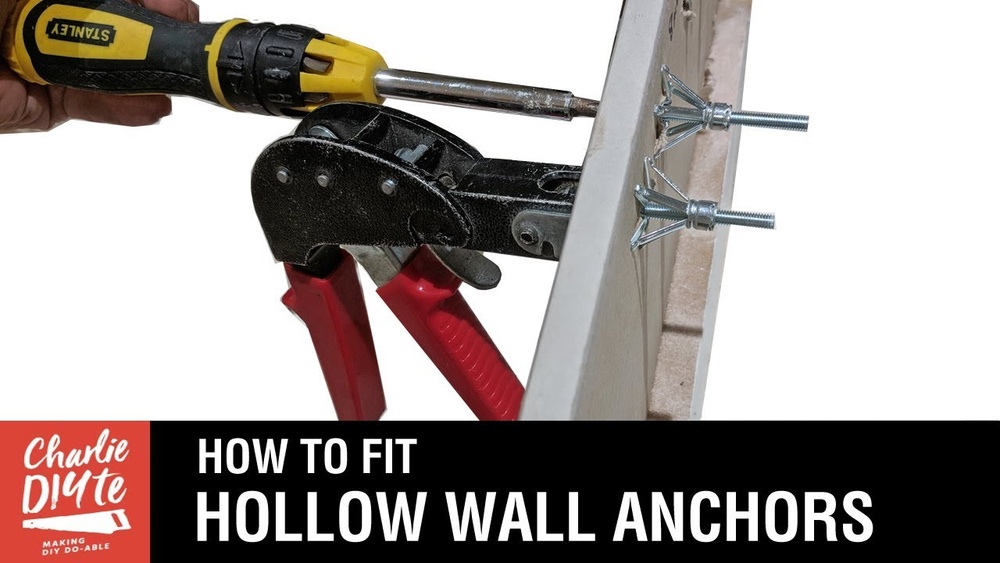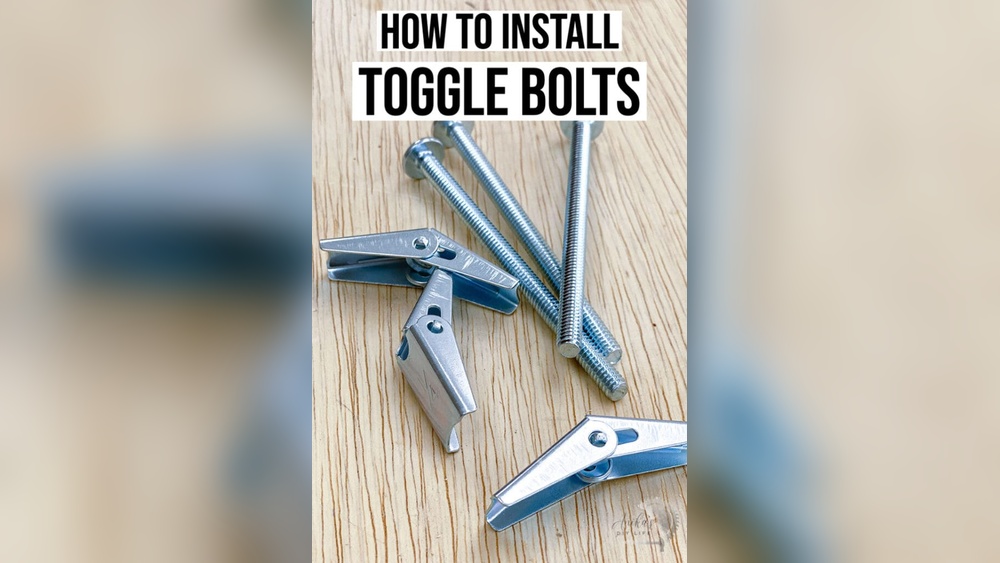
Are you struggling to hang heavy items on your walls without worrying about them falling? Installing steel toggle bolt anchors is a simple and strong solution that can hold a surprising amount of weight.
In this guide, you’ll learn exactly how to install these anchors step-by-step, even if you’ve never done it before. By the end, you’ll feel confident securing shelves, mirrors, or cabinets safely and securely. Let’s get started and make your walls work harder for you!

Credit: www.amazon.com
Choosing Steel Toggle Bolt Anchors
Choosing the right steel toggle bolt anchors is key for a strong hold. Different anchors fit different walls and weights. Knowing what to pick helps keep your items safe on the wall. Below are important points about types, sizes, and strength.
Types Of Toggle Bolts
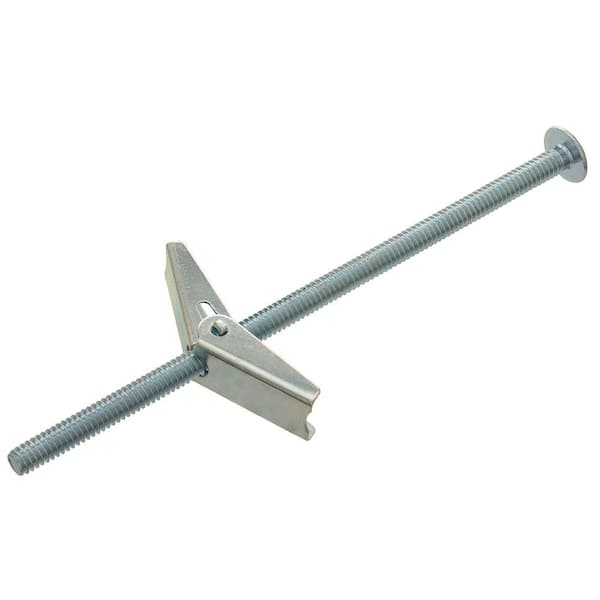
Toggle bolts come in various designs. The most common is the spring-wing type. It opens inside the wall to spread the load. Another type is the snap toggle, which has a plastic channel. This type is easier to install in hollow walls. Choose the type that fits your wall and project needs.
Selecting The Right Size
Size matters for toggle bolts. The diameter affects how much weight the anchor can hold. Length depends on wall thickness. Longer bolts fit thicker walls better. Always measure your wall before buying. Pick a bolt size that matches your wall and object weight.
Materials And Weight Capacity
Steel toggle bolts vary in material quality. Look for zinc-plated or stainless steel for rust resistance. The weight capacity depends on the bolt size and wall type. Check the package for maximum load ratings. Choose bolts with a weight capacity higher than your item.
Credit: www.homedepot.com
Tools And Materials Needed
Installing steel toggle bolt anchors needs the right tools and materials. Having everything ready makes the job easier and safer. It helps to avoid mistakes and saves time during installation.
Essential Tools
You need a drill with the correct drill bit size. A screwdriver or a power driver is important for tightening the bolts. A tape measure helps measure the exact spot on the wall. A pencil marks where to drill holes. A level keeps the installation straight and even.
Safety Gear
Wear safety glasses to protect your eyes from dust and debris. Use gloves to keep your hands safe from sharp edges. A dust mask helps prevent breathing in dust. Ear protection is useful if you use loud power tools.
Preparing The Workspace
Clear the area around your work zone. Remove furniture and cover floors with a drop cloth. Ensure good lighting to see your work clearly. Check the wall for pipes or wires before drilling. This avoids damage and keeps you safe.
Preparing The Wall
Preparing the wall is the first step before installing steel toggle bolt anchors. This process ensures the anchors hold securely and the wall stays undamaged. Proper preparation helps avoid mistakes and saves time during installation.
Locating Studs And Obstacles
Find the wall studs using a stud finder or tapping method. Mark the stud locations lightly with a pencil. Avoid these spots for toggle bolt anchors, as they work best in hollow walls. Check for obstacles like pipes and wires using a wire detector. This prevents damage and ensures safe drilling.
Marking Drill Points
Decide where to place the anchors based on your item’s weight and size. Mark precise drill points with a pencil on the wall. Use a level tool to keep marks straight. Clear and accurate markings help guide your drilling and keep anchors aligned.
Drilling The Hole
Choose the correct drill bit size for the toggle bolt. Drill slowly and steadily at the marked points. Keep the drill perpendicular to the wall for clean holes. Remove dust and debris after drilling to ensure a tight fit for the anchor.
Installing The Toggle Bolt
Installing the toggle bolt is a key step to secure heavy items on drywall or hollow walls. This process ensures a strong hold by expanding inside the wall cavity. Each step must be done carefully for a safe and stable installation.
Assembling The Bolt And Toggle
Start by threading the toggle wings onto the bolt. The wings should be folded flat against the bolt shaft. Make sure the bolt head is on the correct side to allow easy tightening later. The toggle and bolt must fit snugly without loose parts.
Inserting The Toggle Into The Wall
Drill a hole in the wall that matches the toggle size. Push the folded toggle through the hole. It will spring open inside the wall. Gently pull back until the wings rest firmly against the inner wall surface. Avoid forcing it to prevent damage.
Tightening The Bolt
Begin tightening the bolt by turning it clockwise. This pulls the toggle wings tight against the wall. Stop once the bolt feels secure and the item is firmly attached. Over-tightening can damage the wall or strip the bolt threads.
Testing The Installation
After installing steel toggle bolt anchors, testing their strength is key. This step ensures the anchors hold firmly in the wall. It helps avoid accidents or damage later. Testing also confirms the anchors can support the intended weight safely.
Checking Stability
Start by gently pulling on the attached item. Check if the anchor stays tight in the wall. There should be no wiggle or movement. Press on the wall around the anchor to feel for any looseness. If the anchor shifts, it needs adjustment.
Adjusting If Necessary
If the anchor feels loose, tighten the bolt slightly. Use a screwdriver to turn the bolt clockwise. Avoid over-tightening, which can damage the wall. Test stability again after each adjustment. Repeat until the anchor holds firmly without moving.
Common Mistakes To Avoid
Installing steel toggle bolt anchors is simple, but some errors can cause problems. Avoid these common mistakes to ensure a strong hold and safe installation. Paying attention to details helps keep your project secure and lasting.
Wrong Hole Size
Drilling the wrong hole size weakens the anchor’s grip. A hole too big allows the toggle to slip through. Too small makes inserting the toggle difficult or impossible. Always check the toggle bolt size before drilling. Measure twice, drill once.
Overtightening
Turning the bolt too tight can damage the wall and anchor. It can crush drywall or bend the toggle. Tighten only until the anchor feels snug. Stop if you see cracks or feel resistance. Proper tightening keeps the anchor firm and safe.
Ignoring Weight Limits
Every toggle bolt has a weight limit. Exceeding this can cause the anchor to fail. Check the packaging or manual for weight guidelines. Use the right size and number of anchors for your load. Safety depends on respecting these limits.
Maintenance Tips
Proper maintenance helps your steel toggle bolt anchors stay strong and safe. Regular care prevents damage and keeps the anchors working well. Follow these simple tips to maintain your anchors effectively.
Regular Inspection
Check the anchors often for any signs of wear or damage. Look for rust, bending, or loose bolts around the anchor. Tighten any loose bolts with a screwdriver or wrench. Clean the area around the anchor to remove dust and dirt. This helps avoid corrosion and keeps the anchor secure.
When To Replace Anchors
Replace anchors if you see cracks or rust on the metal parts. If the anchor feels loose or wobbly, it may need replacement. Do not wait if the wall near the anchor shows damage. Replace old anchors after several years to keep safety high. Using new anchors ensures your fixtures stay firmly in place.
Credit: condomounts.com
Frequently Asked Questions
What Tools Do I Need To Install Steel Toggle Bolt Anchors?
You need a drill, drill bits, a screwdriver, and the steel toggle bolt anchors. These tools ensure proper installation and secure anchoring.
How Do Steel Toggle Bolt Anchors Work In Walls?
Toggle bolts have spring-loaded wings that open behind the wall. This spreads the load and provides a strong hold in hollow walls.
Can I Use Steel Toggle Bolts On Drywall?
Yes, steel toggle bolts are ideal for drywall. They provide strong support for heavy items where studs aren’t available.
How To Choose The Right Size Toggle Bolt Anchor?
Select a toggle bolt size based on wall thickness and weight load. Bigger bolts hold heavier objects securely.
Conclusion
Installing steel toggle bolt anchors into walls is simple with the right steps. Drill a proper hole size, insert the toggle, and tighten the bolt carefully. This method ensures strong support for heavy items on drywall or hollow walls. Take your time and follow each step closely for best results.
With practice, this task becomes easy and reliable. Now, you can hang shelves, mirrors, or cabinets with confidence and safety.