Are you worried about the safety and stability of your home? Anchoring your house walls to concrete is a crucial step that can protect your property from shifting, cracking, or even severe damage during strong winds or earthquakes.
If you want to make sure your walls stay firmly in place, this guide will show you exactly how to do it—step by step. By the end, you’ll feel confident in securing your home’s foundation, keeping your family and belongings safe.
Ready to strengthen your home? Let’s get started.
Credit: buildblock.com
Choosing The Right Anchors
Choosing the right anchors is key for securing house walls to concrete. The proper anchors hold the wall firmly and prevent movement. This choice affects the strength and safety of the structure. Understanding different anchors and their uses helps make the right decision.
Types Of Wall Anchors
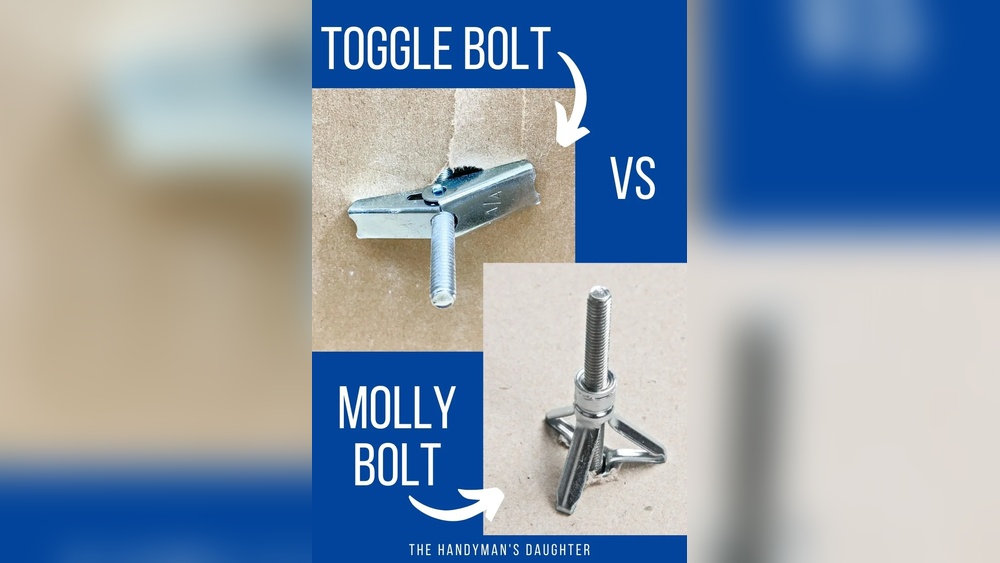
There are several wall anchors for concrete. Expansion anchors spread inside the hole to grip the concrete tightly. Sleeve anchors use a metal sleeve that expands when tightened. Wedge anchors push a wedge into the concrete for a strong hold. Concrete screws go directly into the concrete without a sleeve or wedge. Each type fits different needs and wall types.
Factors To Consider
Think about the load the anchor must hold. Heavy walls need stronger anchors. Consider the wall thickness and the concrete hardness. Also, check the anchor length and diameter. Longer anchors give deeper hold. The installation method matters. Some anchors need pre-drilled holes, others need special tools. Choose anchors that fit your tools and skills.
Materials Compatibility
Match anchors with wall and concrete materials. Steel anchors resist heavy loads but may rust in damp places. Stainless steel anchors resist rust and last longer. Plastic anchors suit light loads and dry conditions. Avoid mixing metals that cause corrosion. Proper material choice ensures anchors last and hold well.

Credit: diy.stackexchange.com
Preparing The Concrete Surface
Preparing the concrete surface is the first step to anchor house walls securely. A clean, solid surface ensures strong attachment. Proper preparation helps avoid future problems like loosening or cracking. This process includes cleaning, marking, and drilling the concrete carefully.
Cleaning And Inspection
Remove dust, dirt, and debris from the concrete surface. Use a broom or a vacuum for thorough cleaning. Check the concrete for cracks, chips, or weak spots. Mark any damaged areas that may need repair before anchoring. A clean, intact surface provides the best hold for anchors.
Marking Anchor Points
Measure and mark the exact spots where anchors will go. Use a pencil or chalk for clear, visible marks. Double-check measurements to ensure correct placement. Proper marking prevents mistakes during drilling. It also helps maintain the wall’s stability and alignment.
Drilling Techniques
Use a hammer drill with a masonry bit for concrete. Drill holes slightly deeper than the anchor length. Keep the drill steady and straight to avoid uneven holes. Clear dust from holes with a brush or compressed air. Clean, precise holes improve anchor grip and strength.
Installing Anchors Safely
Installing anchors safely is critical for securing house walls to concrete. Proper installation prevents damage and keeps the structure strong. Safety also protects you from accidents during the process.
Understanding the right tools and steps helps ensure a smooth and safe job. Avoiding common mistakes saves time and money. Follow clear instructions to anchor your walls firmly and safely.
Tools Required
- Hammer drill with masonry bit
- Concrete anchors (wedge or sleeve type)
- Hammer
- Socket wrench or impact driver
- Measuring tape
- Marker or pencil
- Safety glasses
- Work gloves
Step-by-step Installation
- Measure and mark anchor points on the concrete.
- Wear safety glasses and gloves before drilling.
- Use hammer drill to drill holes at marked points.
- Clear dust from holes with a brush or air blower.
- Insert anchors into drilled holes.
- Tap anchors lightly with a hammer until flush.
- Attach wall bracket or plate over anchors.
- Tighten nuts or bolts with wrench securely.
- Check anchor stability by gently applying pressure.
Common Mistakes To Avoid
- Drilling holes too shallow or too deep.
- Using wrong size anchors for the hole.
- Skipping safety gear like glasses and gloves.
- Ignoring dust removal before anchor insertion.
- Over-tightening bolts and damaging anchors.
- Not checking wall and concrete condition first.
- Rushing the installation process.
Securing Walls To Anchors
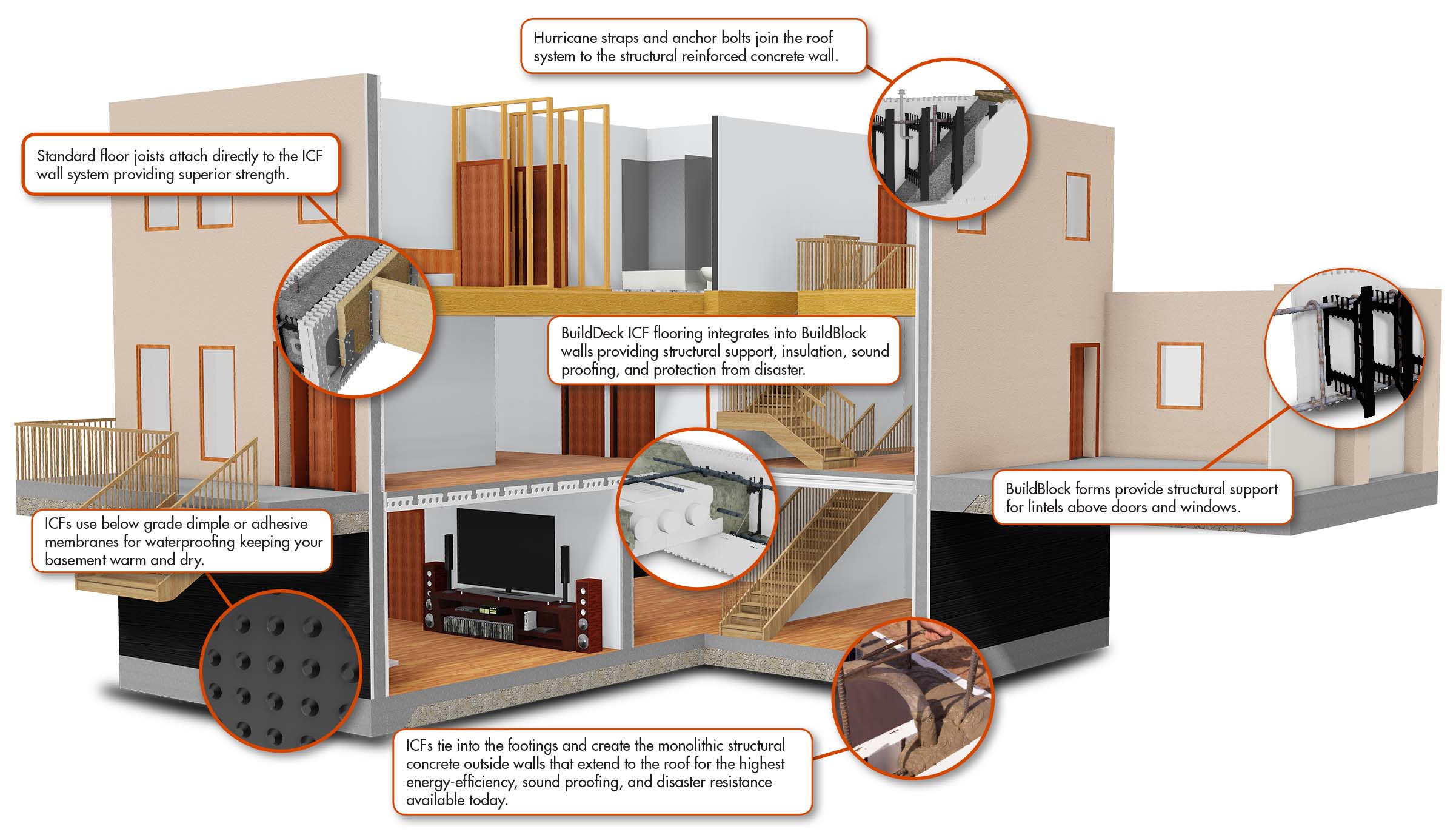
Securing walls to anchors is a key step in building strong, stable house walls. The anchors connect the wooden wall frames firmly to the concrete foundation. This connection helps the walls resist wind, earthquakes, and other forces. Properly securing walls to anchors ensures the structure lasts a long time and stays safe.
Positioning Wall Frames
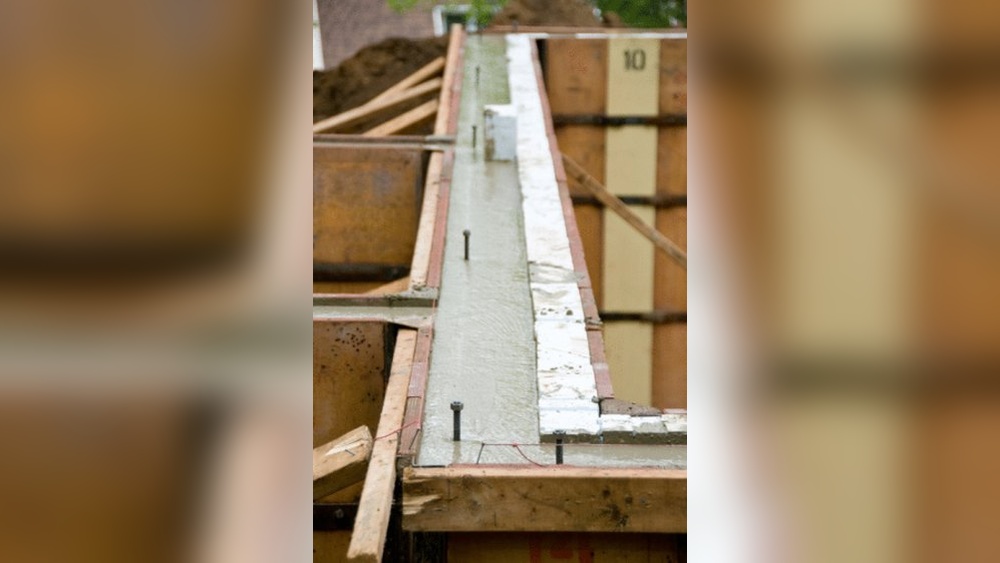
Start by placing the wall frames carefully on the concrete slab. Make sure the frames line up with the anchor bolts. The frames should sit flat and straight on the surface. Check that the base plates match the anchor locations exactly. Correct positioning prevents gaps and weak spots.
Fastening Methods
Use nuts and washers to fasten the wall frames to anchors tightly. Turn the nuts with a wrench until snug but not too tight. Over-tightening can damage the wood or strip the threads. Some builders use metal straps or clips for extra support. These fasteners add strength to the connection.
Ensuring Proper Alignment
Check the walls with a level and square tools after fastening. The walls must stand perfectly vertical and corners should be at right angles. Adjust the frames slightly before fully tightening the nuts. Proper alignment keeps walls straight and makes later work easier.
Testing And Maintenance
Testing and maintenance are key to keeping house walls safely anchored to concrete. Over time, anchors may loosen or weaken. Regular checks help spot problems early. This keeps the structure strong and secure.
Stability Checks
Check the wall for any movement or shaking. Push gently on different spots. Walls should not wobble or shift. Use a level tool to see if walls stay straight. Any tilt means anchors might be failing.
Routine Inspections
Look closely at anchor points and bolts. Rust, cracks, or gaps show wear. Inspect at least twice a year. Check after heavy winds or storms. Note any changes and compare over time. This helps catch small issues before they grow.
Repairing Loose Anchors
Loose anchors must be fixed quickly. Tighten bolts with a wrench carefully. Replace damaged anchors with new ones. Use proper tools to avoid damage. For big problems, call a professional. Secure anchors keep your house safe and strong.
Enhancing Wall Stability
Enhancing wall stability is vital for long-lasting house walls anchored to concrete. Strong walls resist movement and damage from wind or soil pressure. Proper anchoring improves safety and prevents costly repairs.
Additional Reinforcement Options
Reinforcement strengthens the bond between walls and concrete. Steel rebar is a common choice. It fits inside the wall and concrete to add strength. Fiberglass mesh can also help. It reduces cracks by spreading stress evenly.
Another option is using concrete anchors. These hold the wall tightly against the foundation. Selecting the right size and type is important. It depends on wall material and load demands.
Using Brackets And Straps
Brackets and straps connect walls securely to concrete. Metal brackets fasten the bottom of the wall to the slab. Straps wrap around wall studs and anchor bolts. They add extra resistance against pulling forces.
Install these components with proper tools and hardware. Check local building codes for required types and spacing. Correct installation ensures the wall stays stable over time.
Integrating With Structural Elements
Linking walls to beams and columns boosts stability. This integration spreads loads throughout the structure. It reduces stress on wall anchors alone. Use metal connectors or embedded plates to join parts.
Ensure all connections are tight and secure. Inspect joints regularly for wear or damage. Good integration improves the whole building’s strength and safety.

Credit: www.dezeen.com
Frequently Asked Questions
How Do You Anchor House Walls To Concrete?
To anchor house walls to concrete, use metal anchor bolts embedded in concrete. Attach wall plates securely to these bolts for strong support.
What Tools Are Needed To Anchor Walls To Concrete?
You need a hammer drill, anchor bolts, metal plates, wrench, measuring tape, and a level for proper installation.
Why Is Anchoring Walls To Concrete Important?
Anchoring prevents wall movement during storms or earthquakes. It improves structural stability and protects your home from damage.
Can I Anchor Walls To Concrete Myself?
Yes, with the right tools and skills, you can anchor walls yourself. However, professional help ensures safety and code compliance.
Conclusion
Anchoring house walls to concrete adds strength and safety to your home. Use the right tools and follow each step carefully. Secure connections prevent damage from wind and shaking. Check your work often to ensure a tight fit. This simple process helps protect your home for years.
Stay safe and build with confidence.