If you need a strong and reliable way to hang heavy items on concrete or brick walls, lead wall anchors are your best friend. But how do you install them properly to make sure they hold tight and keep your items safe?
You might feel unsure about the steps or worry about making mistakes. Don’t worry—this guide will walk you through the process clearly and simply. By the end, you’ll have the confidence to install lead wall anchors like a pro and get your project done right.
Keep reading to learn the easy steps and tips that will save you time and frustration.
Credit: mendez.gob.mx
Choosing The Right Lead Wall Anchors
Choosing the right lead wall anchors is important for a safe and strong hold. The right anchor depends on the wall type and the weight you need to support. Picking the wrong anchor can cause damage or make the item fall. This guide helps you select the best lead wall anchors for your project.
Types Of Lead Wall Anchors
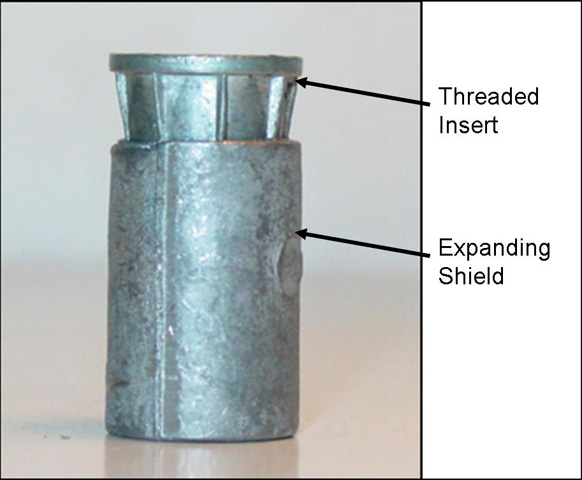
Lead wall anchors come in several types. Some common ones are sleeve anchors, expansion anchors, and drop-in anchors. Sleeve anchors expand inside the wall to hold tightly. Expansion anchors work by pushing against the wall. Drop-in anchors fit inside drilled holes and expand when tightened. Each type fits different needs and wall materials.
Matching Anchors To Wall Material
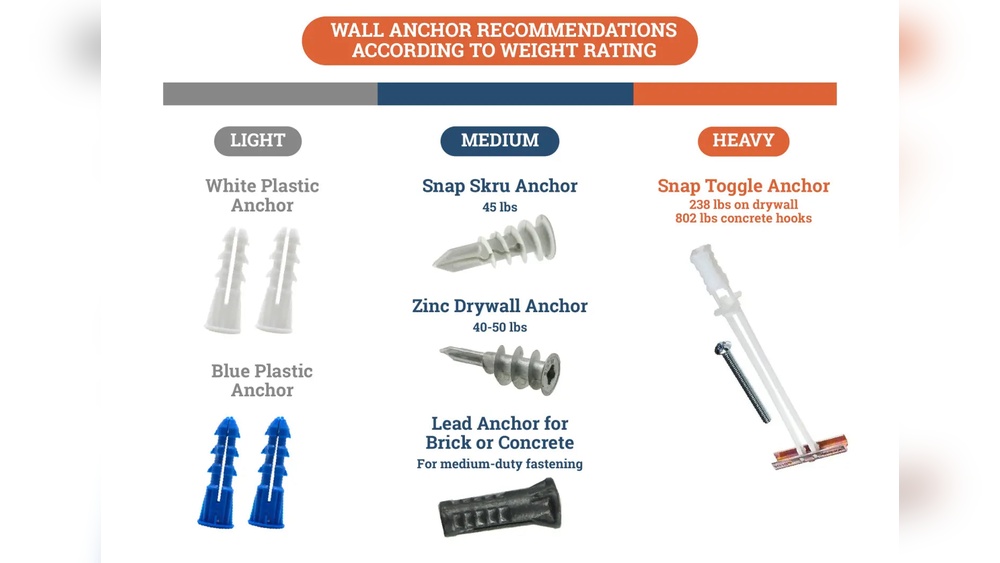
Walls vary in material, like drywall, concrete, or brick. Choose anchors made for your wall type. Lead anchors work well in concrete and brick walls. For drywall, use anchors designed to spread weight without breaking the wall. Matching the anchor to the wall material ensures a strong, secure fit and prevents damage.
Weight Capacity Considerations
Check the weight limit of each anchor. The anchor must support the item’s weight plus extra safety margin. Heavy objects need anchors with higher weight capacity. Light anchors fail under too much weight. Always choose anchors rated for more weight than the item you hang.

Credit: www.youtube.com
Tools And Materials Needed
Before installing lead wall anchors, gather the right tools and materials. This helps the process go smoothly. Having everything ready saves time and avoids frustration. Safety is important too, so include protective gear.
Essential Tools
- Drill with a masonry bit
- Hammer
- Screwdriver or drill driver
- Measuring tape
- Level
- Pencil for marking
- Pliers
Safety Equipment
- Safety goggles to protect eyes
- Dust mask to avoid inhaling particles
- Work gloves to protect hands
- Ear protection if using loud power tools
Additional Supplies
- Lead wall anchors of the correct size
- Matching screws
- Wall cleaner or brush
- Vacuum or brush to clear dust
- Caulk or sealant for finishing (optional)
Preparing The Wall
Preparing the wall is the first step in installing lead wall anchors. It ensures the anchors hold firmly and safely. Good preparation saves time and avoids mistakes during installation.
Follow clear steps to prepare your wall. This makes the process smoother and more accurate.
Locating The Anchor Points
Find the exact spots where anchors will go. These points must support the weight you plan to hang. Use a stud finder to locate studs behind drywall. Studs provide the strongest hold for anchors.
Mark these spots clearly. Avoid placing anchors too close to edges or corners. Proper placement increases anchor strength.
Marking Drill Spots
Use a pencil to mark drill spots on the wall. Mark each point carefully to avoid mistakes. Double-check measurements to keep anchors level and spaced evenly. This prevents uneven hanging and wall damage.
Use a level tool to ensure marks are straight. Precise marks help guide your drill accurately.
Checking For Obstacles
Check for wires, pipes, or other hidden obstacles inside the wall. Use a wire detector or stud finder with live wire detection. Avoid drilling into electrical wires or plumbing.
Clear walls are safer and easier to work with. Removing obstacles prevents damage and injury.

Credit: www.picturehangsolutions.com
Drilling The Holes
Drilling the holes is a key step when installing lead wall anchors. Precise holes ensure the anchors fit well and hold strong. Poor drilling can weaken the wall or cause the anchors to fail. Follow simple steps to drill correctly and prepare the holes for secure anchors.
Choosing The Correct Drill Bit
Select a drill bit that matches the anchor size. The bit should be the same diameter as the anchor body. Use a masonry bit for concrete or brick walls. For drywall, a standard bit works fine. Avoid using a bit too large or too small. This keeps the anchor tight and stable.
Drilling Techniques
Mark the spot clearly before drilling. Hold the drill steady and straight. Start drilling slowly to avoid slipping. Increase speed once the bit bites into the wall. Drill to the depth of the anchor length. Use a tape or depth stop on the drill to guide depth. Do not force the drill. Let it work at its own pace.
Cleaning The Holes
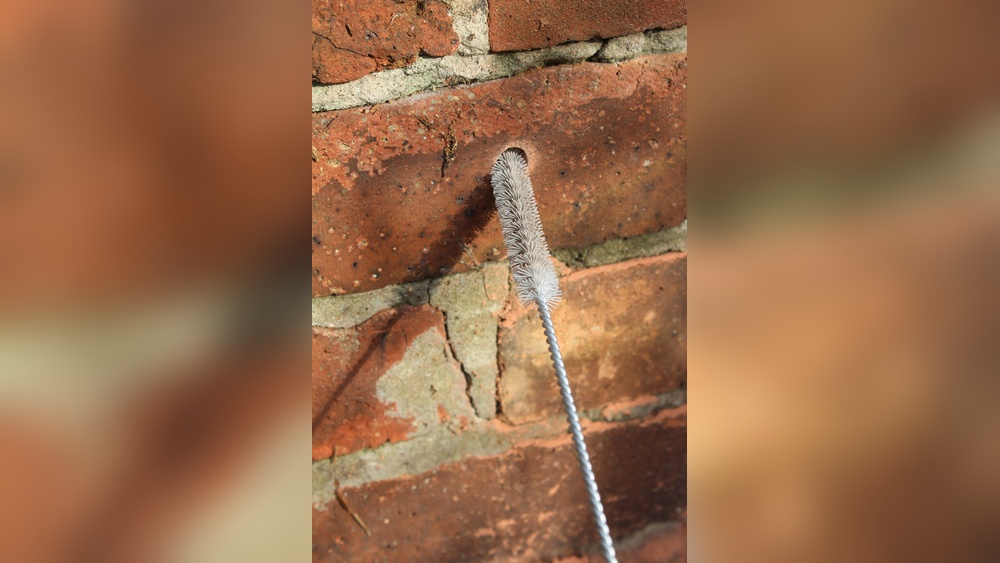
Remove dust and debris from the holes. Use a small brush or a vacuum cleaner. Clean holes help anchors grip better. Blowing air into the hole also works. Avoid leaving loose particles inside. A clean hole improves anchor strength and wall safety.
Installing The Lead Wall Anchors
Installing lead wall anchors is a simple process that helps secure heavy items to your walls. Proper installation ensures strong support and safety. Follow the steps carefully for the best results.
Inserting The Anchors Properly
First, drill a hole in the wall where you want to place the anchor. The hole size should match the anchor’s diameter. Gently push the lead wall anchor into the hole. Use a hammer if needed, tapping lightly. Avoid forcing it too hard to prevent damage. The anchor should sit flush with the wall surface.
Ensuring A Tight Fit
Check that the anchor fits snugly inside the hole. Wiggle the anchor slightly to see if it moves. A loose anchor will not hold weight properly. If loose, try a larger anchor or a slightly bigger hole. The goal is a firm, tight fit for maximum grip.
Testing Anchor Stability
After inserting the anchor, test its strength. Pull or twist gently to see if it stays in place. The anchor should not shift or come out. If it moves, remove and reinstall with the correct size. A stable anchor is key to safely hanging your items.
Securing Fixtures To Anchors
Securing fixtures to lead wall anchors is a vital step. It ensures stability and safety for your mounted objects. Proper attachment prevents damage to walls and fixtures. This section guides you through selecting screws, attaching fixtures, and checking support strength.
Selecting Suitable Screws
Choose screws that match your anchor size and type. Use screws made of strong materials like steel. Avoid screws that are too short or thin. They might not hold the fixture firmly. Check the package instructions for recommended screw sizes.
Attaching Fixtures Firmly
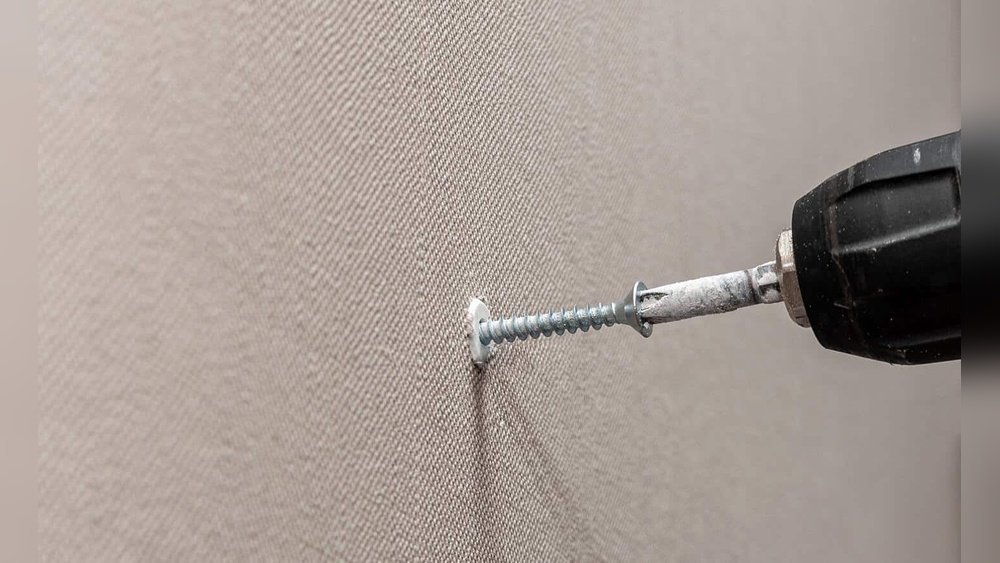
Place the fixture over the anchor carefully. Insert the screw through the fixture’s hole into the anchor. Tighten the screw slowly using a screwdriver or drill. Stop when the fixture feels secure but avoid over-tightening. Over-tightening can damage the anchor or wall.
Double-checking Support Strength
After attaching, gently test the fixture’s firmness by hand. Apply light pressure to check if it moves or feels loose. If the fixture shifts, tighten the screw a little more. Confirm the fixture supports the intended weight safely. This step helps avoid accidents or damage later.
Tips For Long-lasting Support
Ensuring long-lasting support for lead wall anchors requires careful attention and simple steps. Proper installation is just the start. Regular checks and good habits help keep anchors strong and safe. These tips help you avoid problems and extend the life of your anchors.
Avoiding Common Mistakes
Choose the right size anchor for your wall and load. Do not force anchors into holes that are too small. Drill holes straight and clean out dust before inserting anchors. Tighten screws gently to avoid cracking the wall or the anchor. Follow manufacturer instructions carefully to prevent damage.
Maintaining Anchor Integrity
Check anchors regularly for any signs of loosening or damage. Keep the area around the anchor dry to prevent rust or corrosion. Avoid hanging items heavier than the anchor’s rated weight. If the wall shows cracks or damage near anchors, inspect immediately. Clean anchors gently to remove dirt without damaging them.
When To Replace Anchors
Replace anchors if they become loose or if screws no longer hold tightly. Swap anchors after removing them, as reuse weakens their grip. Change anchors if you notice corrosion or rust on metal parts. Replace anchors if the wall around them is damaged or crumbling. Use new anchors to maintain safety and strong support.
Frequently Asked Questions
What Tools Are Needed To Install Lead Wall Anchors?
You need a drill, masonry bit, hammer, screwdriver, and lead wall anchors. These tools ensure proper installation and secure fixing. Always wear safety gear for protection during installation.
How Do I Choose The Right Size Lead Wall Anchor?
Select a lead wall anchor size based on the wall thickness and load weight. Using the correct size prevents damage and ensures strong holding power for your fixtures.
Can Lead Wall Anchors Support Heavy Loads Safely?
Yes, lead wall anchors can support heavy loads if installed correctly. Proper drilling and anchor size selection are crucial for maximum strength and stability.
How Deep Should I Drill For Lead Wall Anchors?
Drill a hole slightly deeper than the anchor length. This depth allows the anchor to fit fully and expand properly for a secure hold.
Conclusion
Installing lead wall anchors is simple with the right steps. Start by choosing the correct anchor size for your wall. Drill a hole carefully and insert the anchor firmly. Tighten the screw to secure your fixture. This method ensures strong support for hanging items.
Practice patience and double-check your work. With these tips, your anchors will hold well and last long. Keep safety in mind and use proper tools every time. A secure installation makes your walls safer and your home neater.