Have you ever faced the frustration of a stuck deadbolt latch when you’re in a hurry? It’s a small problem that can cause big headaches.
But don’t worry—you don’t need to call a locksmith right away. With a few simple steps, you can fix your stuck deadbolt latch quickly and easily. Keep reading, and you’ll learn exactly what to do to get your lock working smoothly again.
Your peace of mind—and your door—will thank you.

Credit: www.aspire-doors.co.uk
Common Causes Of A Stuck Deadbolt
A stuck deadbolt latch can cause frustration and security worries. Understanding the common causes helps solve the problem quickly. Various factors can stop the latch from moving smoothly. Knowing these reasons can save time and effort in fixing the deadbolt.
Weather Effects
Changes in weather can affect the deadbolt latch. Cold weather may cause metal parts to contract and stick. Moisture and humidity can lead to rust or swelling of wooden doors. These changes reduce the latch’s ability to move freely. Regular checks help prevent weather-related issues.
Misalignment Issues
The deadbolt and strike plate must line up correctly. Door warping or loose hinges can cause misalignment. When parts do not match, the latch cannot slide into the strike plate. This problem often causes the deadbolt to jam or stick. Adjusting the door or hardware can fix this issue.
Debris And Dirt
Dirt, dust, and debris can build up inside the lock. This buildup blocks the latch from moving smoothly. Small particles may get stuck in the keyhole or latch mechanism. Cleaning the lock regularly helps avoid this common cause. Use compressed air or a soft brush to clear debris.
Worn Out Components
Over time, parts of the deadbolt wear down. Springs can weaken, and metal parts can bend or break. Worn components reduce the lock’s functionality. This wear leads to sticking or jamming of the latch. Replacing damaged parts restores smooth operation.
Tools And Materials Needed
Fixing a stuck deadbolt latch requires specific tools and materials. Having the right items ready saves time and effort. These tools help identify the problem and fix it safely. Below is a list of essentials you need for this task.
Lubricants
Lubricants reduce friction and help the deadbolt move smoothly. Use graphite powder or silicone spray for best results. Avoid oil-based lubricants as they attract dirt. Apply the lubricant inside the keyhole and around the latch.
Screwdrivers
Screwdrivers are necessary to remove or tighten screws on the lock. A Phillips head and a flathead screwdriver cover most deadbolt screws. Choose a screwdriver that fits the screws well to avoid damage. Keep them handy to access the lock mechanism.
Cleaning Supplies
Cleaning supplies remove dust and debris from the deadbolt parts. Use a soft cloth, cotton swabs, and mild cleaner. Avoid harsh chemicals that can damage the lock. Clean the keyhole and latch area thoroughly before lubrication.
Replacement Parts
Sometimes, worn-out parts cause the deadbolt to stick. Keep extra screws, springs, or latch components for quick replacement. Check the lock for broken or bent parts before starting repairs. Replacement parts help restore the lock’s function effectively.
Step-by-step Fixes
Fixing a stuck deadbolt latch does not have to be hard. Simple steps can solve the problem fast. Follow these clear instructions to get your deadbolt working smoothly again.
Lubricate The Deadbolt
Start by applying a lubricant to the deadbolt. Use a graphite powder or a silicone-based spray. Avoid oil-based lubricants as they attract dust. Spray or apply lubricant inside the keyhole and on the bolt. Move the deadbolt back and forth several times. This helps the lubricant spread evenly and eases the latch movement.
Realign The Strike Plate
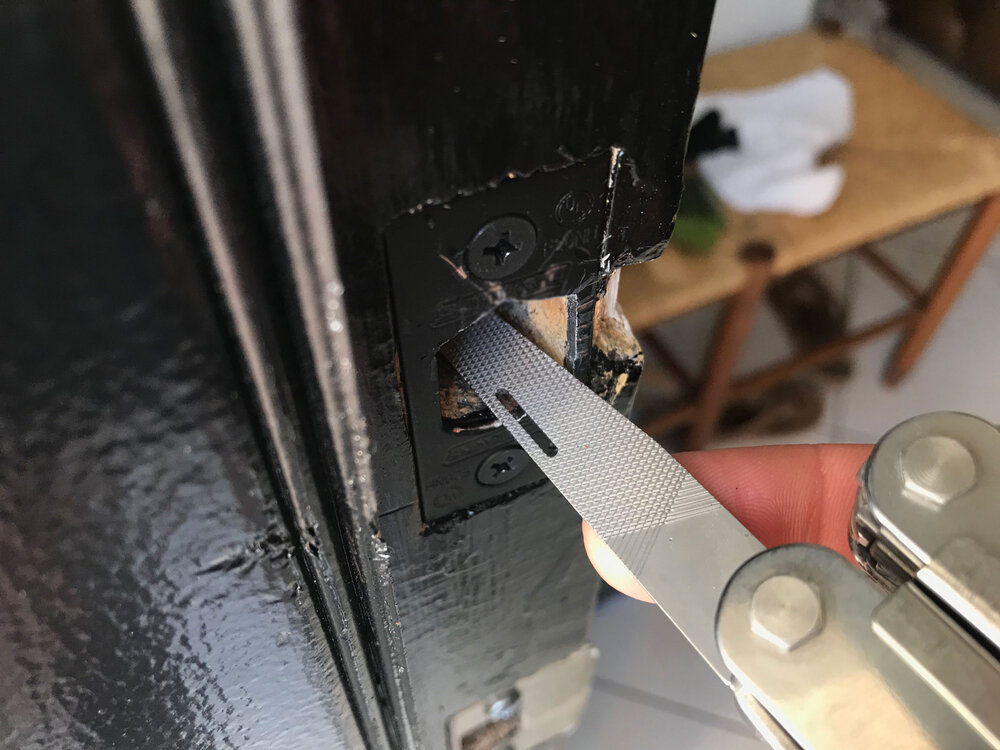
Check if the strike plate is properly aligned with the deadbolt. A misaligned plate can cause the latch to stick. Loosen the screws on the strike plate slightly. Adjust the plate up or down until the bolt fits in easily. Tighten the screws firmly after adjustment. Test the lock to ensure smooth operation.
Clean The Lock Mechanism
Dirt and debris inside the lock can block the latch. Use a small brush or compressed air to clean the lock. Remove any visible dust or grime around the deadbolt. Clean inside the keyhole gently. This removes buildup that causes the latch to stick. Regular cleaning keeps the lock in good condition.
Tighten Loose Screws
Loose screws can make the deadbolt misalign and stick. Check all screws on the lock and door hardware. Tighten any that feel loose with a screwdriver. Secure screws keep the deadbolt in the correct position. This step improves the lock’s function and prevents future issues.
Credit: www.theprolock.com
When To Replace The Deadbolt
Knowing when to replace a deadbolt is important for home security. Sometimes, a stuck deadbolt latch signals deeper problems. Repairing might not always work. Replacement ensures safety and smooth function.
Signs Of Severe Damage
Look for cracks or bends in the lock. Rust or corrosion can stop the deadbolt from working. The key may not turn or gets stuck often. These signs mean the deadbolt is beyond repair.
Choosing A New Lock
Select a lock that fits your door’s thickness. Pick a model with good security ratings. Consider a lock with anti-pick and anti-drill features. Choose a style that matches your home’s look.
Installation Tips
Remove the old deadbolt carefully to avoid door damage. Align the new lock parts correctly. Tighten screws firmly but do not over-tighten. Test the lock several times to ensure smooth operation.
Preventive Maintenance Tips
Preventive maintenance helps keep your deadbolt latch working smoothly. Small actions taken regularly stop big problems later. Protect your lock from dirt, rust, and damage. Follow these simple tips to avoid a stuck latch.
Regular Cleaning Routine
Clean the deadbolt latch every few months. Use a soft cloth to wipe dirt and dust. Avoid harsh chemicals that can damage the metal. A clean lock moves easier and lasts longer.
Seasonal Lubrication
Apply lubricant to the latch twice a year. Use graphite powder or a silicone-based spray. Oil can attract dust and cause buildup. Lubrication reduces friction and prevents sticking.
Inspecting For Wear
Check the deadbolt parts for signs of damage often. Look for rust, cracks, or worn edges. Replace parts before they fail completely. Early fixes save time and money.
Proper Usage Practices
Turn the key gently without forcing it. Avoid slamming the door or locking it hard. Rough use wears out the latch faster. Treat your lock with care to keep it working well.

Credit: www.youtube.com
Frequently Asked Questions
Why Is My Deadbolt Latch Stuck?
A deadbolt latch can get stuck due to dirt buildup, misalignment, or lack of lubrication. Check for debris or damage. Cleaning and lubricating the latch often resolves the issue quickly.
How Can I Lubricate A Stuck Deadbolt Latch?
Use a graphite or silicone-based lubricant for best results. Avoid oil-based products, which attract dust. Spray or apply lubricant inside the latch and around the bolt to ensure smooth movement.
Can Misaligned Strike Plates Cause Latch Problems?
Yes, misaligned strike plates can prevent the latch from engaging properly. Adjust the plate by loosening screws and repositioning it. This can fix sticking or jamming issues effectively.
Is It Necessary To Disassemble The Deadbolt To Fix It?
Not always. Many stuck latches can be fixed externally by cleaning, lubricating, or adjusting the strike plate. Disassemble only if internal parts are damaged or jammed.
Conclusion
Fixing a stuck deadbolt latch can save time and stress. Start with simple steps like cleaning and lubricating the latch. Check for misalignment or loose screws next. Most problems fix with basic tools and patience. If issues persist, consider calling a locksmith for help.
Regular maintenance keeps your lock working smoothly. A working deadbolt means better home security and peace of mind. Don’t ignore small problems—they often grow bigger fast. Take action early to avoid lockouts or damage. Your door should open and close with ease every time.