Are you planning to hang something important on your wall but unsure if an 8 wall anchor can handle the weight? Knowing exactly how much weight your wall anchor can support is crucial for keeping your items safe and your walls damage-free.
You’ll discover the real holding power of an 8 wall anchor and learn how to choose the right one for your needs. Keep reading, and you’ll gain the confidence to secure your belongings without worry.
Types Of Wall Anchors
Wall anchors help secure objects to walls safely. Different anchors hold different weights and fit various wall types. Choosing the right anchor is key for strong support. Here are common types of wall anchors you might use.
Plastic Expansion Anchors
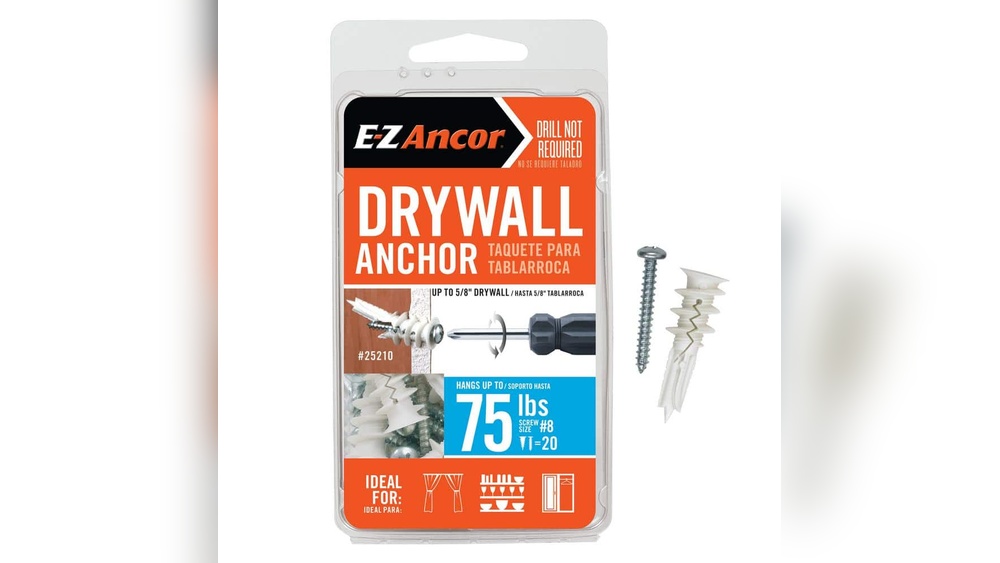
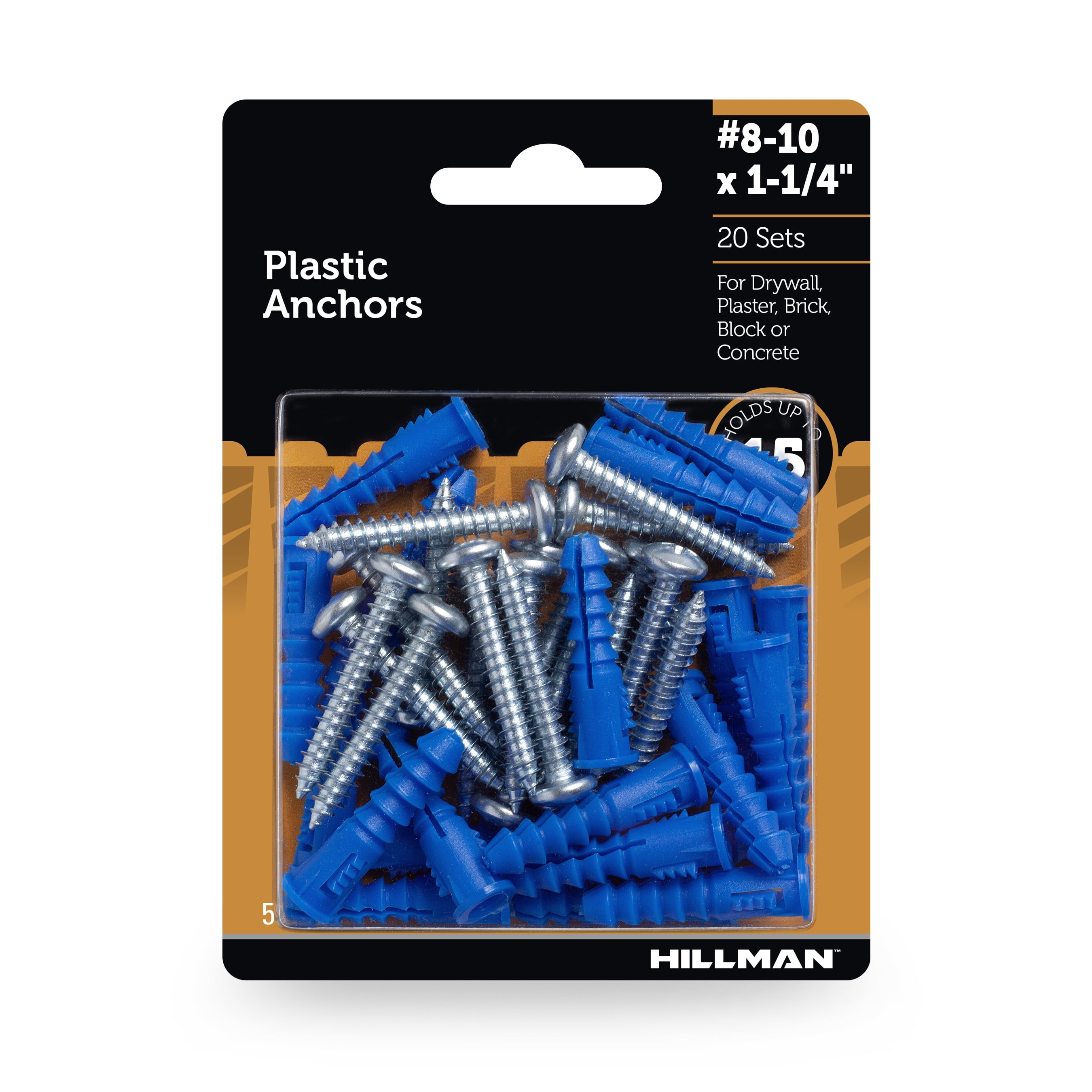
Plastic expansion anchors are simple and common. They expand inside the wall when a screw is inserted. Best for light loads and drywall. Not suitable for heavy items or hollow walls.
Toggle Bolts
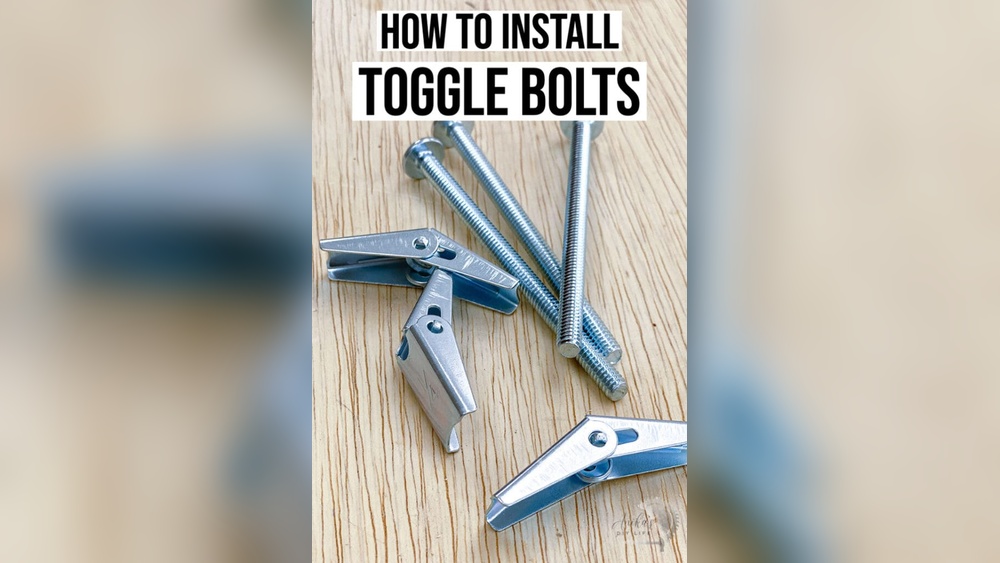
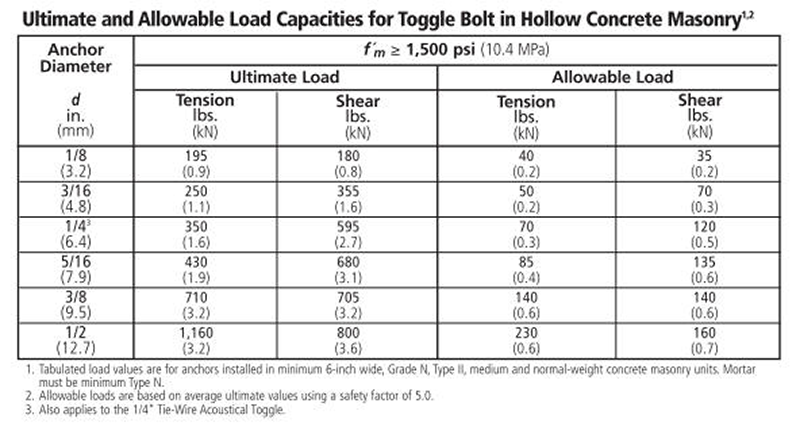
Toggle bolts have wings that open behind the wall. They spread the load over a larger area. Great for hanging heavy items on hollow walls. Require a larger hole for installation.
Molly Bolts
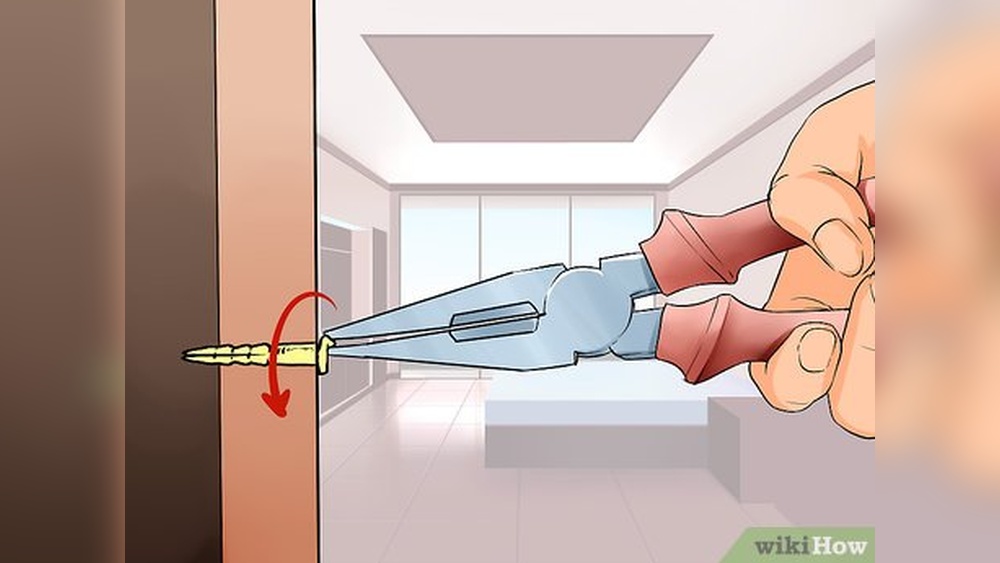
Molly bolts are metal anchors that expand inside the wall. They provide strong support for medium-weight loads. Ideal for drywall and plaster walls. Once installed, they stay firmly in place.
Self-drilling Anchors
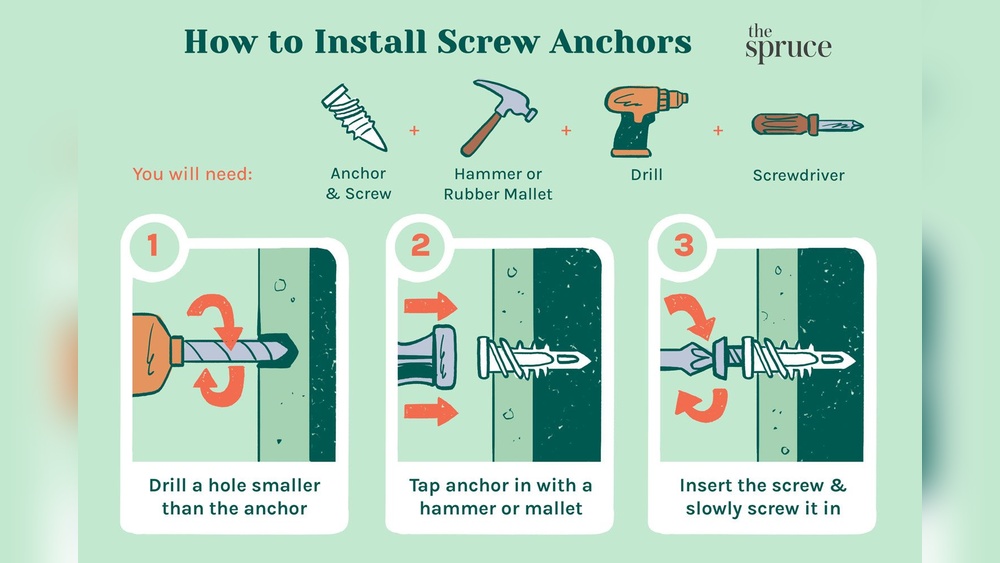
Self-drilling anchors screw directly into drywall without pre-drilling. Easy to install and hold moderate weight. Good choice for quick jobs and small to medium items. Avoid using for very heavy objects.
Credit: www.naturalhandyman.com
Factors Affecting Anchor Strength
The strength of an 8 wall anchor depends on several key factors. These affect how much weight the anchor can hold safely. Understanding these factors helps choose the right anchor for your project.
Each factor plays a role in the anchor’s grip and load capacity. Some are about the anchor itself, others about the wall it goes into. Proper installation also matters a lot.
Wall Material
The type of wall affects anchor strength greatly. Drywall, concrete, brick, and plaster all hold anchors differently. Concrete and brick walls usually provide stronger support.
Drywall needs special anchors to hold weight well. Hollow walls reduce anchor strength. Knowing the wall material helps pick the best anchor type.
Anchor Size And Type
Bigger anchors tend to hold more weight. The 8 wall anchor size refers to its diameter or length. Different types, like toggle bolts or plastic anchors, work better in certain walls.
Some anchors spread the load over a wider area. Others grip tightly inside the wall. Matching the anchor type to the wall ensures better hold.
Installation Method
How you install an anchor affects its strength. Drilling the right hole size is important. Too big or too small holes reduce holding power.
Inserting anchors straight and securing them properly improves grip. Follow manufacturer instructions for best results. Poor installation can cause anchors to fail.
Weight Capacity Of 8 Wall Anchors
Understanding the weight capacity of 8 wall anchors helps choose the right type for your project. Weight capacity means how much load an anchor can safely hold. It depends on the anchor’s design and the wall material. Using the wrong anchor can cause damage or failure.
Load Ratings By Anchor Type
Different wall anchors have different load ratings. Plastic expansion anchors usually hold up to 10 to 25 pounds. Metal toggle bolts can support 50 pounds or more. Self-drilling anchors often handle 25 to 50 pounds. Always check the package for exact weight ratings. These ratings are for one anchor, so using multiple anchors increases capacity.
Impact Of Wall Material On Holding Power
Wall material greatly affects an anchor’s strength. Drywall anchors hold less weight than anchors in concrete or brick. Hollow walls need anchors that spread the load, like toggle bolts. Solid walls allow anchors to grip tightly. Always match the anchor type to your wall for best results.
Testing Anchor Strength
Testing anchor strength is essential to know how much weight a wall anchor can hold safely. This helps avoid accidents and ensures the anchor supports the load properly. Tests show the real limits of anchors beyond just the numbers on the package.
Laboratory Testing Methods
In labs, anchors go through controlled tests to measure their strength. Machines pull or push the anchor until it fails. These tests check tensile strength and shear strength. Each test gives a clear weight limit for the anchor type. The results help compare different anchors and find the strongest options.
Lab tests use materials like drywall, concrete, or brick to mimic wall types. This shows how anchors perform in various walls. The controlled setup removes outside factors, giving reliable data. This information guides builders and homeowners on safe anchor use.
Real-world Performance
Real life differs from labs. Anchors face uneven walls, moisture, and wear over time. This can lower their strength. Testing in real conditions shows how long anchors hold and what affects their grip. Professionals often check anchors after installation to ensure safety.
Users should consider real-world factors like wall type and weight distribution. Even strong anchors can fail if walls are weak or loads shift. Knowing real performance helps pick the right anchor and install it correctly. This keeps walls secure and safe.
Tips For Maximizing Anchor Strength
Maximizing the strength of an 8 wall anchor is important for safety and durability. Good anchor strength keeps objects secure and prevents damage to walls. Simple tips can help you get the best hold from your anchors.
Follow clear steps and choose the right materials to improve performance. Avoid common errors that reduce anchor strength and cause failures.
Proper Installation Techniques
Use a drill bit that matches the anchor size. Drill straight holes to ensure a tight fit. Clean out dust from holes before inserting anchors. Push anchors firmly into the hole without forcing them. Tighten screws slowly to avoid cracking the wall or anchor. Check that the anchor sits flush with the wall surface.
Choosing The Right Anchor
Select anchors based on wall type and load weight. Plastic anchors work well for light loads in drywall. Metal anchors suit heavier loads or plaster walls. Expansion anchors hold better in solid walls like concrete. Avoid using small anchors for heavy items. Check the anchor’s weight rating before buying.
Avoiding Common Mistakes
Do not reuse anchors after removal. Avoid drilling holes that are too big or too small. Never skip cleaning dust from holes. Do not overtighten screws, which can break anchors. Avoid anchors that do not match the wall material. Always follow manufacturer instructions for best results.
Credit: www.walmart.com
When To Use Multiple Anchors
Using multiple wall anchors can increase the strength of your mounting. It spreads the weight over a larger area. This method is helpful for heavy items or fragile walls. Knowing when to use more than one anchor avoids damage and keeps things secure.
Distributing Load
Multiple anchors share the weight evenly across the wall. This prevents any single anchor from bearing too much stress. It lowers the risk of anchors pulling out or walls cracking. Use more anchors for wide or heavy objects. This helps keep the load balanced and stable.
Safety Considerations
Safety is a top priority when hanging heavy items. Using several anchors reduces the chance of accidents. It adds extra support in case one anchor fails. Always choose the right anchor type for your wall material. Secure mounting protects people and property from harm.

Credit: www.amazon.com
Frequently Asked Questions
How Much Weight Can An 8 Wall Anchor Support?
An 8 wall anchor can typically hold between 25 to 50 pounds. The exact weight depends on the wall type and anchor design. Always check manufacturer guidelines for safe load limits to avoid damage or failure.
What Factors Affect 8 Wall Anchor Holding Strength?
Wall material, anchor type, and installation quality impact the holding strength. Drywall, plaster, and concrete vary in support ability. Correct anchor choice and proper installation ensure maximum load capacity.
Can 8 Wall Anchors Support Heavy Shelves?
Yes, 8 wall anchors can support moderate-weight shelves up to 50 pounds. For heavier loads, use multiple anchors or stronger anchors designed for heavy-duty applications.
Are 8 Wall Anchors Suitable For Drywall?
Yes, 8 wall anchors are commonly used in drywall. They provide good support for lightweight to medium objects without damaging the wall surface.
Conclusion
An 8 wall anchor holds a strong weight when used properly. Always check the anchor type and wall material before use. Proper installation ensures safety and stability. Avoid guessing weight limits to prevent damage or accidents. Choosing the right anchor helps secure your items well.
Remember, small steps protect your walls and belongings. Trust the weight guidelines and install carefully every time.