Are you ready to give your room a fresh look with new curtains but unsure how to install the hooks properly? Screwing curtain hooks into the wall might seem tricky at first, but with the right steps, you can do it quickly and securely.
In this guide, you’ll learn simple, clear instructions that anyone can follow—no special tools or experience needed. Keep reading, and you’ll be hanging your curtains like a pro in no time!
Credit: www.homedepot.com
Tools And Materials Needed
Before you start screwing curtain hooks into the wall, gather the right tools and materials. Having everything ready makes the job faster and easier. It also helps you avoid mistakes that can damage your wall or curtain rod.
This section covers the types of curtain hooks, the drill and screws you need, and other supplies. Each item plays a role in a smooth installation.
Types Of Curtain Hooks
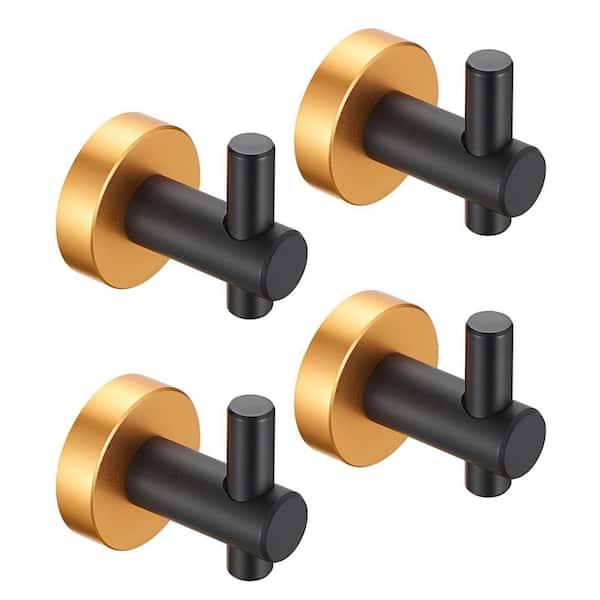
There are several types of curtain hooks. Some common ones include cup hooks, screw-in hooks, and ring hooks. Cup hooks are small and curved, perfect for lightweight curtains. Screw-in hooks have a pointed end that goes directly into the wall. Ring hooks attach to curtain rings and slide on the rod. Choose hooks that match your curtain style and weight.
Choosing The Right Drill And Screws
Select a drill that fits the wall type. A cordless drill works well for most jobs. Use a drill bit that matches the screw size. For drywall, use wall anchors with screws for a strong hold. For wooden walls, regular wood screws will do. Pick screws long enough to support the curtain weight but not too long to damage the wall.
Additional Supplies
Besides hooks, drill, and screws, gather a few extras. A pencil helps mark where to drill. A tape measure ensures even placement of hooks. A level keeps the curtain rod straight. Wall anchors support screws in drywall or plaster. A screwdriver or drill bit helps tighten the screws securely.

Credit: www.amazon.com
Preparing The Wall
Preparing the wall properly is the first step before screwing curtain hooks. It ensures your hooks hold strong and stay in place. Taking time to prepare helps avoid damage and keeps your curtains safe.
Locating Studs Or Wall Anchors
Find the studs in your wall for the strongest support. Use a stud finder tool or tap the wall to hear a solid sound. If no studs are where you want hooks, use wall anchors. Anchors give extra strength in drywall or plaster.
Marking Hook Positions
Mark the exact spots for each hook with a pencil. Measure carefully to keep hooks level and even. Marking before drilling saves time and prevents mistakes. Make sure marks are clear but easy to erase later.
Checking For Electrical Wires
Check for hidden wires inside the wall. Use a wire detector to avoid drilling into live cables. Damaging wires can be dangerous and costly. Take safety seriously before making any holes.
Drilling The Holes
Drilling the holes is a key step in fixing curtain hooks to the wall. It creates the space needed for screws or anchors. Doing it right keeps the hooks strong and secure. Small mistakes here can cause the curtain to fall or damage the wall.
Selecting The Drill Bit Size
Pick a drill bit that matches the screw or anchor size. Too small a bit makes it hard to insert screws. Too large a bit weakens the hold. Check the package of your hooks or anchors for size advice. A proper fit means a tight, safe grip on the wall.
Drilling At The Correct Angle
Hold the drill straight against the wall. Drilling at an angle can make holes too big or uneven. Straight holes help screws go in smoothly. They also keep the curtain hook level and strong. Use a level tool if you want extra accuracy.
Cleaning The Holes
After drilling, clear out dust and debris inside the holes. Dust can stop screws from fitting well. Use a small brush or blow air into the holes. Clean holes help screws grip better and last longer. This step ensures your curtain hooks stay firmly in place.
Inserting Anchors And Screwing Hooks
Inserting anchors and screwing curtain hooks into the wall is a key step for strong support. It prevents hooks from loosening or falling out. Proper installation ensures curtains hang safely and look neat.
Installing Wall Anchors
Start by choosing the right wall anchors for your wall type. Plastic anchors work well for drywall, while metal anchors suit brick or concrete. Drill a hole slightly smaller than the anchor size. Gently push or tap the anchor into the hole. It should fit snugly without moving.
Screwing In The Curtain Hooks
Align the curtain hook with the inserted anchor. Turn the hook clockwise, pressing lightly. Use your hand first, then a screwdriver for a tight fit. Avoid over-tightening to prevent damage to the wall or anchor. The hook should feel secure and firm.
Ensuring Stability And Support
Check the hook by gently pulling it. It should not wiggle or loosen. If loose, remove and reinstall the anchor and hook. Use anchors rated for the curtain weight. Proper support protects your wall and curtains from damage.
Hanging Curtains Properly
Hanging curtains properly is key to a neat and functional window. It makes your room look tidy and bright. Setting up curtain hooks correctly ensures curtains hang evenly. This process helps curtains slide easily and stay in place.
Follow these steps to get the best result. This guide helps you handle curtain hooks with care and precision. Your curtains will look smooth and hang just right.
Attaching Curtains To Hooks
Start by holding the curtain near the top. Find the curtain’s header or loop. Slide the curtain hook into this part carefully. Make sure the hook grips the fabric well. Avoid pulling too hard on the curtain. Attach all hooks evenly for balance. This prevents uneven hanging and wrinkles.
Adjusting Curtain Length
Check the curtain length after hanging. Curtains should just touch the floor or windowsill. Short curtains can make the room look odd. Too long curtains gather dust and look messy. Use the hooks to raise or lower the curtain. Adjust each side evenly to keep balance. Small changes make a big difference here.
Final Alignment And Testing
Once curtains hang, step back and look closely. Ensure the curtain falls straight with no gaps. Pull the curtains gently to test the hooks. They should hold firmly without slipping. Check both sides for equal spacing. Make final tweaks for smooth opening and closing. Proper alignment means your curtains work well and look great.

Credit: www.youtube.com
Troubleshooting Common Issues
Troubleshooting common issues makes curtain hook installation easier. Small problems can stop your curtains from hanging right. Fixing these quickly saves time and keeps walls safe. This section covers three main issues: loose hooks, wall damage, and uneven curtains.
Loose Hooks
Loose hooks cause curtains to sag or fall. Check if the hook is screwed tightly. Use a drill or screwdriver to secure it firmly. If the wall is soft, try wall anchors for better grip. Tighten the hook but avoid over-screwing. Test by gently pulling on the hook.
Wall Damage Prevention
Avoid wall damage by choosing the right hook type. Use anchors on drywall or plaster to spread weight. Drill pilot holes before screwing to prevent cracks. Keep screws straight and steady. Avoid forcing hooks into tough surfaces. Use small patches to fix any holes after removal.
Handling Uneven Curtain Placement
Uneven curtains look untidy and distract from the room. Measure twice before drilling each hook. Use a level tool to keep hooks aligned. Mark spots with a pencil for accuracy. Adjust hooks slightly if curtains hang unevenly. Small changes make a big difference in appearance.
Frequently Asked Questions
How Do I Choose The Right Curtain Hooks For Walls?
Select hooks based on wall type and curtain weight. Use sturdy metal hooks for heavy curtains. Plastic hooks suit lightweight curtains and drywall.
What Tools Are Needed To Screw Curtain Hooks Into Walls?
You need a drill, screwdriver, wall anchors, and a pencil. A level helps ensure hooks are straight and aligned.
How Do I Prevent Wall Damage When Installing Curtain Hooks?
Use wall anchors or plugs for drywall. Drill pilot holes to avoid cracking plaster or wood surfaces.
Can I Install Curtain Hooks Without Drilling Holes?
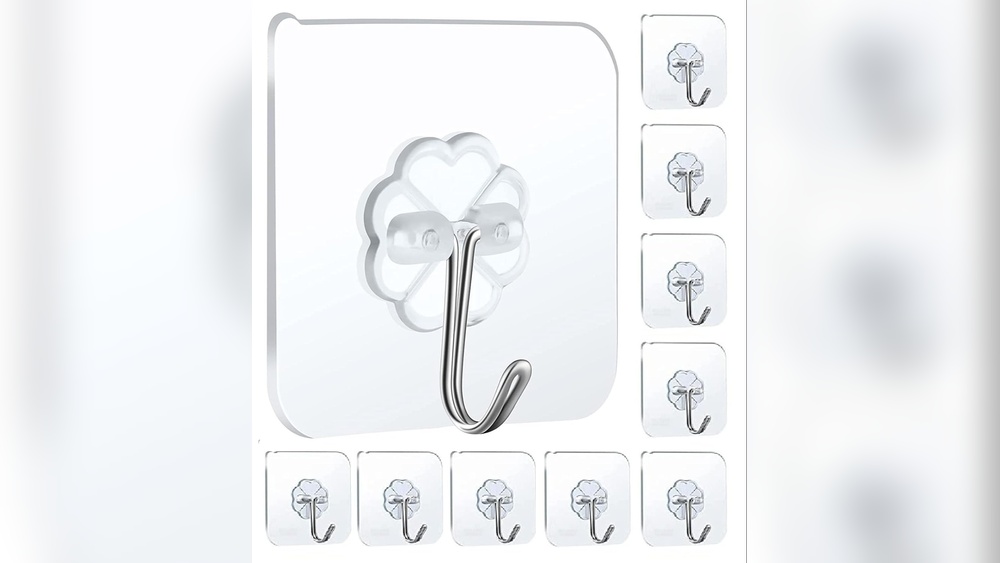
Yes, adhesive hooks or tension rods are alternatives. They suit lightweight curtains and avoid wall damage but may hold less weight.
Conclusion
Screwing curtain hooks into the wall is simple with the right steps. Start by choosing the right spot and tools. Mark the points carefully for even placement. Drill holes gently to avoid wall damage. Insert hooks securely for strong support.
Take your time to ensure hooks hold well. With these tips, hanging curtains becomes easy and neat. Enjoy your new curtains without hassle or worry.