Are you tired of struggling to hang your favorite pictures, shelves, or decorations? Putting a hook into a wall might seem simple, but getting it right can save you time, effort, and even damage to your walls.
In this guide, you’ll discover easy, step-by-step tips to make sure your hook stays secure and looks great. Whether you’re a beginner or just want to avoid common mistakes, this article will give you the confidence to hang anything with ease.
Keep reading, and you’ll master the trick to a perfectly installed wall hook in no time!
Choose The Right Hook
Choosing the right hook is important for a secure and lasting hold. The right hook depends on what you want to hang and the type of wall. Picking the wrong hook can cause damage or make your item fall. Learn about different hooks, their weight limits, and materials to find the best fit.
Types Of Hooks
There are many hook types for different uses. Picture hooks hold frames and small art. Screw-in hooks work well for heavier items. Adhesive hooks stick to smooth surfaces without drilling. Specialty hooks exist for curtains, tools, or decorations. Choose a hook that matches the item and wall type.
Weight Capacity
Every hook has a weight limit. This limit tells how much the hook can hold safely. Always check the weight of the item first. Use a hook with a higher weight capacity than your item. This prevents the hook from bending or pulling out of the wall.
Material Considerations
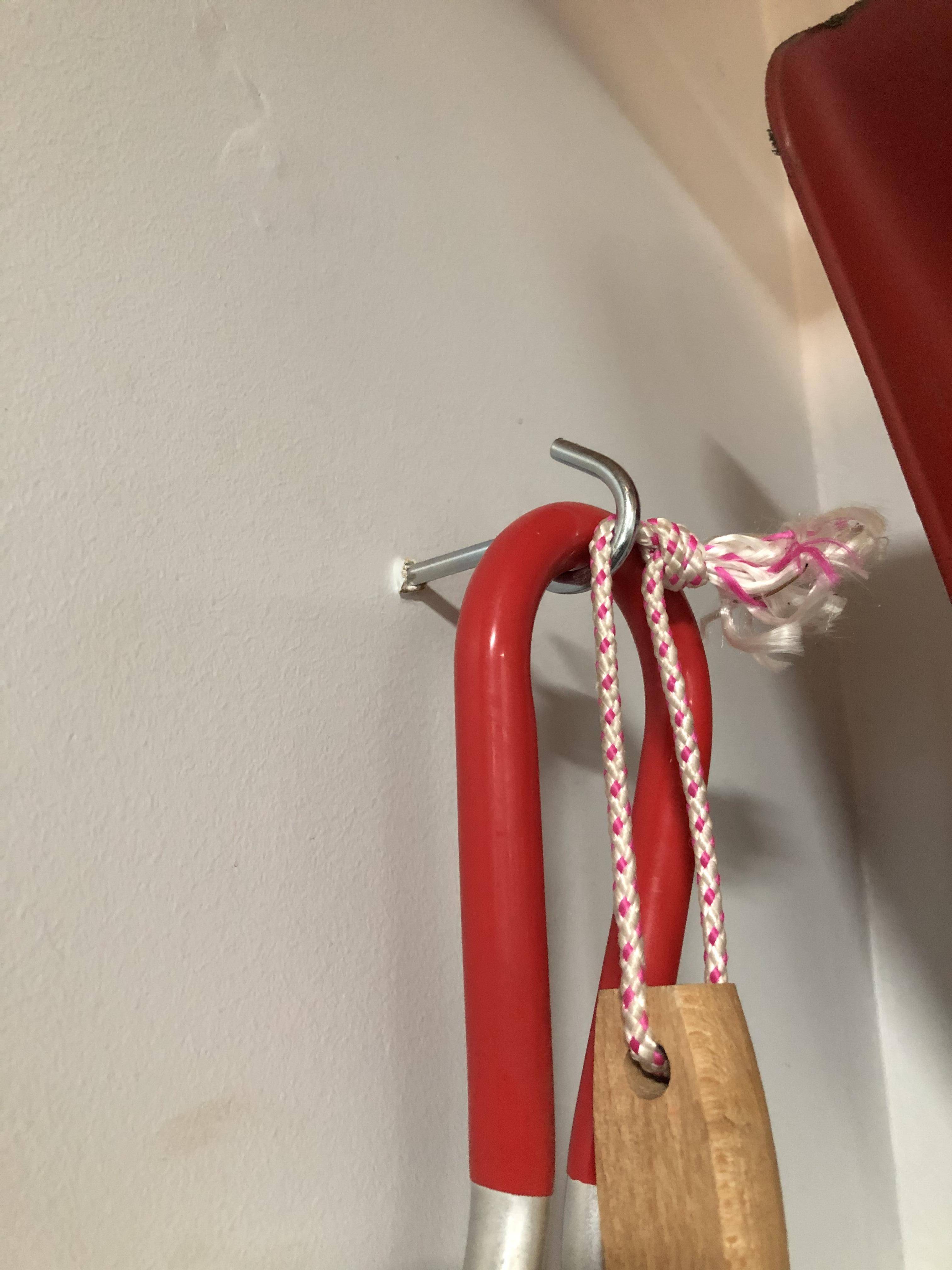
Hooks come in metal, plastic, and wood. Metal hooks are strong and last long. Plastic hooks are light and easy to remove. Wood hooks can be decorative but may not hold heavy items. Also, consider the wall material. Some hooks work better on drywall, others on brick or tile.
Credit: diy.stackexchange.com
Gather Necessary Tools
Before putting a hook into a wall, gather the right tools. This step makes the work easier and safer. Different walls need different tools. Safety gear protects you from injury. Prepare everything before starting.
Tools For Different Wall Types
Drywall requires a drill and wall anchors. For brick or concrete, use a hammer drill and masonry bits. Wooden walls need a screwdriver and wood screws. Choose hooks that match your wall type. Using the right tools prevents damage.
Safety Equipment
Wear safety glasses to protect your eyes. Use gloves to avoid cuts and scrapes. A dust mask helps when drilling into walls. Keep a first aid kit nearby. Safety gear keeps you safe during the job.
Locate The Best Spot
Finding the best spot to put a hook in a wall is key to strong support. The right place ensures the hook holds weight without damage. This step saves time and keeps your wall safe. Let’s explore how to find that perfect spot.
Studs Vs. Drywall
Studs are the wooden beams inside walls. They offer firm support for hooks. Drywall is the flat surface covering studs. It is weaker and can break under weight. Always try to place hooks into studs. Hooks in drywall need special anchors to hold well.
Measuring And Marking
Measure the height where you want the hook. Use a tape measure for accuracy. Mark the spot lightly with a pencil. Double-check your mark before drilling. This step helps avoid mistakes and keeps hooks straight. Precise marks make installation easier and cleaner.
Prepare The Wall
Preparing the wall is the first step before putting a hook. It helps the hook stay strong and safe. Proper preparation prevents damage to the wall and keeps your items secure.
Cleaning The Surface
Start by wiping the wall with a clean cloth. Remove dust, dirt, and grease. A clean surface helps the hook stick better. Use mild soap and water for stubborn stains. Let the wall dry completely before moving on.
Drilling Pilot Holes
Mark the spot where the hook will go. Use a pencil for an easy guide. Choose a drill bit smaller than the hook’s screw. Drill a pilot hole carefully to avoid cracks. This makes inserting the hook easier and safer.
Insert The Hook
Inserting a hook into a wall is a simple task that needs care. The right method ensures the hook holds firmly. This section guides you through the steps to insert a hook safely and correctly.
Screwing In The Hook
Start by marking the spot on the wall. Use a pencil to make a small dot. This helps place the hook exactly where you want it.
Hold the hook against the mark. Turn it slowly clockwise to screw it in. Use your hand for better control and to avoid damage.
Keep turning until the hook feels tight. It should not wobble or move easily. Stop if you meet strong resistance to avoid breaking the wall.
Using Anchors For Support
Choose anchors when the wall is soft or hollow. Anchors provide extra strength for heavier items.
First, drill a hole slightly smaller than the anchor. Push the anchor into the hole until flush with the wall.
Then, screw the hook into the anchor. The anchor expands inside the wall, holding the hook firmly. This method prevents the hook from pulling out.
Test The Hook
Testing the hook after installation is important. It ensures the hook holds well and is safe to use. A poorly tested hook might fall and cause damage or injury. Follow simple steps to check its strength and stability.
Ensuring Stability
Gently pull the hook with your hand. Check if it feels loose or wobbly. A stable hook should not move easily. Try hanging a light object first. This helps confirm the hook’s strength without risk. Watch for any bending or slipping from the wall.
Adjustments If Needed
If the hook moves or feels weak, adjustments are necessary. Tighten the screw or nail holding the hook. Use a screwdriver or hammer carefully. If the hook still feels unstable, remove it and try a different spot. Consider using wall anchors for extra support. Repeat the test after making changes to ensure safety.
Tips For Different Wall Materials
Different wall materials need different hooks and tools. Knowing the right method keeps your walls safe. It also helps your hooks hold strong. Below are tips for common wall types.
Brick And Concrete Walls
Use a drill with a masonry bit to make holes. Insert plastic anchors into the holes. Then screw in heavy-duty hooks. This method holds heavy items well. Avoid hammering directly; it can crack bricks.
Plaster Walls
Drill slowly to avoid cracks. Use anchors designed for plaster to keep hooks firm. Picture hooks with wide bases spread weight evenly. Avoid heavy loads to prevent wall damage.
Drywall Solutions
Use drywall anchors for medium weights. For light items, small nails or adhesive hooks work. Toggle bolts support heavier objects. Push anchors into drywall holes before screwing hooks.

Credit: www.wikihow.com

Credit: www.wikihow.com
Frequently Asked Questions
How Do I Choose The Right Hook For My Wall?
Select a hook based on your wall type and item weight. Use adhesive hooks for light items and anchors for heavy objects. Consider material and design for durability and aesthetics.
What Tools Are Needed To Put A Hook Into A Wall?
You need a drill, screwdriver, wall anchors, a pencil, and a level. These tools ensure precise placement and secure installation of the hook.
Can I Put A Hook Into Drywall Without Anchors?
For very light items, small adhesive hooks may work. However, for heavier objects, using anchors prevents damage and ensures the hook holds firmly.
How Deep Should I Drill Holes For Wall Hooks?
Drill holes slightly deeper than the anchor length. This allows the anchor to fit securely and the hook to hold weight safely.
Conclusion
Putting a hook into a wall is simple with the right steps. Choose the right hook for your wall type. Mark the spot carefully before drilling or nailing. Use tools safely and check for wires inside the wall. Take your time to ensure the hook is secure.
Now, hang your items confidently and keep your space organized. Small tasks like this make a big difference at home. Try it yourself and enjoy the neat results.