
Want to hang your favorite pictures, keys, or coats without making holes in your walls? You’re in the right place.
Installing wall hooks without a drill can save you time, avoid damage, and keep your space looking neat. Imagine getting your walls ready for hanging in minutes—no dust, no noise, and no hassle. You’ll discover simple, effective ways to hang wall hooks that anyone can do.
Keep reading, and you’ll learn how to transform your walls quickly and easily, even if you have no tools or experience.
Credit: blog.kwikhang.com
Choose The Right Hooks
Choosing the right wall hooks is key to hanging items without a drill. The perfect hook makes the process easy and keeps your walls safe. Picking the wrong hook can cause damage or fail to hold your items. Knowing the types, weight limits, and surface fit helps you select the best hook.
Types Of Wall Hooks
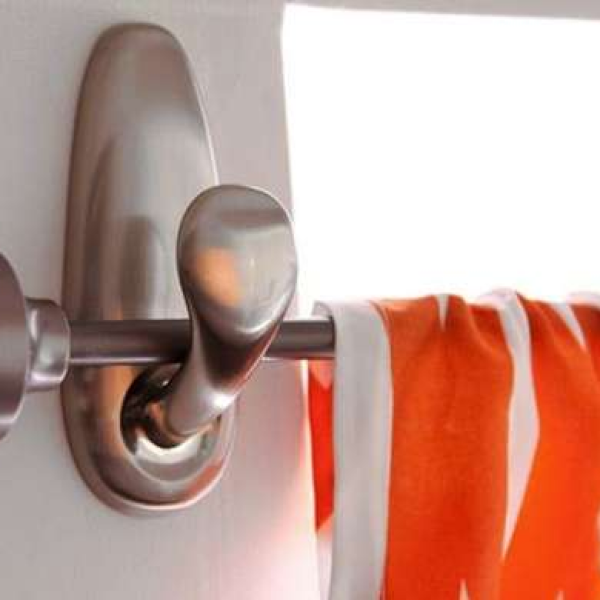
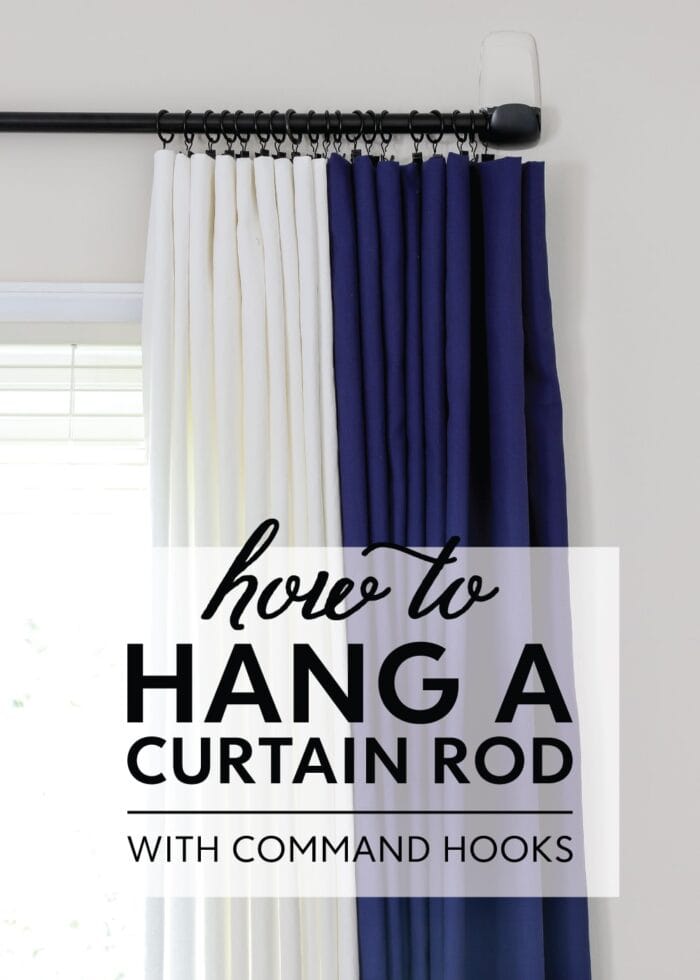
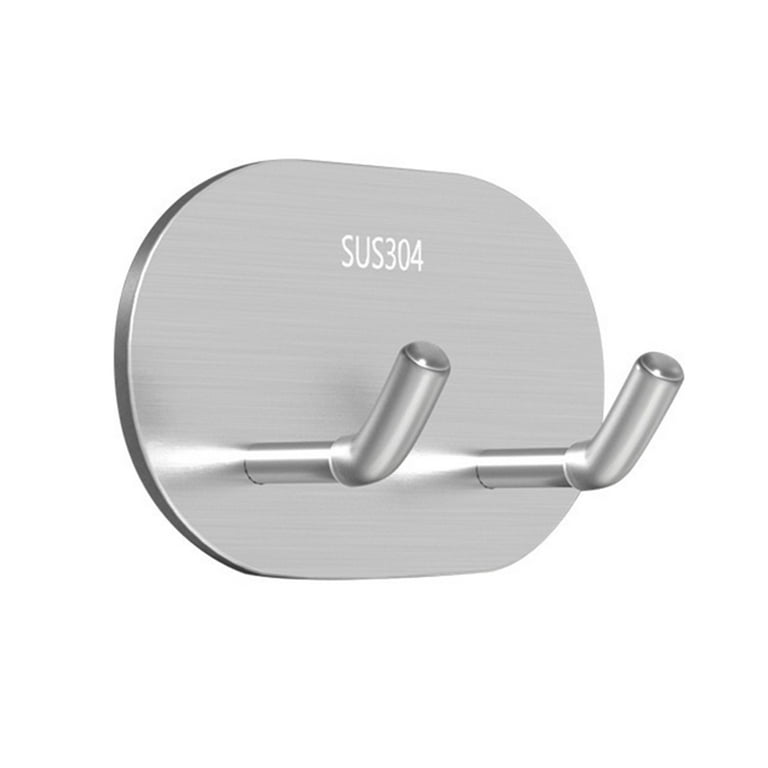
Wall hooks come in many styles. Adhesive hooks stick with a sticky back. They work well for light items and smooth walls. Command hooks are popular for damage-free removal. Magnetic hooks attach to metal surfaces. Over-the-door hooks hang over doors without tools. Each type serves different needs and walls.
Weight Capacity Considerations
Check the weight limit before buying hooks. Light hooks hold a few pounds, good for keys or small decorations. Medium hooks support heavier items like coats or bags. Heavy-duty hooks handle bulky items like backpacks or tools. Always choose a hook with a higher weight limit than your item.
Surface Compatibility
Not all hooks work on every surface. Smooth walls like tile or glass suit adhesive hooks best. Textured or painted walls may need special hooks or anchors. Wood surfaces allow hooks with nails or screws, but without drilling, choose adhesive or over-the-door hooks. Match hooks to your wall type for strong hold and no damage.
Credit: thehomesihavemade.com
Prepare The Wall Surface
Preparing the wall surface is the first step for installing wall hooks without a drill. A clean, smooth surface helps the hooks stick better and last longer. Take time to prepare the wall properly before attaching the hooks.
Clean And Dry The Area
Start by wiping the wall with a damp cloth. This removes dust, dirt, and oils. Dirty surfaces make hooks fall off quickly. After cleaning, let the wall dry completely. Moisture can weaken the adhesive on the hooks.
Check For Wall Damage
Look closely for cracks, peeling paint, or holes on the wall. Damaged areas reduce the hook’s grip. Fix small cracks or holes with spackle or putty. Smooth the surface and let it dry before installing the hooks. A solid wall surface ensures strong hold and durability.
Use Adhesive Hooks
Using adhesive hooks is a simple way to hang items without drilling holes. These hooks stick directly to your walls. They hold light to medium-weight objects well. Perfect for renters or those who want to avoid damage.
Adhesive hooks come in many shapes and sizes. Some can hold keys, others can hold coats or bags. Choosing the right one is key to success.
Selecting Adhesive Hooks
Pick hooks based on the weight you want to hang. Read the label for weight limits. Choose hooks made for your wall type. Some work better on smooth surfaces like tile or glass. Others are good for painted walls or wood. Clear or white hooks blend well with most walls.
Applying Adhesive Hooks Correctly
Clean the wall surface first. Use rubbing alcohol, not soap or water. Let the surface dry fully. Peel the backing off the adhesive. Press the hook firmly against the wall. Hold it for 30 seconds to ensure good contact. Avoid hanging anything immediately. Wait at least one hour or follow package instructions.
Tips For Strong Adhesion
Keep the wall dry and free from dust. Avoid placing hooks on rough or uneven surfaces. Use a level to place hooks straight. Don’t overload hooks beyond their weight limit. For heavier items, use multiple hooks. Replace adhesive strips after several uses for best hold.
Try Command Strips
Command strips offer a simple way to hang wall hooks without drilling holes. They stick firmly to walls and hold weight well. These strips work on many surfaces like painted walls, tiles, and wood. They leave no marks or damage when removed. This makes them ideal for renters or anyone avoiding wall damage.
Choosing Command Strips
Pick strips that match your hook’s weight limit. Check the package for weight details. Use heavy-duty strips for heavier items. For small or light hooks, standard strips work fine. Choose strips with adhesive that suits your wall type.
Step-by-step Application
Clean the wall surface with rubbing alcohol. Avoid using soap or water. Let the wall dry completely. Peel off one side of the strip and stick it to the hook. Press firmly for 30 seconds. Remove the other side’s backing. Press the hook with strip onto the wall. Hold for 30 seconds to secure. Wait one hour before hanging anything on the hook.
Removing Without Damage
To remove, hold the hook and pull the strip’s tab straight down. Stretch the strip slowly along the wall. Do not pull it outward or at an angle. This helps the adhesive release without peeling paint. The wall stays clean and hook-free. Perfect for temporary use or moving items around.
Utilize Magnetic Hooks
Magnetic hooks offer a simple way to hang items without drilling holes in your walls. They use strong magnets to stick to metal surfaces. These hooks hold light to medium weight objects securely. They work well in places where drilling is not an option.
When To Use Magnetic Hooks
Use magnetic hooks on metal surfaces like refrigerators or metal doors. They are ideal for hanging keys, kitchen utensils, or small tools. Perfect for renters who cannot make permanent changes to walls. Also useful in garages and workshops for easy access to items.
Surface Requirements
Magnetic hooks need a clean, flat metal surface to stick properly. Avoid using them on painted or uneven metal as the magnet may not hold well. Surfaces like steel or iron work best. They do not work on wood, drywall, or plastic surfaces.
Installation Tips
Clean the metal surface with a cloth before attaching the hook. Place the hook firmly on the surface to ensure strong contact. Test the hook by gently tugging to check if it holds. Do not overload the hook beyond its weight limit. Remove and reposition easily without damage.
Consider Tension Rod Hooks
Tension rod hooks offer a smart way to hang items without drilling holes. They use pressure to stay in place, making them perfect for renters or those avoiding wall damage. These hooks are easy to install and remove, leaving no marks behind.
You can use tension rod hooks in many rooms. They help organize spaces while keeping walls intact. Their versatility makes them a popular choice for quick and damage-free hanging.
Ideal Locations For Tension Rods
Tension rods work best between two close surfaces. Inside cabinets, they hold cleaning supplies or small tools. In bathrooms, they can hang towels or shower caddies. Use them in closets for scarves or belts. Kitchen windows or small spaces also fit tension rods well.
Installation Process
Measure the distance between two surfaces where you want to place the rod. Twist the rod to extend it slightly longer than the space. Press the rod firmly between the surfaces until it fits tightly. Attach hooks or hang items directly on the rod. Adjust the rod if it feels loose to ensure it holds securely.
Test Hook Strength
Testing the strength of wall hooks is important after installation. It helps ensure they can hold the items safely. Without a drill, some hooks may not stick as firmly. Checking their strength avoids damage and accidents.
This step gives you confidence in the hook’s ability to hold weight. It also helps find the best spot for hanging objects. Testing prevents the hook from falling off unexpectedly.
Gradual Weight Testing
Start by hanging a light item on the hook. Wait a few minutes to see if it holds well. Slowly increase the weight, adding small items one at a time. This gradual test shows how much the hook can support. Stop adding weight if the hook starts to slip or bend.
Ensuring Stability
Check if the hook feels steady and does not move. Press gently on the hook to see if it shifts or loosens. Make sure the hook is secure before placing heavier objects. Adjust the hook or try a different type if it feels weak. Stability is key to safe and lasting use.
Maintain And Remove Hooks
Maintaining and removing wall hooks without a drill keeps your walls clean and damage-free. Proper care extends the life of your hooks. Removing them carefully prevents marks and residue. Follow simple steps to clean and remove hooks safely.
Cleaning Residue
Sometimes, sticky residue stays after removing hooks. Use warm soapy water and a soft cloth to clean it. Rubbing alcohol works well for tougher spots. Avoid harsh scrubbing to protect your paint. Wipe gently until the surface feels smooth and clean.
Safe Removal Techniques
Peel hooks slowly at a low angle to prevent wall damage. Use dental floss or fishing line to cut between hook and wall. Pull gently back and forth to loosen the adhesive. Heat the hook with a hair dryer to soften glue. Always remove hooks in a steady, careful motion.
Credit: www.walmart.com
Frequently Asked Questions
How Can I Install Wall Hooks Without Using A Drill?
You can use adhesive hooks, command strips, or screw-free wall hooks. These options require no drilling and protect your walls. Choose hooks based on wall type and weight capacity for best results.
What Are The Best Alternatives To Drilling For Wall Hooks?
Strong adhesive strips, suction cup hooks, and tension rods are great drill-free alternatives. They are easy to install and remove without damaging walls. Always check weight limits before hanging heavy items.
Will Adhesive Wall Hooks Hold Heavy Items Securely?
Adhesive hooks hold light to medium-weight items well, usually up to 5 pounds. For heavier items, opt for specialized heavy-duty adhesive hooks or alternative hanging methods. Surface type also affects adhesive strength.
Can I Remove Wall Hooks Without Damaging The Paint?
Yes, use heat or follow manufacturer’s removal instructions carefully. Peel off adhesive hooks slowly to avoid paint damage. Command strips are designed for clean removal without leaving residue or holes.
Conclusion
Wall hooks can be installed easily without a drill. Choose the right adhesive or hook type for your wall. Clean the surface well before applying any hook. Press firmly and give it time to set. This method saves time and avoids wall damage.
Perfect for renters or quick home fixes. Try these simple steps to hang your items today. No drill, no hassle, just easy hanging. Enjoy a neat, organized space with less effort.


