Are you struggling with a deadbolt lock that won’t budge or just need to replace it for better security? Uninstalling a deadbolt lock might seem tricky, but with the right steps, you can do it quickly and safely on your own.
Imagine the relief of removing that stubborn lock without calling a locksmith or spending a fortune. In this guide, you’ll discover simple, clear instructions to take out your deadbolt lock easily. Keep reading, and by the end, you’ll have the confidence to handle the job yourself.
Tools Needed
Removing a deadbolt lock needs specific tools. Having the right tools makes the job easy and fast. It also keeps you safe during the process.
Basic Tools
You need a screwdriver, usually a Phillips head. A flathead screwdriver can help with prying parts. A drill might be needed for stuck screws. Pliers come in handy for gripping and pulling. A tape measure helps check lock dimensions if replacing it.
Safety Equipment
Wear safety glasses to protect your eyes from dust or debris. Gloves prevent cuts from sharp edges. A dust mask stops you from breathing in particles. Use a sturdy ladder if your lock is high up on the door.

Credit: www.reddit.com
Prepare The Door
Start by clearing the area around the deadbolt. Remove any screws and gently take off the lock parts. This makes the next steps easier and safer.
Clear The Area
Start by clearing the area around the door. Remove any furniture or objects near the door. This gives you enough space to work safely. A clear area prevents accidents and helps you focus on the task. It also protects your belongings from dust or scratches during the removal process.
Remove Decorations
Next, take down any decorations on or near the door. This includes wreaths, stickers, or hanging items. Decorations can get in the way or fall off while you work. Removing them keeps the door surface clean and accessible. It makes the removal of the deadbolt easier and prevents damage to your décor.
Remove Interior Lock Components
Removing the interior components of a deadbolt lock is the next step after preparing the door. This part makes the lock ready to come off completely. Understanding how to take off the interior parts helps avoid damage to the door or lock.
Work carefully and keep track of small pieces. The tools needed are usually a screwdriver and sometimes a drill. Follow each step to remove the lock smoothly.
Unscrew Interior Plate
Start by finding the screws on the interior plate. These screws hold the plate tightly against the door. Use a screwdriver to turn each screw counterclockwise. Keep the screws safe for later use.
Take the plate off gently. If it feels stuck, check for hidden screws or clips. This plate covers the lock mechanism inside.
Detach Lock Mechanism
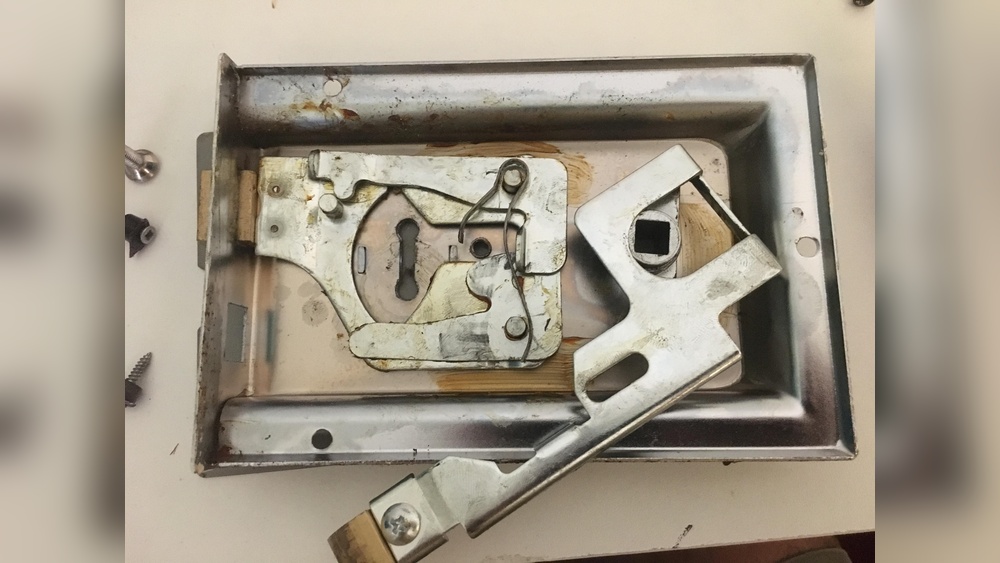
After removing the plate, locate the lock mechanism. It usually fits into the door with screws or clips. Unscrew or unclip the mechanism carefully.
Pull the lock mechanism out slowly. Some parts may be connected to the exterior lock. Keep all parts together to avoid confusion.
Remove Exterior Lock Components
Removing the exterior parts of a deadbolt is the first step in uninstalling it. This process helps you access the lock’s inner mechanism. It also makes it easier to remove the entire deadbolt from the door.
Handle the exterior parts carefully to avoid damage. Use the right tools to make the job smooth. Follow the steps below to remove these components safely.
Unscrew Exterior Plate
Locate the screws on the exterior plate of the deadbolt. These are usually found around the edge of the plate. Use a screwdriver to turn each screw counterclockwise. Keep the screws in a safe place for reinstallation or disposal.
Once all screws are removed, gently pull the exterior plate away from the door. If it feels stuck, wiggle it slightly to loosen the grip. Avoid forcing it to prevent damage to the door or lock.
Extract Deadbolt
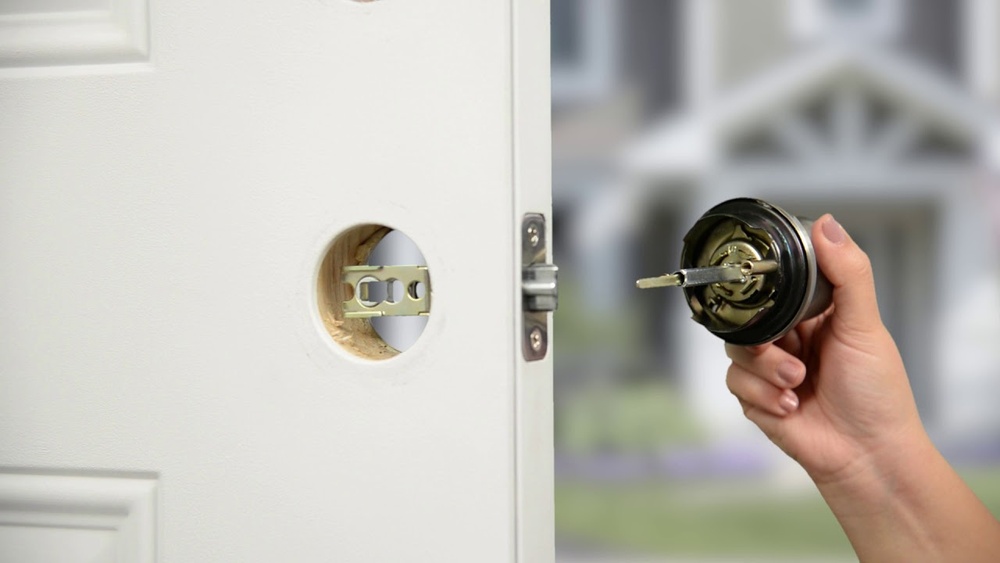
With the exterior plate off, you can see the deadbolt inside the door. Slide the deadbolt straight out to remove it. Sometimes, it may require a little push or pull to free it.
Check for any extra screws or clips holding the deadbolt. Remove these carefully before pulling the deadbolt out completely. Set the deadbolt aside once it is free from the door.
Remove Strike Plate
Removing the strike plate is a key step in uninstalling a deadbolt lock. The strike plate holds the bolt in place on the door frame. Taking it off helps you fully detach the lock from your door.
Careful removal of the strike plate also helps you check the door frame. Look for damage or wear that might need fixing before installing a new lock.
Unscrew Strike Plate
Use a screwdriver to remove the screws holding the strike plate. Keep the screws safe if you plan to reuse them later. Gently pull the strike plate away from the door frame. If it sticks, wiggle it carefully to avoid damage.
Inspect Door Frame
Look closely at the door frame where the strike plate was attached. Check for cracks, splinters, or holes. Small damages can weaken the lock’s hold. Clean the area to remove dust or old paint. Fix any damage before installing a new strike plate or lock.

Credit: www.youtube.com
Fix And Clean Door
After removing a deadbolt lock, the door often shows marks and holes. Fixing and cleaning the door helps it look neat again. This step protects the door from damage and prepares it for a new lock or paint.
Fill Screw Holes
Use wood filler or putty to fill the screw holes left behind. Press the filler firmly into each hole using a putty knife. Let the filler dry fully. Once dry, the holes will be smooth and invisible.
Sand And Paint
Lightly sand the filled areas with fine sandpaper. Sanding smooths the surface and removes rough edges. Clean the dust with a soft cloth. Apply paint that matches your door color. A fresh coat hides repairs and protects the door.
Tips For Stubborn Locks
Removing a deadbolt lock can be tricky if it is stuck or rusted. Stubborn locks need special care and patience. Using the right methods helps avoid damage and saves time. Here are some useful tips to handle hard-to-remove deadbolt locks.
Use Lubricants
Lubricants can loosen rust and dirt inside the lock. Spray a small amount of lubricant into the keyhole and moving parts. Let it sit for a few minutes to work deeply. Then try turning the lock or removing screws again. Repeat if needed. Avoid using too much oil, as it can attract dust and grime.
Seek Professional Help
Sometimes, stubborn locks need expert tools and skills. A locksmith has the right equipment to remove tough deadbolts safely. Professionals prevent damage to your door and lock. Calling a locksmith saves time and stress. It is a smart choice if your attempts do not work or if the lock is very old or damaged.

Credit: www.youtube.com
Frequently Asked Questions
How Do I Remove A Deadbolt Lock From A Door?
First, unscrew the interior thumb turn and exterior lock plate. Remove the deadbolt faceplate from the door edge. Finally, pull out the deadbolt mechanism carefully.
What Tools Are Needed To Uninstall A Deadbolt Lock?
You need a screwdriver, usually a Phillips head. Sometimes, a flathead or Allen wrench may be required. A flashlight can help in tight spaces.
Can I Uninstall A Deadbolt Lock Without Damaging The Door?
Yes, by carefully unscrewing and gently removing parts, you avoid damage. Avoid forcing components; use proper tools for a smooth removal.
How Long Does It Take To Uninstall A Deadbolt Lock?
On average, it takes about 10 to 20 minutes. Time depends on lock type and your experience with tools.
Conclusion
Uninstalling a deadbolt lock can be simple and quick. Follow each step with care and patience. Use the right tools to avoid damage. Take your time to remove screws and parts gently. Once removed, clean the door area well. This will help when installing a new lock.
Remember, safety starts with a properly working lock. Feel confident handling this task yourself. A secure door means peace of mind every day.