Are you looking to add hooks to your outdoor walls but unsure where to start? Hanging things outside can be tricky if you don’t know the right steps.
Whether you want to hang plants, lights, or decorations, the right hooks make all the difference. In this guide, you’ll learn simple and effective ways to put hooks into your outdoor walls safely and securely. Keep reading, and by the end, you’ll have the confidence to transform your outdoor space with ease.
Credit: www.walmart.com
Choosing The Right Hooks
Choosing the right hooks for outdoor walls is important for safety and durability. The right hook holds your items securely and lasts through weather changes. It depends on the type of wall, weight of the items, and the material of the hook. Understanding these factors helps you pick hooks that work well and stay strong.
Types Of Outdoor Hooks
There are many types of hooks for outdoor use. S-hooks are simple and easy to hang. Cup hooks work well for hanging plants or lights. Heavy-duty hooks hold bigger items like bikes or tools. Decorative hooks add style while still being strong. Pick a type that fits your needs and style.
Material Considerations
Outdoor hooks must resist rust and weather damage. Stainless steel hooks last long and do not rust. Aluminum hooks are light and resist corrosion. Plastic hooks are cheap but may break in cold or heat. Choose a material that fits your climate and how long you want the hooks to last.
Weight Capacity
Check the weight capacity before buying hooks. Each hook has a limit on how much it can hold. Use hooks that support the weight of your items safely. Overloading hooks can cause damage to walls and items. Always pick hooks with a higher weight limit than your heaviest item.

Credit: prosalonoff.ru
Preparing The Wall Surface
Preparing the wall surface is an important step before putting hooks outdoors. A clean, stable wall helps hooks hold better and last longer. It also prevents damage to the wall and keeps your items safe. Follow these simple steps to get your wall ready.
Cleaning The Area
Start by removing dirt, dust, and loose paint from the wall. Use a brush or cloth to wipe the surface clean. For tough stains or grease, use mild soap and water. Let the wall dry completely before moving on. A clean wall lets the hook stick or screw in firmly.
Checking Wall Material
Identify the type of wall you have. Common materials include brick, wood, concrete, or drywall. Knowing this helps you pick the right hooks and tools. Some walls need special anchors or screws. Use a small tool or tap the wall to find out what it is made of.
Marking Hook Positions
Plan where to place the hooks. Hold the item you want to hang against the wall. Mark spots with a pencil where the hooks should go. Use a level to keep marks straight. Accurate marks make sure hooks go in the right place and hold weight well.
Tools And Supplies Needed
Putting hooks into outdoor walls needs the right tools and supplies. Using proper gear makes the job easier and safer. It also helps the hooks stay strong and last longer.
Gathering all items before starting saves time. Knowing what each tool does helps you work faster and better. Below are the main tools and supplies needed.
Essential Tools
- Power drill with drill bits for making holes
- Screwdriver or drill bit for screws
- Hammer for anchors or nails
- Measuring tape to mark hook spots
- Level to keep hooks straight
- Pencil or marker to mark drilling points
Safety Equipment
- Safety glasses to protect your eyes from dust
- Work gloves to protect your hands
- Dust mask to avoid breathing dust
- Ear protection if using loud tools
Additional Supplies
- Wall anchors for secure mounting
- Outdoor-rated screws to resist rust
- Hooks suitable for outdoor use
- Silicone sealant to keep water out
- Drop cloth to catch debris
Installing Hooks On Different Wall Types
Installing hooks on outdoor walls varies by wall type. Each surface needs a different approach and tools. Understanding the material helps ensure hooks hold strong and last long. Safety and stability matter most to avoid damage or accidents.
Brick Walls
Brick walls need special drill bits for masonry. Use a hammer drill to make holes in the brick, not the mortar. Insert plastic anchors into the holes for extra grip. Screw hooks into the anchors to hold items securely. Avoid drilling too close to edges to prevent cracks.
Wooden Walls
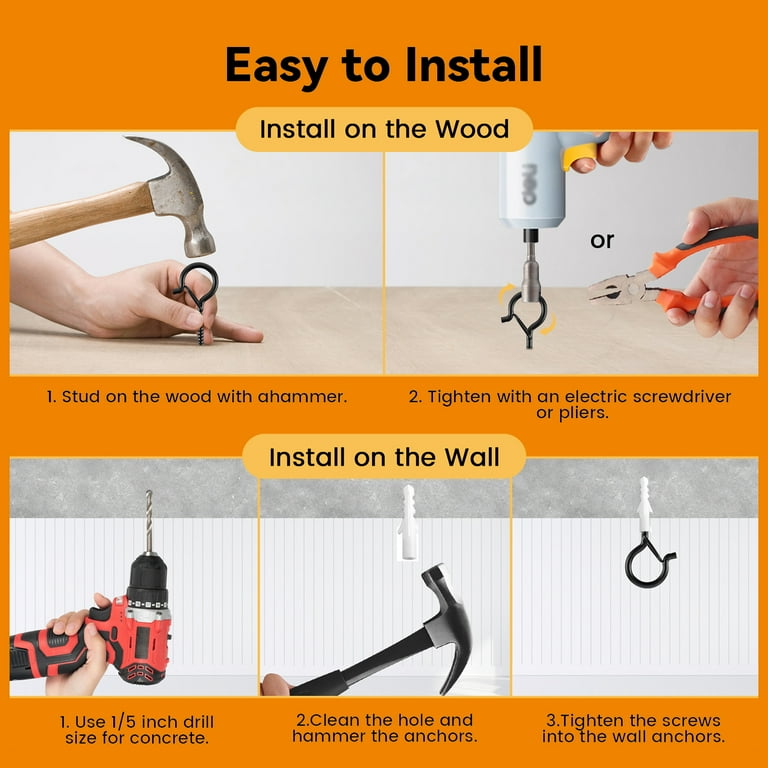
Wooden walls are easier to work with. Use wood screws or hooks with sharp threads. Pre-drill small pilot holes to stop the wood from splitting. Drive the hooks directly into the wood until tight. Wooden walls support heavy items well when installed correctly.
Stucco Walls
Stucco walls require gentle handling to avoid cracks. Drill small pilot holes using a masonry bit. Use plastic anchors designed for stucco for better hold. Screw hooks carefully into the anchors without forcing them. Test the hook strength before hanging heavy objects.
Concrete Walls
Concrete walls are tough and need a hammer drill with a masonry bit. Drill holes deep enough for concrete anchors. Insert metal or plastic anchors into the holes. Screw hooks into the anchors, ensuring a tight fit. Concrete walls provide strong support for heavy hooks and loads.
Using Anchors And Fasteners
Using anchors and fasteners is key to hanging hooks on outdoor walls safely. They hold hooks steady and stop them from falling off. Choosing the right type of anchor and fastener depends on the wall material and the hook’s weight.
This section explains how to pick anchors, drill holes, and fix hooks firmly. Follow these steps to hang hooks that last long in outdoor conditions.
Choosing The Right Anchors
Pick anchors that match your wall type. For brick or concrete, use masonry anchors. Drywall needs plastic or metal anchors. Use heavy-duty anchors for heavy hooks. Check the anchor’s weight limit before buying. The right anchor keeps hooks secure and safe.
Drilling Techniques
Use a drill bit that fits the anchor size. Mark the spot before drilling. Drill straight into the wall for a clean hole. Go slow to avoid cracking bricks or stones. Clean out dust from the hole before inserting the anchor. Proper drilling makes the hook hold better.
Securing Hooks Firmly
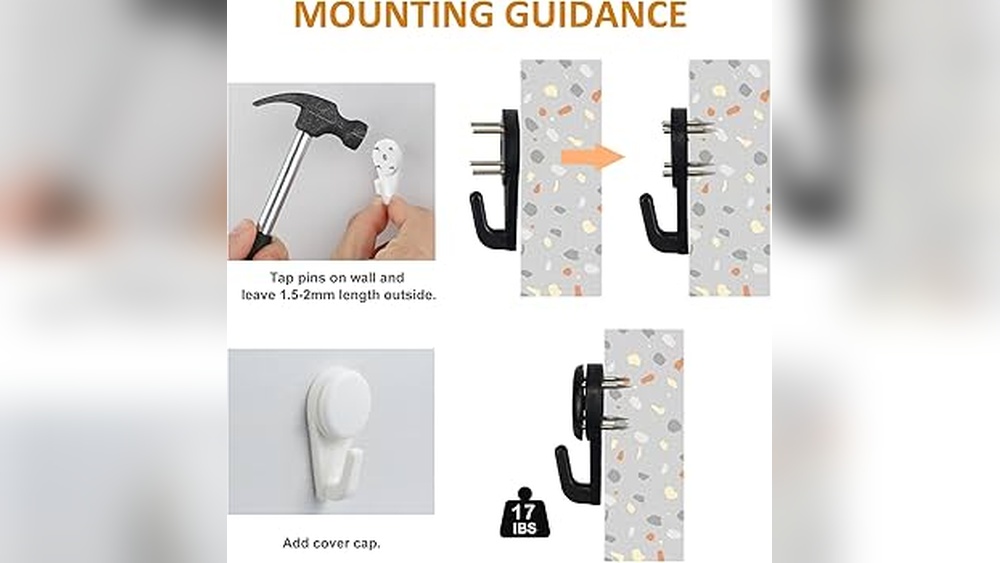
Insert the anchor into the hole fully. Push or tap it gently with a hammer if needed. Screw the hook into the anchor tightly. Check the hook for wobble or looseness. Tighten as needed to make it firm. A strong hook keeps your items safe outdoors.
Tips For Long-lasting Hold
Securing hooks firmly into outdoor walls ensures they hold up over time. A strong hold keeps items safe and prevents damage. Use the right methods to make your hooks last longer in all weather conditions.
Avoiding Common Mistakes
Choose the correct type of hook for your wall material. Avoid using hooks too small for heavy items. Do not skip drilling pilot holes. This prevents wall cracks and hook slipping. Tighten screws or anchors properly but do not overtighten. Over-tightening can weaken the wall.
Weatherproofing Hooks
Use rust-resistant hooks like stainless steel or coated metal. Apply a clear sealant around holes to block water. Avoid placing hooks in direct water flow areas. Use waterproof anchors for better grip in wet walls. This protects both the hook and the wall from damage.
Regular Maintenance
Check hooks regularly for rust or loosening. Tighten any loose screws to keep hooks secure. Replace damaged or rusty hooks immediately. Clean hooks and wall areas to remove dirt and moisture. Regular care extends the life of your outdoor hooks.

Credit: www.amazon.com
Frequently Asked Questions
How Do I Choose The Right Hook For Outdoor Walls?
Select hooks made from rust-resistant materials like stainless steel. Consider weight capacity and wall material to ensure secure mounting. Proper hook choice prevents damage and ensures durability in outdoor conditions.
What Tools Are Needed To Install Hooks On Outdoor Walls?
You’ll need a drill, screws, wall plugs, a screwdriver, and a measuring tape. These tools help secure hooks firmly on various outdoor surfaces like brick or wood.
Can I Put Hooks Into Brick Or Concrete Walls?
Yes, use a masonry drill bit and wall anchors designed for brick or concrete. This ensures hooks hold securely without damaging the wall surface.
How Do I Prevent Damage When Installing Outdoor Hooks?
Use appropriate anchors and drill pilot holes to avoid cracking. Choose weather-resistant hooks to withstand outdoor elements and maintain wall integrity.
Conclusion
Putting hooks into outdoor walls can be easy and safe. Choose the right hook for your wall type. Use proper tools and follow simple steps. Check the wall for any hidden wires or pipes first. Secure the hook firmly to hold your items well.
Regularly inspect the hooks to keep them strong. This way, your outdoor space stays neat and organized. Small efforts bring big changes to your outdoor area. Give it a try and enjoy a tidier space today.