Is your old floor jack sitting unused in the corner, rusty and stiff? You don’t have to buy a new one just yet.
With a few simple steps, you can bring your floor jack back to life and make it work like new again. Imagine saving money and avoiding hassle, all while getting your tool ready for your next project. Keep reading, and you’ll discover easy tips that will make your floor jack reliable and safe, so you can tackle any job with confidence.

Credit: www.reddit.com
Signs Your Floor Jack Needs Revitalizing
Knowing when your floor jack needs care can save time and money. Old floor jacks lose strength and may fail. Watch for signs that show your jack needs fixing or cleaning. Early action keeps it working well and safe.
Common Performance Issues
Slow lifting or difficulty holding weight are warning signs. The jack may lower by itself or leak oil. Strange noises or jerky movements mean internal parts wear out. Wheels might stop rolling smoothly or get stuck. These issues reduce the jack’s power and reliability.
Safety Concerns To Watch For
Cracks in the frame or bent parts signal danger. Rust or corrosion can weaken the jack’s structure. A jack that slips or won’t stay in place is unsafe. Check for broken handles or missing pins. Using a damaged jack can cause accidents and injuries.

Credit: www.youtube.com
Essential Tools And Materials
Revitalizing an old floor jack requires the right tools and materials. These essentials help restore its performance and safety. Having everything ready makes the process smooth and efficient.
Cleaning Supplies
Start with good cleaning supplies. Use a stiff brush to remove dirt and rust. Clean rags help wipe away grime. A mild detergent and water can clean grease. Avoid harsh chemicals that may damage the jack.
Lubricants And Fluids
Lubricants keep moving parts working smoothly. Use a light machine oil or grease. Hydraulic fluid is necessary if the jack uses hydraulics. Check the manual for the correct type. Proper lubrication prevents wear and tear.
Replacement Parts
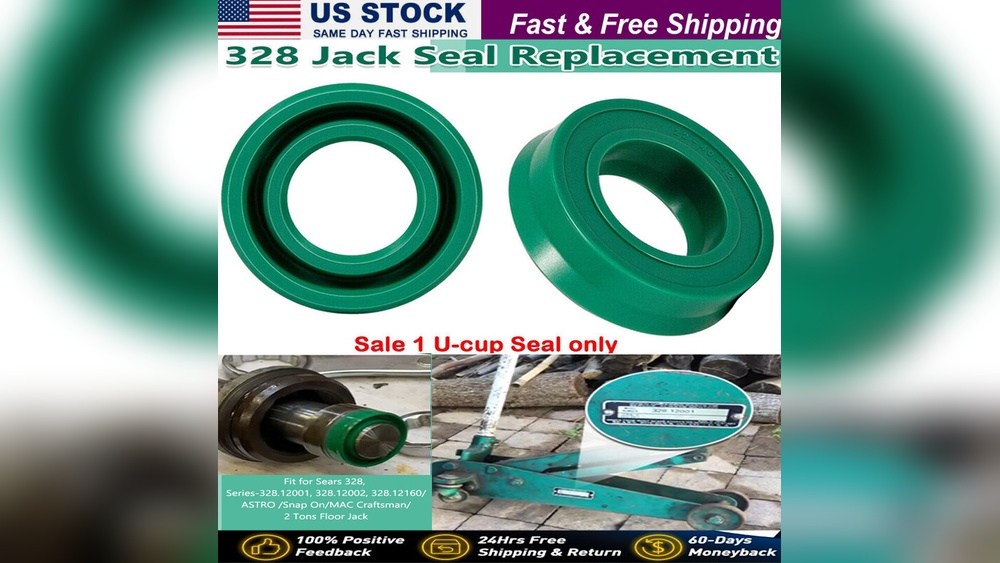
Some parts may need replacement. Look for new seals, O-rings, or valves. Springs and wheels often wear out. Use parts designed for your jack model. This ensures a proper fit and function.
Step-by-step Cleaning Process
Cleaning an old floor jack helps bring it back to good working condition. Dirt and grime can block parts and reduce its strength. A careful cleaning restores smooth operation and extends the jack’s life.
This step-by-step cleaning process breaks down the task into easy actions. Follow each step to make sure you clean all critical parts safely and effectively.
Removing Dirt And Debris
Start by wiping off loose dirt and dust with a dry cloth. Use a stiff brush to remove stuck mud or rust flakes. Clear away debris around wheels and joints for easy movement.
Compressed air works well to blow out dirt from hard-to-reach places. Avoid water at this stage to prevent rust and damage. Keep cleaning until the surface looks clear and smooth.
Cleaning Hydraulic Components
Check the hydraulic cylinder and pump for oil leaks and dirt buildup. Use a clean cloth dampened with a mild solvent to wipe down these parts carefully. Avoid soaking any seals or bearings.
Inspect the oil level and replace old hydraulic fluid if needed. Remove the filler cap and pour in fresh fluid slowly. Test the jack by pumping it a few times to circulate the new oil.
Keep hydraulic parts clean and lubricated to ensure smooth lifting and lowering. Regular maintenance prevents corrosion and extends the jack’s durability.
Lubricating Moving Parts
Lubricating moving parts is key to restoring an old floor jack. It reduces friction and helps parts move smoothly. This step can extend the jack’s life and improve its performance. Proper lubrication stops squeaks and prevents rust buildup. Regular care keeps the jack safe and easy to use.
Choosing The Right Lubricant
Select a lubricant made for metal parts. Grease or oil that resists water works best. Avoid thick pastes that can clog small joints. Lightweight machine oil or silicone spray often suits floor jacks well. Check the label to ensure it fits your jack’s needs.
Applying Lubricants Properly
Clean parts before adding lubricant. Wipe away dirt and old grease with a cloth. Use a small brush or nozzle to reach tight spots. Apply a thin layer to hinges, wheels, and screws. Move the parts to spread the lubricant evenly. Wipe off any extra to avoid dust buildup.
Inspecting And Replacing Worn Parts
Inspecting and replacing worn parts is key to bringing an old floor jack back to life. Over time, parts wear out and lose their ability to work properly. Checking these parts closely helps find issues early. This makes repairs easier and safer. A careful inspection can save money and extend the jack’s life.
Checking Seals And O-rings
Seals and O-rings keep the hydraulic system tight. They stop fluid from leaking out. Look for cracks, breaks, or hard spots. Worn seals cause the jack to lose pressure. Replace any seal that looks damaged. Use the right size for a perfect fit. New seals help the jack lift smoothly.
Replacing Hydraulic Fluid
Hydraulic fluid powers the jack’s lifting force. Old fluid can get dirty or thin. This lowers the jack’s strength and speed. Drain the old fluid fully. Use clean, fresh hydraulic fluid that fits the jack’s needs. Filling with new fluid makes the jack work better and last longer.
Fixing Leaks And Damages
Leaks reduce the jack’s power and cause safety risks. Check all joints and hoses for wet spots. Tighten loose bolts and replace broken parts. Small cracks can be fixed with sealant. Big damage needs part replacement. Fixing leaks keeps the jack safe and strong.
Credit: www.youtube.com
Testing Jack Performance
Testing the performance of an old floor jack is essential before using it again. This step ensures the jack works safely and lifts properly. Checking its strength and smooth operation can prevent accidents and damage.
Careful testing helps find any issues early. It also shows if the jack needs more repairs or adjustments. A well-tested jack gives confidence during use.
Load Testing Safely
Start by placing the jack on a flat, solid surface. Use a vehicle or heavy object close to the jack’s weight limit. Slowly lift the load a few inches off the ground. Watch for any unusual sounds or jerky movements.
Never stand under the load while testing. Keep clear of the load path to avoid injury. If the jack struggles or leaks fluid, it needs repair. Do not test beyond the jack’s rated capacity.
Adjusting For Optimal Operation
Check the release valve and pump action for smoothness. Adjust the valve if the jack lowers too fast or too slow. Tighten any loose bolts or screws on the jack frame.
Lubricate moving parts with light oil to reduce friction. Make small adjustments and test again until the jack lifts and lowers smoothly. This ensures reliable and safe operation every time.
Maintenance Tips For Longevity
Maintaining an old floor jack is key to keeping it working well for years. Simple care steps help avoid damage and costly repairs. Regular attention improves performance and safety during use.
Regular Cleaning Schedule
Clean the floor jack after every use. Remove dirt, dust, and grease from all parts. Use a dry cloth or soft brush for tight spots. Avoid water near the hydraulic parts to stop rust. Check for oil leaks and wipe them away quickly. A clean jack lifts smoothly and lasts longer.
Proper Storage Practices
Store the floor jack in a dry, cool place. Keep it off damp floors to prevent rust. Lower the jack fully before storing to release pressure. Cover it with a cloth or plastic sheet to block dust. Avoid placing heavy items on top of the jack. Proper storage keeps parts safe and ready for use.
Frequently Asked Questions
How Do I Clean An Old Floor Jack?
Clean your floor jack by wiping it with a rag soaked in mild detergent. Remove dirt, grease, and debris carefully. Avoid harsh chemicals that can damage seals. Regular cleaning prevents rust and ensures smooth operation.
How To Lubricate A Floor Jack Properly?
Apply high-quality grease to all moving parts and pivot points. Use oil for the hydraulic ram and joints. Lubrication reduces friction, prevents wear, and keeps the jack functioning smoothly. Perform this every few months for best results.
What Causes A Floor Jack To Lose Pressure?
Loss of pressure often happens due to air in the hydraulic system or fluid leaks. Check for cracks, worn seals, or low hydraulic fluid. Bleed the system to remove trapped air and refill with recommended oil to restore pressure.
Can I Replace Parts On An Old Floor Jack?
Yes, many floor jack parts like seals, wheels, and handles are replaceable. Using OEM or compatible parts ensures safety and performance. Always follow the manufacturer’s instructions or consult a professional for replacements.
Conclusion
Revitalizing an old floor jack saves money and extends its life. Simple cleaning, oiling, and part checks keep it working well. Regular care prevents big problems later on. A well-maintained jack makes lifting safer and easier. Try these easy steps to bring your jack back to life.
Your tools will thank you with better performance. Keep your floor jack ready for any job ahead. Small efforts now lead to big benefits later.