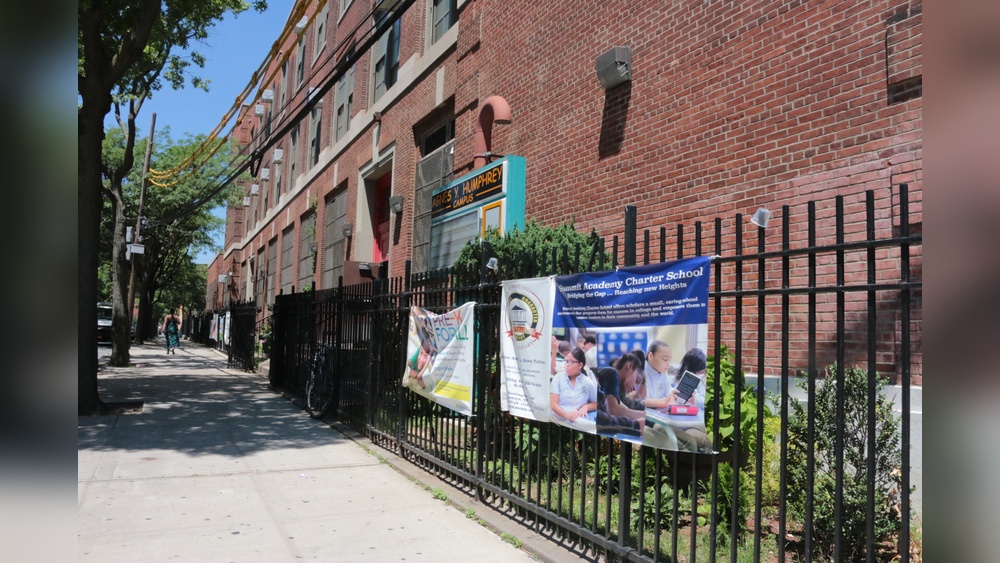
Are you planning to display a banner on your block wall but unsure how to hang it securely? Getting your banner hooked up the right way can make all the difference between a neat, eye-catching display and a frustrating mess.
In this guide, you’ll discover simple, effective steps to attach your banner safely and firmly. By the end, you’ll feel confident that your banner will stay put, no matter the weather or time. Keep reading to learn the easiest ways to hook your banner to a block wall without damaging your surface or wasting time.
Choosing The Right Banner
Choosing the right banner is the first step to a successful display on a block wall. The banner must fit the wall and last long outside. Think about the material, size, and weather conditions. These factors ensure your banner looks good and stays secure.
Material Types
Banners come in different materials. Vinyl is strong and lasts a long time. Mesh lets air pass through, so it won’t tear easily in the wind. Fabric banners look nice but may not hold up well in rain. Choose a material that suits your needs and budget.
Size Considerations
Measure the block wall before buying a banner. The banner should fit the space well. Too big, and it may sag or tear. Too small, and it might not be visible. Keep in mind the space for hooks and fasteners too.
Weather Resistance
Think about the weather where the banner will hang. Rain, wind, and sun can damage it. Vinyl and mesh handle rain and wind better than fabric. UV coating helps prevent colors from fading in the sun. Choose a banner that can handle the local weather.
Credit: kenco.com
Preparing The Block Wall
Preparing the block wall is the first step to hang your banner securely. The wall must be ready to hold hooks without damage or slipping. This process ensures the banner stays in place and looks good.
Proper preparation takes little time but makes a big difference. Start by cleaning the surface, then check the wall’s condition, and finally mark where you want to attach the hooks.
Cleaning The Surface
Clean the wall to remove dirt, dust, and loose paint. Use a brush or cloth to wipe the surface. A clean wall helps hooks stick better and prevents slipping. Avoid using water if the wall is old or weak. Let the wall dry before moving to the next step.
Checking Wall Condition
Look for cracks, holes, or crumbling parts on the wall. These weak spots can cause hooks to fall out. Tap the wall lightly to check if it sounds hollow. If the wall is damaged, fix it or choose a different spot. A strong wall holds hooks firmly.
Marking Attachment Points
Decide where to put the hooks for even banner support. Use a pencil to mark spots on the wall. Measure the banner size to space the marks correctly. Mark at corners and middle points for balance. Clear marks make the hanging process easier and neater.
Selecting Hook Types
Selecting the right hook type is crucial for hanging items on a block wall. Different hooks offer different strengths and installation methods. Choose a hook that suits the weight of your item and the texture of the block wall. Consider ease of installation and how permanent you want the hook to be.
Adhesive Hooks
Adhesive hooks stick directly to the wall surface. They work best for light items like small pictures or decorations. These hooks do not require drilling or screws. They leave little to no damage on the block wall when removed. Clean the wall surface before applying for better hold. Avoid using adhesive hooks for heavy or sharp objects.
Screw-in Hooks
Screw-in hooks offer strong support for heavier items. They require drilling holes into the block wall first. Use a masonry drill bit for best results. Insert wall anchors to secure the screws tightly. These hooks hold well for hanging tools, shelves, or plants. They leave permanent holes in the wall after removal.
Magnetic Hooks
Magnetic hooks work only if the block wall contains metal parts. They attach easily without tools or damage. These hooks hold moderately heavy items depending on magnet strength. Perfect for temporary hanging or frequently moved items. Test the magnet strength before relying on it for heavy objects.
Gathering Required Tools
Gathering the right tools is the first step to hang a banner on a block wall. Using proper tools makes the job easier and safer. It also helps the banner stay firmly in place. Before starting, check you have everything needed.
Drill And Bits
A power drill is essential for making holes in block walls. Use masonry drill bits designed for concrete or block material. These bits are strong and can handle hard surfaces. Choose the right size bit to fit the wall anchors or hooks you plan to use.
Measuring Tape
Accurate measurements ensure the banner hangs straight and in the right spot. A measuring tape helps you find the exact places to drill holes. Measure the width of your banner and mark equal points on the wall. This prevents the banner from being crooked or uneven.
Level And Pencil
A level keeps your banner perfectly horizontal. Place it against the wall to check your marks. Use a pencil to mark drill points clearly. Pencil marks are easy to see and remove later. This step avoids mistakes and keeps your work neat.
Step-by-step Installation
Installing a hook banner on a block wall requires careful steps. Follow this guide to do it right. Each step ensures the banner stays secure and looks good. Take your time and prepare well.
Measuring And Marking
Start by measuring the banner size. Mark the block wall where hooks will go. Use a pencil for clear marks. Check that marks are level and spaced evenly. This helps the banner hang straight and tight.
Drilling Holes
Choose a drill with a masonry bit. Drill holes on the marked spots. Drill slowly to avoid cracking the blocks. Make holes deep enough for wall anchors. Clean dust from holes before next step.
Installing Hooks
Insert wall anchors into the drilled holes. Push them in firmly with a hammer. Screw hooks into the anchors by hand or with a wrench. Tighten hooks but do not over-tighten. Hooks must be strong to hold the banner weight.
Attaching The Banner
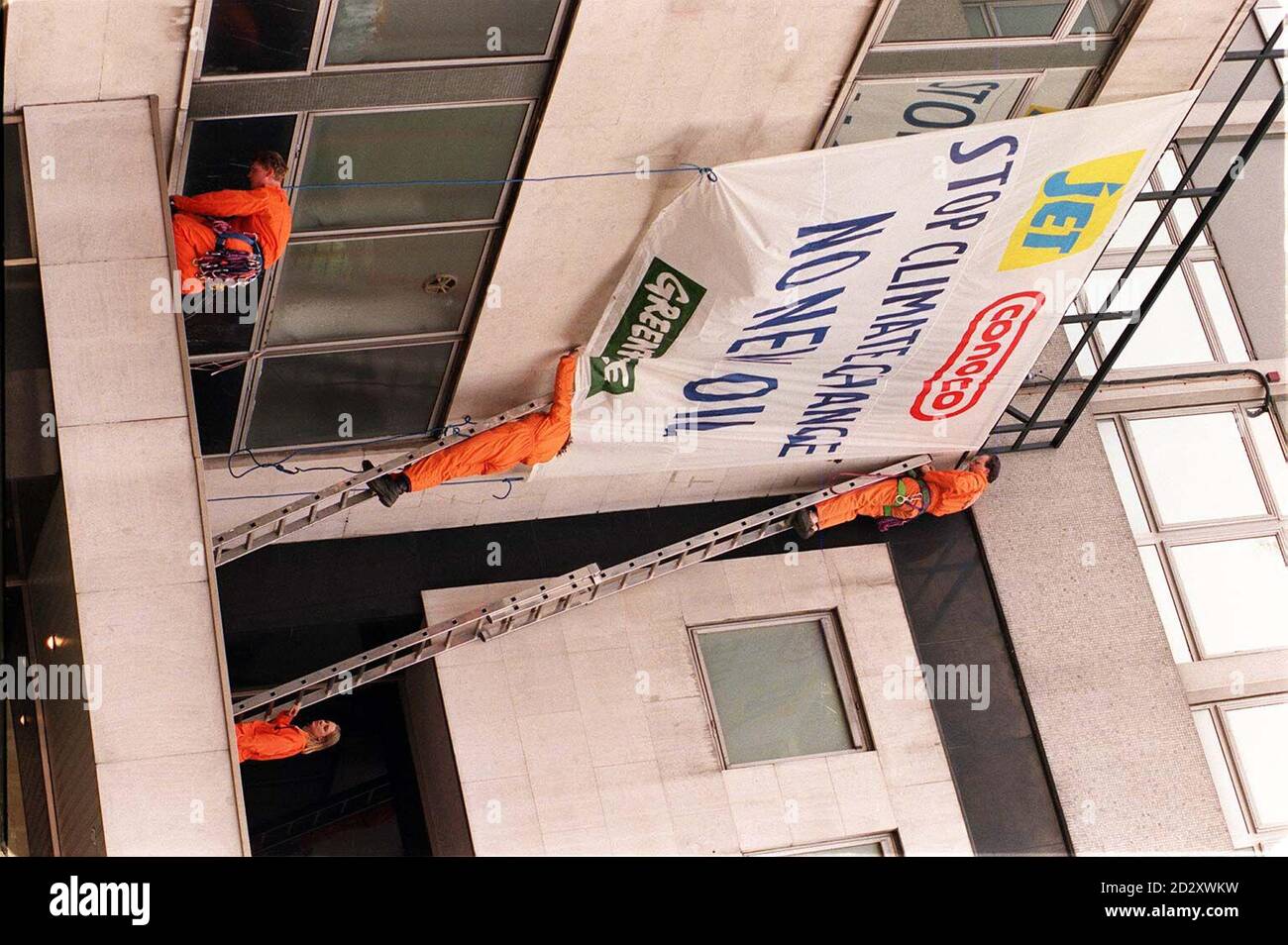
Align the banner eyelets with the hooks. Hang the banner carefully on the hooks. Check if the banner is tight and straight. Adjust hooks or banner position as needed. The banner should not flap in the wind.
Credit: www.alamy.com
Ensuring Stability And Safety
Ensuring stability and safety when hooking a banner to a block wall is key. A well-secured banner lasts longer and stays in place during strong winds. Proper installation prevents accidents and damage. Follow simple steps to keep your banner tight and secure.
Tension Adjustment
Adjust tension carefully. Pull the banner tight but avoid overstretching. Too much tension can tear the banner or damage the wall anchors. Use even pressure on all hooks for balanced support. Check tension regularly to keep the banner firm and stable.
Weatherproofing Tips
Use weather-resistant materials for hooks and fasteners. Metal hooks should be rust-proof. Plastic hooks must withstand sun and rain. Seal any holes in the block wall to stop water damage. Protect the banner edges with tape to prevent fraying from wind.
Regular Maintenance
Inspect the banner and hooks often. Look for loose fasteners or tears. Tighten hooks and replace damaged parts quickly. Clean the banner gently to avoid weakening the material. Regular care extends the life and safety of your banner.

Credit: www.froutlet.com
Frequently Asked Questions
How Do I Attach A Banner To A Block Wall Securely?
Use masonry anchors or screws with wall plugs designed for block walls. Drill holes, insert anchors, then fasten the banner hooks. This ensures a stable hold and prevents damage.
What Tools Are Needed To Hook A Banner On Block Walls?
You need a drill with a masonry bit, wall plugs, screws, a hammer, measuring tape, and a level. These tools help you install hooks accurately and securely.
Can I Hang A Heavy Banner On A Block Wall?
Yes, using heavy-duty anchors or expansion bolts supports heavier banners safely. Always check the wall’s condition and banner weight before installation.
How Do I Prevent Damage When Hanging Banners On Block Walls?
Use the right anchors and drill carefully to avoid cracking. Avoid over-tightening screws and choose appropriate fixings for the wall type.
Conclusion
Securing a banner to a block wall can be simple and strong. Use the right hooks and anchors for safety. Measure carefully and mark spots before drilling. Tighten all screws firmly but gently. Check the banner’s hold after hanging. This way, it stays in place during wind or rain.
Following these easy steps saves time and effort. You will get a neat and lasting display every time. Try these tips for your next banner project.


