When you start any project—whether fixing something at home or building furniture—you quickly realize how important fasteners are. But what exactly are fasteners, and why do they matter so much?
If you’ve ever struggled with a loose screw or a wobbly joint, understanding the different types of fasteners can save you time and frustration. You’ll discover clear examples of fasteners that make your work stronger and easier. Keep reading, and you’ll learn how to choose the right fastener for your next task, making your projects smoother and more successful.
Common Fastener Types
Fasteners are essential tools in construction, woodworking, and many repairs. They hold materials together securely and come in various shapes and sizes. Understanding common fastener types helps in choosing the right one for each job. Below are some examples of widely used fasteners.
Screws
Screws have a threaded shaft and a head. They twist into materials to hold pieces together tightly. Screws come in different sizes and types, including wood screws, machine screws, and drywall screws. They provide strong grip and are easy to remove.
Nails
Nails are simple, slender metal pins with a flat head. They are hammered into wood or other materials for quick fastening. Nails come in many forms, such as common nails, finishing nails, and brads. They work well for light to medium tasks.
Bolts
Bolts are similar to screws but need nuts to fasten materials. They have a smooth shaft with threads at the end. Bolts offer great strength and are used in heavy-duty projects. Different types include hex bolts, carriage bolts, and lag bolts.
Rivets
Rivets are permanent fasteners that join materials by deforming the tail end. They are strong and used in metalwork and aircraft construction. Common types include solid rivets, blind rivets, and drive rivets. Rivets hold parts firmly without loosening.

Credit: www.youtube.com
Specialty Fasteners
Specialty fasteners serve unique purposes in many projects. They help join materials that standard fasteners cannot. These fasteners come in various shapes and sizes. Each type has a specific function and design. Understanding these can improve your work and results.
Anchors
Anchors hold objects firmly in walls or concrete. They expand inside the hole to provide strong support. These fasteners prevent screws from pulling out. Anchors are ideal for hanging heavy items. They work well in drywall, brick, or stone.
Clips
Clips secure wires, panels, or hoses quickly. They snap into place without tools in many cases. Clips keep things organized and prevent movement. They are used in cars, electronics, and construction. Clips come in plastic or metal for different needs.
Pins
Pins hold parts together temporarily or permanently. They fit into holes to align or lock pieces. Pins can be cotter pins, split pins, or spring pins. They are easy to insert and remove. Pins provide quick and reliable fastening in machines and tools.
Hooks
Hooks hang or secure items with a simple curved shape. They attach to surfaces or objects for easy access. Hooks are common in storage, displays, and textiles. They come in many sizes for light to heavy loads. Hooks offer a flexible and reusable fastening option.
Materials Used In Fasteners
Fasteners come in many materials. Each material has unique strengths and uses. Choosing the right material affects durability and cost. Understanding these materials helps in selecting the best fastener for your project.
Steel
Steel is a common fastener material. It is strong and affordable. Steel fasteners hold well under pressure. They often have coatings to prevent rust. These fasteners work well for construction and machinery.
Stainless Steel
Stainless steel resists rust and corrosion. It suits outdoor and wet environments. These fasteners last longer without damage. Stainless steel looks shiny and clean. It is ideal for kitchens and marine use.
Brass
Brass fasteners resist corrosion and electricity. They have a bright, gold-like color. Brass is softer than steel but still strong. These fasteners are good for decorative work. They also work well in electrical devices.
Plastic
Plastic fasteners are light and rustproof. They are easy to shape and color. Plastic fasteners suit low-stress jobs. They do not conduct electricity. These fasteners find use in electronics and small appliances.
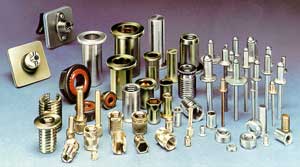
Credit: www-materials.eng.cam.ac.uk
Choosing The Right Fastener
Choosing the right fastener is key to a strong and lasting connection. Fasteners come in many types, sizes, and materials. Picking the best one depends on several factors. Each project needs a fastener that matches its specific demands. This section explains three important points to consider before selecting a fastener.
Load Requirements
Consider the weight and pressure the fastener must hold. Heavy loads need stronger fasteners like bolts or structural screws. Light loads may only require nails or small screws. Knowing the load helps avoid failure or damage. Always check the fastener’s strength rating before use.
Environmental Conditions
Think about where the fastener will be used. Outdoors or wet places need rust-resistant fasteners. Stainless steel or coated fasteners resist corrosion well. Indoor, dry areas allow regular steel fasteners. Extreme heat or cold also affects fastener choice. Choose fasteners that withstand the environment to last longer.
Material Compatibility
Match the fastener material to the materials being joined. Wood needs wood screws or nails. Metal parts require machine screws or bolts. Using the wrong fastener can damage materials or cause loosening. Also, avoid mixing metals that cause rust or corrosion. Proper compatibility ensures a secure and stable hold.
Applications Of Fasteners
Fasteners play a crucial role in many industries. They join parts securely and allow easy assembly or repair. Different fasteners suit different materials and tasks. Understanding their applications helps choose the right type for each job.
Construction
Fasteners hold beams, panels, and frames together in buildings. Nails and screws are common for wood structures. Bolts and anchors attach heavy materials like steel and concrete. They ensure safety and stability in homes and offices.
Automotive
Cars use fasteners to secure engine parts and body panels. Screws and bolts keep components in place during motion. Clips and rivets connect interior parts and trim. Proper fasteners improve vehicle durability and safety.
Furniture
Fasteners assemble chairs, tables, and cabinets. Screws and dowels create strong joints in wood. Cam locks allow easy furniture assembly and disassembly. Fasteners help furniture hold shape and support weight.
Electronics
Small screws and clips secure circuit boards and screens. Fasteners protect delicate parts from damage. They allow easy repair and upgrades in devices. Proper fastening keeps electronics working well over time.

Credit: www.researchgate.net
Frequently Asked Questions
What Are Common Types Of Fasteners Used In Construction?
Common construction fasteners include nails, screws, bolts, and anchors. They join materials like wood, metal, and concrete securely. Each type suits specific applications based on strength and material compatibility, ensuring structural integrity and durability in building projects.
How Do Screws Differ From Bolts As Fasteners?
Screws have a pointed end and self-tapping threads, ideal for wood or metal. Bolts need nuts for fastening and typically have a flat end. Screws create their own thread, while bolts rely on pre-threaded holes or nuts for secure connections.
What Materials Are Fasteners Typically Made From?
Fasteners are usually made from steel, stainless steel, brass, or aluminum. Steel offers strength, stainless steel resists corrosion, brass provides electrical conductivity, and aluminum is lightweight. Material choice depends on the application’s strength, durability, and environmental resistance requirements.
Why Are Washers Used With Fasteners?
Washers distribute the load of a fastener and prevent damage to surfaces. They also reduce loosening from vibration and help seal joints. Using washers increases the fastener’s effectiveness and prolongs the durability of the assembled parts.
Conclusion
Fasteners hold things together in many ways. Screws, nails, bolts, and clips are common types. Each fastener fits a different job or material. Choosing the right fastener makes work easier and stronger. Understanding fasteners helps in building and fixing tasks.
Small parts, big impact. Keep these examples in mind for your next project. Simple tools, strong results.


