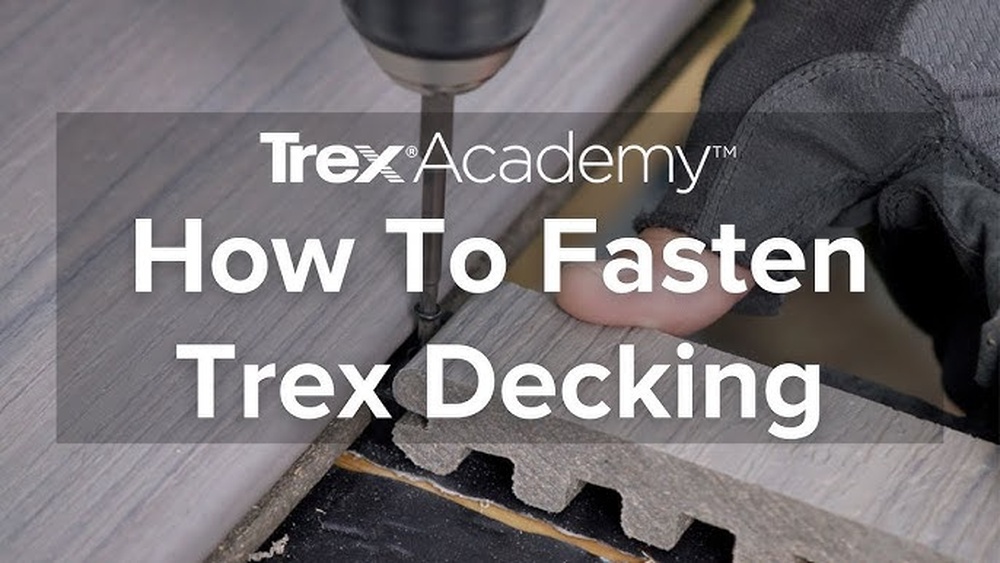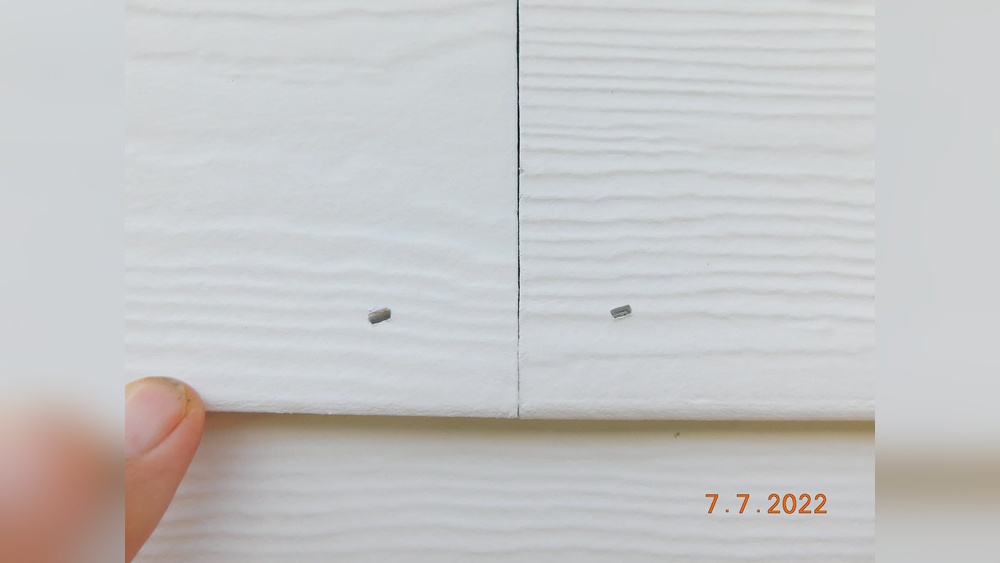
If you’re working with Hardie Board, choosing the right fasteners is one of the most important steps to get it done right. Using the wrong nails or screws can lead to costly damage, poor durability, and even safety issues.
But don’t worry—this guide will help you understand exactly what type of fasteners you need for your Hardie Board project. By the end, you’ll feel confident picking the perfect fasteners to keep your siding strong and looking great for years.
Ready to make sure your work stands the test of time? Let’s dive in.
Credit: www.homedepot.com
Choosing Fasteners For Hardie Board
Choosing the right fasteners for Hardie Board is important for a strong, lasting installation. Fasteners hold the siding in place and protect it from damage. The wrong fasteners can cause issues like rust or poor attachment. This guide explains the best fastener types, materials, and sizes for Hardie Board.
Types Of Fasteners Available
There are nails and screws made for Hardie Board. Nails with a ring or spiral shank offer extra grip. Screws provide strong holding power and resist loosening. Both options work well if they meet the recommended standards for fiber cement siding. Avoid regular nails or screws not designed for exterior use.
Material Compatibility
Fasteners must resist corrosion. Stainless steel or hot-dipped galvanized fasteners are best. These materials prevent rust and staining on Hardie Board. Aluminum fasteners are not recommended as they can cause damage over time. Choose fasteners labeled for fiber cement to ensure they withstand weather and time.
Size And Length Considerations
Fastener length depends on Hardie Board thickness and framing material. For 5/16-inch siding, use fasteners at least 1 1/4 inches long. For thicker boards, choose longer fasteners to reach the framing securely. The fastener diameter should be enough for strength but not too big to crack the siding. Follow manufacturer guidelines for exact sizes.
Nail Fasteners For Hardie Board
Nail fasteners are a popular choice for securing Hardie Board siding. They offer strong holding power and work well with the board’s fiber cement material. Choosing the right nails helps prevent damage and ensures a long-lasting installation. Proper nails resist rust and corrosion, which is important for outdoor use. This section breaks down different nail types and how to place them for the best results.
Galvanized Nails
Galvanized nails have a protective zinc coating. This coating stops rust and corrosion from moisture. They are affordable and easy to find at most hardware stores. Galvanized nails work well in most climates, especially dry or mild ones. Use nails with a ring shank for extra grip on Hardie Board. These nails hold the siding firmly without causing cracks.
Stainless Steel Nails
Stainless steel nails resist rust better than galvanized nails. They are ideal for coastal or wet areas where moisture is high. These nails last longer and keep siding secure for years. Stainless steel nails cost more but provide strong protection. They prevent staining and corrosion marks on Hardie Board siding. Use stainless steel nails if you want the best durability.
Proper Nail Placement
Place nails about 3/8 inch from the board edges. Avoid nailing too close to prevent splitting the siding. Space nails every 8 to 12 inches along each panel. Drive nails straight, not at an angle, to hold boards tight. Do not overdrive nails; the head should sit flush but not dig in. Proper placement keeps siding stable and reduces water damage risks.
Screw Fasteners For Hardie Board
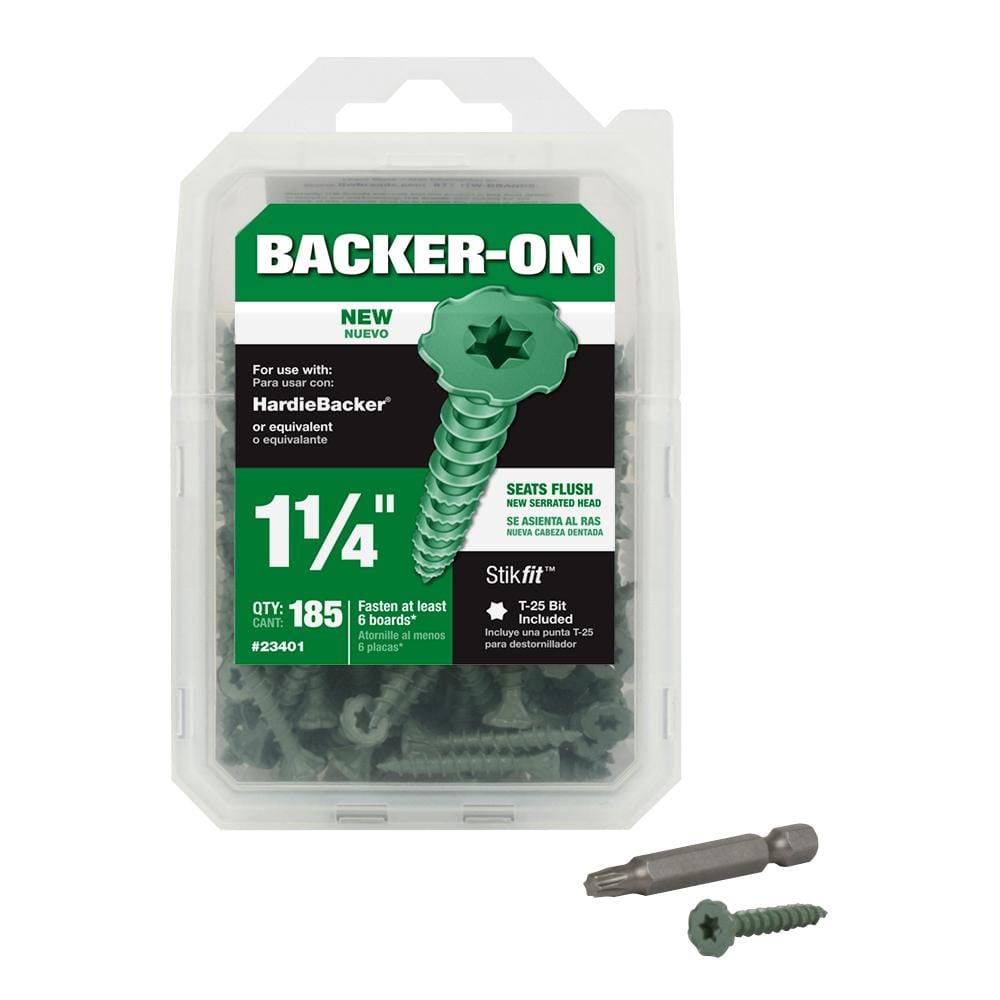
Screw fasteners are the best choice for attaching Hardie Board. They hold the fiber cement panels firmly in place. Screws provide strong support and reduce the chance of damage. They also allow easy adjustments during installation. Choosing the right screw fasteners helps ensure the siding lasts longer and stays secure.
Fiber Cement Screws
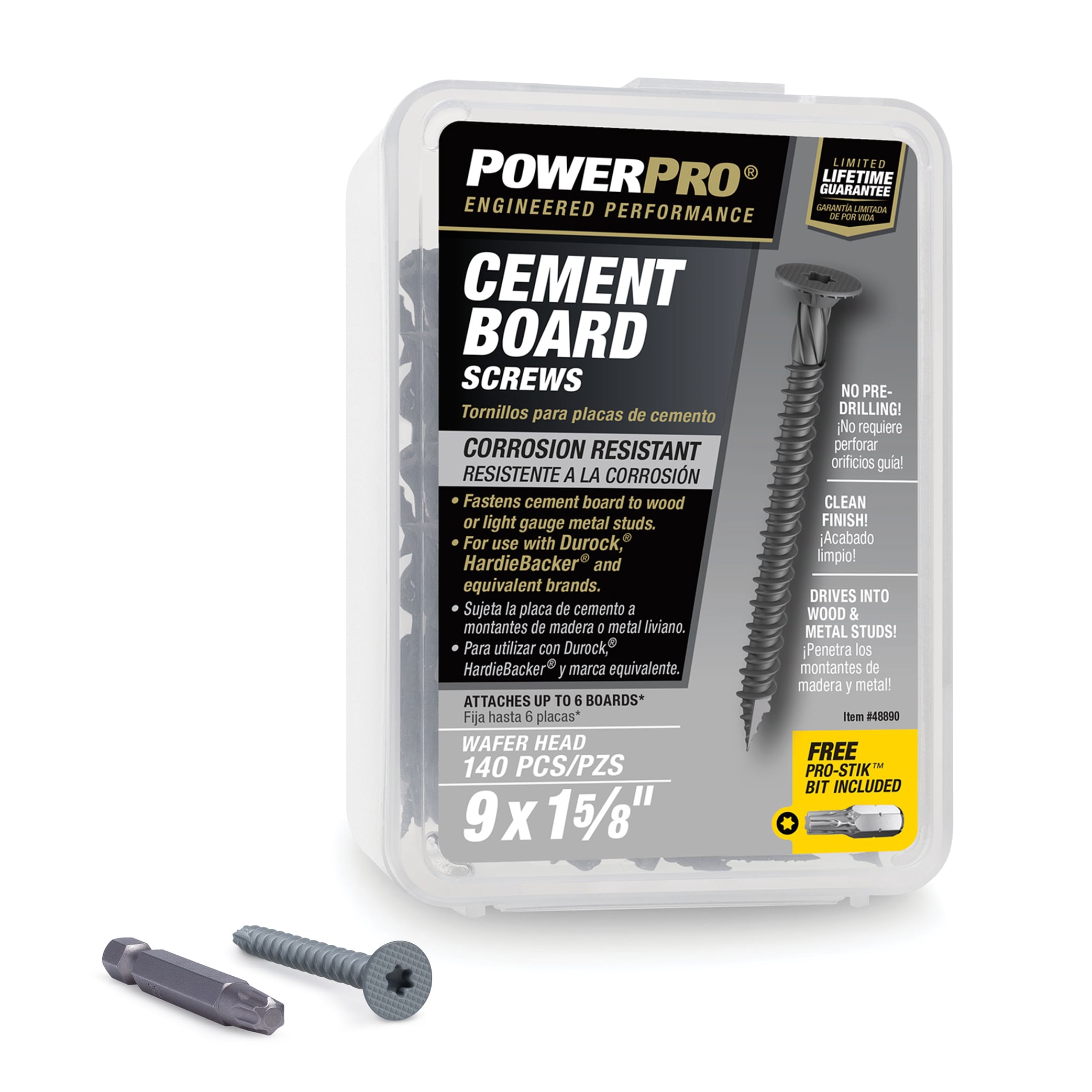
Fiber cement screws are made specifically for Hardie Board. They have a sharp tip to pierce the dense material easily. These screws prevent cracking or splitting of the panels. Their length and thickness match the board thickness. Using fiber cement screws guarantees a tight and durable hold.
Corrosion Resistance
Corrosion resistance is key for outdoor siding. Screws with a corrosion-resistant coating resist rust and weather damage. Stainless steel or coated screws work best. They protect the siding and the screw itself. This increases the lifespan of the Hardie Board installation.
Drive Types And Tips
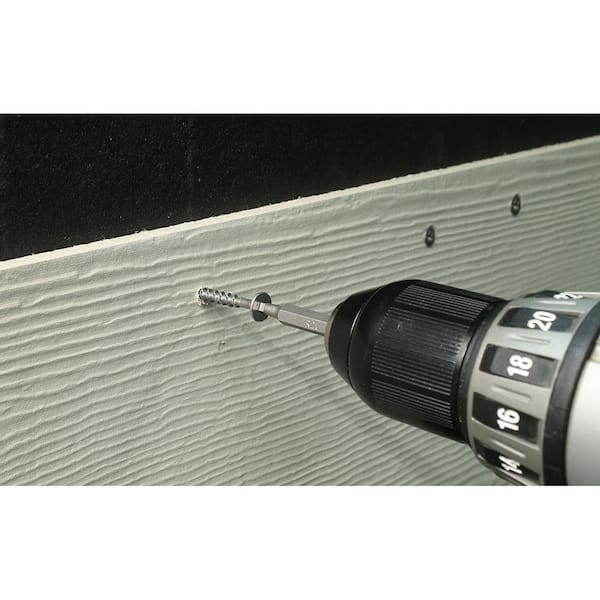
Choose screws with a star or square drive. These drives reduce slipping and stripping during installation. Use a drill with the right bit to avoid damaging the screw head. Drive screws just below the surface without breaking the board. This technique keeps the siding looking clean and professional.
Credit: www.lowes.com
Avoiding Common Fastener Mistakes
Choosing the right fasteners for Hardie Board is only part of the job. Avoiding common fastener mistakes ensures a strong, lasting installation. Mistakes can cause damage or reduce the siding’s lifespan. Understanding these errors helps keep your project on track.
Overdriving Fasteners
Overdriving fasteners means pushing them too deep into the board. This weakens the hold and can crack the Hardie Board. Fasteners should sit flush with the surface, not sunk in. Use a drill with a clutch to control depth easily.
Using Incorrect Fastener Types
Not all fasteners work with Hardie Board. Avoid nails or screws that rust or corrode. Choose corrosion-resistant fasteners made for cement siding. Stainless steel or coated nails last longer and prevent staining.
Spacing And Alignment
Proper spacing keeps the board secure and prevents warping. Space fasteners about 7 inches apart on each board. Keep fasteners aligned in straight lines for a neat look. Misalignment can cause gaps and reduce strength.
Tools For Installing Fasteners
Choosing the right tools for installing fasteners on Hardie Board makes the job easier and more precise. Proper tools help secure the board firmly and prevent damage. Understanding the options helps you pick the best tool for your project.
Nail Guns Vs. Hand Nailing
Nail guns speed up the installation process. They drive nails quickly and with consistent force. Using a nail gun reduces hand fatigue during large projects. Hand nailing gives more control on delicate spots. It is better for small repairs or tight spaces. Both methods require nails that suit Hardie Board specifications.
Screwdrivers And Drill Settings
Power drills with adjustable clutch settings work best for screws. Set the torque low to avoid overdriving screws into the board. Use a screwdriver bit that fits the screw head perfectly. This prevents stripping and ensures a tight fit. Cordless drills offer flexibility and ease of movement on site.
Safety Gear Recommendations
Wear safety glasses to protect eyes from dust and debris. Use gloves to prevent cuts from sharp edges and tools. A dust mask helps avoid inhaling silica dust from Hardie Board. Ear protection is useful when using loud power tools. Dress in long sleeves and pants to shield skin during installation.
Credit: www.homedepot.com
Maintaining Fastener Integrity
Maintaining fastener integrity is key for the long life of Hardie Board siding. Fasteners hold the panels securely and keep the structure safe. Poor fastener quality or damage can cause siding to loosen or fail over time. Careful attention to fastener condition helps avoid costly repairs and maintains the siding’s appearance.
Preventing Rust And Corrosion
Choose fasteners made from corrosion-resistant materials like stainless steel or hot-dipped galvanized steel. These metals withstand moisture and weather better than regular steel. Avoid using plain steel fasteners as they can rust quickly. Rust weakens fasteners and can stain the siding surface. Applying a protective coating on fasteners adds extra defense against corrosion.
Inspecting And Replacing Fasteners
Check fasteners regularly for signs of rust, looseness, or damage. Look closely at nail heads and screw heads for corrosion or gaps. Replace any fasteners that are rusted or loose. Use the same type and size of fastener for replacements. Regular inspection prevents siding panels from becoming loose or falling off. Early replacement extends the siding’s lifespan.
Weatherproofing Tips
Seal fastener holes with a high-quality exterior caulk to prevent water entry. Use flashing and trim around edges to protect fasteners from direct rain. Avoid over-driving fasteners, which can damage the siding and create entry points for moisture. Proper installation and sealing help keep fasteners dry and strong. This reduces the risk of rust and siding damage.
Frequently Asked Questions
What Fasteners Are Best For Hardie Board Siding?
Stainless steel or hot-dipped galvanized nails are best for Hardie Board. They resist rust and corrosion, ensuring durability. Use corrosion-resistant screws if nails aren’t suitable. Proper fasteners prevent damage and maintain siding integrity over time.
Can I Use Regular Nails With Hardie Board?
Regular nails are not recommended for Hardie Board. They can rust and weaken siding over time. Always use corrosion-resistant fasteners like stainless steel or galvanized nails. These fasteners provide a secure hold and protect the siding from moisture damage.
How Long Should Hardie Board Fasteners Be?
Fasteners should penetrate at least 1 inch into the framing behind Hardie Board. Typically, use 1. 5 to 2-inch nails or screws depending on board thickness. Proper length ensures a strong hold without damaging the siding or underlying structure.
Should I Pre-drill Holes For Hardie Board Fasteners?
Pre-drilling holes is recommended for Hardie Board to prevent cracking. Use a drill bit slightly smaller than the fastener diameter. This helps maintain siding integrity and allows fasteners to seat properly without splitting the fiber cement.
Conclusion
Choosing the right fasteners keeps your Hardie Board secure and strong. Use corrosion-resistant screws made for fiber cement materials. Avoid nails that can cause cracks or damage. Proper fasteners help your siding last longer and look better. Simple choices make a big difference in your project’s success.
Always follow manufacturer guidelines for best results. This ensures your home stays protected through all weather. Trust the right fasteners to do the job well.