Are you struggling to understand which fastening methods are truly permanent? Choosing the right type of fastening can make all the difference in your project’s strength and durability.
Whether you’re working on a DIY task or a professional build, knowing which fasteners hold for good will save you time, effort, and frustration. You’ll discover exactly which fastening techniques create lasting bonds you can trust. Keep reading to make sure your work stays solid and secure—no matter what.
Types Of Fastening Methods
Fastening methods join two or more parts together. They hold materials tightly for different uses. Some fastenings can be taken apart. Others stay fixed forever. Choosing the right type depends on the need for strength and permanence.
Temporary Fastening Techniques
Temporary fastenings allow easy removal or adjustment. Screws and bolts are common examples. They hold parts firmly but can be undone. Clips and clamps also offer quick fastening. These methods suit projects needing changes or repairs.
Permanent Fastening Techniques
Permanent fastenings create lasting bonds between materials. Welding fuses metal parts into one solid piece. Rivets join parts by expanding inside holes. Adhesives like glue or epoxy harden to hold parts tightly. These methods prevent parts from coming apart easily.
Characteristics Of Permanent Fastening
Permanent fastening holds parts together in a way that cannot be undone easily. These fastenings create strong, lasting bonds. They are often used in construction, manufacturing, and repairs. Understanding their key traits helps choose the right fastening method.
Permanent fastenings do not allow parts to move or come apart. They resist forces like vibration, heat, and pressure. Their design focuses on lasting performance without the need for maintenance.
Durability And Strength
Permanent fastenings offer high durability and strength. They withstand heavy loads and stress over time. These fastenings do not loosen or weaken easily. Their strength ensures safety and reliability in many uses.
Material Compatibility
Permanent fastenings work with many materials like metal, wood, and plastic. Choosing the right fastening depends on material type and thickness. Proper matching prevents damage and ensures a strong bond.
Application Scenarios
Permanent fastenings suit situations where parts must stay joined forever. Examples include welded joints, rivets, and glued assemblies. These fastenings are common in bridges, cars, and electronic devices.
Common Permanent Fastening Methods
Permanent fastening methods join materials so they do not come apart easily. These methods create strong bonds. They are common in many industries like construction, automotive, and manufacturing. Choosing the right method depends on the materials and the work needed.
Welding
Welding melts two pieces of metal to join them. It creates a very strong bond. The metals fuse together as they cool down. This method is widely used in building and car making. It works best for metals like steel and aluminum.
Riveting
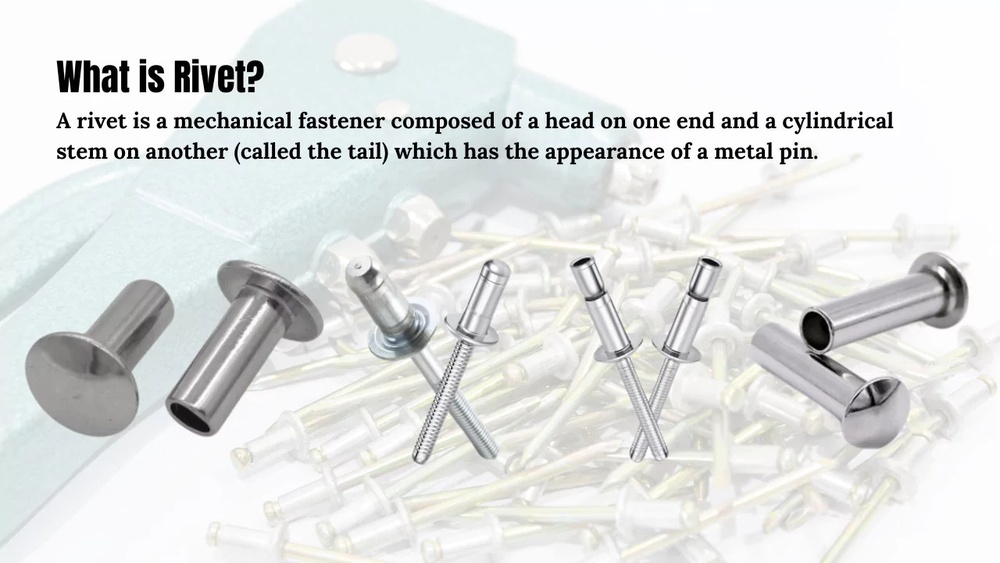
Riveting uses metal pins called rivets to join parts. The rivet passes through holes in the materials. Then the ends are pressed or hammered to hold them tight. Riveting is common in aircraft and bridges. It is strong and reliable for metal sheets.
Adhesive Bonding
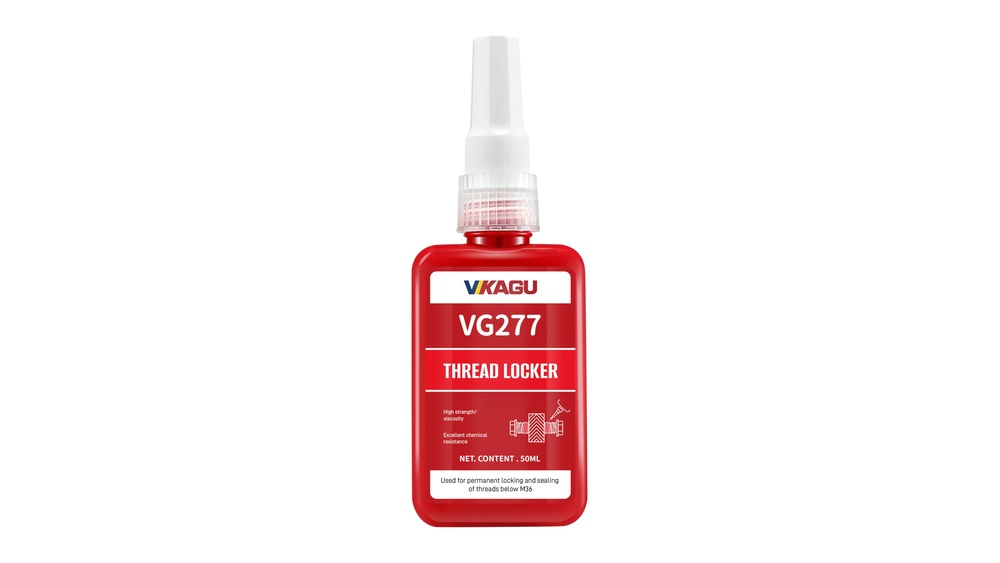
Adhesive bonding uses glue to stick materials together. It works on many materials like plastic, wood, and metal. The glue dries or cures to form a strong joint. This method is neat and does not damage surfaces. It suits delicate parts and small repairs.
Soldering And Brazing
Soldering and brazing join metals by melting a filler metal. The filler metal flows into the joint without melting the base metals. Soldering uses lower temperatures than brazing. Both create solid and permanent connections. These methods are common in electronics and plumbing.
Credit: mytutorialworld.com
Comparing Permanent Fasteners
Permanent fasteners are essential in many projects. They hold materials tightly and cannot be removed easily. Choosing the right type affects strength, cost, and the environment. Comparing common permanent fasteners helps you pick the best option for your needs.
Advantages And Disadvantages
Permanent fasteners provide strong and lasting joints. They resist loosening over time. Nails, rivets, and welds are common types. Nails are quick to use but can damage wood. Rivets offer solid metal connections but need special tools. Welding creates very strong bonds but requires skill and equipment. Each type has limits depending on the material and use.
Cost And Efficiency
Nails are usually the cheapest and fastest to install. Rivets cost more and take longer to set. Welding costs depend on labor and tools needed. For large projects, nails save time and money. Rivets are better for metal parts needing extra strength. Welding suits heavy-duty tasks but adds to overall cost.
Environmental Impact
Permanent fasteners affect the environment differently. Nails and rivets are made from metal, which uses energy to produce. Welding can use electricity or gas, increasing energy use. Removing permanent fasteners often means scrap or waste. Choosing recyclable materials and proper disposal helps reduce harm. Consider the whole life cycle for greener choices.
Choosing The Right Permanent Fastener
Choosing the right permanent fastener is key for any project. It affects strength, durability, and safety. Each fastener type has its own uses and limits. Understanding these helps pick the best fit for your needs.
Project Requirements
Consider the load the fastener must hold. Think about the environment, like moisture or heat. The size and shape of parts also matter. Choose a fastener that fits these needs exactly. Avoid weak or oversized fasteners that may fail or damage materials.
Material Considerations
Match the fastener material with the parts you join. Metals, plastics, and wood need different fasteners. Steel fasteners suit metal projects well. Use stainless steel for rust resistance. For wood, nails or screws designed for timber work best.
Safety Factors
Safety is a top concern with permanent fasteners. A wrong choice can cause accidents or breakdowns. Use fasteners tested for strength and reliability. Check for sharp edges or loose parts that may hurt users. Secure fasteners firmly to avoid loosening over time.
Credit: www.walmart.com
Credit: www.wesellmats.com
Frequently Asked Questions
What Is A Permanent Fastening Method?
A permanent fastening method joins materials permanently. It cannot be easily removed without damage. Examples include welding, riveting, and adhesive bonding.
How Does Riveting Work As A Permanent Fastener?
Riveting joins materials by deforming a metal pin. It creates a strong, lasting bond. Rivets are common in metal construction and manufacturing.
Why Is Welding Considered A Permanent Fastening?
Welding fuses materials by melting them together. This creates a strong, inseparable joint. It is widely used in metal fabrication and construction.
Are Adhesives Reliable For Permanent Fastening?
Certain adhesives form strong, permanent bonds. They work well on various materials like plastics and metals. Proper surface preparation ensures lasting adhesion.
Conclusion
Permanent fastening means joining parts so they cannot come apart easily. Common types include welding, riveting, and soldering. These methods create strong, lasting bonds for many applications. Choosing the right permanent fastening depends on the materials and the purpose. Remember, permanent fasteners offer stability but limit disassembly.
Understanding their uses helps pick the best option for your project. This knowledge ensures safe and reliable construction every time.