Are you curious about how things stay firmly connected in machines, buildings, or vehicles? If so, understanding what a stud fastener is can give you a clear edge.
Stud fasteners play a key role in holding parts together, often without you even noticing. By the end of this article, you’ll know exactly what a stud fastener is, why it matters, and how it can make a difference in your projects or daily life.
Keep reading—you’re about to discover a simple yet powerful tool that keeps the world running smoothly.
Stud Fastener Basics
Stud fasteners are simple but strong components used to join parts. They hold materials together without the need for nuts or bolts on both ends. Understanding the basics helps in choosing the right stud fastener for any task.
These fasteners come in different types, materials, and sizes. Each type serves a specific purpose in construction, machinery, or automotive work. Knowing these basics makes your work easier and safer.
Definition And Types
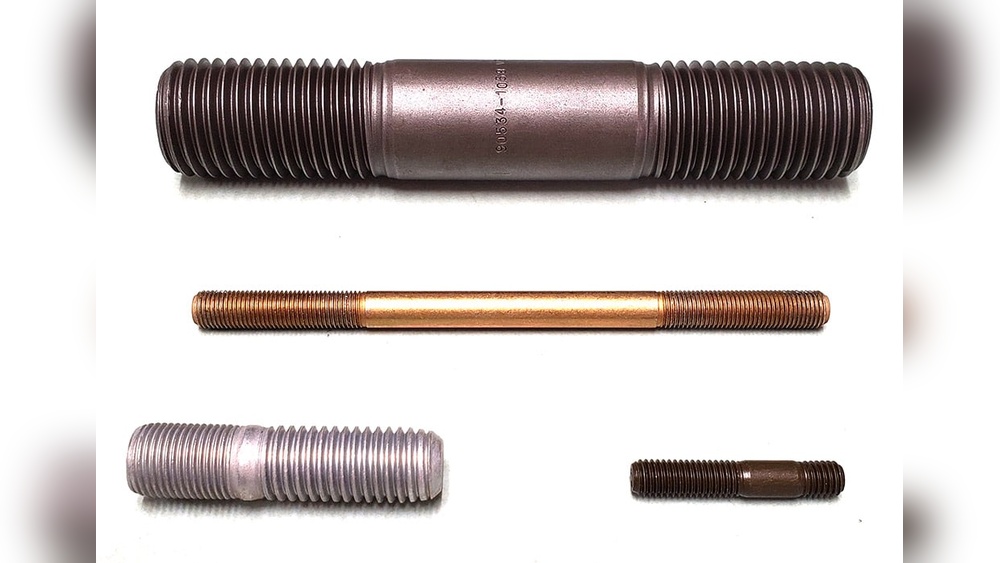
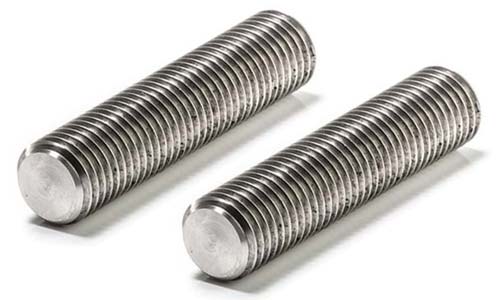
A stud fastener is a metal rod with threads on one or both ends. It screws into a tapped hole or holds two parts with nuts. Common types include fully threaded studs, double-ended studs, and weld studs. Each type has unique features for different uses.
Materials Used
Stud fasteners are made from various metals. Steel is the most common due to its strength. Stainless steel resists rust and is used in wet environments. Brass and aluminum studs are lighter and resist corrosion but are less strong.
Common Sizes And Shapes
Stud fasteners come in many sizes to fit different needs. Diameter and length vary widely. Shapes include round, hexagonal, and shoulder studs. The choice depends on the application and required strength.
Credit: boltport.com
Applications Of Stud Fasteners
Stud fasteners have many uses across different industries. Their design allows for strong and secure connections. They are easy to install and remove. This makes them ideal for many applications.
Stud fasteners provide stability and hold parts tightly together. They help machines and structures work safely and efficiently. Below are some key areas where stud fasteners are widely used.
Automotive Industry
Stud fasteners join engine parts and body panels. They hold components under pressure and heat. This keeps vehicles safe and reliable. They also make repairs faster and easier.
Construction And Infrastructure
Stud fasteners connect steel beams and concrete parts. They support bridges, buildings, and towers. Their strength helps structures resist wind and weight. Builders trust stud fasteners for long-lasting results.
Machinery And Equipment
Stud fasteners secure parts in machines and tools. They reduce vibration and wear. This extends the life of equipment. Technicians use them to keep machines running smoothly.
Electronics And Electrical
Stud fasteners hold circuit boards and panels. They ensure good electrical connections. Their small size fits tight spaces well. This protects delicate parts and improves device performance.
Benefits Of Using Stud Fasteners
Stud fasteners offer many benefits for various construction and machinery projects. They provide reliable connections that last long under stress. Using stud fasteners can improve efficiency and reduce costs in many applications.
Strength And Durability
Stud fasteners create strong joints that resist loosening. Their design helps distribute pressure evenly. This makes structures safer and more stable. They perform well in harsh conditions like heat and vibration.
Ease Of Installation
Installing stud fasteners is simple and quick. They require fewer tools and less effort. This saves time on the job site. Easy installation also reduces the chance of errors during assembly.
Cost-effectiveness
Stud fasteners lower overall project costs. Their durability means fewer replacements are needed. Faster installation reduces labor expenses. Using them can extend the life of equipment and structures.
Versatility In Design
Stud fasteners suit many materials and shapes. They work well with metals, plastics, and composites. Various sizes and types fit different project needs. This flexibility makes them useful in many industries.

Credit: en.wikipedia.org
Choosing The Right Stud Fastener
Choosing the right stud fastener is crucial for a secure and lasting connection. The correct fastener depends on many factors. Consider the material, load, and environment before making a choice. Each factor affects the fastener’s performance and durability.
Material Compatibility
Match the stud fastener material with the parts it joins. Different metals react when in contact. Some may corrode or weaken over time. Stainless steel works well with most metals. Aluminum studs fit best with lightweight parts. The goal is to avoid damage and ensure strength.
Load And Stress Considerations
Think about the weight and pressure on the fastener. Heavy loads need stronger studs, like alloy steel. Light loads can use standard steel or brass. Check if the fastener will face vibration or shocks. Choose a stud that can handle the stress without failing.
Environmental Factors
Consider where the fastener will be used. Moist or wet places need rust-resistant materials. High temperatures require studs that keep strength under heat. Outdoor use means exposure to sun and rain. Pick a fastener that lasts in those conditions.
Maintenance And Troubleshooting
Stud fasteners need regular care to work well and last long. Maintenance and troubleshooting help find problems early. This keeps equipment safe and running smoothly. Simple checks and fixes save time and money.
Inspection Tips
Check stud fasteners often for signs of wear or damage. Look for cracks, rust, or loose parts. Use a flashlight to see hard areas clearly. Tighten any loose fasteners carefully. Clean dirt and grease to prevent slipping. Record your inspections to track changes over time.
Common Issues And Solutions
Stud fasteners can loosen from vibration or pressure. Tighten them using the right tools and torque. Rust can cause weakness; remove it with a wire brush. Broken studs must be replaced immediately. Thread damage needs careful repair or replacement. Avoid over-tightening to prevent stripping threads.
Replacement Guidelines
Replace stud fasteners if they show cracks or severe rust. Use the same size and material as the original. Clean the hole before installing a new stud. Apply thread lubricant to avoid seizing. Tighten to the manufacturer’s recommended torque. Dispose of old fasteners safely to prevent accidents.

Credit: www.nknutbolt.com
Frequently Asked Questions
What Is A Stud Fastener Used For?
A stud fastener joins two components without a nut. It provides strong, permanent fastening in automotive and construction applications. Studs allow easy assembly and disassembly while maintaining alignment and strength.
How Does A Stud Fastener Differ From A Bolt?
Stud fasteners are threaded rods fixed into one component. Bolts pass through both parts with a nut on the other end. Studs offer better load distribution and reduce wear on the threaded hole.
What Materials Are Stud Fasteners Made Of?
Stud fasteners are commonly made from stainless steel, carbon steel, or alloy steel. These materials offer high strength, corrosion resistance, and durability for various industrial uses.
Can Stud Fasteners Be Reused?
Stud fasteners can be reused if not damaged or corroded. Inspect threads and surfaces before reuse to ensure proper fit and strength. Reusing studs reduces costs and waste.
Conclusion
Stud fasteners hold parts tightly together in many machines and structures. They come in different sizes and types for various uses. Choosing the right stud fastener ensures strong and safe connections. They are easy to install and remove when needed.
Understanding stud fasteners helps in many repair and building tasks. Remember, strong fasteners mean stronger projects. Keep this knowledge handy for your next work. Simple, useful, and reliable—that is what stud fasteners offer.