Have you ever wondered what keeps your jacket securely closed without the hassle of buttons or zippers? That little click you hear when fastening your bag or shirt is thanks to a snap fastener.
It’s a small, simple device that plays a big role in your daily life, making your clothes and accessories easier to use. You’ll discover exactly what a snap fastener is, how it works, and why it might be the perfect solution for your next project.
Keep reading to unlock the secrets behind this handy little fastener and see how it can make your life easier.
Credit: so-sew-easy.com
Snap Fastener Basics
Snap fasteners are small, simple devices used to join two pieces of fabric or material. They offer a quick and easy way to open and close clothing, bags, and other items. Snap fasteners are popular because they are strong, reusable, and easy to use.
Understanding the basics of snap fasteners helps you choose the right type for your project. The design and materials impact how well they hold and how long they last.
Types Of Snap Fasteners
There are several types of snap fasteners. Sew-on snaps attach with thread and are common in clothing. Press snaps are fixed using a tool that presses the parts together. Magnetic snaps use magnets to close and open easily. Each type suits different needs and fabrics.
Materials Used
Snap fasteners come in metal, plastic, and sometimes brass. Metal snaps are strong and durable. Plastic snaps are lightweight and often used in baby clothes. Brass snaps resist rust and are good for outdoor use. The material affects strength and appearance.
How Snap Fasteners Work
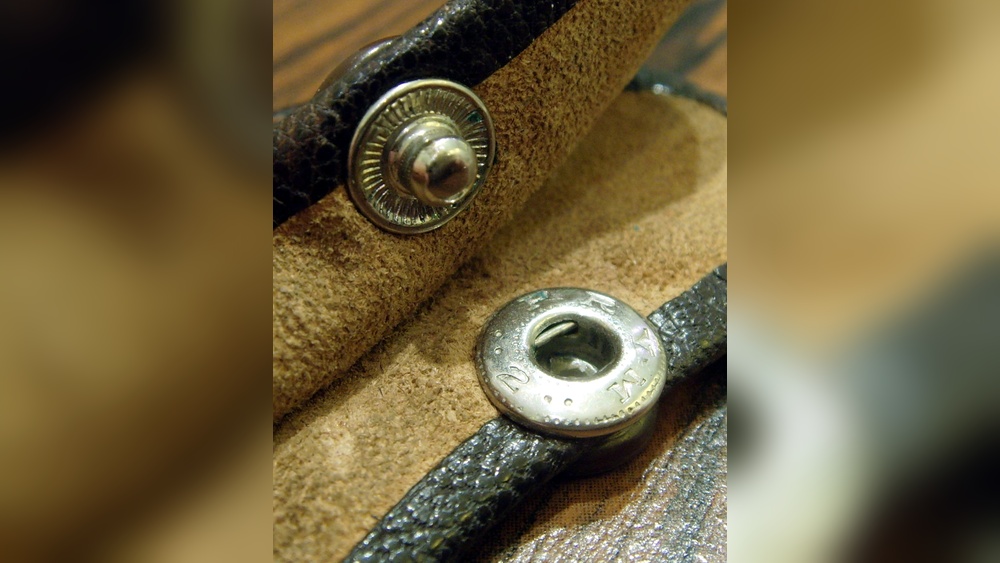
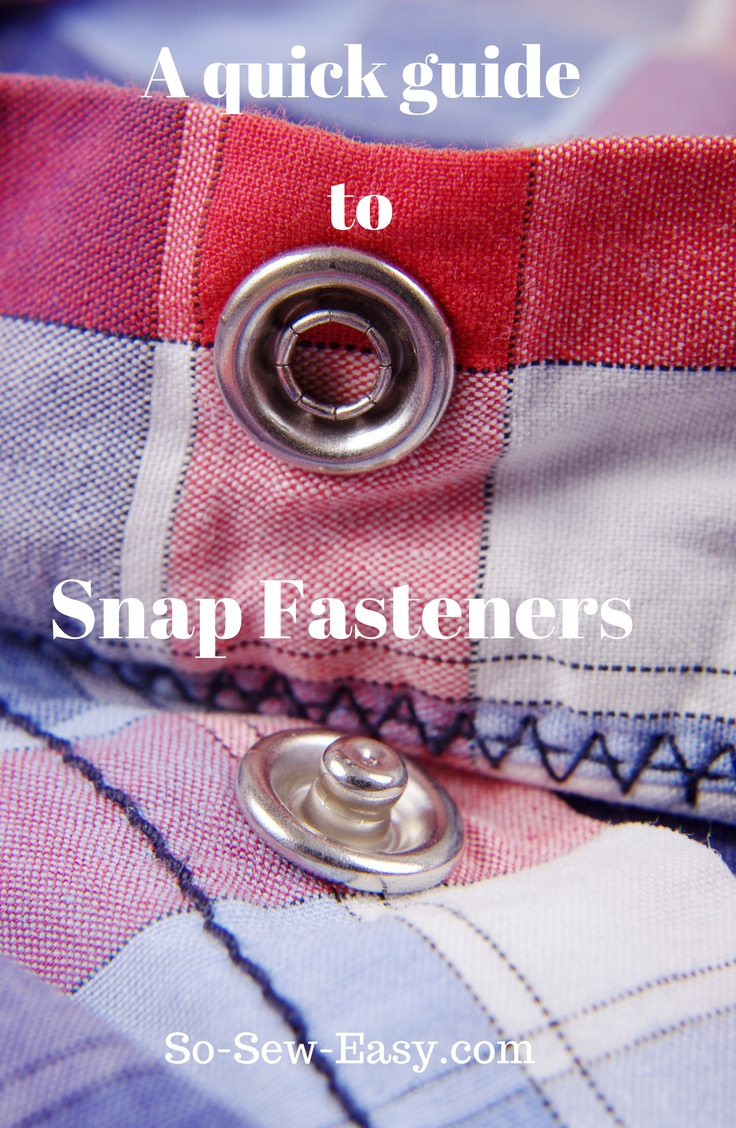
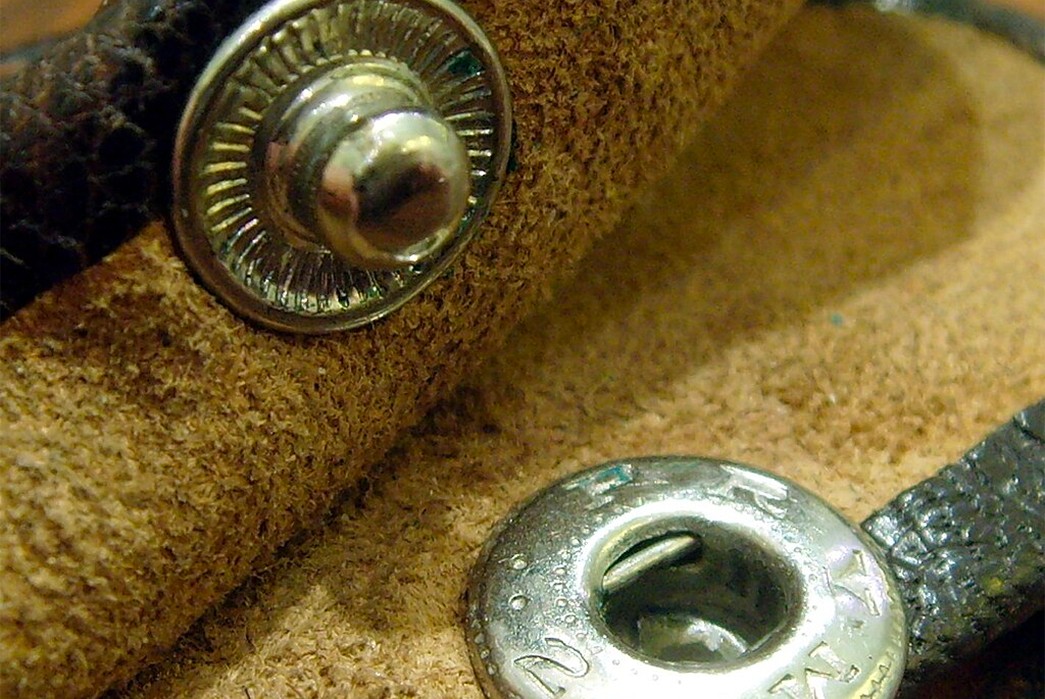
Snap fasteners work by clicking two parts together. One part has a ball or knob, and the other has a socket. Pressing them together locks the snap. Pulling them apart releases it. This simple mechanism makes snaps easy to use and reliable.
Common Applications
Snap fasteners are small but strong closures used in many everyday items. They offer quick and easy fastening without buttons or zippers. Their design allows repeated use without damage. These features make snap fasteners popular in various products.
Clothing And Apparel
Snap fasteners appear on shirts, jackets, and baby clothes. They help fasten pieces quickly and securely. Easy to open and close, they suit children’s wear well. Sportswear and uniforms also use snap fasteners for convenience.
Outdoor Gear
Many outdoor items use snap fasteners for durability. Tents, backpacks, and raincoats benefit from their strong hold. Snap fasteners resist weather and rough use. They keep gear closed and protected during adventures.
Home Textiles
Snap fasteners appear in bedding and cushion covers. They hold fabric pieces together neatly. This makes washing and changing covers simple. Curtains and slipcovers also use snap fasteners for easy handling.
Accessories And Bags
Bags often use snap fasteners for secure closures. Wallets, purses, and belts include them for ease. Snap fasteners add style without bulk. They keep items safe and accessible at the same time.
Advantages Over Other Fasteners
Snap fasteners offer several benefits compared to other types of fasteners. They provide a simple and reliable way to join materials. These advantages make snap fasteners popular in clothing, accessories, and other products. The following sections explain their key benefits.
Ease Of Use
Snap fasteners are quick to open and close. They require little effort to operate, even for children or elderly users. Unlike buttons or zippers, snaps do not get stuck easily. This makes them very user-friendly.
Durability And Strength
Snap fasteners are strong and can hold materials firmly together. They resist wear and tear better than many other fasteners. Snap fasteners maintain their grip over time, providing long-lasting performance.
Aesthetic Appeal
Snap fasteners come in various colors and finishes. They can blend well with different fabrics and styles. Snaps add a neat, clean look to garments and items without bulky parts.
Cost-effectiveness
Snap fasteners are affordable and easy to produce. They reduce the need for complex sewing or assembly. Using snaps can lower production costs while keeping quality high.
Installation Techniques
Snap fasteners are easy to use and very practical. Installing them correctly is important for strong hold and long life. There are different ways to attach snap fasteners depending on the tools and materials.
Understanding the right installation techniques helps ensure your project looks neat and works well. Here are the main methods used to set snap fasteners.
Hand Setting Methods
Hand setting uses simple tools like a hammer and anvil. Position the snap parts on the fabric or leather. Use a setting tool to press the pieces together. Hit gently with the hammer to avoid damage. This method works well for small projects and repairs. It is affordable and does not need electricity.
Machine Application
Machine application uses a snap fastener press or pliers. These machines apply strong pressure evenly. They work fast and create professional results. Machines suit large projects or thick materials. They reduce errors and save time. Some machines need special dies matching the snap size.
Tips For Secure Attachment
Choose the right snap size for your material. Mark the exact spot before installing. Make sure fabric layers are flat and tight. Apply steady pressure without moving parts. Check snaps after setting to ensure they close firmly. Avoid over-hammering to prevent damage. Proper care extends the life of your snaps.
Maintenance And Care
Snap fasteners need regular care to work well and last longer. Dirt, rust, or damage can stop them from closing properly. Simple steps keep them clean and strong.
Cleaning Snap Fasteners
Use a soft brush to remove dirt and dust. Wipe metal parts with a damp cloth. Avoid harsh chemicals that can damage the snap. Dry the fasteners fully to stop rust.
Troubleshooting Common Issues
If snaps do not close, check for dirt or bent parts. Gently realign any bent pieces with pliers. Test the snap several times to ensure it works. Loose snaps may need tightening or replacement.
Replacing Damaged Snaps
Remove the old snap carefully using pliers. Choose a new snap of the same size and type. Follow instructions to attach the new fastener securely. Test the new snap for proper closure and strength.
Credit: www.heddels.com
Innovations And Trends
Snap fasteners have evolved significantly over the years. New materials and designs make them more useful and eco-friendly. They now serve more than just a basic function. Innovations bring fresh ideas to this simple tool.
These trends shape how snap fasteners fit into fashion and technology. They offer better durability and style. The future of snap fasteners looks bright and practical.
Eco-friendly Materials
More manufacturers use recycled and natural materials. Biodegradable plastics and metals reduce waste. These eco-friendly snap fasteners lessen environmental impact. They help brands meet green goals. Consumers prefer sustainable product choices today.
Smart Snap Fasteners
Technology blends with snap fasteners to create smart versions. Some snap fasteners can track health or unlock devices. Sensors and chips fit inside tiny fasteners. They add convenience without bulk. Wearable tech often uses these smart snap fasteners.
Fashion Industry Developments
Snap fasteners now appear in high fashion and streetwear. Designers use unique shapes and colors to stand out. Fasteners add both function and style to garments. They enable quick changes and adjustable fits. This boosts comfort and creativity in clothing.

Credit: www.sailrite.com
Frequently Asked Questions
What Is A Snap Fastener Used For?
A snap fastener is used to securely join two fabric pieces. It allows easy opening and closing without sewing buttons. Commonly, it is found on clothing, bags, and accessories for quick fastening.
How Does A Snap Fastener Work?
A snap fastener works by clicking two metal or plastic parts together. One part has a protruding knob, and the other has a socket. When pressed, they snap into place, holding fabrics firmly.
What Materials Are Snap Fasteners Made Of?
Snap fasteners are typically made from metal, plastic, or brass. Metal snaps are durable, plastic snaps are lightweight, and brass snaps resist corrosion. Choice depends on the garment’s needs and usage.
Are Snap Fasteners Better Than Buttons?
Snap fasteners offer faster and easier fastening than buttons. They are more durable under repeated use and reduce fabric strain. However, buttons provide more design variety and style options.
Conclusion
Snap fasteners offer a simple way to join fabrics quickly and securely. They work well for clothes, bags, and many other items. These fasteners are easy to use and last a long time. Choosing the right snap fastener can improve your sewing projects.
They save time and effort compared to buttons or zippers. Understanding their function helps you pick the best option for your needs. Snap fasteners bring convenience without adding bulk or complexity. Simple, strong, and reliable—snap fasteners remain a popular choice worldwide.