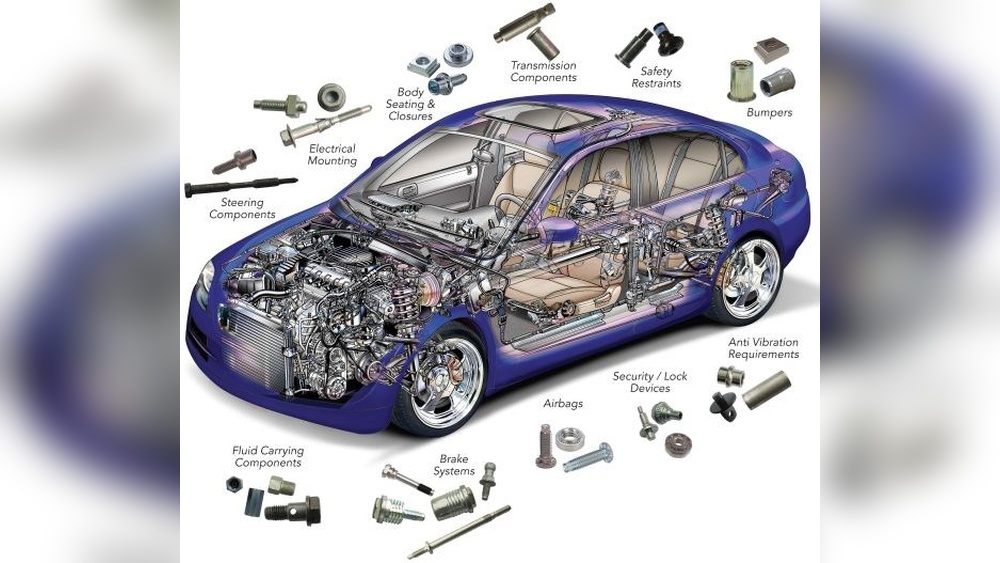
Have you ever wondered what holds your car’s many parts together, keeping everything safe and running smoothly? The answer lies in something small but incredibly important: automotive fasteners.
These tiny components play a huge role in your vehicle’s performance and safety. Understanding what automotive fasteners are and how they work can give you a new appreciation for your car—and help you make smarter choices when it comes to repairs and upgrades.
Keep reading to discover the hidden heroes behind every bolt, screw, and clip in your vehicle.
Role Of Fasteners In Vehicles
Fasteners hold together many parts of a vehicle. They are small but very important. Without fasteners, cars would not stay assembled. They keep everything in place, from the engine to the seats. Fasteners allow different parts to work as one unit.
Choosing the right fastener affects how well a vehicle works. They must be strong and reliable. Fasteners face vibration, heat, and pressure every day. Their role is vital for the vehicle’s life and safety.
Importance In Vehicle Assembly
Fasteners connect parts during vehicle assembly. They help build the frame, engine, and body. Each fastener fits a specific need and place. Using the correct fastener speeds up the assembly process. It ensures each part fits tightly and correctly.
Assembly lines depend on fasteners for quick and safe production. The right fastener reduces errors and rework. This saves time and money. Proper fasteners also make future repairs easier.
Impact On Safety And Performance
Fasteners affect how safe a vehicle is. Loose or weak fasteners can cause parts to fail. This can lead to accidents or breakdowns. Strong fasteners keep parts secure during crashes.
Performance depends on fasteners too. They maintain the alignment of moving parts. Proper fasteners reduce noise and vibration. They improve fuel efficiency by keeping parts tight. Fasteners play a quiet but powerful role in vehicle safety and performance.
Credit: www.fictiv.com
Common Types Of Automotive Fasteners
Automotive fasteners hold many parts of a vehicle together. They ensure safety and proper function. Different fasteners serve different purposes. Knowing common types helps understand vehicle assembly and repair.
Bolts And Screws
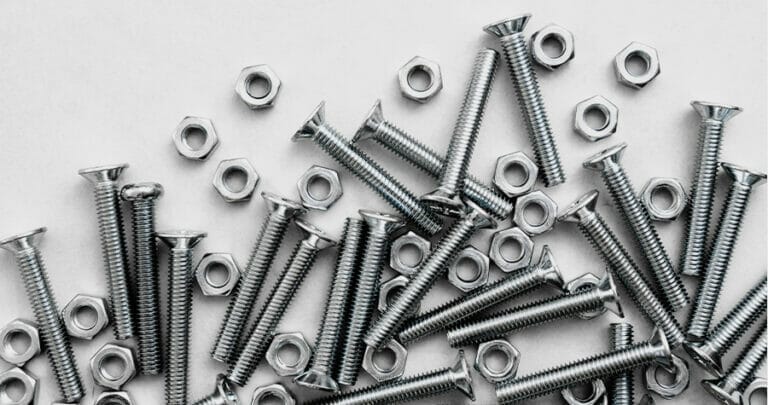
Bolts and screws join parts by threading into materials. Bolts usually need nuts to hold tight. Screws often cut their own threads in softer materials. Both come in many sizes and shapes for specific uses.
Nuts And Washers
Nuts fasten onto bolts to secure parts firmly. Washers sit between nuts and surfaces to spread pressure. They prevent damage and loosening from vibration. Different washers offer extra grip or cushioning.
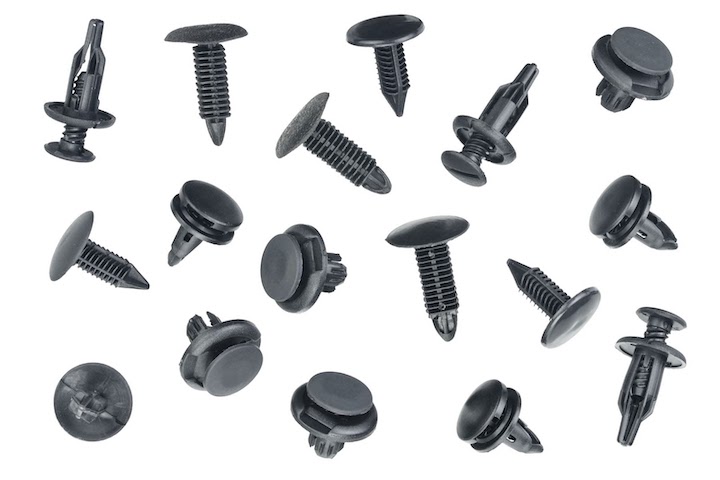
Clips And Rivets
Clips hold panels and trim pieces without tools. They snap into place and allow quick removal. Rivets permanently join parts by deforming metal ends. They provide strong, lasting bonds where welding is not used.
Materials Used In Fasteners
Automotive fasteners hold parts of a vehicle together. The choice of material affects strength, durability, and resistance to corrosion. Different materials suit different needs in cars, trucks, and motorcycles. Fasteners must withstand stress, weather, and temperature changes.
Steel And Stainless Steel
Steel is the most common fastener material in vehicles. It is strong and affordable. Steel fasteners handle heavy loads and high stress well. Stainless steel resists rust and corrosion better than regular steel. It is ideal for parts exposed to moisture or salt. Stainless steel fasteners last longer in tough conditions.
Aluminum And Alloys
Aluminum fasteners are lighter than steel ones. They help reduce vehicle weight and improve fuel efficiency. Aluminum alloys add strength and durability. These fasteners resist corrosion but are not as strong as steel. They are used in areas where weight savings matter most.
Plastic And Composite Materials
Plastic fasteners are lightweight and resist corrosion perfectly. They work well in non-structural parts like interior panels. Composite materials combine plastics with fibers for extra strength. These fasteners offer flexibility and reduce noise. They are less common but useful in specific automotive parts.
Fastener Selection Criteria
Choosing the right automotive fasteners is very important. The correct fastener ensures safety, durability, and performance. Several factors affect the selection process. These factors help match the fastener to its specific use in a vehicle. Understanding these criteria helps mechanics and manufacturers pick the best option.
Load And Stress Considerations
Fasteners must handle the forces applied to them. This includes tension, shear, and vibration. The fastener’s strength must match the load it carries. Incorrect strength can cause failure or damage. Fasteners should also resist loosening under stress. Engineers calculate stress levels to choose suitable fasteners. This ensures the parts stay secure during use.
Environmental Resistance
Automotive fasteners face many environmental challenges. They must resist moisture, heat, and chemicals. Rust and corrosion can weaken fasteners quickly. Materials like stainless steel or coated metals offer better protection. Fasteners must maintain their strength despite harsh conditions. Choosing the right material extends the fastener’s lifespan.
Compatibility With Vehicle Components
Fasteners must fit well with vehicle parts. They should not damage the components they join. The size, shape, and thread type must match the design. Some materials can react badly with others, causing corrosion. Proper compatibility prevents early wear and tear. This helps keep the vehicle safe and reliable.
Applications Of Fasteners In Vehicles
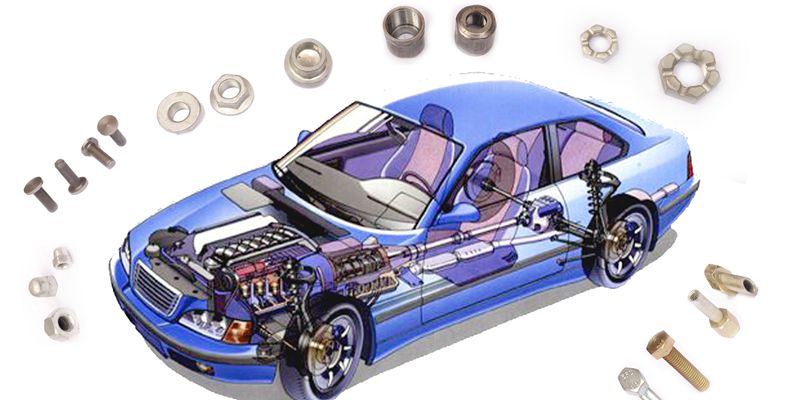
Fasteners play a crucial role in holding different parts of a vehicle together. They ensure safety, strength, and durability. Each fastener has a specific use in various vehicle sections. This section explores where and how these fasteners are applied.
Engine And Transmission
Fasteners secure engine parts like cylinder heads, valves, and covers. They keep transmission components tightly connected for smooth operation. Bolts and nuts withstand high heat and pressure here. Proper fastening prevents leaks and mechanical failure.
Body And Interior Panels
Fasteners attach doors, hoods, and bumpers to the vehicle frame. Clips and screws hold interior panels, dashboards, and seats in place. They allow easy assembly and removal during repairs. These fasteners maintain the vehicle’s shape and comfort.
Suspension And Chassis
Strong fasteners connect suspension arms, springs, and shock absorbers. They also join chassis parts like the frame and cross members. These fasteners absorb road shocks and keep the vehicle stable. Quality fastening is vital for safe driving and handling.
Credit: sendcutsend.com
Installation And Maintenance Tips
Installing and maintaining automotive fasteners correctly is key to vehicle safety and performance. Proper care ensures parts stay secure and work well over time. This section covers essential tips for installation and upkeep.
Proper Torque Settings
Using the right torque prevents damage and loosening. Tighten fasteners to the manufacturer’s recommended levels. Too much force can strip threads or break parts. Too little force lets fasteners come loose. Use a torque wrench for accuracy.
Inspection And Replacement
Regularly check fasteners for wear, rust, or damage. Replace any that look worn or corroded. Old fasteners can fail under stress. Inspect critical areas like brakes, engine mounts, and suspension. Keep a routine to catch problems early.
Common Installation Mistakes
Skipping thread lubrication can cause uneven torque. Over-tightening can strip threads or break bolts. Mixing fastener types weakens connections. Not cleaning threads before installation leads to poor fit. Avoid these errors to ensure strong, reliable fastening.
Credit: autoprotoway.com
Frequently Asked Questions
What Are Automotive Fasteners Used For?
Automotive fasteners securely join vehicle parts. They ensure safety, stability, and proper functioning of cars. Common types include bolts, screws, and clips.
Which Materials Are Common In Automotive Fasteners?
Automotive fasteners are typically made from steel, stainless steel, aluminum, and plastic. These materials offer strength, corrosion resistance, and durability for vehicle applications.
How Do Automotive Fasteners Affect Vehicle Safety?
Proper fasteners maintain structural integrity and prevent parts from loosening. Using the right fastener type and torque is critical for vehicle safety and performance.
What Types Of Automotive Fasteners Exist?
Common types include bolts, nuts, screws, rivets, and clips. Each fastener serves a specific purpose, such as holding panels or securing engine components.
Conclusion
Automotive fasteners hold vehicle parts tightly together. They come in many types and sizes. Each fastener plays a key role in safety and function. Choosing the right fastener matters for durability. Proper installation helps prevent damage and failures. Understanding fasteners helps maintain your vehicle better.
Small parts with big jobs. Keep them in mind for any car work.


