Have you ever come across the phrase “close all fasteners” and wondered what it really means? Whether you’re working on a DIY project, assembling furniture, or handling machinery, understanding this simple instruction can save you time and prevent costly mistakes.
Knowing exactly how to close fasteners properly ensures your work stays secure and safe. Stick with me, and by the end of this article, you’ll feel confident in handling fasteners like a pro—no more guesswork, just clear, practical advice tailored for you.
Credit: www.coats.com
Close All Fasteners Meaning
The phrase “Close All Fasteners” often appears in product manuals and safety instructions. It means making sure all screws, bolts, zippers, snaps, or other closing parts are securely shut. This step is important for safety, durability, and proper functioning of many items.
Understanding this phrase helps you use products correctly and avoid damage or accidents. The meaning behind “Close All Fasteners” is simple but vital in many daily tasks.
Definition Of Fasteners
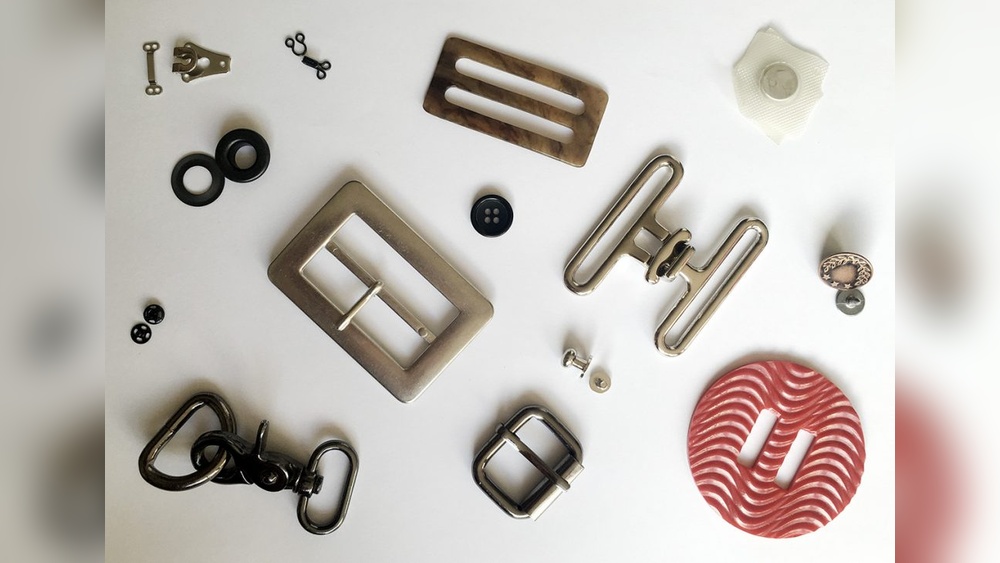
Fasteners are items that hold two or more parts together. Examples include screws, bolts, nuts, zippers, buttons, and clips. They create a secure connection to keep parts joined. Fasteners come in many shapes and sizes. They are used in clothing, machines, furniture, and more.
Purpose Of Closing Fasteners
Closing fasteners ensures safety and stability. It stops parts from moving or falling apart. Closed fasteners protect against injuries and damage. They keep items working as designed. Properly closed fasteners also improve the look and fit of products. This simple action helps extend the life of many items.
Types Of Fasteners
Fasteners are small devices that hold things together. They come in many shapes and sizes. Different fasteners suit different tasks. Knowing the types of fasteners helps understand what “close all fasteners” means. This phrase means to secure or tighten all these devices properly.
Screws And Bolts
Screws and bolts are common fasteners. They have threads that twist into materials. Screws often go directly into wood or plastic. Bolts usually need a nut to hold parts tightly. Both provide strong, lasting holds.
Nuts And Washers
Nuts and washers work with bolts. Nuts screw onto bolts to lock parts in place. Washers sit under nuts or bolt heads. They spread pressure and stop damage. Together, they keep connections firm and safe.
Clips And Clamps
Clips and clamps hold items without threads. Clips snap onto edges or holes. Clamps press parts together tightly. They are easy to open and close. These fasteners suit quick fixes or temporary holds.
Zippers And Buttons
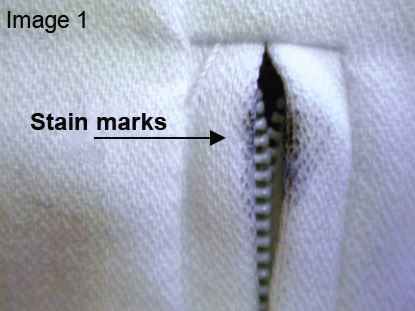
Zippers and buttons fasten clothes and bags. Zippers slide to join two edges. Buttons push through holes to close fabric. Both allow easy opening and closing. They keep items secure and neat.
Importance Of Closing Fasteners
Closing fasteners is a simple task with big effects. It helps keep things safe and strong. Tight fasteners hold parts together well. Loose fasteners can cause problems fast. Knowing why closing fasteners matters saves time and money. It also protects people and equipment.
Safety Considerations
Fasteners keep objects from moving or falling apart. Loose fasteners can cause accidents or injuries. Tight fasteners stop parts from slipping or detaching. This protects workers and users from harm. Checking fasteners regularly improves safety at work and home.
Maintaining Structural Integrity
Structures rely on fasteners for strength and stability. Closed fasteners hold beams, panels, and frames firmly. Loose fasteners weaken structures and cause wobbling. This can lead to cracks, breaks, or collapse. Properly closed fasteners keep everything solid and reliable.
Preventing Damage And Wear
Loose fasteners cause parts to rub or shake. This increases wear and damages materials over time. Tight fasteners reduce movement and friction. They help parts last longer and save repair costs. Closing fasteners protects tools, machines, and buildings from harm.

Credit: www.asce.org
Methods To Close Fasteners
Closing fasteners is a key step in many projects. It means making sure bolts, screws, or nuts are tight and secure. There are several ways to close fasteners, each suited to different needs. Understanding these methods helps ensure safety and durability.
The choice of method depends on the type of fastener, the material used, and the required strength. Let’s explore the common methods to close fasteners properly.
Manual Tightening Techniques
Manual tightening uses hand tools like screwdrivers or wrenches. It is simple and works well for small jobs. You can feel how tight the fastener is, reducing the risk of over-tightening. This method suits light materials and low-stress parts.
Start by turning the fastener slowly. Stop once it feels snug. Avoid forcing it too much to prevent damage. Manual tightening gives control but may not be enough for heavy-duty tasks.
Using Tools And Equipment
Power tools speed up closing fasteners. Electric drills and impact drivers apply force quickly and evenly. These tools are useful for large projects and tough materials. They save time and reduce hand fatigue.
Use the right bit size to avoid stripping the fastener head. Adjust the tool’s torque settings to avoid over-tightening. Proper tools improve efficiency and ensure a secure fit.
Torque Specifications
Torque specifications guide how tight a fastener should be. They are given in units like Newton-meters or foot-pounds. Following these ensures the fastener holds well without damage.
Use a torque wrench to measure the exact force applied. This is important in mechanical and automotive work. Correct torque prevents loosening and maintains safety.
Common Mistakes And How To Avoid Them
Close all fasteners correctly to keep things safe and working well. Many people make simple errors that cause problems. Learning common mistakes helps avoid damage and saves time. Follow these tips to tighten fasteners the right way.
Overtightening
Too much force breaks threads or bends parts. It can also cause fasteners to snap. Use a torque wrench to apply the right pressure. Stop tightening once you feel resistance. Avoid guessing how tight is enough.
Undertightening
Loose fasteners can come off or cause leaks. This leads to unsafe or faulty equipment. Check the torque specs for each fastener. Tighten until the recommended value is reached. Double-check all fasteners before finishing your work.
Ignoring Manufacturer Guidelines
Every product has specific instructions for fasteners. Ignoring these rules risks damage and voids warranties. Read the manual before starting your task. Follow exact torque values and sequences given. This protects your tools and ensures safety.
Fastener Maintenance Tips
Proper care of fasteners ensures safety and durability in any project. Fastener maintenance helps avoid loose parts and unexpected failures. Simple steps keep fasteners in good condition for longer use.
Regular Inspection
Check fasteners often for signs of wear or damage. Look for rust, cracks, or bent parts. Tighten any loose fasteners immediately to prevent accidents. Regular checks catch problems early and save time.
Lubrication Practices
Apply a small amount of oil or grease to metal fasteners. Lubrication reduces friction and prevents rust. Avoid over-lubricating, which can attract dirt and dust. Use the right lubricant for each fastener type.
Replacement Indicators
Replace fasteners that show heavy rust or damage. Bent or stripped fasteners lose their grip and should be changed. Use new fasteners that match the original size and type. Timely replacement keeps structures safe and strong.
Applications Of Closed Fasteners
Closed fasteners are small but vital parts used to join materials tightly. They help keep things secure and stable. Many industries rely on these fasteners for safety and strength. Their applications vary widely, from vehicles to buildings to clothing. Understanding where closed fasteners are used shows their importance in daily life.
Automotive Industry
Closed fasteners hold car parts together firmly. They secure engine components, body panels, and interior parts. These fasteners prevent vibration and loosening during driving. Safety depends on strong, reliable fasteners in vehicles. They also make repairs easier by keeping parts aligned.
Construction And Engineering
Buildings use closed fasteners to join beams and panels. They ensure structures stay stable under pressure and weather. Fasteners connect metal frames, wooden parts, and concrete forms. Engineers trust them to maintain strength over time. Closed fasteners help keep homes, bridges, and towers safe.
Clothing And Accessories
Fasteners like buttons and snaps close clothes securely. They hold fabric layers and adjust fit. Accessories such as bags and shoes also use these fasteners. They combine function with style in everyday wear. Closed fasteners make dressing easy and reliable.

Credit: www.gluegun.com
Frequently Asked Questions
What Does “close All Fasteners” Mean In Construction?
“Close all fasteners” means fully tightening screws, bolts, or nails. It ensures structural stability and safety. Properly closed fasteners prevent loosening and damage over time.
Why Is Closing All Fasteners Important?
Closing all fasteners secures components tightly, preventing movement or failure. It enhances durability and safety in assemblies. Proper fastening reduces maintenance and repair costs.
How Do You Know When Fasteners Are Fully Closed?
Fasteners are fully closed when they are tight and flush with the surface. Use a torque wrench or proper tools for accuracy. Avoid overtightening to prevent damage.
Can Leaving Fasteners Open Cause Problems?
Yes, open fasteners can cause instability, leaks, or structural failure. They may loosen due to vibration or stress. Closing fasteners properly avoids these risks.
Conclusion
Closing all fasteners means securing every bolt and screw tightly. This step ensures safety and prevents parts from coming loose. It helps machines and structures work well and last longer. Always follow instructions for the right order and tightness. Remember, careful fastening saves time and avoids problems later.
Understanding this simple action makes your work safer and more reliable.