Have you ever faced the frustration of trying to remove a stubborn fastener? Whether it’s a screw, bolt, or nail, getting it out can sometimes feel impossible.
But don’t worry—removing fasteners doesn’t have to be a headache. You’ll discover simple, effective methods that make the job easier and save you time. By the end, you’ll have the confidence to tackle any fastener with the right tools and techniques.
Ready to get started? Let’s dive in!
Types Of Fasteners
Fasteners hold things together. They come in many forms. Knowing the types helps you remove them safely and easily.
Different fasteners need different tools and methods. Some are easy to spot. Others hide beneath surfaces. Understanding these types saves time and effort.
Screws And Bolts
Screws have spiral threads. They dig into wood, metal, or plastic. A screwdriver or wrench removes them. Bolts are thicker and need a nut to hold tight. Use a wrench or socket to loosen bolts. Both can be reused after removal.
Nails And Pins
Nails are smooth or ridged metal rods. They push into wood and hold by friction. A claw hammer or pry bar pulls nails out. Pins are smaller and often hold fabric or small parts. Tweezers or pliers work well for pins. Nails usually bend during removal and may not reuse well.
Clips And Rivets
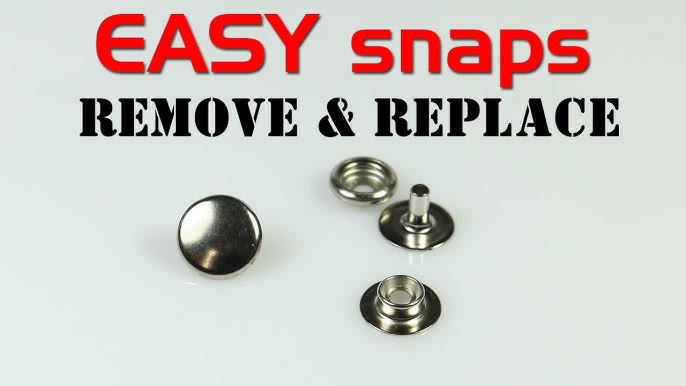
Clips snap parts together without screws. Use pliers or a flat tool to pry them off. Rivets are metal pins that hold parts permanently. Drilling out rivets is often necessary. Some rivets cannot be reused and need replacement after removal.
Credit: www.youtube.com
Tools Needed
Removing a fastener requires the right tools. Using the correct tools makes the job easier and prevents damage. This section explains essential tools for fastener removal. These tools help you work safely and efficiently.
Screwdrivers And Wrenches
Screwdrivers come in many types, like flathead and Phillips. Choose the right size to fit the screw head. Wrenches are for bolts and nuts. Adjustable wrenches fit different sizes. Using the correct screwdriver or wrench prevents stripping or rounding fasteners.
Pliers And Cutters
Pliers grip and twist fasteners that are hard to turn. Needle-nose pliers reach tight spaces. Locking pliers hold parts firmly. Cutters trim wires or remove damaged fasteners. These tools add extra control and force when needed.
Specialty Removal Tools
Some fasteners need special tools. Extractors remove stripped screws and bolts. Socket sets fit various fastener heads. Impact drivers provide extra power for stuck fasteners. Using specialty tools solves tough removal problems easily.
Preparation Tips
Preparing to remove a fastener is an important step. Good preparation makes the task easier and safer. Taking time to prepare helps avoid damage to the fastener and the surrounding material.
Safety Precautions
Wear safety goggles to protect your eyes from debris. Use gloves to avoid cuts or scrapes. Ensure your work area is well-lit and clean. Keep tools in good condition to prevent accidents. Stand in a stable position to maintain balance.
Cleaning The Fastener Area
Remove dirt, grease, and rust around the fastener. Use a wire brush or cloth for cleaning. This helps tools grip the fastener better. Clean areas reduce slipping and stripping. Clear space allows better access to the fastener.
Assessing The Fastener Condition
Check if the fastener is rusted or damaged. Look for stripped or rounded edges. Decide if you need special tools for removal. Assessing condition helps plan the right approach. It prevents further damage and saves time.
Step-by-step Removal
Removing fasteners can be simple with the right steps. Follow this guide to take out screws, nails, and clips safely. Each fastener type needs a different method. Use the correct tools to avoid damage.
Loosening Screws And Bolts
Choose the correct screwdriver or wrench size. Turn the tool slowly to avoid stripping the head. If the fastener is stuck, apply a little oil to loosen it. Keep steady pressure while turning. Remove the screw or bolt completely before moving on.
Pulling Nails And Pins
Use a claw hammer or nail puller for nails. Place the tool under the nail head carefully. Rock the tool back and forth to loosen the nail. Pull the nail out gently to avoid breaking it. For pins, use pliers to grip and pull them straight out.
Removing Clips And Rivets
Use a flathead screwdriver to pry clips gently. Insert the tool under the clip edge and lift slowly. For rivets, drill the center carefully to remove the head. After the head is gone, push out the remaining part. Wear safety glasses to protect your eyes during this step.
Dealing With Stuck Fasteners
Removing a stuck fastener can be frustrating. Rust, dirt, or tight threads often cause the problem. Patience and the right methods help free the fastener without damage. Try these simple steps to handle stuck fasteners safely and effectively.
Using Lubricants
Apply a lubricant to the stuck fastener. Penetrating oils work best to loosen rust and dirt. Spray or drip the lubricant around the fastener’s threads. Let it sit for 10 to 15 minutes. This softens the rust and reduces friction. Then, try turning the fastener again with the right tool.
Applying Heat
Heat can expand the metal and break the bond. Use a heat gun or a small torch carefully on the fastener. Heat the fastener for a few minutes but avoid overheating nearby parts. After heating, try to turn the fastener while it is still warm. Heat helps loosen rust and makes removal easier.
Tapping And Gentle Force
Light tapping can help break rust inside the threads. Use a hammer and gently tap the fastener or the surrounding area. This vibration loosens rust and dirt. Then, use a wrench or pliers to turn the fastener slowly. Avoid using too much force to prevent damage.
Preventing Damage
Removing a fastener without causing damage takes care and the right approach. Damage can make the project harder and cost more time and money. Protecting the material around the fastener and the fastener itself is key. Using the right tools also helps keep everything safe and in good shape.
Protecting Surrounding Material
Cover the area around the fastener before starting. Use tape or a cloth to stop scratches and dents. Work slowly to avoid slipping and hitting nearby surfaces. Keep tools steady and steady your hands to control movement.
Avoiding Stripped Heads
Stripped fastener heads make removal hard or impossible. Choose the correct screwdriver or bit size for a tight fit. Press down firmly while turning. Turn slowly to keep the tool engaged with the head.
Proper Tool Usage
Pick tools made for the fastener type. Power tools need careful speed control to avoid damage. Use manual tools for better control on tight or delicate spots. Check tools for wear and tear before use to ensure good grip and function.
Fastener Disposal And Recycling
Removing fasteners creates waste that needs proper handling. Fastener disposal and recycling protect the environment and save resources. Separating materials and choosing safe disposal methods reduce pollution. Recycling fasteners helps reuse metals and lowers landfill waste.
Sorting Materials
Sort fasteners by type and material before disposal. Separate metals like steel, aluminum, and brass. Plastic fasteners go in a different bin. Sorting helps recycling centers process materials better. Clean fasteners from dirt or grease for easier recycling.
Safe Disposal Methods
Dispose of fasteners safely to avoid injury and pollution. Use containers with lids to hold sharp fasteners. Do not throw fasteners in regular trash bins. Check local rules for hazardous waste or metal recycling. Drop off fasteners at designated recycling or waste centers.
Recycling Tips
Collect fasteners in a box or jar for recycling. Avoid mixing them with other trash or materials. Bring them to scrap metal dealers or recycling programs. Small fasteners add up and make a difference. Recycling saves energy and reduces new metal mining.

Credit: www.novafabrication.com

Credit: diy.stackexchange.com
Frequently Asked Questions
What Tools Do I Need To Remove A Fastener?
You need a screwdriver, wrench, pliers, or socket set depending on the fastener type. Choose the correct size for an easy removal.
How Can I Safely Remove A Stuck Fastener?
Apply penetrating oil and let it sit for 10-15 minutes. Use steady pressure and avoid forcing to prevent damage.
Can I Remove A Fastener Without Damaging The Surface?
Yes, use the right tools and apply gentle pressure. Protect surfaces with cloth or tape to avoid scratches.
How Do I Remove A Stripped Fastener?
Use a rubber band for grip or a specialized extractor tool. Applying heat can also help loosen the fastener.
Conclusion
Removing a fastener can be simple with the right tools and steps. Always choose the correct tool to avoid damage. Take your time and work carefully to prevent injury. Clean the area around the fastener before starting. If stuck, try gentle tapping or applying lubricant.
Practice makes the process easier and faster. Keep these tips in mind for safe and smooth removal.