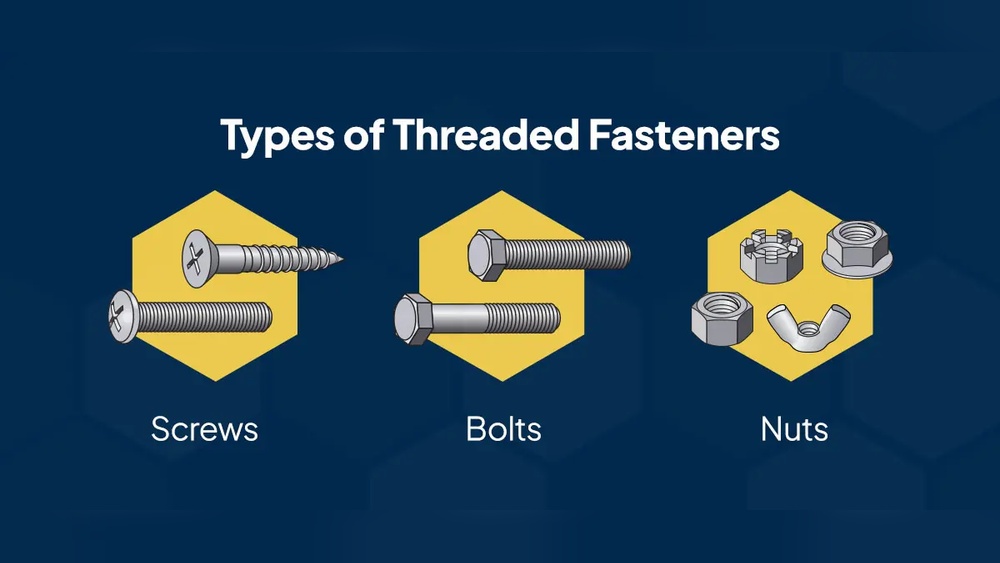
Choosing the right fasteners for Tyvek can make all the difference in your project’s success. You want something that holds strong without damaging the material.
But with so many options out there, how do you know which fasteners work best? You’ll discover the simple secrets to picking fasteners that keep your Tyvek secure and lasting longer. Keep reading to find out exactly what you need to make your job easier and your results better.
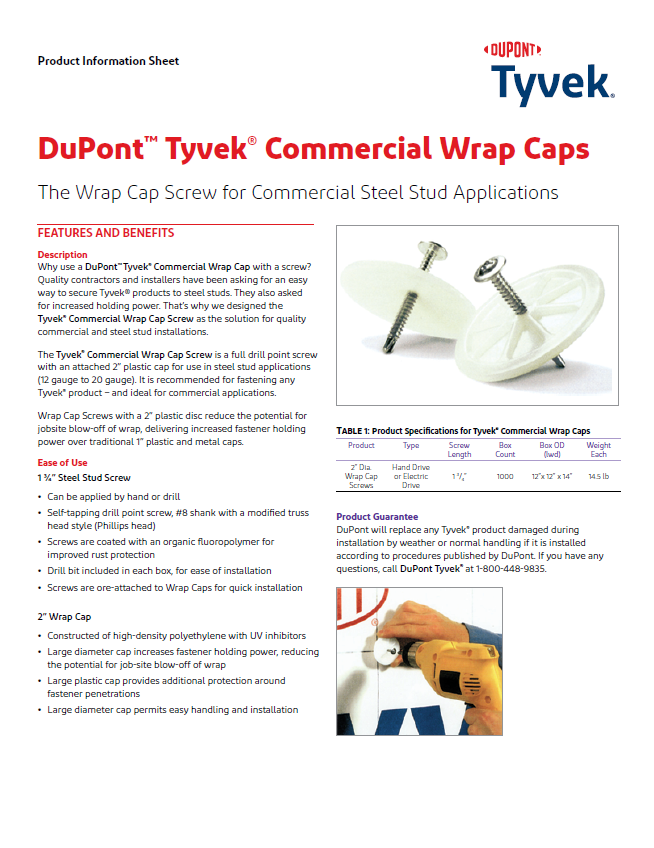
Credit: www.parksite.com
Types Of Fasteners Compatible With Tyvek
Choosing the right fasteners is important when working with Tyvek. Tyvek is a delicate material that needs secure attachment without damage. Using the correct fasteners helps keep Tyvek in place and protects your building from moisture and air leaks. Below are common types of fasteners that work well with Tyvek.
Nails
Nails are a simple and popular choice for attaching Tyvek. Use nails with smooth shanks to avoid tearing. Galvanized or stainless steel nails resist rust and last longer. Avoid large or heavy nails that may damage the Tyvek surface.
Staples
Staples work well for fastening Tyvek to wood framing. Choose staples with wide crowns to hold the material firmly. Use staples made of corrosion-resistant metal. Place staples close together but avoid overcrowding to prevent ripping.
Screws
Screws offer a strong hold for Tyvek, especially on tougher surfaces. Use screws with washers to spread pressure and protect the material. Select screws made of rust-resistant metal to ensure durability. Pre-drill holes if needed to avoid tearing Tyvek.
Cap Nails And Cap Staples
Cap nails and cap staples have plastic or metal caps that protect Tyvek. The caps spread out pressure and stop fasteners from pulling through. These fasteners are great for windy or high-stress areas. Use cap fasteners for the best hold without damage.
Materials Suitable For Fasteners
Choosing the right fasteners for Tyvek is important for strong and lasting installation. Fasteners must hold well without damaging the material. They should resist rust and stay secure in outdoor conditions. Some materials work better than others with Tyvek sheets.
Galvanized Steel
Galvanized steel fasteners have a protective zinc coating. This coating stops rust and corrosion. They offer good strength and durability. They work well in most weather conditions. Galvanized steel is cost-effective and widely available. These fasteners are suitable for Tyvek wraps on walls and roofs.
Stainless Steel
Stainless steel fasteners resist rust better than galvanized steel. They last longer in harsh environments. Stainless steel is ideal for coastal or wet areas. These fasteners keep the Tyvek material secure without staining it. Though more expensive, they provide high durability and strength.
Plastic Caps
Plastic caps are often used with nails or screws. They spread out pressure on Tyvek, preventing tears. These caps help keep the material tight and smooth. Plastic caps resist moisture and UV damage. Using them reduces damage around the fastener holes. They improve the lifespan of Tyvek installations.
Choosing Fasteners Based On Application
Choosing the right fasteners for Tyvek depends on where you use it. Different applications need different types of fasteners to hold Tyvek properly. Using the correct fastener improves durability and keeps the material secure.
Consider the surface and weather conditions for each application. Fasteners must resist rust and hold firmly without damaging Tyvek. The right choice helps the barrier work well and last longer.
Wall Wrap Installation
For wall wrap, use cap nails or staples with wide heads. These spread pressure to avoid tearing Tyvek. Stainless steel or galvanized fasteners resist rust over time. Space fasteners about every 12 inches for strong attachment.
Roofing Underlayment
Roofing needs fasteners that can handle wind and rain. Use roofing nails with plastic or metal caps. These caps hold Tyvek down tightly and prevent water from seeping in. Choose corrosion-resistant nails to avoid rust damage.
Window And Door Flashing
Fasteners for flashing must be small but strong. Use roofing nails or screws with washers to hold Tyvek around openings. Washers stop the fastener from pulling through the material. Pick rust-proof fasteners to keep seals tight and dry.
Fastener Size And Length Recommendations
Choosing the right fastener size and length is key for securing Tyvek properly. Using correct dimensions helps keep the material tight and prevents damage. This section explains the best sizes for nails, staples, and screws when working with Tyvek.
Optimal Nail Lengths
Nails should be long enough to hold Tyvek firmly. Usually, 1¼ to 1½ inches works best. These lengths anchor the material without tearing it. Avoid nails that are too short or too long to stop damage and ensure a strong hold.
Staple Sizes
Staples must be wide and long enough to grip Tyvek securely. Typically, ½ inch crown staples with ¾ to 1 inch leg length fit well. This size prevents tearing and holds the wrap flat against the surface. Smaller staples may not hold, and larger ones can cause rips.
Screw Dimensions
Screws need to be compatible with Tyvek and the surface beneath. Use screws around 1½ inches long with a wide head to avoid cutting the wrap. Coarse threads work best for wood surfaces. Proper screw size ensures strong attachment without harming Tyvek.
Best Practices For Fastening Tyvek
Fastening Tyvek correctly is key to its performance. Proper fasteners keep Tyvek secure and protect its barrier properties. Using the right methods helps avoid tears and gaps. These best practices ensure Tyvek works as intended in your building project.
Spacing And Placement
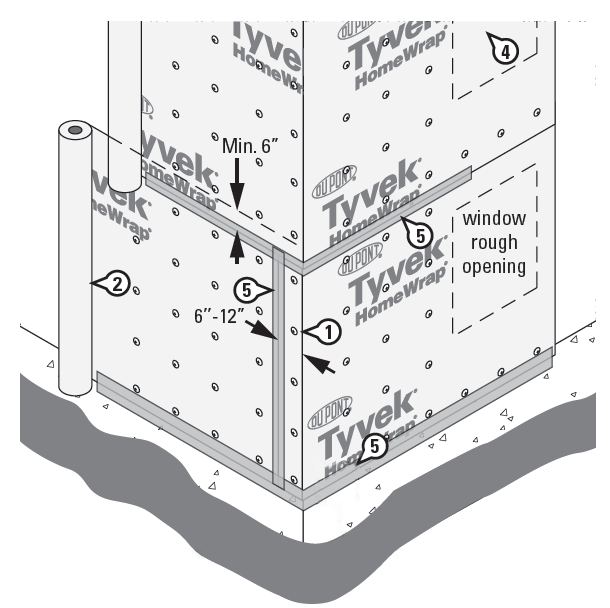
Place fasteners evenly to prevent sagging or bulging. Space nails or staples about 6 to 12 inches apart. Secure edges and corners firmly to stop wind from lifting the material. Avoid placing fasteners too close to the edge to reduce tearing risk.
Avoiding Damage To Tyvek
Use fasteners with smooth heads to protect Tyvek’s surface. Avoid sharp or rough fasteners that can puncture or tear the material. Drive nails or staples straight, not at an angle. Handle Tyvek gently during installation to keep it intact.
Ensuring Airtight Seals
Fasten Tyvek tightly but do not stretch it. Stretching can cause holes or gaps in the barrier. Overlapping sheets by at least 6 inches helps create a seal. Use proper tapes or adhesives on overlaps for extra airtight protection.
Credit: www.diyhomecenter.com
Common Mistakes To Avoid
Choosing the right fasteners for Tyvek is important. Mistakes can cause damage or reduce its effectiveness. Avoid these common errors to ensure Tyvek works as it should. Proper fastener use improves insulation and prevents moisture problems.
Using Incompatible Fasteners
Not all fasteners work with Tyvek. Avoid nails or screws that rust easily. Rust stains can damage the material and reduce its lifespan. Use corrosion-resistant fasteners like stainless steel or coated nails. These protect Tyvek and keep it secure for years.
Overdriving Fasteners
Driving fasteners too deep can tear Tyvek. This creates holes that let air and water pass through. Fasteners should hold Tyvek firmly without stretching or ripping it. Stop once the fastener is flush with the surface. This keeps the barrier intact and working well.
Ignoring Manufacturer Guidelines
Tyvek comes with clear instructions for fastening. Ignoring these can cause poor installation. Follow the specific fastener type, size, and spacing recommended. This ensures the material performs at its best. Manufacturer advice helps avoid common installation problems.
Tools For Installing Fasteners On Tyvek
Installing fasteners on Tyvek requires the right tools to ensure a secure and clean attachment. Choosing proper tools helps protect the Tyvek wrap and maintain its weather-resistant properties. The tools must work well with the fasteners and make the job easier and faster.
Nail Guns
Nail guns speed up the fastening process and offer consistent results. They work well with cap nails designed for Tyvek. Using a nail gun reduces hand fatigue and keeps fasteners evenly spaced. Be careful to set the right depth to avoid tearing the Tyvek wrap.
Staple Guns
Staple guns are a popular choice for attaching Tyvek to wooden frames. They provide good holding power with wide crown staples. Manual and pneumatic staple guns are available depending on the project size. Proper staple length prevents damage while securing the wrap firmly.
Hand Tools
Hand tools like hammer and nails remain useful for small jobs or touch-ups. Choose corrosion-resistant nails with plastic caps to protect Tyvek. Hand tools give precise control but take more time and effort. They are ideal for tight spots where power tools cannot reach.
Maintenance And Inspection Tips
Proper maintenance and regular inspection keep Tyvek fasteners effective. They help avoid damage to the building and keep moisture out. Regular checks catch problems early and extend the life of the fasteners.
Checking Fastener Integrity
Inspect fasteners for rust, looseness, or damage. Look closely at the heads and shafts. Tighten any loose fasteners gently. Replace fasteners that show signs of corrosion or wear. Strong, secure fasteners keep Tyvek in place and protect the structure.
Replacing Damaged Fasteners
Remove old or broken fasteners carefully. Use the same type and size for replacements. Avoid over-tightening new fasteners, which can tear the Tyvek. Check that new fasteners hold firmly without damaging the material. Timely replacements prevent water leaks and air gaps.
Preventing Moisture Intrusion
Ensure all fasteners seal tightly against the Tyvek surface. Use washers or caps designed for moisture protection. Avoid leaving gaps around fasteners where water can enter. Regularly inspect for signs of water damage near fasteners. Proper sealing keeps the building dry and safe.

Credit: www.stingerworld.com
Frequently Asked Questions
What Fasteners Work Best With Tyvek House Wrap?
Plastic cap nails and corrosion-resistant staples work best with Tyvek. They secure the wrap without tearing it. Use fasteners designed for weather-resistant barriers to maintain Tyvek’s integrity and weather protection.
Can You Use Regular Nails On Tyvek?
Regular nails may damage Tyvek, causing leaks. Instead, use fasteners with plastic caps or wide heads. These distribute pressure and prevent tearing, ensuring Tyvek performs as intended.
How Far Apart Should Tyvek Fasteners Be Placed?
Place fasteners every 12 to 18 inches along Tyvek seams and edges. This spacing secures the wrap firmly while allowing for expansion and contraction. Proper spacing prevents wind damage and maintains weather resistance.
Are Staples Suitable For Fastening Tyvek?
Yes, corrosion-resistant staples can secure Tyvek effectively. Use wide crown staples to avoid tearing the material. Ensure staples penetrate framing adequately for a strong hold.
Conclusion
Choosing the right fasteners ensures Tyvek stays secure and effective. Nails and staples work well but pick corrosion-resistant types. Screws offer strong holding power for heavy tasks. Avoid fasteners that damage or tear the material. Proper installation helps Tyvek protect against moisture and air leaks.
Use recommended fasteners to keep your building safe and dry. Small details matter for long-lasting results. Trust simple, proven fasteners for best performance.