If you want to get your fastening jobs done quickly and with precision, the Dewalt P1000 Fastening Tool is a game-changer. But how do you make the most of it?
Whether you’re a DIY enthusiast or a professional, knowing how to use this tool correctly can save you time, effort, and frustration. You’ll discover simple, step-by-step instructions that will help you handle your Dewalt P1000 like a pro. Keep reading to unlock tips that will boost your efficiency and make every project smoother.
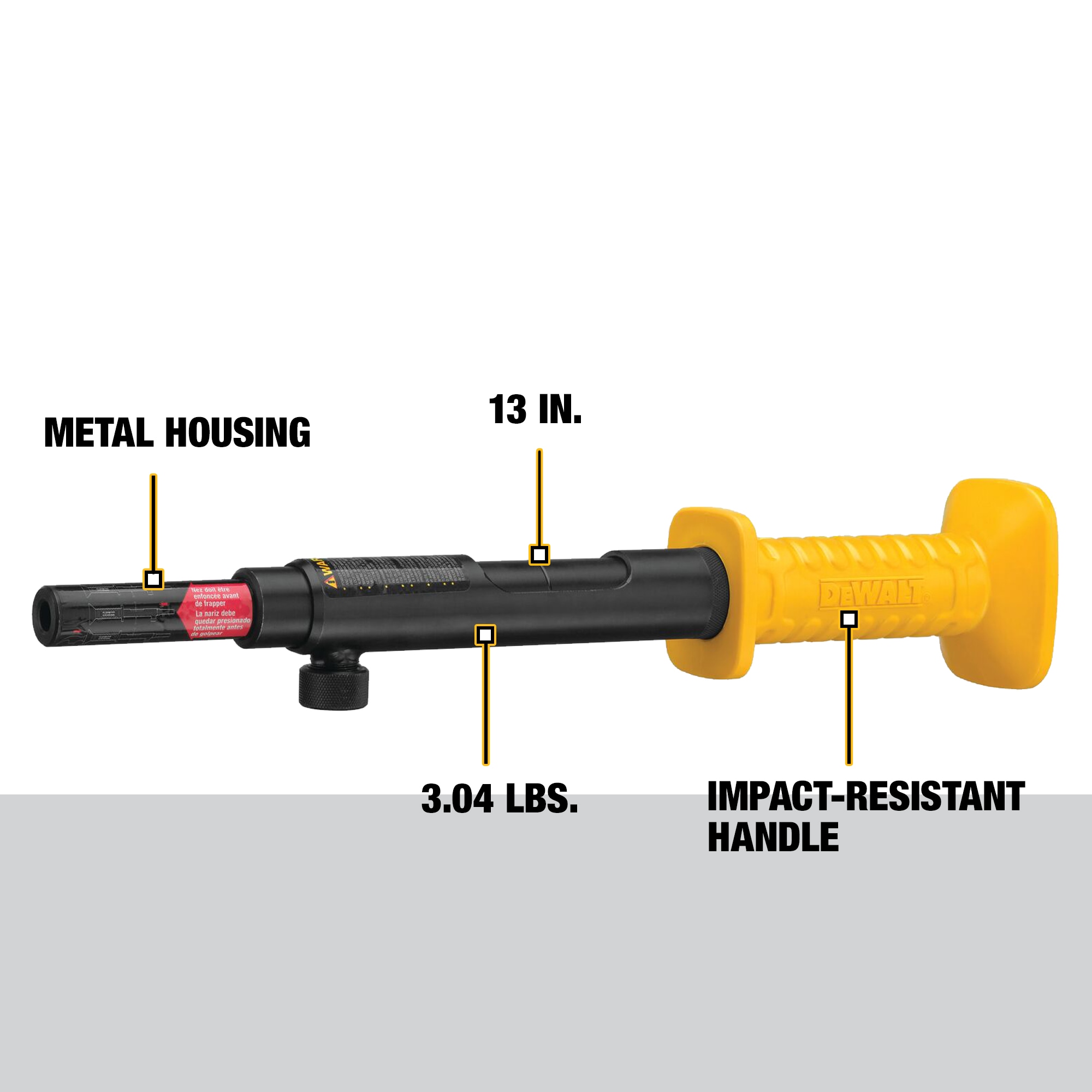
Credit: www.lowes.com
Dewalt P1000 Features
The Dewalt P1000 fastening tool is built to deliver strong and reliable performance. It offers features that help both professionals and DIY users work efficiently. Understanding these features helps you use the tool safely and effectively. Below, we explore the main features of the Dewalt P1000.
Design And Build
The Dewalt P1000 has a compact and lightweight design. This makes it easy to hold and control during use. The body is made from tough materials to resist wear and tear. Its ergonomic handle reduces hand fatigue. The tool’s shape helps reach tight spaces comfortably. It also has a balanced weight for better stability.
Key Specifications
The tool runs on a powerful motor for fast fastening. It can drive nails or fasteners up to a specific size. The P1000 offers adjustable depth control for precise work. It uses a simple trigger system for easy operation. The tool works with standard fastener magazines. Battery life is optimized for longer work periods.
Safety Mechanisms
The Dewalt P1000 includes important safety features. A safety lock prevents accidental firing. It has a contact trip mechanism that activates only when pressed firmly. The tool also has a built-in guard to protect fingers. Overload protection stops the motor if it overheats. These features help keep users safe during jobs.
Preparing The Tool
Preparing the Dewalt P1000 fastening tool is the first step to effective work. This process ensures the tool works smoothly and safely. A well-prepared tool reduces errors and speeds up your tasks. Focus on three key areas: loading fasteners, setting up the power source, and calibrating the tool. Each step is simple but important. Follow these instructions carefully to get started.
Loading Fasteners
Start by opening the fastener magazine. Check the type and size of fasteners recommended for your project. Insert the fasteners firmly into the magazine. Do not overload it; this can cause jams. Close the magazine securely to avoid fasteners falling out. Make sure fasteners move freely inside the magazine before using the tool.
Power Source Setup
The Dewalt P1000 uses a battery or an air compressor, depending on the model. Insert a fully charged battery in the battery slot. If your model uses an air compressor, connect the hose tightly to the tool’s air inlet. Check for any leaks or loose connections. Turn on the power source and test the tool briefly. This confirms the tool has enough power for operation.
Tool Calibration
Calibration adjusts the tool to deliver the right force for fastening. Locate the adjustment dial or setting on your Dewalt P1000. Set it according to the material you will work with. Softer materials need less force, harder materials need more. Test the tool on a scrap piece of material. Adjust the settings if the fasteners are not secure or are damaging the material. Repeat testing until results are consistent and safe.
Basic Operation
The basic operation of the Dewalt P1000 fastening tool is straightforward. This tool helps you fasten screws quickly and with less effort. Understanding how to start, stop, and hold it correctly will improve your work quality.
The tool is designed for ease of use. Even beginners can handle it with minimal training. Knowing common usage scenarios makes your work faster and safer.
Starting And Stopping
To start the Dewalt P1000, press the trigger gently. The tool will begin driving screws immediately. Release the trigger to stop the tool. Always wait for the tool to stop completely before setting it down. This prevents accidents and tool damage.
Proper Handling Techniques
Hold the tool firmly with both hands. Keep your wrist straight to reduce strain. Position the tool perpendicular to the surface. This ensures screws go in straight. Avoid forcing the tool. Let it work at its own speed for best results.
Common Usage Scenarios
The Dewalt P1000 works well for drywall, wood, and metal fastening. It’s great for large projects like building walls or furniture. Use it for quick repairs around the house too. Its compact design fits tight spaces easily. This makes it useful in many work environments.
Credit: powersmilesdental.com
Advanced Techniques
The Dewalt P1000 fastening tool offers more than basic operation. Advanced techniques help improve your work quality and speed. Understanding these methods lets you use the tool more effectively. This section explores key advanced tips for better results.
Adjusting Fastening Depth
Setting the correct fastening depth ensures strong, neat joints. Turn the depth adjustment knob to change the drive length. Test on scrap wood to find the perfect depth. Proper depth avoids damage and leaves no marks on the surface. Check the setting regularly during long projects.
Working With Different Materials
The P1000 works on wood, drywall, and metal. Each material needs a specific nail or screw type. Use slower speed settings for harder materials. Hold the tool steady and apply firm pressure. Adjust the fastening depth for thin or soft materials. This prevents splitting and ensures firm fastening.
Maximizing Efficiency
Organize your workspace for quick tool access. Keep nails or fasteners loaded before starting. Use the sequential mode for precise and controlled fastening. The bump mode speeds up work but needs practice. Clean the tool regularly to avoid jams and delays. Small steps save time and boost productivity.
Maintenance Tips
Proper maintenance of your Dewalt P1000 fastening tool ensures it works well for a long time. Regular care prevents breakdowns and keeps the tool safe to use. Follow these simple tips to keep your tool in top shape.
Cleaning The Tool
Remove dust and debris after each use. Use a dry cloth to wipe the tool’s surface. Avoid water or harsh chemicals that can damage parts. Clean the air vents with a small brush. Keep the fastening area free of dirt for smooth operation.
Troubleshooting Issues
Check the battery if the tool won’t start. Ensure nails or fasteners are loaded correctly. Look for jams and clear them carefully. Tighten loose screws or parts to avoid problems. If the tool still does not work, consult the user manual for fixes.
Storage Recommendations
Store the tool in a dry, cool place. Keep it away from moisture and dust. Use the original case for better protection. Remove the battery before long storage periods. Proper storage extends the tool’s life and performance.
Safety Best Practices
Using the Dewalt P1000 fastening tool safely protects you and others. Following safety best practices helps avoid accidents and injuries. This section covers key safety tips for safe tool operation.
Protective Gear
Always wear safety glasses to protect your eyes from flying debris. Use ear protection to reduce noise exposure. Wear gloves to keep your hands safe from sharp materials. Choose sturdy shoes to protect your feet from dropped objects. Avoid loose clothing that can get caught in the tool.
Avoiding Common Hazards
Keep your work area clean and free of clutter. Check the tool for damage before use. Never point the tool at yourself or others. Use the tool only for its intended purpose. Stay alert and avoid distractions while operating the tool.
Emergency Procedures
Know how to quickly turn off the tool in an emergency. Keep a first aid kit nearby for minor injuries. Have emergency contact numbers accessible at the worksite. Report any accidents to your supervisor immediately. Learn basic first aid to handle common injuries.
Troubleshooting Common Problems
Troubleshooting common problems with the Dewalt P1000 fastening tool helps keep your work smooth. Understanding these issues saves time and frustration. This section covers three main problems you may face.
Misfires And Jams
Misfires happen when the tool does not fire a fastener correctly. Dirt or debris in the magazine often causes jams. Clean the magazine regularly to avoid this. Check for bent or damaged fasteners as well. Always use the right fasteners for your project to prevent jams.
Power Issues
If the tool does not power on, check the battery first. Make sure it is fully charged and properly connected. Inspect the power switch for damage or dirt. If the tool still won’t start, try a different battery. Keep the battery contacts clean for better connection.
Fastener Compatibility
Using the wrong fasteners can damage the tool or cause poor results. Always match the fastener size and type with the tool’s specifications. Avoid fasteners that are too long or too short. Using compatible fasteners ensures smooth operation and lasting tool life.
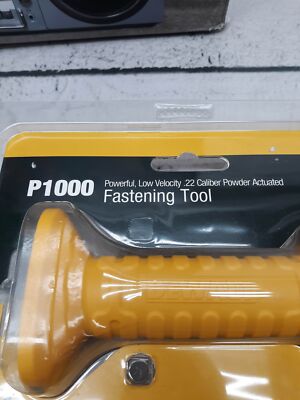
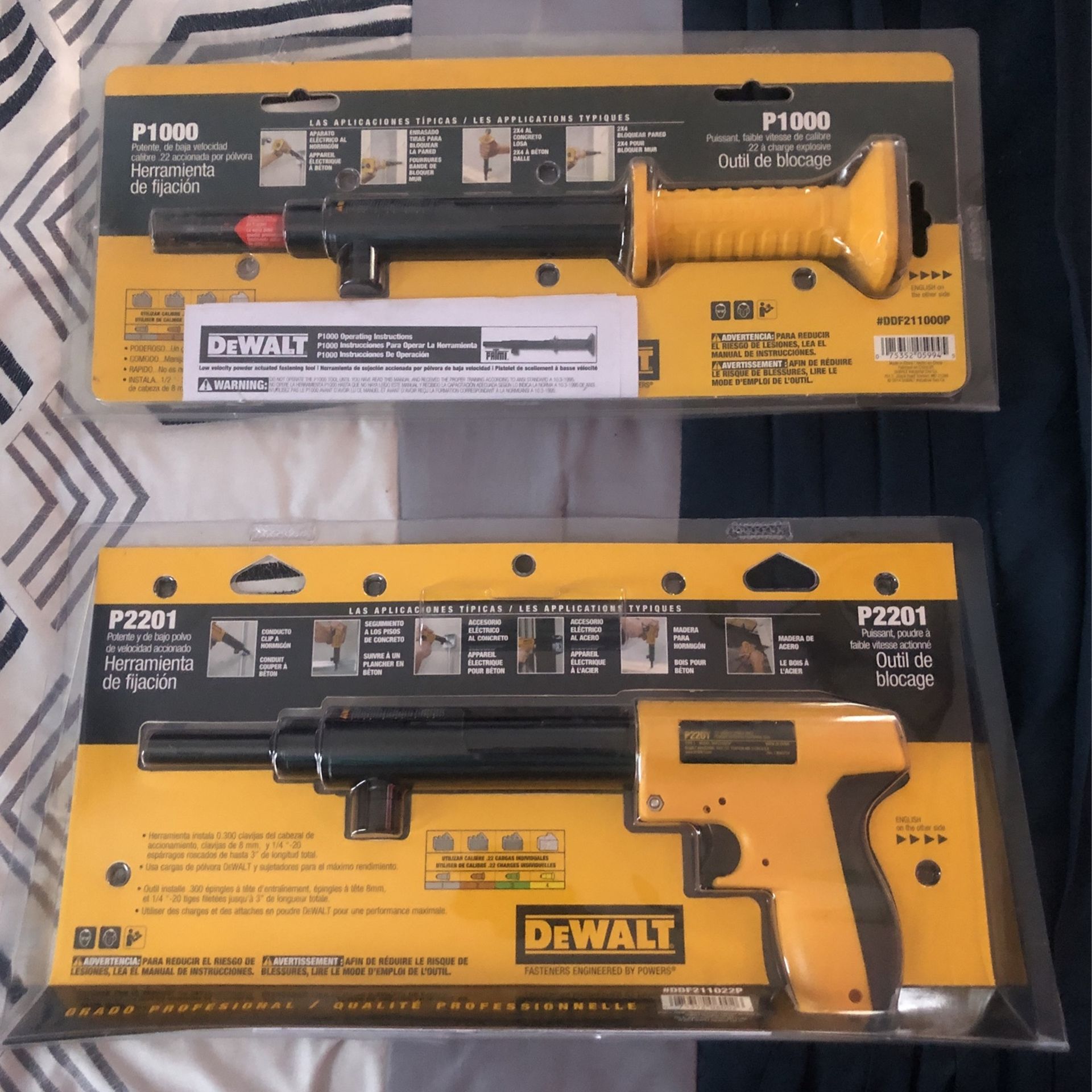
Credit: www.ebay.com
Frequently Asked Questions
What Materials Work Best With Dewalt P1000?
The Dewalt P1000 works efficiently with wood, drywall, and metal studs. It is ideal for fastening tasks on these surfaces. Using the correct fasteners enhances performance and ensures secure installation.
How To Load Fasteners In Dewalt P1000?
To load fasteners, open the magazine by pressing the release latch. Insert the strip of fasteners properly, then close the magazine until it locks. Always check alignment to prevent jamming.
What Safety Precautions Should I Follow?
Wear safety goggles and ear protection while using the tool. Keep hands clear of the fastening area. Always disconnect power before maintenance or clearing jams.
How Do I Maintain Dewalt P1000 For Longevity?
Regularly clean the magazine and nosepiece to remove debris. Lubricate moving parts as recommended in the manual. Store the tool in a dry, secure place after use.
Conclusion
The Dewalt P1000 fastening tool works well for many tasks. It saves time and effort on jobs. Using it safely helps you get the best results. Keep the tool clean and check it often. Practice a bit to feel more confident.
This tool fits well in homes and workshops. Try it step by step and see the difference. Simple, strong, and easy to use.