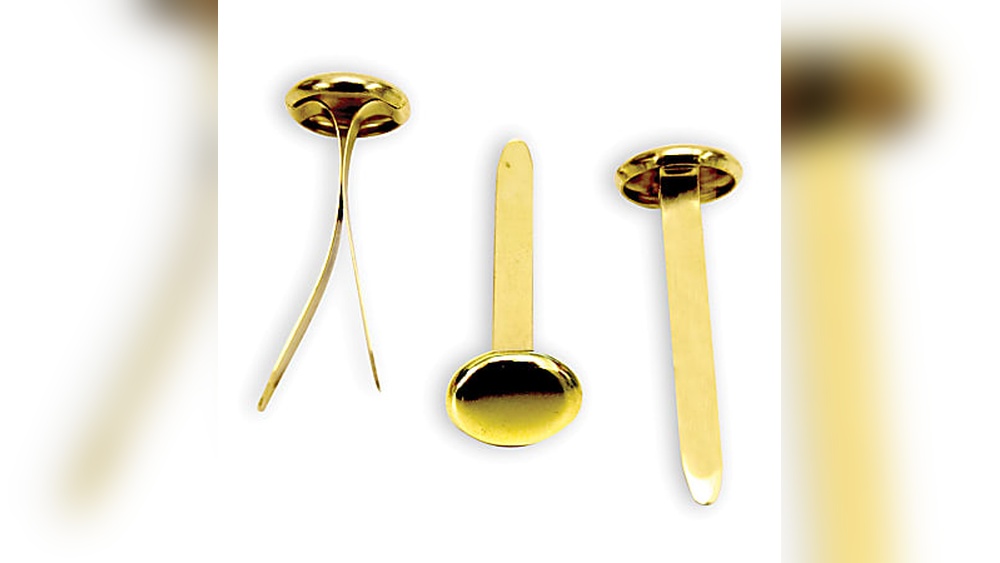
Have you ever wondered if a simple brass paper fastener can conduct electricity? You might think it’s just a small office supply, but understanding whether it carries electrical current could be more important than you realize.
Whether you’re working on a school project, fixing a gadget, or just curious about everyday materials, knowing how brass behaves can save you time and trouble. Keep reading to discover the surprising truth about brass paper fasteners and their role in conducting electricity.
This insight could change the way you think about common items around you.
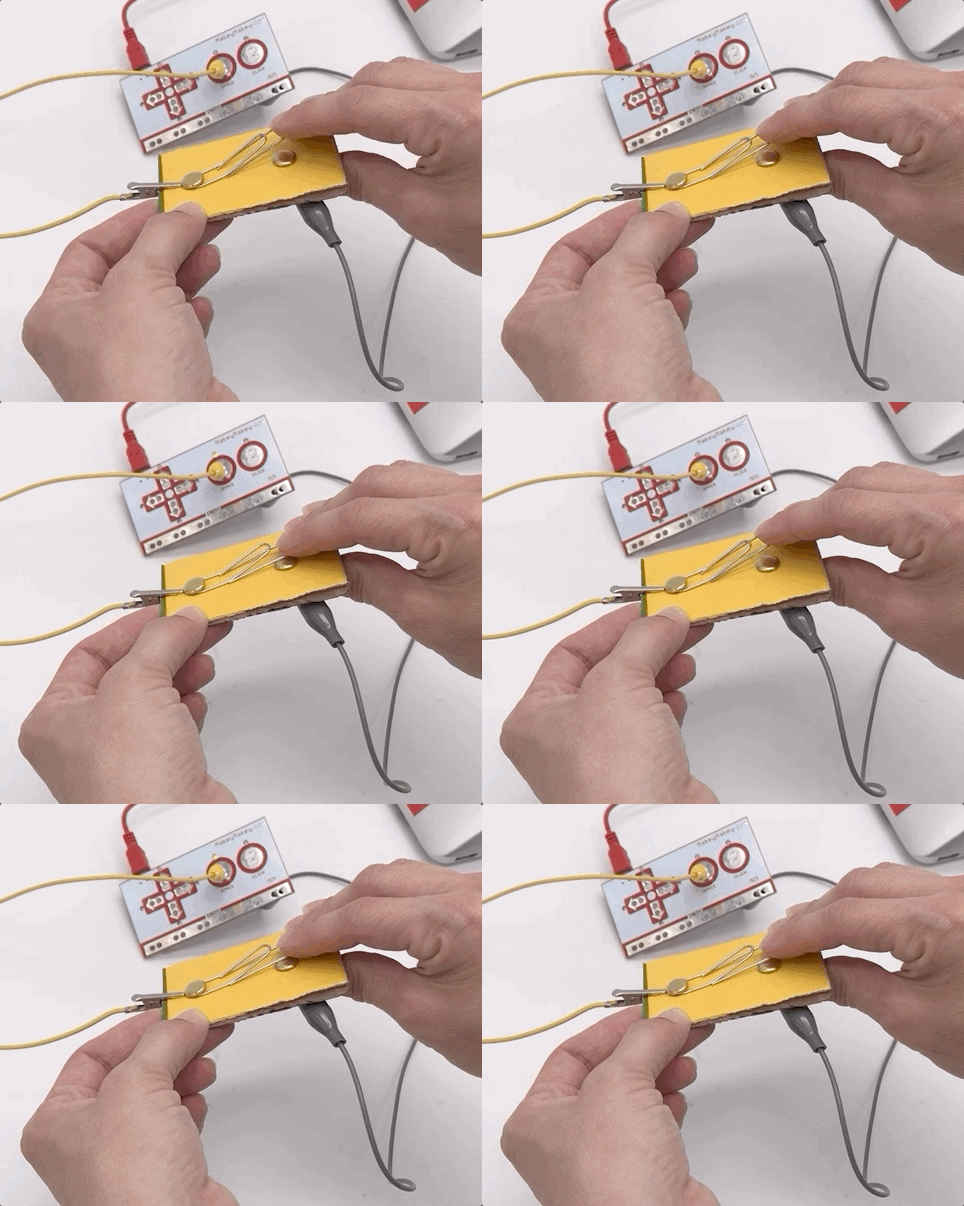
Credit: makeymakey.com
Properties Of Brass
Brass is a metal alloy with unique properties. It is widely used in many objects, including paper fasteners. Understanding its properties helps us know if a brass paper fastener conducts electricity.
Composition Of Brass
Brass is made by mixing copper and zinc. Copper makes up most of the alloy. Zinc is added to give strength and durability. Sometimes, small amounts of other metals are included. This mix changes the metal’s color and hardness.
Physical Characteristics
Brass has a bright, gold-like color. It is smooth and easy to shape. It does not rust like iron or steel. Brass is strong but still flexible. This makes it ideal for small items like fasteners.
Electrical Conductivity
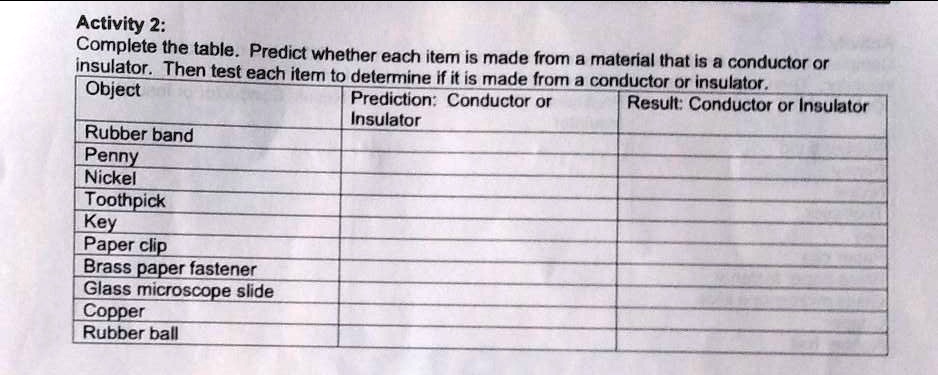
Brass conducts electricity, but not as well as pure copper. The zinc lowers its conductivity. Still, brass allows electric current to pass through it. This means a brass paper fastener can act as a conductor, but less efficiently than copper.
Credit: www.numerade.com
What Is A Paper Fastener
A paper fastener is a small tool used to hold sheets of paper together. It works by piercing the papers and then folding its legs to keep them in place. This helps organize documents without stapling or punching holes.
Paper fasteners are simple but useful in offices, schools, and homes. They come in various sizes and styles to fit different needs. Understanding what a paper fastener is helps in knowing its role better.
Common Materials Used
Paper fasteners are usually made from metals or plastics. Brass is a popular choice because it resists rust and lasts long. Steel is also common but can rust over time. Plastic fasteners are less durable but cost less.
The metal type affects the fastener’s strength and conductivity. Brass fasteners, for example, conduct electricity better than plastic ones. The choice depends on how you plan to use the fastener.
Design And Functionality
A typical paper fastener has a round head and two thin legs. These legs pass through paper holes and bend back to secure sheets. The head keeps the fastener from slipping through the paper.
This design allows easy addition or removal of sheets. It also avoids damage to papers compared to staples. The fastener holds papers firmly while allowing flexibility for changes.
Conductivity Of Brass Paper Fasteners
Brass paper fasteners are common office supplies. Many wonder if they can conduct electricity. Understanding their conductivity helps in various DIY and craft projects.
Brass is a metal alloy made mainly of copper and zinc. Both metals have different electrical properties. This mix affects how well brass conducts electricity.
Conductive Pathways In Fasteners
Electrical conduction occurs when electrons move through a material. In brass fasteners, the metal’s structure allows electrons to flow. This flow creates a conductive pathway. The quality of the pathway depends on the alloy’s composition. Pure copper conducts better than brass. Zinc lowers conductivity but adds strength. Brass fasteners can carry small electrical currents. They are not ideal for high-power circuits.
Comparing Brass To Other Metals
Copper is a top conductor, better than brass. Aluminum also conducts well but is lighter. Steel and iron conduct less electricity than brass. Brass is better than steel in conductivity. Fasteners made of steel usually resist electricity. Brass paper fasteners strike a balance. They offer moderate conductivity and good durability. This makes them useful for light electrical tasks.
Practical Implications
Understanding the practical side of brass paper fasteners is important. These fasteners conduct electricity, but how does this affect their use? This section explains key points for using brass fasteners safely and effectively.
Using Brass Fasteners In Electrical Applications
Brass fasteners can carry electrical current because brass is a metal alloy. They are useful in low-voltage projects and small circuits. These fasteners connect wires and hold components in place. Their conductivity helps maintain good electrical flow. Avoid using them in high-power systems, as they may heat up. Their small size suits delicate and compact electrical work.
Safety Considerations
Brass fasteners conduct electricity but can cause short circuits if not used properly. Ensure fasteners do not touch other metal parts unintentionally. Use insulating materials to prevent accidental contact. Check for corrosion, as it reduces conductivity and safety. Avoid using brass fasteners near water or moisture. Always follow electrical safety guidelines to prevent shocks or damage.
Testing Electrical Conductivity
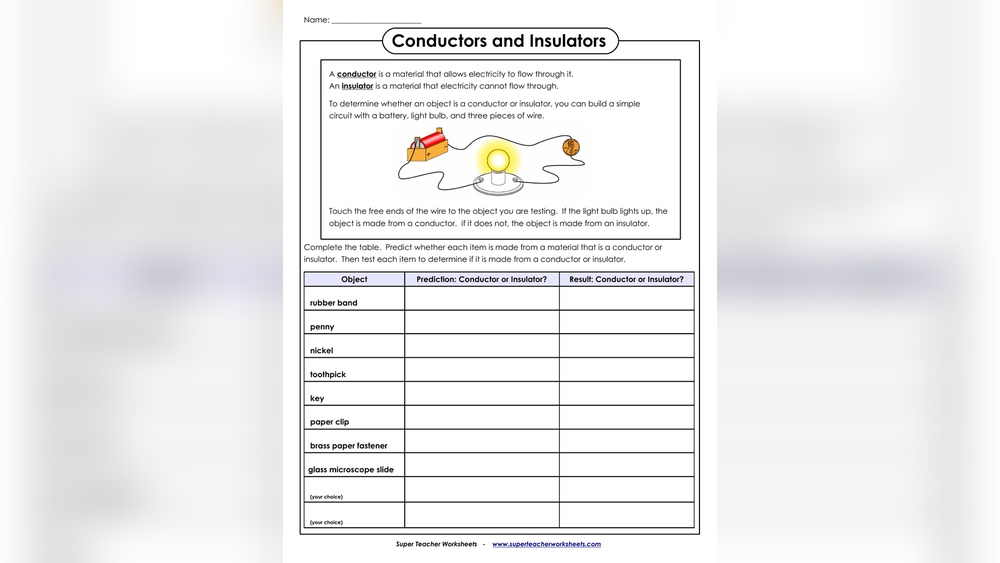
Testing electrical conductivity helps find out if a brass paper fastener can carry electricity. Conductivity means how well a material lets electric current pass through it. This test shows if the fastener acts like a conductor or an insulator.
Methods To Measure Conductivity
One common method uses a multimeter. This tool measures electrical resistance. Low resistance means high conductivity.
Another method involves a conductivity meter. It sends a small current through the fastener. The device then measures how much current flows.
Lab tests may use four-point probes. This method gives accurate readings by reducing errors from contact resistance.
Interpreting Test Results
High conductivity means the fastener lets electricity flow easily. Brass usually has good conductivity because it contains copper.
Low conductivity means the fastener resists electric flow. This could happen if the fastener has coatings or impurities.
Compare results with known conductors like copper or aluminum. This helps decide if the brass fastener is a good conductor.

Credit: www.officesupply.com
Frequently Asked Questions
Is A Brass Paper Fastener An Electrical Conductor?
Yes, a brass paper fastener conducts electricity well. Brass is a metal alloy known for good electrical conductivity. It allows electric current to pass through easily.
Why Does Brass Conduct Electricity Effectively?
Brass contains copper and zinc, both good conductors. Copper especially has high electrical conductivity. This makes brass suitable for small electrical connections.
Can Brass Paper Fasteners Be Used In Circuits?
Brass paper fasteners can conduct electricity, but they’re not ideal for circuits. They lack insulation and precise conductivity needed for safe electronics.
How Does Brass Compare To Copper In Conductivity?
Brass is less conductive than pure copper. Copper’s conductivity is higher, making it better for electrical applications. Brass is useful when strength and conductivity are needed.
Conclusion
A brass paper fastener does conduct electricity well. Brass is a metal alloy made of copper and zinc. Metals let electric current flow easily. So, a brass fastener can carry electricity. This makes it useful in simple electrical projects. It is not the best conductor but works fine.
Remember, the size and shape also affect conduction. For small tasks, it serves the purpose. Always check the fastener’s condition before use. Rust or dirt can block electricity flow. Overall, brass paper fasteners are practical conductors in many cases. Simple and effective for basic needs.